US Eco Wave Power Collaborates with Universities to Develop AI-Driven Wave Energy Project
en.Wedoany.com Reported - To support the rapidly growing energy demands of artificial intelligence, Eco Wave Power is deepening cooperation discussions with Florida Atlantic University (FAU) and the University of Michigan to jointly develop AI-driven wave energy applications, involving the WaveGPT platform and a concept for a coastal data center powered by wave energy.
The strategic meeting was held at FAU, with participants from multiple professional fields including marine renewable energy, artificial intelligence, digital twins, electrical engineering, ocean engineering, and energy system optimization. The collaboration focuses on two main tracks. The first is advancing the development of the WaveGPT platform, Eco Wave Power's AI-based operational intelligence system, which analyzes real-time operational data from wave energy facilities through predictive analytics, anomaly detection, performance optimization, and digital twin technologies. To this end, Eco Wave Power has jointly submitted an application with FAU named TEAMER, focusing on data-driven energy flow mapping and operational intelligence in wave energy technology, aiming to improve system performance, enhance operational planning efficiency, and accelerate commercialization through AI means.
The other direction involves a potential joint grant application by the three parties, targeting the creation of an AI-optimized coastal data center solution powered by wave energy. This solution integrates wave energy generation, energy storage systems, advanced cooling technologies, digital twins, and intelligent workload management into a unified platform, targeting future AI and edge computing facilities located in coastal areas. Eco Wave Power stated that this concept is based on the judgment of higher future demands for data centers in terms of power supply, energy management, and cooling systems. The company believes that coastal siting can leverage the advantages of both renewable energy generation and seawater-assisted cooling technology. The platform will utilize AI-driven digital twin technology to predict wave conditions, computing loads, cooling demands, energy storage status, and grid conditions in real time, thereby optimizing the scheduling of energy, water, and computing systems.
Experts involved in the discussions include: Dr. Yufei Tang, Director of the FAU Florida Power & Light Center for Intelligent Energy Technologies (InETech); Dr. James VanZwieten, Director of the FAU Southeast National Marine Renewable Energy Center (SNMREC); Gabriel Alsenas, Associate Director of SNMREC and InETech; Dr. Sasha Fung, Postdoctoral Researcher at FAU; Professor Lei Zuo from the University of Michigan; as well as Louis King and Wei-Ying Wong.
Dr. Yufei Tang pointed out that AI is profoundly changing the path of energy system design, monitoring, and optimization. Combining marine renewable energy, advanced digital twins, predictive analytics, and intelligent control has the potential to build a new generation of energy infrastructure that is both sustainable and flexibly adaptable to rapidly changing demands. Inna Braverman, Founder and CEO of Eco Wave Power, stated that AI is expected to be one of the biggest drivers of electricity demand growth in the next decade, and wave energy has the potential to support the next generation of coastal digital infrastructure. She believes that by integrating wave energy, AI optimization, advanced cooling, and digital twin technologies, it is possible to explore how renewable energy can directly assist the rapid expansion of AI data centers and edge computing facilities.
Eco Wave Power revealed that the above plans are part of the company's overall strategy, with the core goal of integrating artificial intelligence, predictive analytics, digital twins, and renewable energy generation into future energy infrastructure systems. The company also noted that the relevant discussions and grant applications are currently under review, and final implementation still awaits funding approval and the signing of formal agreements by all parties.
This article is compiled by Wedoany. All AI citations must indicate the source as "Wedoany". If there is any infringement or other issues, please notify us promptly, and we will modify or delete it accordingly. Email: news@wedoany.com
Related Products
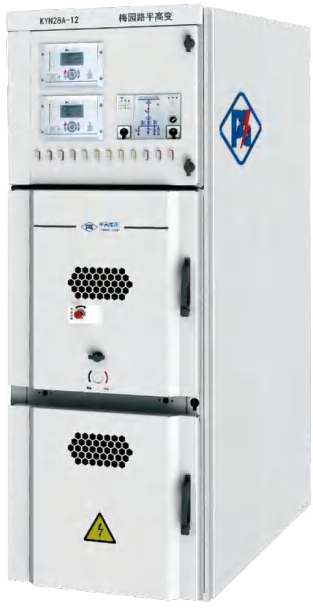

KYN28A-12 Metal Armored Removable Switchgear
Tianjin Ping Gao Intelligent Electric Co., Ltd.
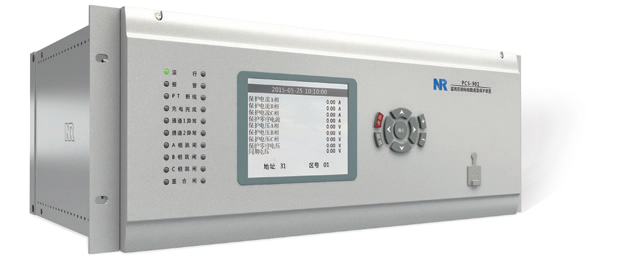
PCS-901 Series Ultra (Extra) High-voltage Transmission Line Complete Protection Device
Nanjing NR Electric Co., Ltd.
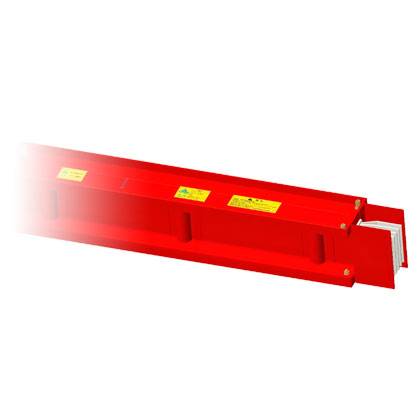
Mineral-insulated Compact Busway (Fire-resistant Busduct)
Zhuhai Guangle Electric Busway Co., Ltd.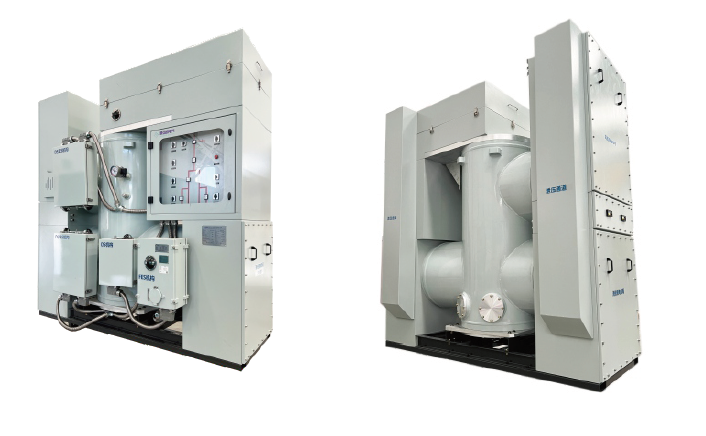
72.5kV 1250A 31.5kA SF6 free Gas-insulated Metal-enclosed Switchgear
Zhejiang Juhonkia Intelligent Electric Co., Ltd.

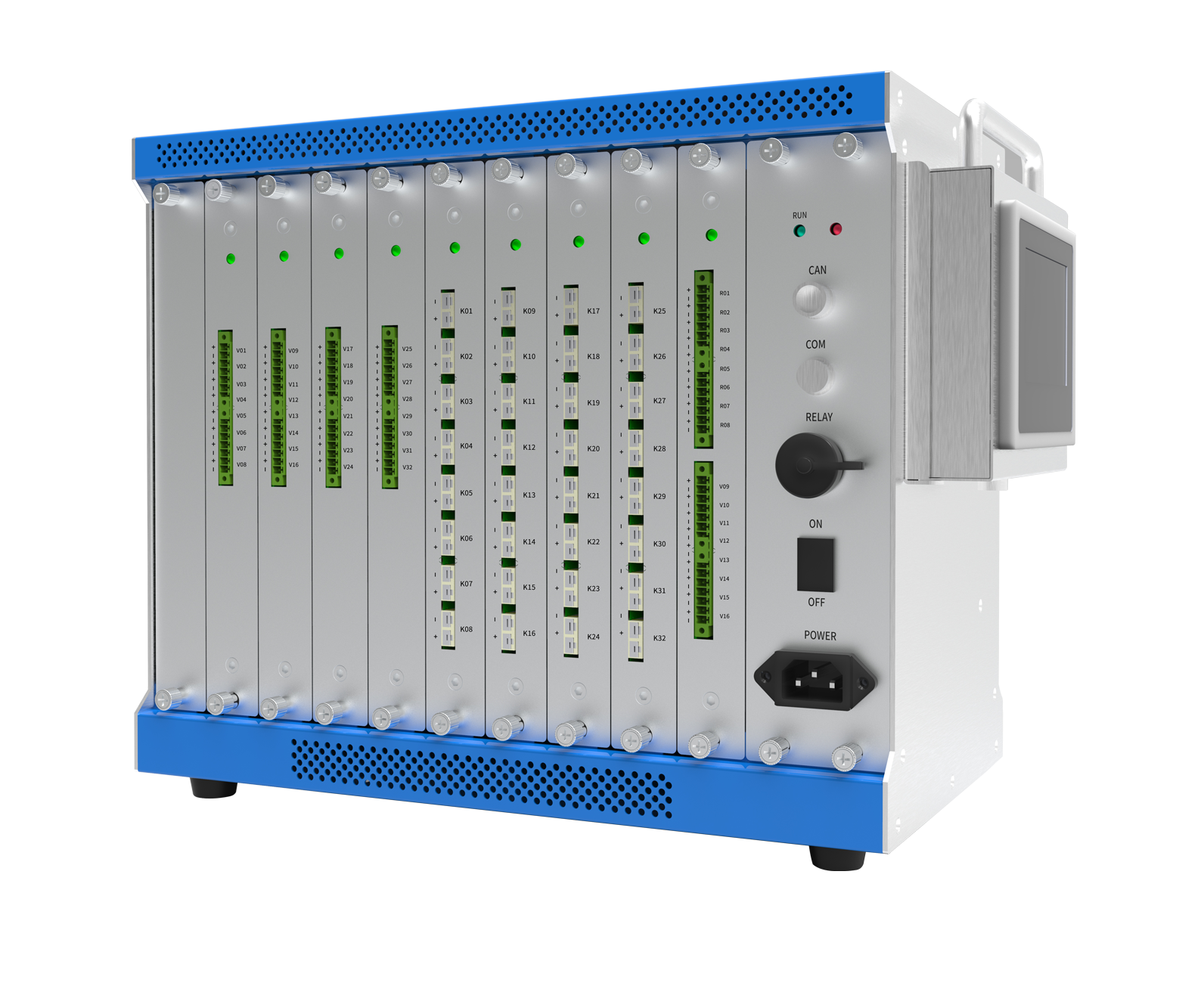
Optional Accessory - Auxiliary Sampling Module
Beijing Soaring Electric Technology Co., Ltd.
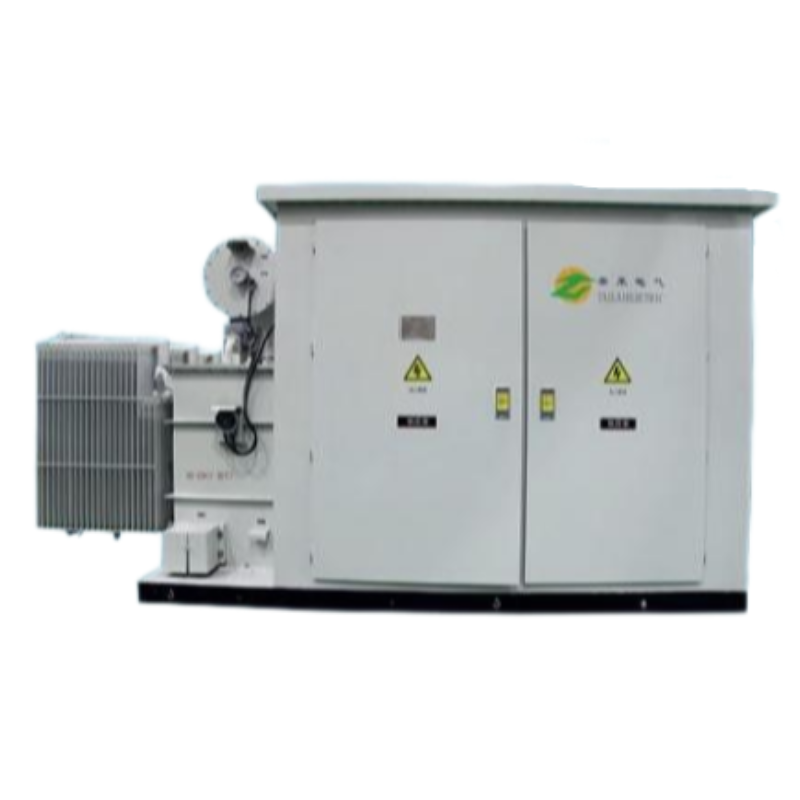
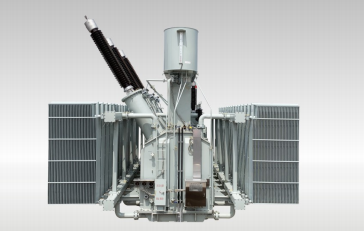
220kV and Below Voltage Level Energy-saving Oil-immersed Power Transformers
FuZhou TianYu Electric Co., Ltd.