DNV Verifies Offshore Capture Rate of Centrifugal OCCS System Exceeds 98%
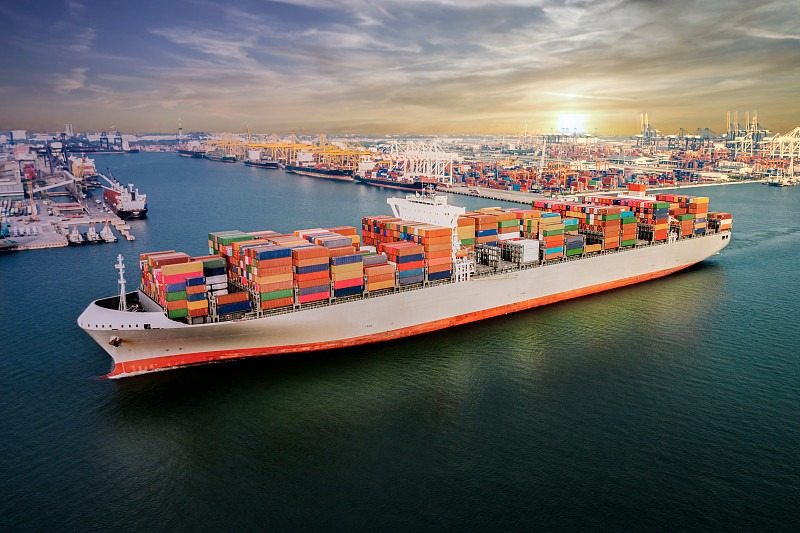
en.Wedoany.com Reported - DNV conducted an independent assessment based on its "Recommended Practice for Performance Verification of Onboard Carbon Capture and Storage (OCCS)," confirming that Carbon Ridge's centrifugal OCCS system achieved a peak carbon dioxide capture rate exceeding 98% during actual offshore operations. This marks the first offshore deployment of a centrifugal OCCS system, tested on the STI Spiga, a 109,999 DWT LR2 product tanker operated by Scorpio Tankers Inc., where the system captured and processed a portion of the vessel's exhaust gas stream.
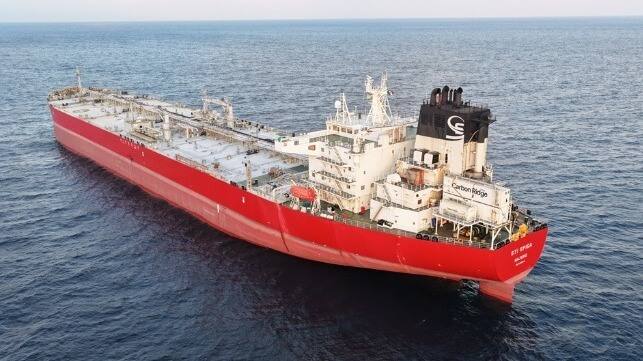
The pilot phase, originally planned for five months, began in July 2025 at the Besiktas shipyard in Turkey, with the vessel completing the test during regular commercial operations. DNV reviewed and verified the methodologies, calculations, and reported performance metrics, confirming based on the provided data that the peak CO2 capture rate exceeded 98%, with 55% of observations falling within the range of 86% to 98%.
Chase Dwyer, CEO and founder of Carbon Ridge, stated that the assessment conducted in accordance with DNV's recommended practice validated the ability of its modular centrifugal OCCS technology to reduce emissions from both existing and newbuild vessels; the preliminary data from the STI Spiga trial has strengthened confidence in deploying the technology across the global fleet. Chara Georgopoulou, Head of Onboard Carbon Capture at DNV Maritime, noted that independently verified carbon capture rates are crucial for establishing commercially viable OCCS models, and this collaboration has shifted from periodic verification to providing continuous assurance using real-time data.
Cameron Mackey, Chief Operating Officer of Scorpio Tankers Inc., stated that for shipowners anticipating rising carbon prices or stricter regulations, Carbon Ridge's OCCS system, with its ease of installation and minimal operational burden on crew, presents an attractive solution. The technology features a compact design, reducing space requirements by up to 75% compared to traditional OCCS systems, and offers flexible installation options, either vertically or horizontally, to accommodate different vessel constraints. Captured CO2 is compressed, liquefied, and safely stored during the voyage.
This article is compiled by Wedoany. All AI citations must indicate the source as "Wedoany". If there is any infringement or other issues, please notify us promptly, and we will modify or delete it accordingly. Email: news@wedoany.com
Related Products




CAP1400 main feedwater flow nozzle flowmeter.
Jiangsu Hongda Instrument Technology Co., LTD.
Oil-immersed Amorphous Alloy Core Distribution Transformer
Pinggao Group Smart Electric Co., Ltd.
Off-Grid Fuel Cell Supercharging Station (180kW Configuration)
Shanghai REFIRE Group Limited
MAX-12 series Environmental Protection/SF6 gas insulated switchgear (C-GIS)
Murge Electric Co.,Ltd.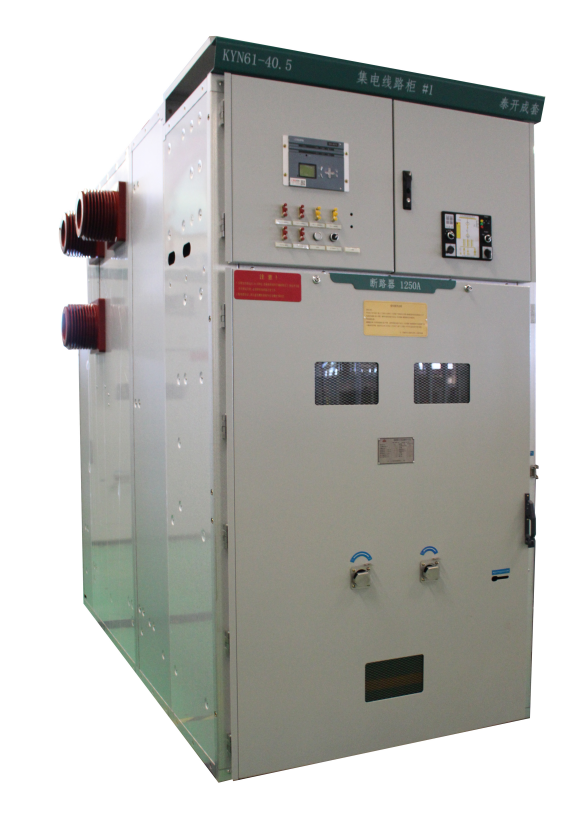

G.652.D Wavelength-extended Non-dispersion Shifted Single-mode Optical Fiber
HONGAN GROUP CO., LTD.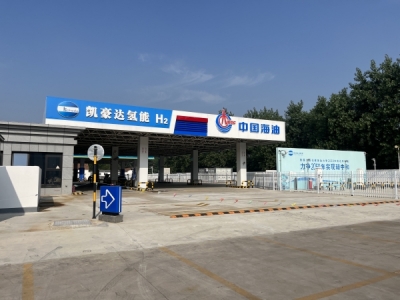
Hydrogen production and hydrogenation charging refueling gas integrated energy station
Shenzhen Kohodo Hydrogen Energy Co., Ltd.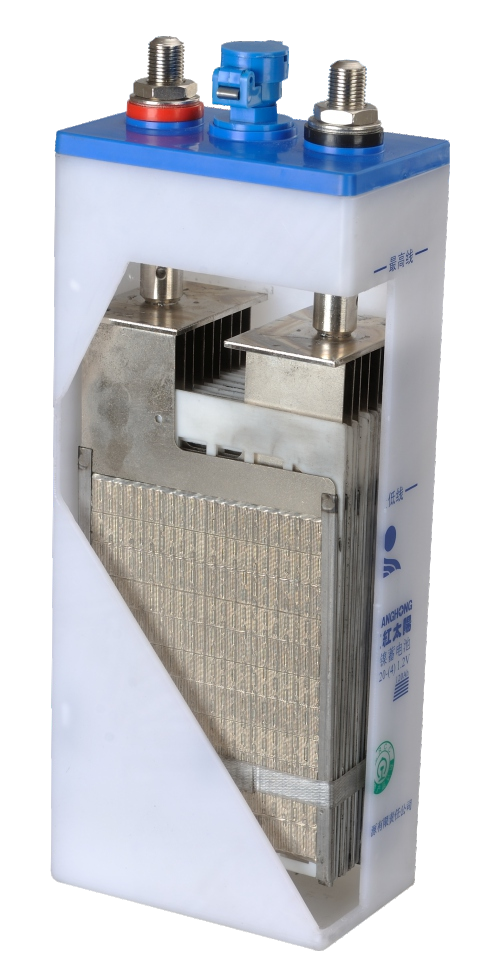
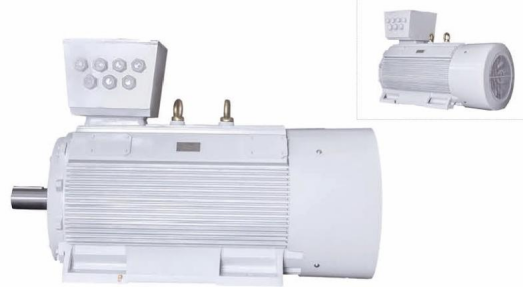
YE3 Series Low Voltage High Power Three-Phase Asynchronous Motor
Shandong Lijiu Electrical Machinery Co., Ltd.