Spain's Ohmvo Launches Ultra-Thin Silicone Heater to Ensure Low-Temperature Performance of Railway Batteries
en.Wedoany.com Reported - Spanish heating solutions manufacturer Ohmvo has launched an ultra-thin silicone rubber heater designed to address the performance degradation of railway battery packs in low-temperature environments. With a thickness of only 0.5 to 1 millimeter, this technology can be directly integrated between battery modules or laminated onto battery box walls, achieving uniform heat transfer without adding significant weight, while avoiding hot spots commonly caused by rigid heaters. Ohmvo is currently collaborating with multiple original equipment manufacturers to integrate its products into new energy storage train designs.
The electrification of railways is accelerating, with models such as CAF's Urbos platform, Stadler's FLIRT Akku and KISS Akku, and Alstom's Coradia iLint relying on large-capacity battery packs for catenary-free operation or hybrid propulsion. However, the electrochemical reactions of lithium-ion batteries slow significantly at low temperatures: when the ambient temperature drops below -20°C, the available energy of the battery pack may fall below 60% of its rated capacity, directly impacting traction performance and range; repeated low-temperature charging and discharging also accelerates battery degradation, shortening the overall lifecycle. In Nordic and mountainous regions, overnight winter parking temperatures for operators often drop to -25°C, leading to severe battery depletion during the first service of the following day.
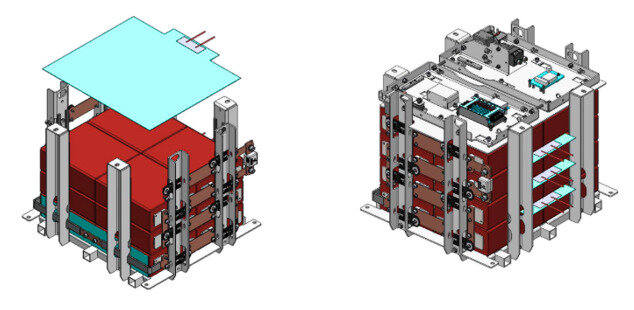
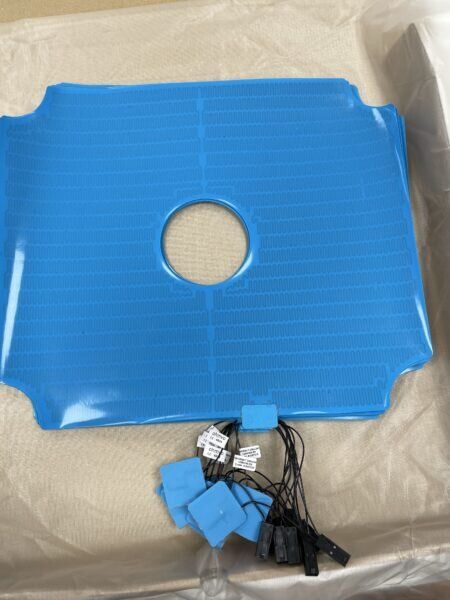
Ohmvo's silicone rubber heater features an etched foil design, allowing customization of wattage, power density, dimensions, and terminal positions based on the geometry of the battery box, and can be installed using adhesives or screws. The heater can form a closed-loop system with precision temperature sensors and controllers: it automatically activates when the temperature falls below a set threshold and shuts off once the battery pack reaches its optimal operating range of 15–35°C, minimizing energy consumption and preventing overheating. Heat loss at edge areas can be compensated by adjusting power density.
In terms of safety compliance, the heater meets European railway vehicle fire protection standard EN 45545 at Hazard Level 3 (HL3) and is certified under CE, REACH, and RoHS. The silicone-based material inherently offers good flame retardancy and low smoke toxicity, with minimal maintenance requirements; in the event of a rare fault, a thermal protection current limiter can physically cut off the power supply when a specified temperature is reached.

As the European Union advances the decarbonization of rail transport, operators in Spain, Germany, the United Kingdom, and Scandinavian countries are ordering battery and hybrid fleets in bulk, driving sustained demand for reliable low-temperature thermal management. Ohmvo states that its ultra-thin design, deep customization capabilities, and long-term technical support enable heating solutions to ensure reliable traction in cold weather while reducing system integration complexity.
This article is compiled by Wedoany. All AI citations must indicate the source as "Wedoany". If there is any infringement or other issues, please notify us promptly, and we will modify or delete it accordingly. Email: news@wedoany.com
Related Products
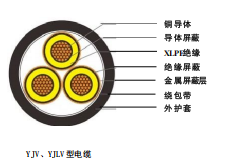

Rated Voltage 6-35kV Cross-linked Polyethylene Insulated Power Cable
TONGDING INTERCONNECTION INFORMATION CO., LTD.
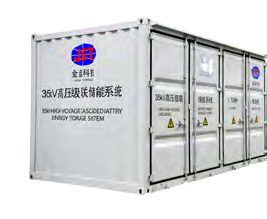
6kV-35kV Medium and High Voltage Direct-Connected Energy Storage System
Hainan Jinpan Smart Technology Co., Ltd.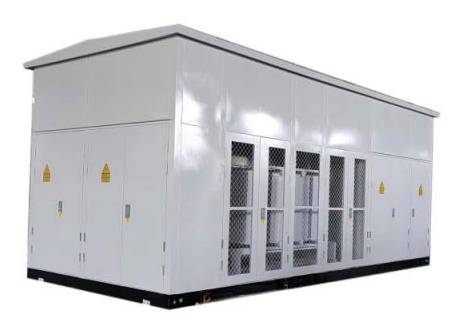
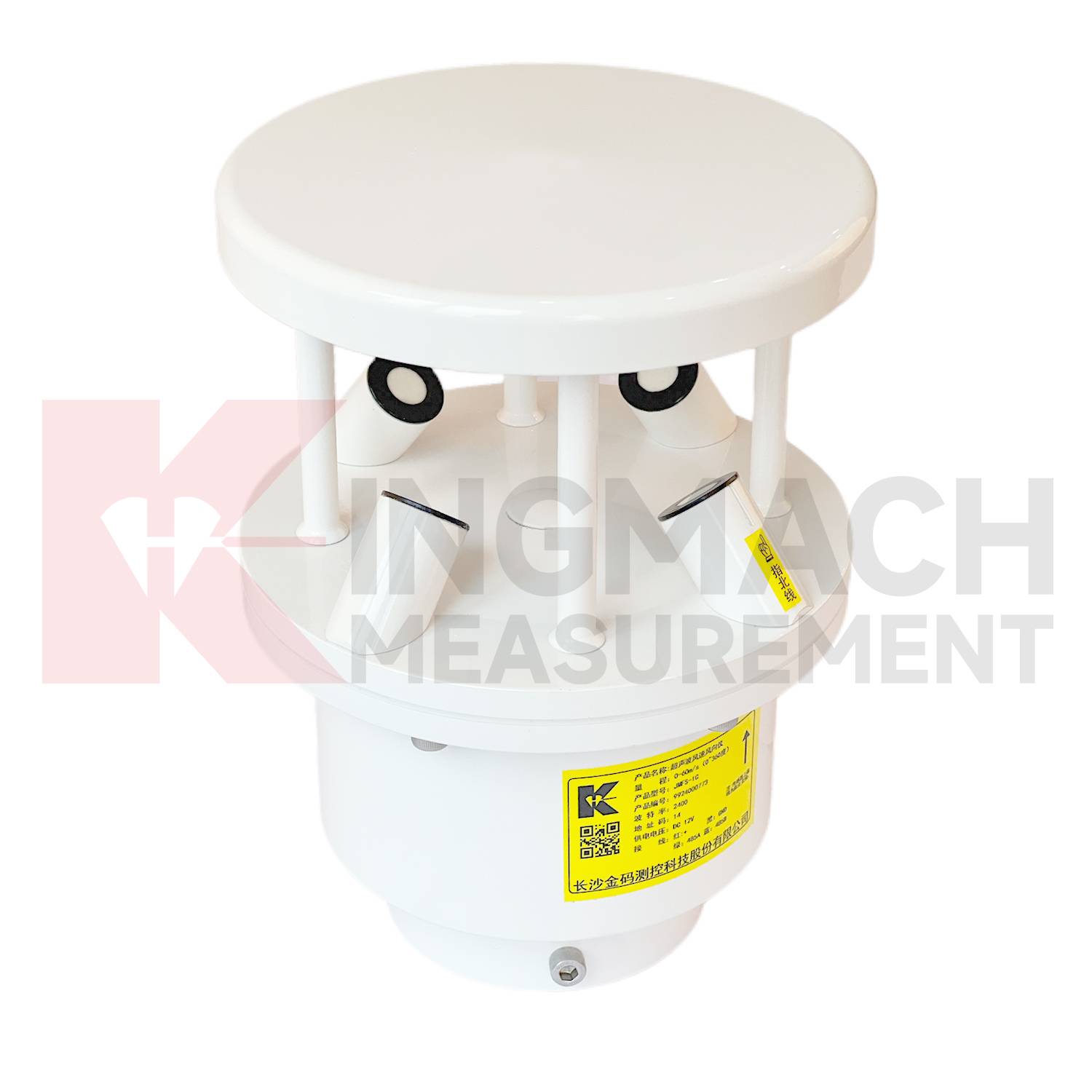
Ultrasonic Wind Speed and Direction Instrument
Kingmach Measurement & Monitoring Technology Co., Ltd.