Kawneer Provides Unitized Curtain Wall for Robert Day Science Center in California
en.Wedoany.com Reported - For the Robert Day Science Center at Claremont McKenna College, Kawneer collaborated with Bjarke Ingels Group (BIG) through Kawneer Collaborative, its premium design-assist service, working closely with project stakeholders from the earliest stages of development to create a custom unitized curtain wall solution that meets the building's complex geometry and seismic requirements.
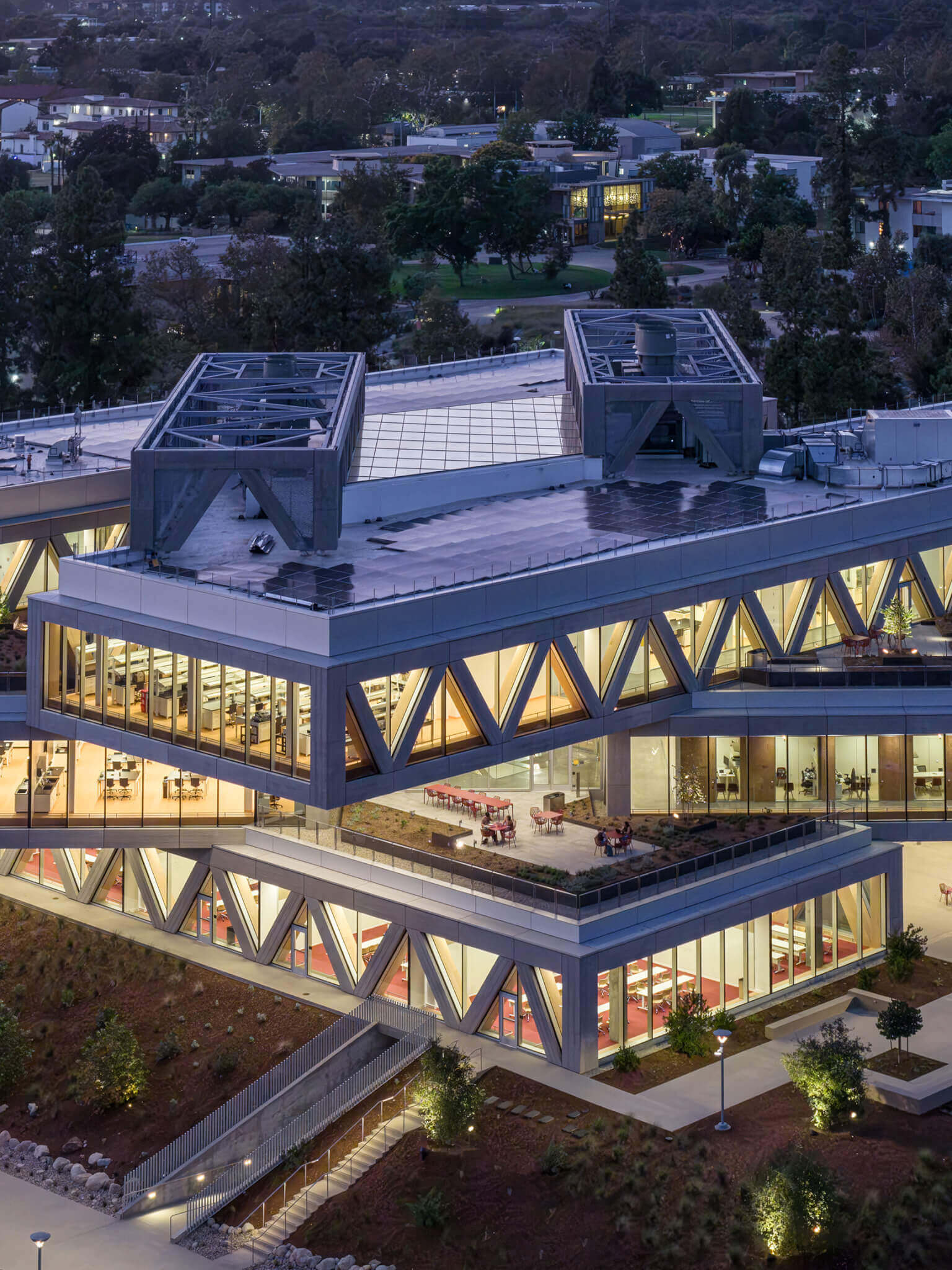
Located in Claremont, California, the 135,000-square-foot educational facility features stacked rectangular volumes with interconnected and cantilevered forms designed by BIG. The building is clad in glass fiber reinforced concrete (GFRC) with floor-to-ceiling windows, and each level is rotated to offer views of the campus and the San Gabriel Mountains.
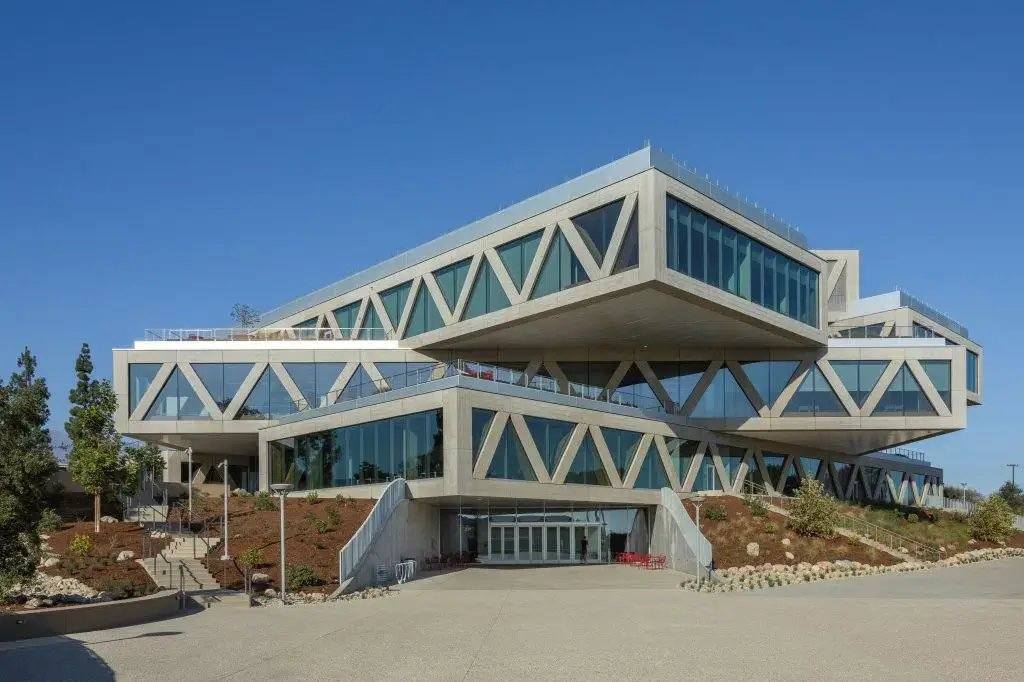
The project's location in a seismic zone, combined with stacked floors, offset geometries, triangular glass units, and the heavy GFRC material, posed complex challenges for the curtain wall system. Kawneer Collaborative provided facade engineering expertise, advanced BIM engineering, and detailed construction drawings to develop a custom unitized curtain wall solution that meets architectural expression while ensuring long-term performance and durability.
"The problem was twofold," Shane Davis, Engineering Lead at Kawneer Collaborative, told AN. "Seismic and lateral forces had to be considered based on weight. GFRC is a very heavy material, so the movement of that material from the top to the bottom of the curtain wall unit had to be accounted for."
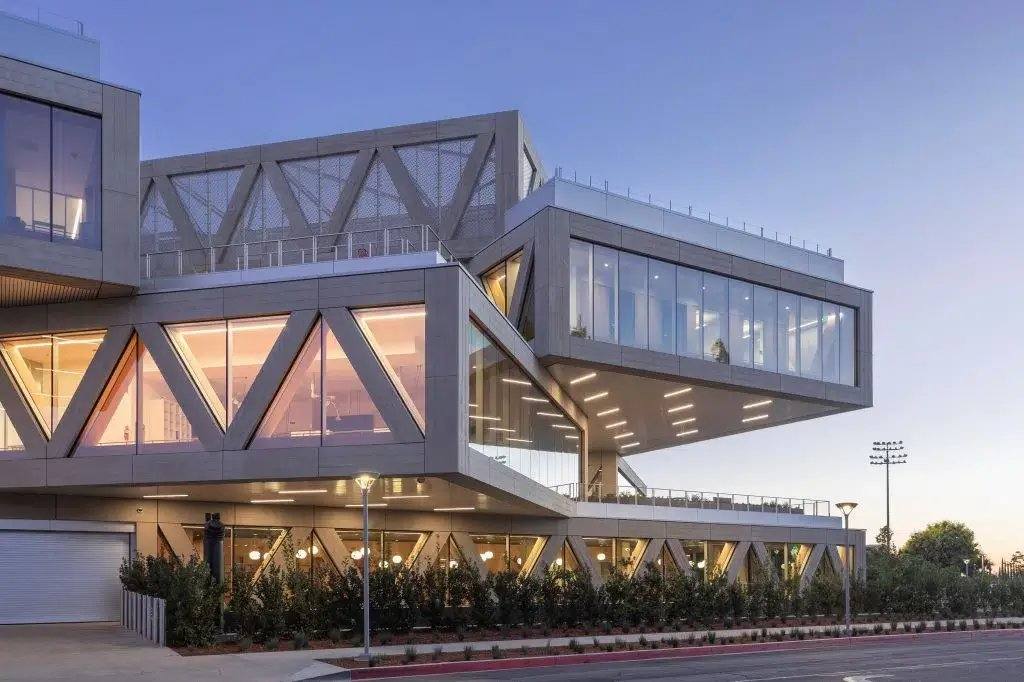
The cantilevered trusses supporting the building and defining the facade further exacerbated seismic concerns, requiring engineers to accommodate large vertical deflections in the oversized curtain wall units. The solution involved adjustments to the weight load distribution. Instead of traditional corner-point anchoring for dead loads, the team anchored the dead load at a central point, with wind load anchors placed at the corners. This allowed the units to tilt during an earthquake rather than twist or slide. After the seismic event ceased, the central anchor, acting like a pendulum, used its own weight to pull the dead load back into place. The unitized system offered greater inherent movement tolerance compared to traditional stick-built curtain walls.
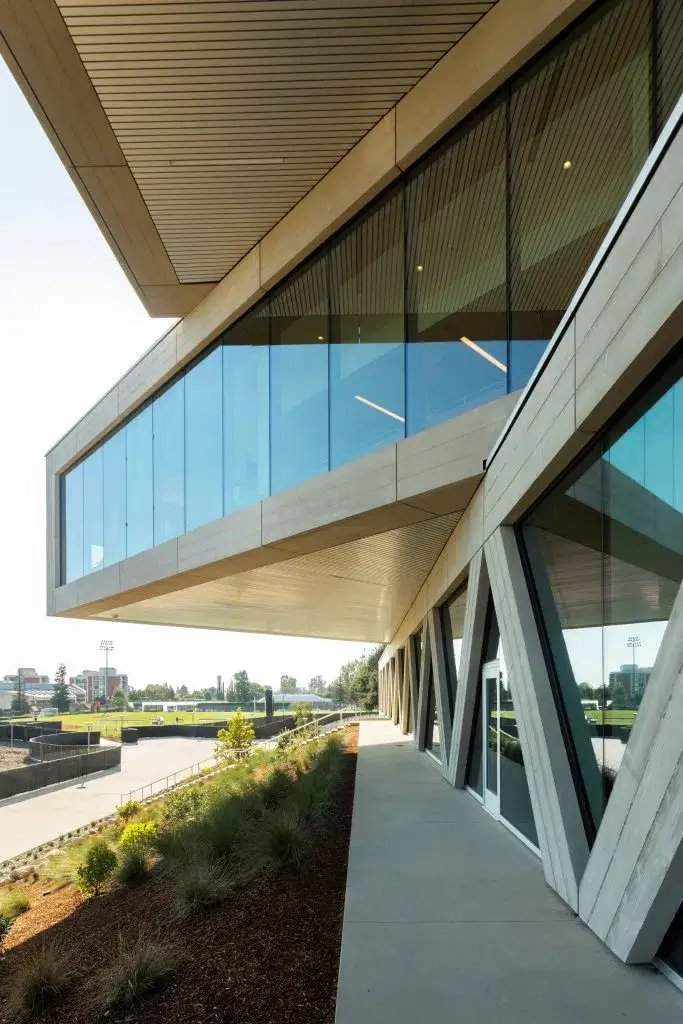
Kawneer Collaborative ensured the system's air and water tightness and integrated crush zones into the facade that absorb deformation during seismic events, allowing the rest of the exterior to remain operational. In addition to the custom curtain wall, the project also utilized Kawneer's 1600 Wall System1 Curtain Wall, 500T Insulpour Thermal Entrances, and 2000T Terrace Doors. The building has achieved LEED Gold certification.
"The chances of seeing this specific curtain wall system again are very slim," said Rob Huffman, Director of Kawneer Collaborative. "But due to the scale, scope, and complexity of the project, Kawneer delivered what the client needed."
Today, students use the classrooms, research, and common spaces of the Robert Day Science Center for interdisciplinary, collaborative research that will shape the future of innovation.
This article is compiled by Wedoany. All AI citations must indicate the source as "Wedoany". If there is any infringement or other issues, please notify us promptly, and we will modify or delete it accordingly. Email: news@wedoany.com
Related Products

Ceiling light | led Ceiling Light | LED Indoor light | LED Ceiling lighting
Queendom Group Technology Co., Ltd.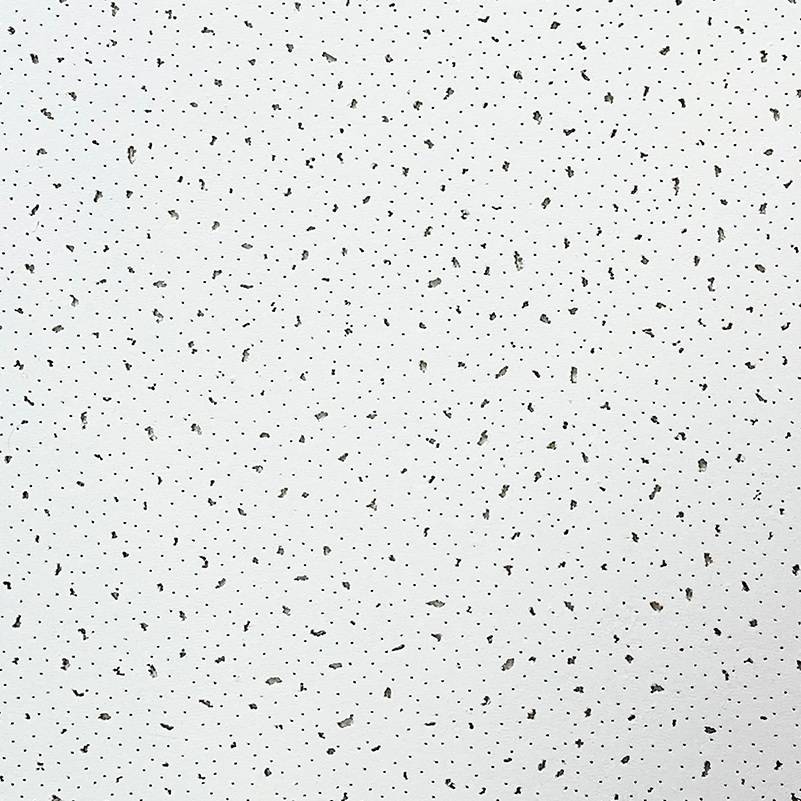
Acoustic Mineral Fiber Ceiling Tile 595x595x12mm
Shanxi Pano Trading Co., Ltd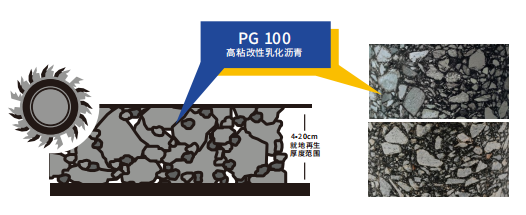
High-toughness in-Situ Cold Recycling Technology for Original Structural Layers
Central Fortune Creation Technology Group Co., Ltd.
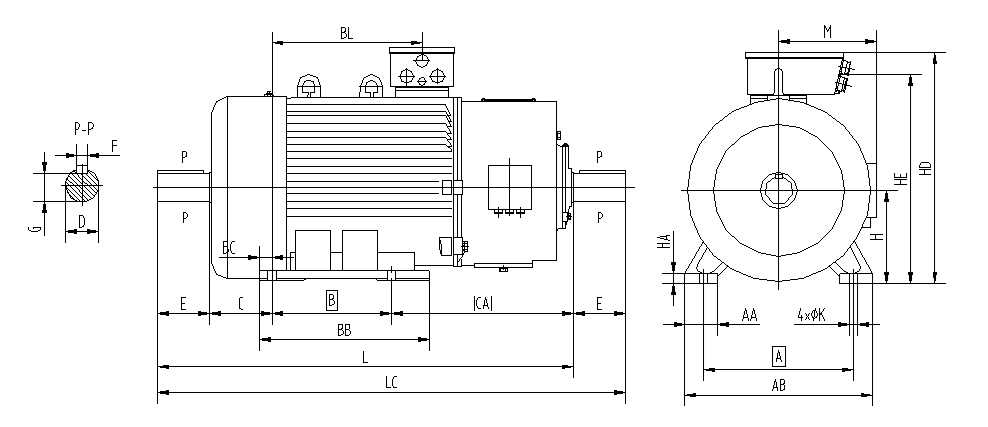
YZR (450-560) Series Wound Rotor Three-Phase Asynchronous Motors for Crane and Metallurgical Applications
Jiamusi Electric Machine Co., Ltd.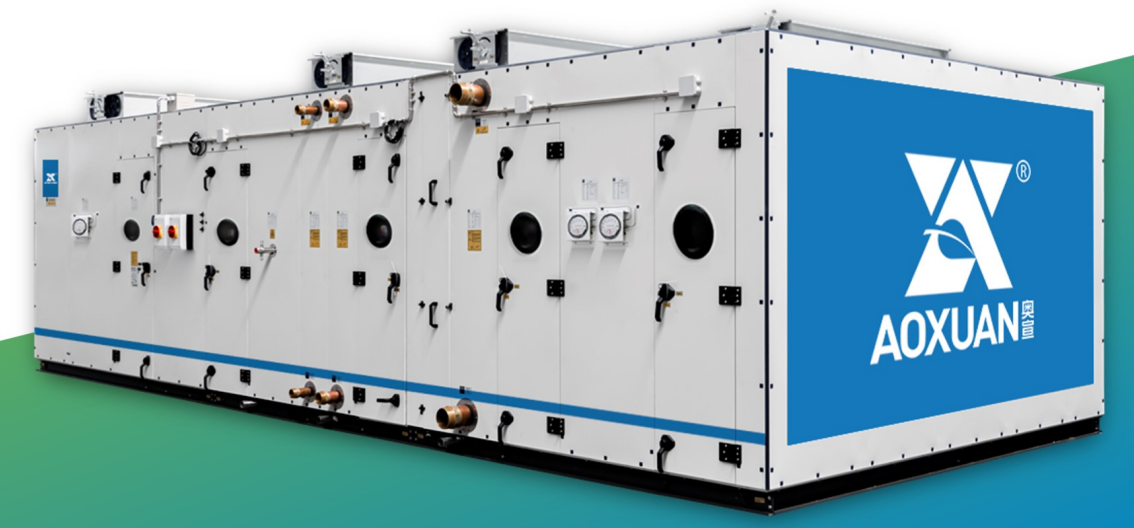
Aoxuan Intelligent Precision Air Conditioning Unit
SHANGHAI AOXUAN PURIFICATION TECHNOLOGY CO., LTD.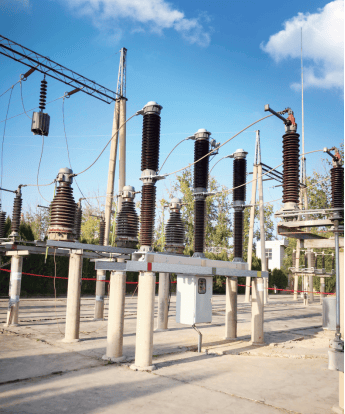
145kV Porcelain Column Type Sulfur Hexafluoride Circuit Breaker
TBEA ZONFA Shanghai High Voltage Switchgear Co., Ltd.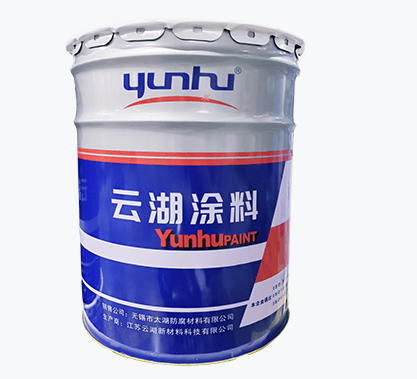
YHTank8400N Solvent-Free Liquid Epoxy Coating
JIANGSU YUNHU NEW MATERIAL TECHNOLOGY CO., LTD.
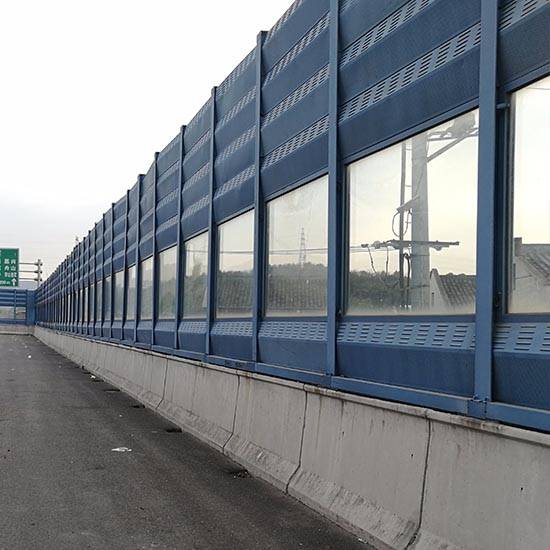
Metal sound barriers that can reduce the transmission of road noise
Hebei Jinbiao Construction Materials Tech Corp., Ltd.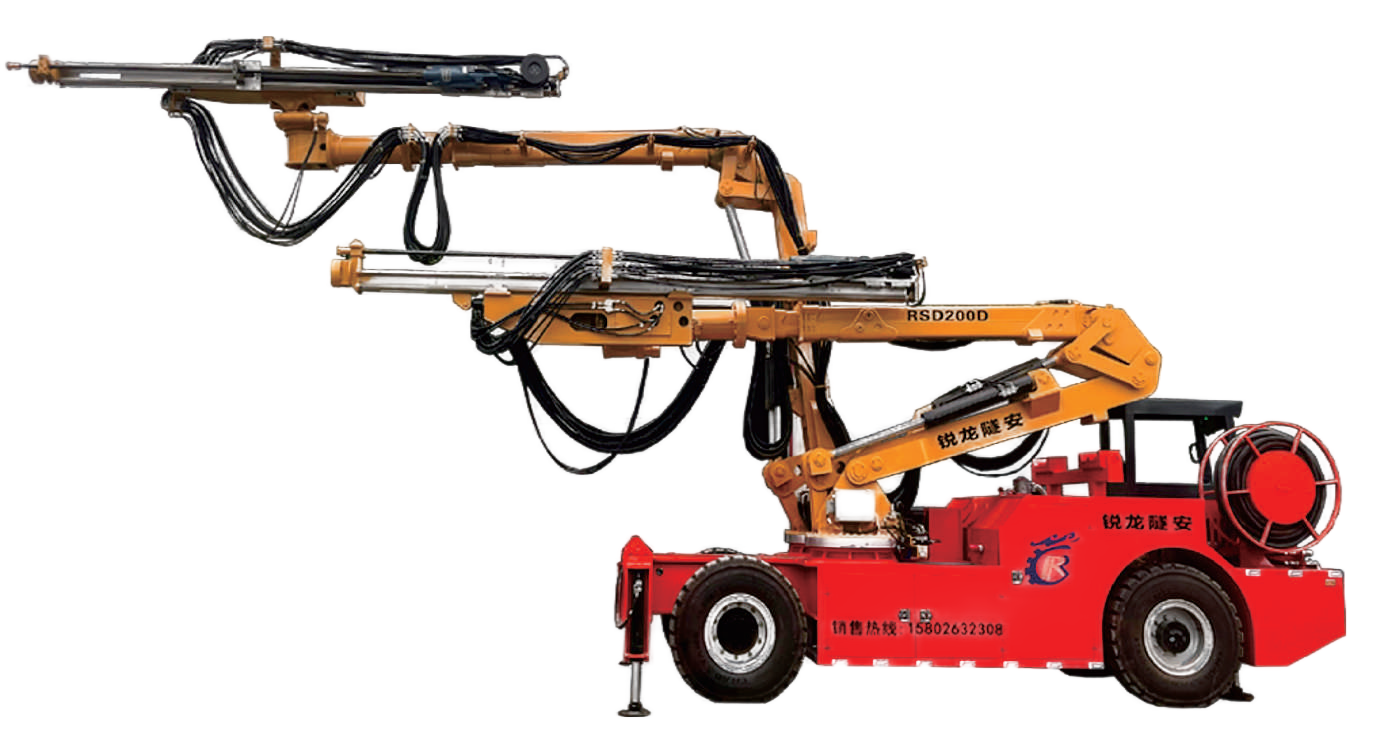
Dual-curved Arm Rock Drilling Trolley RSD200D
Chengdu Ruilong Machinery Manufacturing Co., Ltd.