U.S. Waechter Architecture Receives $124,000 Grant to Study All-Timber Structures
en.Wedoany.com Reported - American architect Ben Waechter has received a $124,084 Wood Innovations Grant from the U.S. Department of Agriculture, Forest Service to convert a building originally planned in concrete to an all-timber structure, ultimately completing a typological study of an all-timber headquarters and three all-timber structural prototypes.
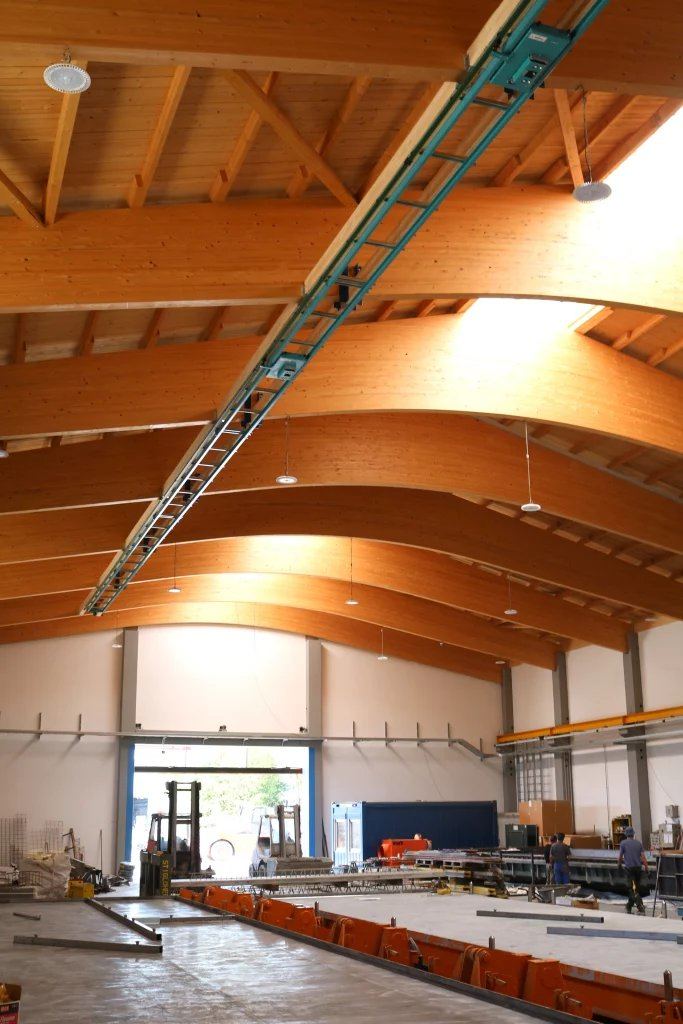
Before founding his own firm, Waechter Architecture, Ben Waechter worked on cast-in-place concrete projects at Renzo Piano Workshop and Allied Works. When acquiring property in Portland, Oregon, to build his headquarters, he initially envisioned constructing the building from a single material. After shifting to mass timber, he found that local wood manufacturers could only supply panels, failing to meet the all-timber requirement. Waechter completed his firm's headquarters, "Mississippi Studios," in 2022—a three-story, 9,550-square-foot all-timber building. The timber components were pre-designed and cut by Austria's KLH using wood from a single spruce forest, shipped in 45-foot containers to the site. The panels function as both walls and frames, with corners connected using milled half-lap joints bolted from the exterior.
To fulfill the grant obligations, Waechter's team conducted a comprehensive analysis of the completed building, covering tilt-up assembly, energy use, acoustics, and fire code appeals. Subsequently, the team collaborated with KPFF Engineering to design three all-timber mass timber prototypes based on three structural logics: tilt-up panels, offset panels, and cantilevers. The prototypes include a 1,400-square-foot, two-story, two-bedroom "micro-home," which can stand alone or be stacked on a standard 50x100-foot lot; a more structurally complex mid-rise "office building" with three vertical cores and 5-foot-thick hollow floor slabs; and a "public building" composed of 55-foot-tall mass timber components. The team commissioned Artefactorylab to create renderings illustrating the construction process and interior/exterior views of each typology.
Air tightness tests and thermal imaging conducted by the University of Oregon's Energy Studies in Buildings Lab showed that these connections, without sealants or gaskets, performed comparably to solid walls. Waechter's only concession to the single-material rule was adding a 4-inch topping layer on each floor to accommodate radiant heating, which improved energy performance. However, in acoustics, mass timber walls and concrete floor slabs exhibited "flanking sound transmission" issues. The report also documents the successful challenge of fire codes, serving as a precedent for other architects and builders.
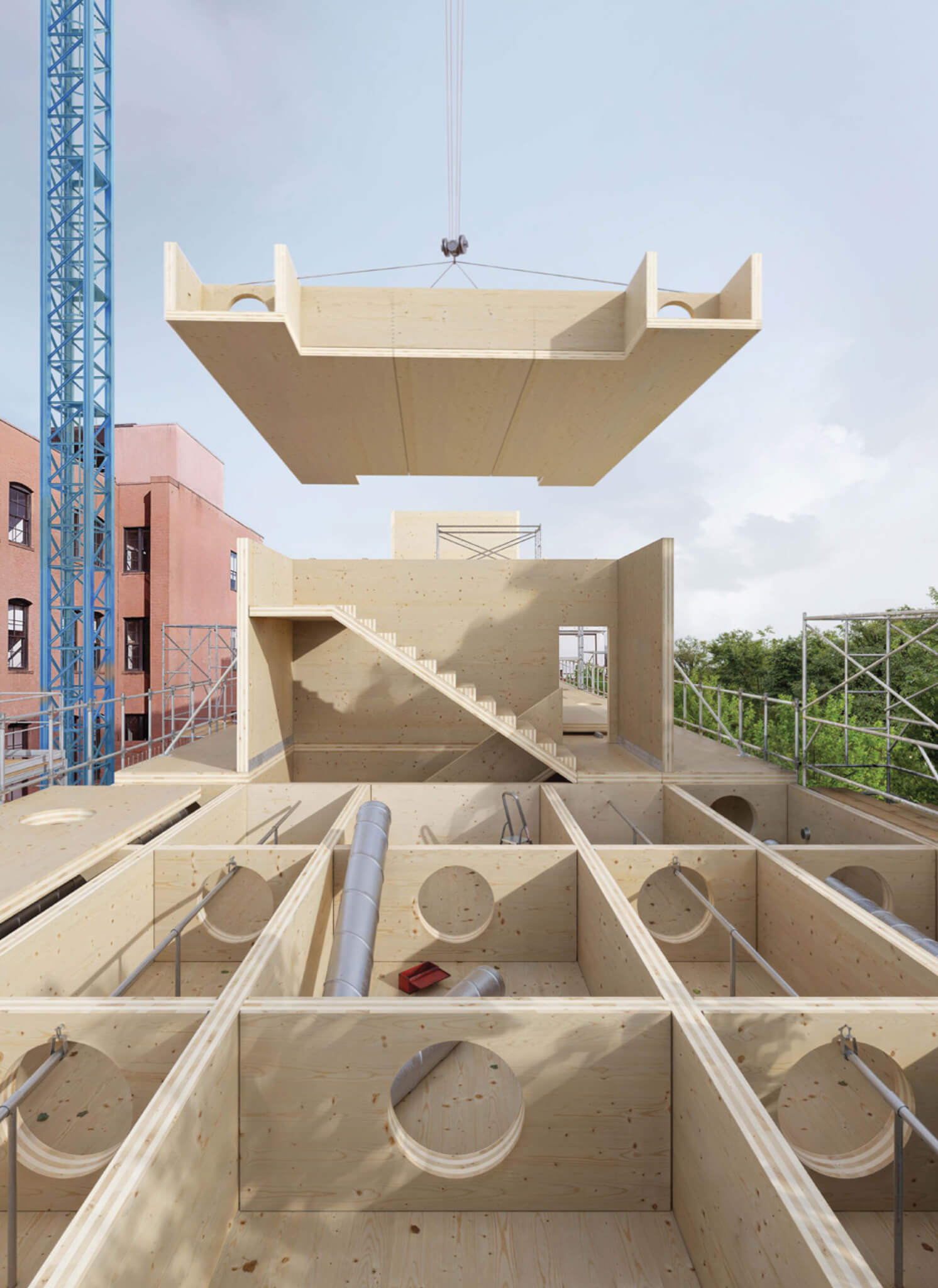
William Smith (now at Drawings Studio), Alexis Coir, and Judson Moore from Waechter's team taught a studio at the University of Oregon's College of Design, contributing to the research. Waechter stated that without this grant, his 10-person firm could not afford such an in-depth post-occupancy evaluation or hire the university to complete the study. He added that the research established a roadmap for the team to challenge themselves, inspiring simpler, smarter, and more sustainable construction methods, and confirmed his design philosophy of "seeing a building as a container."
This study provides practical evidence and precedent support for transitioning all-timber structures from a "niche concept" to a "feasible and easily achievable future."
This article is compiled by Wedoany. All AI citations must indicate the source as "Wedoany". If there is any infringement or other issues, please notify us promptly, and we will modify or delete it accordingly. Email: news@wedoany.com
Related Products


Ultra-Pure Ferrite Stainless Steel Products
Gansu JISCO Group Hongxing Iron and Steel Co., Ltd.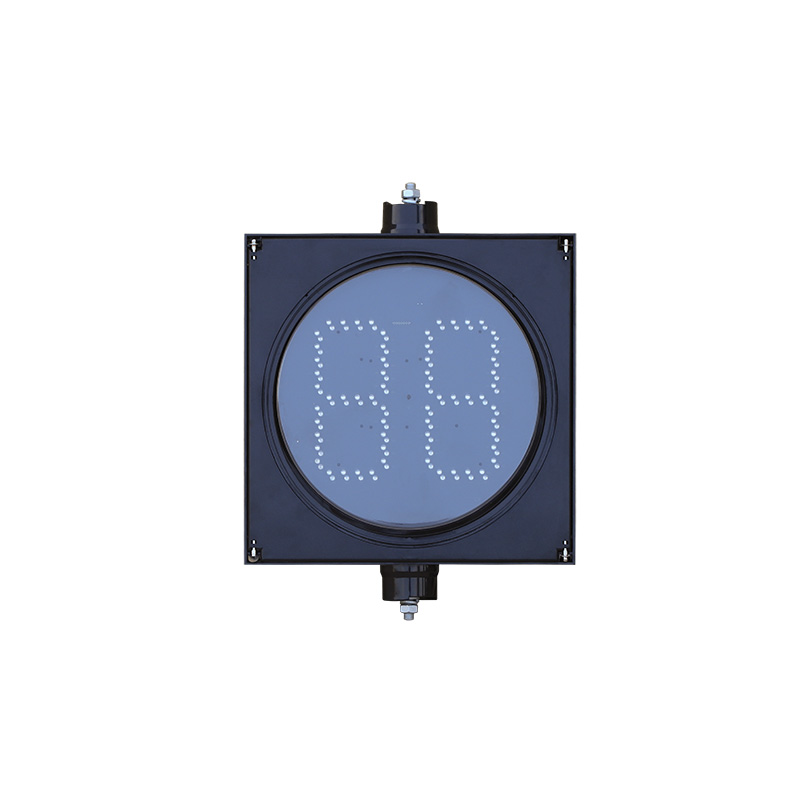
300mm Segment Type Countdown Traffic Light (Core Type)
Yangzhou FAMA Intelligent Equipment Co., Ltd.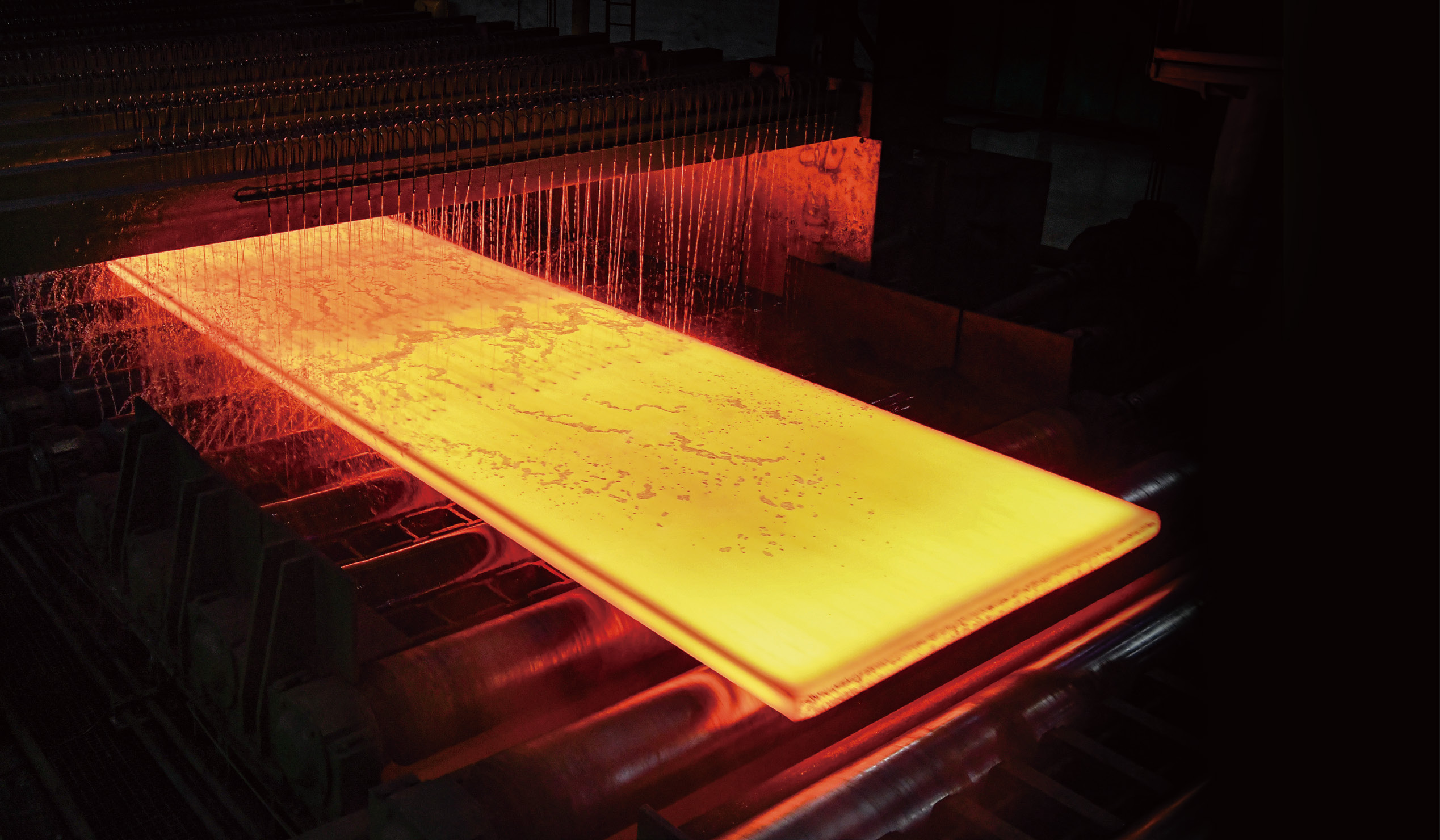
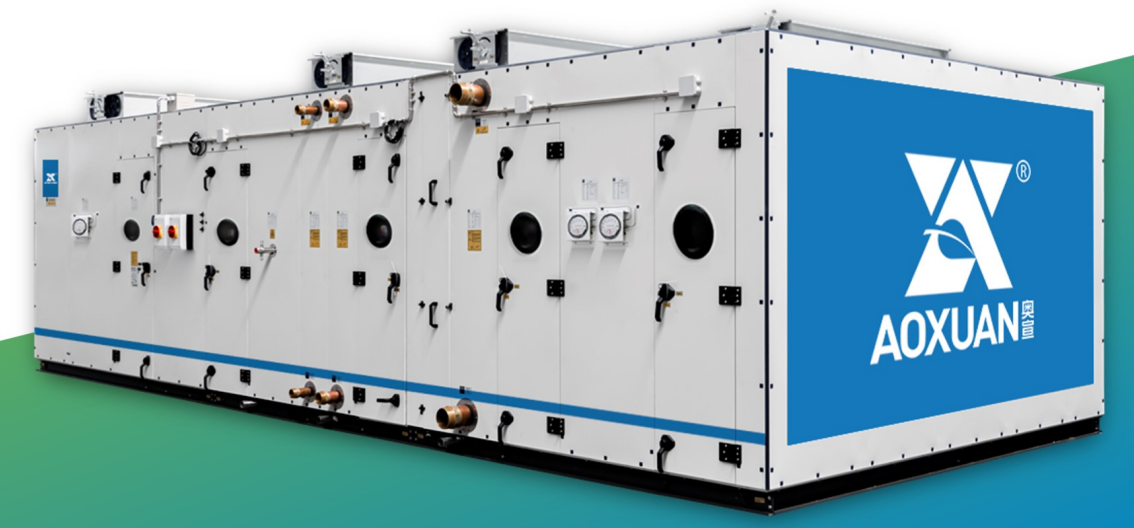
Aoxuan Intelligent Precision Air Conditioning Unit
SHANGHAI AOXUAN PURIFICATION TECHNOLOGY CO., LTD.
Industrial and Commercial Point-Type Gas Detector
Jinan Benan Technology Development Co., Ltd.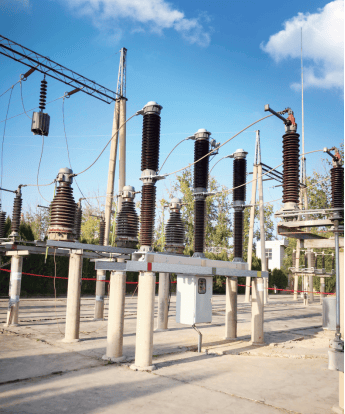
145kV Porcelain Column Type Sulfur Hexafluoride Circuit Breaker
TBEA ZONFA Shanghai High Voltage Switchgear Co., Ltd.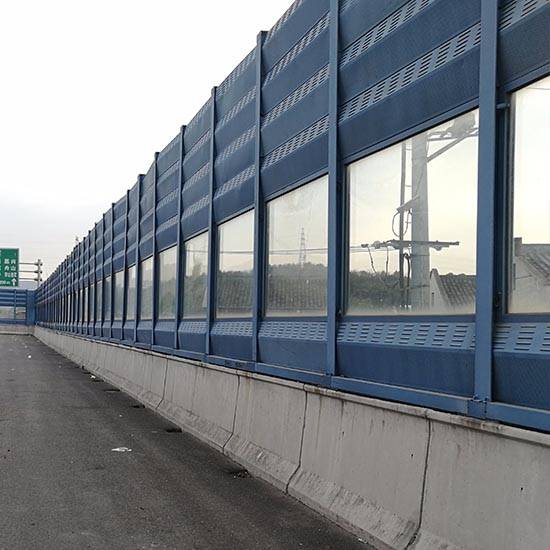
Metal sound barriers that can reduce the transmission of road noise
Hebei Jinbiao Construction Materials Tech Corp., Ltd.
West China Xiamen Hospital of Sichuan University
Wuhan Huakang Century Clean Technology Co., Ltd.
Ceiling light | led Ceiling Light | LED Indoor light | LED Ceiling lighting
Queendom Group Technology Co., Ltd.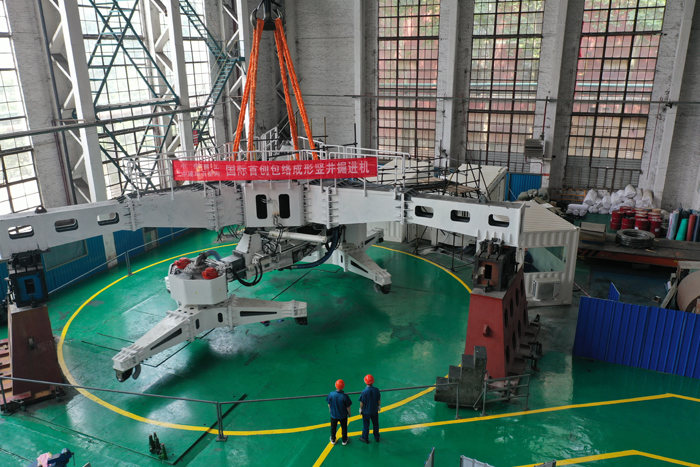
CITIC Heavy Industries Tunneling Equipment Tunnel Engineering Shield Machine
CITIC Heavy Industries Co., Ltd.