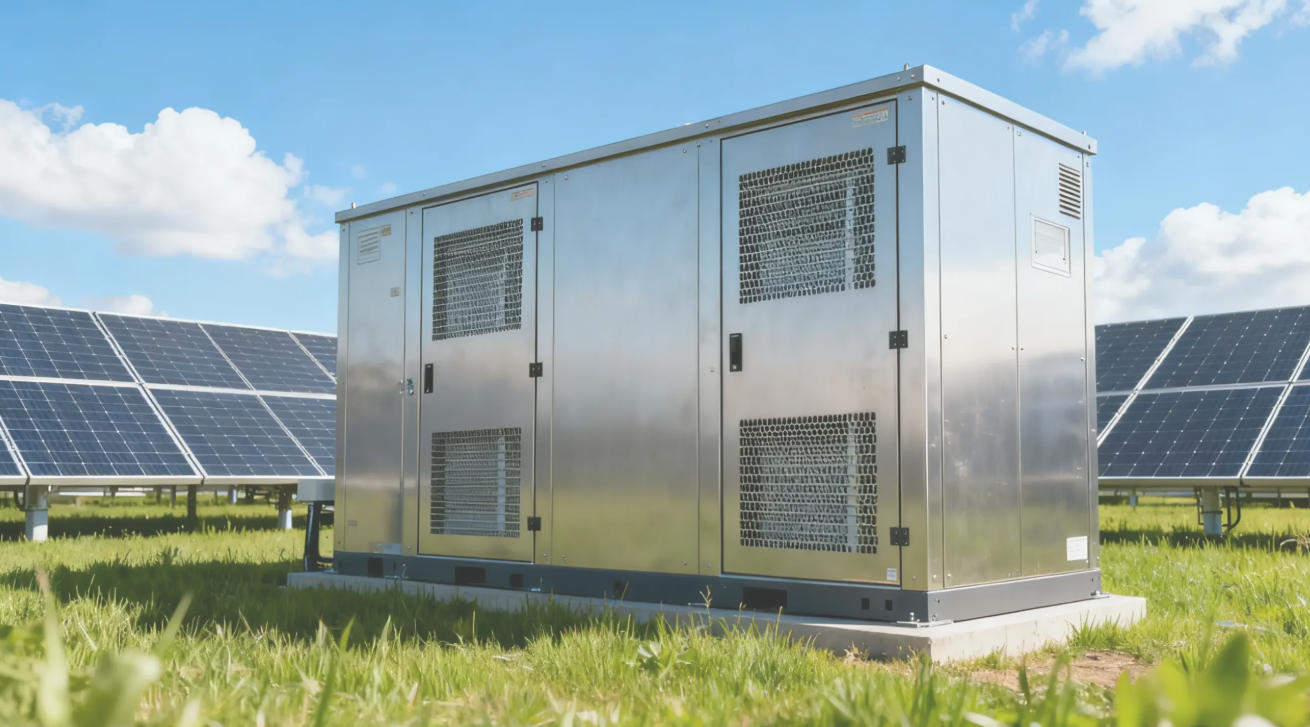
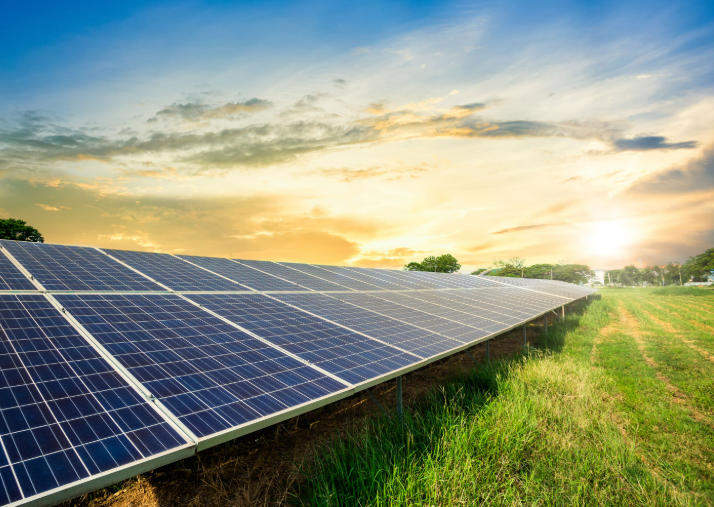
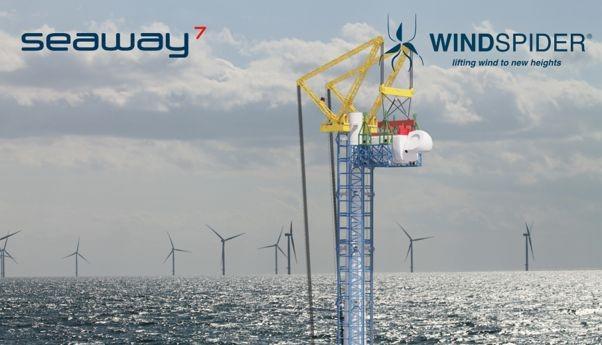
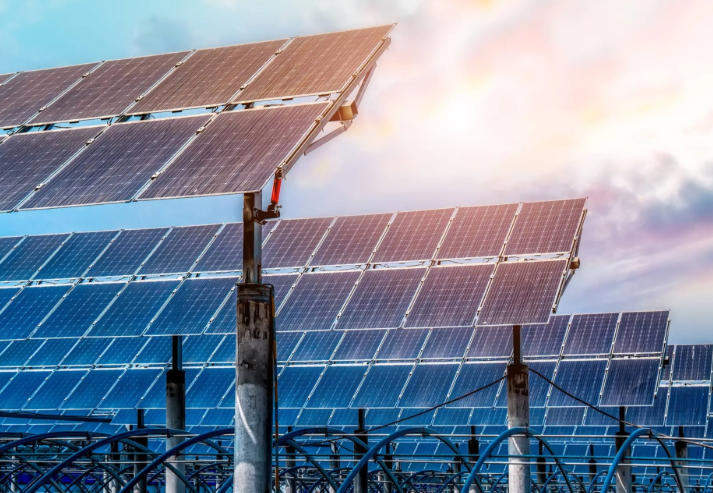
en.Wedoany.com Reported - NATO is integrating renewable energy into military base operations to reduce reliance on fuel supply lines, driven primarily by tactical needs rather than environmental considerations. Despite U.S. President Donald Trump's skepticism toward the alliance and climate change, and his rallying cry of "drill, baby, drill," European military headquarters have been simulating scenarios for years to replace noisy and vulnerable diesel generators with solar panels and wind turbines. In conflict zones such as Afghanistan, Iraq, and the Sahel region, protecting fuel tanker convoys costs billions of dollars and results in hundreds of soldier casualties.
A research report published by the NATO Energy Security Centre of Excellence, located in Lithuania, indicates that the energy supply for future military camps is undergoing a significant transformation. While diesel generators are powerful, they suffer from logistical vulnerabilities, whereas renewable energy can offer a safer and more autonomous alternative. According to the model, a military camp integrating green energy could achieve a "substantial reduction in imported fuel," a "20% improvement in energy efficiency," and a "35% increase in energy autonomy." The agency predicts that widespread electrification and large-scale use of renewable energy will become the norm in future bases, with solar panels supplemented by micro wind turbines expected to become the next-generation on-site solution. In the past, importing oil from hostile nations was used as "bargaining leverage," while the Iran war and the blockade of the Strait of Hormuz exposed Europe's vulnerable dependence on oil imports from hostile regions.
The Brussels-based think tank E3G released a report titled "Empowering Europe: Delivering the security and economic benefits of clean energy in the North Seas." The 2025 NATO summit has agreed that member states can allocate 1.5% of their GDP to broader security spending. The report suggests that a portion of these funds could be used to build and protect offshore wind infrastructure in the North Sea or the Baltic Sea. In the context of conflict with Russia, these wind farms are not only critical assets but can also become "security assets" for the alliance through defense funding guarantees.
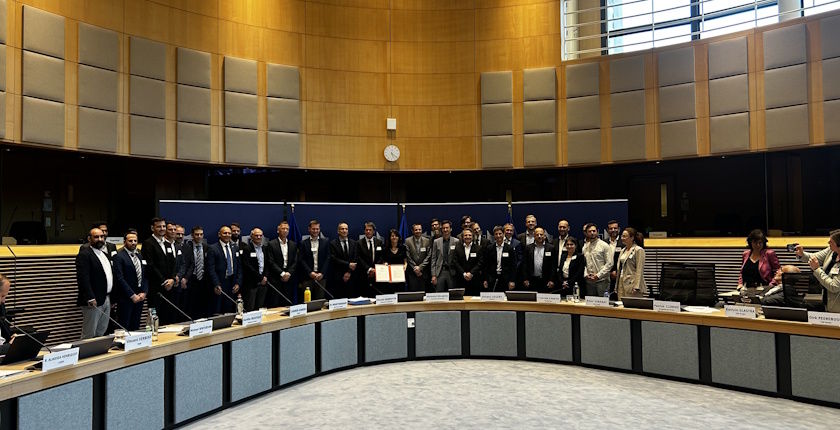
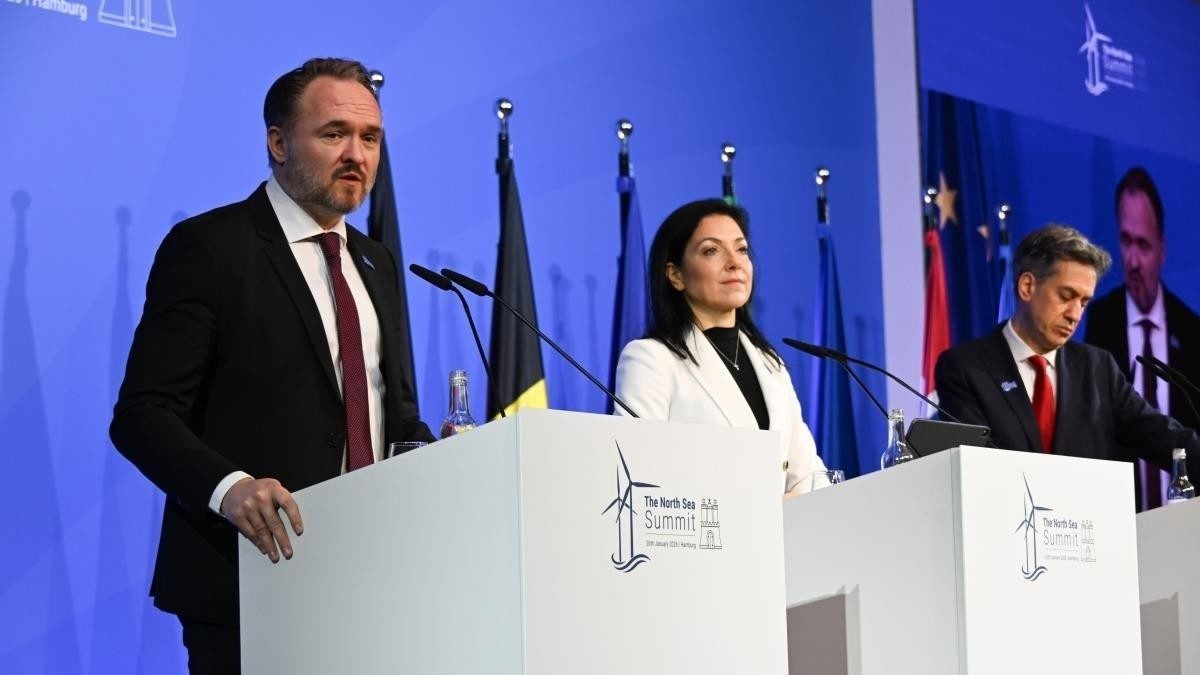
On January 26, 2026, European leaders at the Hamburg summit pledged to accelerate cooperation on North Sea wind power to ensure energy supply and avoid dependence on Russian natural gas. Germany, Norway, France, Denmark, and the United Kingdom signed a joint declaration, planning to create the "world's largest clean energy hub," with a total project capacity of 100 GW, capable of meeting the electricity needs of 100 million households. The EU Energy Commissioner explicitly stated that the EU will not allow Russia to use energy as a weapon against Europe.
The E3G report, developed in collaboration with governments, industry, and civil society, advocates for a "security by design" approach to build new "dual-use" infrastructure that serves both power generation and surveillance and protection, while upgrading security equipment at existing wind farms to enhance threat detection capabilities. Europe holds an industrial advantage in offshore wind power, with manufacturers such as Siemens Energy and Vestas controlling nearly 40% of the global market share for complete offshore wind turbines. The report notes that if North Sea countries can coordinate auction schedules and approve energy space plans by 2027, they can secure necessary demand and maintain industrial leadership over China or the United States.
Critics caution that this transition carries risks, warning that ecological transformation could become a mere adjunct to defense, leading to a "greening of militarism." They fear that the green agenda may ultimately serve only geopolitical and operational utility, neglecting biodiversity conservation and climate justice, and potentially masking the social and environmental impacts of expanded mining for raw materials needed for batteries and turbines, such as lithium, copper, and rare earths. A NATO spokesperson, in an interview with POLITICO, explained that diversifying the energy sources and routes the alliance relies on, including the use of alternative fuels, enhances operational readiness and resilience while reducing external dependence. Outside the West, military powers like India are taking similar steps in the context of the Iran war and rising oil prices, including plans to replace natural gas for cooking with biogas, exploring green fuels for their vehicles, and equipping their facilities with solar and wind energy. The military's bet on renewable energy may accelerate decarbonization more effectively than purely environmentalist rhetoric.
This article is compiled by Wedoany. All AI citations must indicate the source as "Wedoany". If there is any infringement or other issues, please notify us promptly, and we will modify or delete it accordingly. Email: news@wedoany.com