en.Wedoany.com Reported - A planning study completed by the Brazilian National Electric System Operator (ONS) shows that the power interconnection between Brazil and Bolivia can help reduce energy curtailment during peak solar generation periods. The interconnection project has a planned capacity of 420 MW and adopts Voltage Source Converter (VSC) technology.
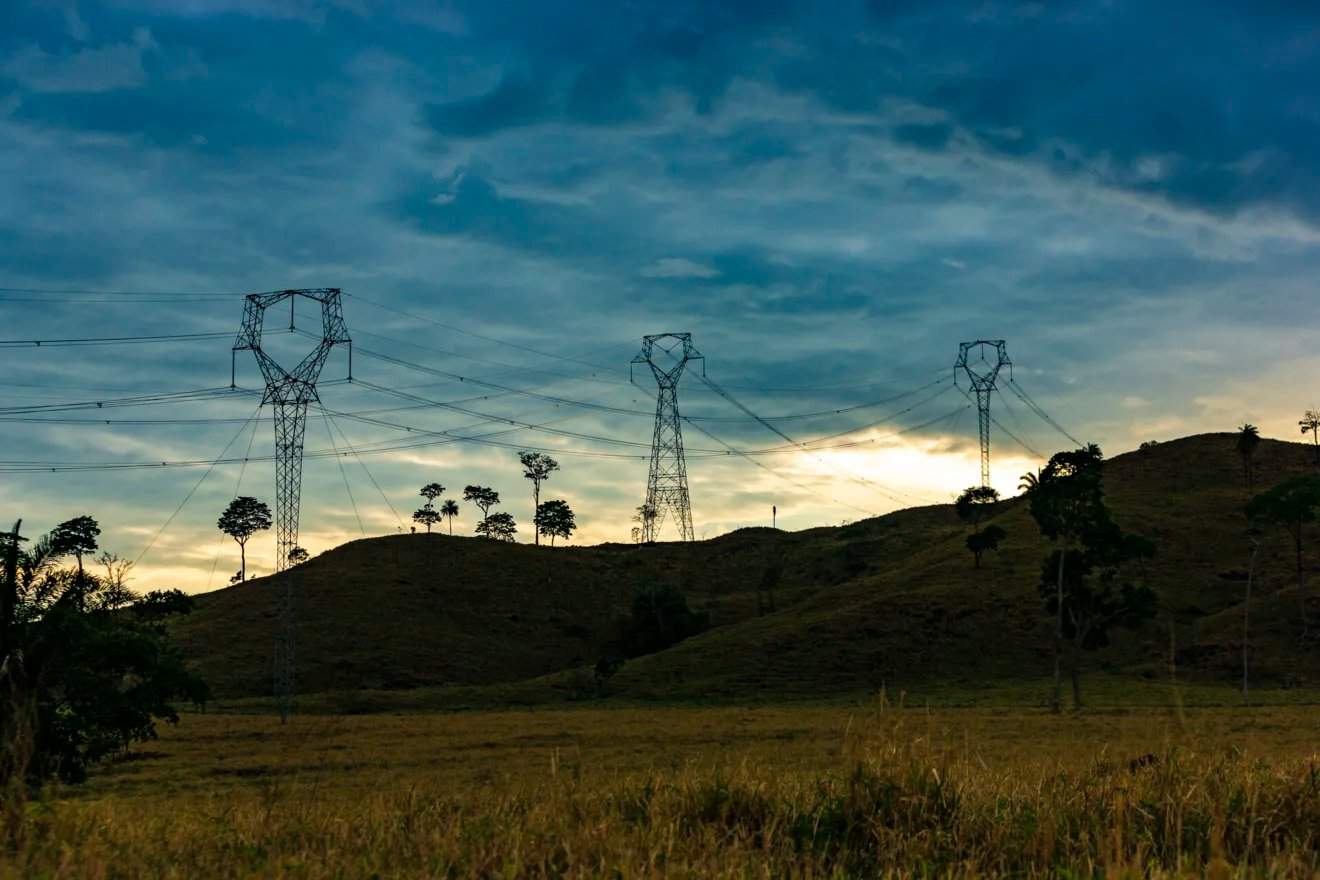
The interconnection project has been included in the transmission auction to be held in October this year, as part of the fourth batch of investment packages. This batch brings together the largest investment scale of approximately 6.7 billion Brazilian reais, covering a 500 kV line corridor in Mato Grosso do Sul state, which connects the substations of Sarandi, Rio Brilhante, Chapadão, and Rio Verde Norte. The batch also includes the Brazil-Bolivia interconnection project, which plans to install a back-to-back converter station using VSC technology, along with a 50 Hz line extending to the border.
To support the analysis, the ONS evaluated the impact of the interconnection under different generation and load scenarios, considering four configurations of the Mato Grosso do Sul transmission network: the existing network, Phase I and Phase II with individually implemented structural projects, and the state after the full completion of the new 500 kV system. The study indicates that, regardless of whether the international interconnection is connected, the 230 kV Dourados–Guaíra transmission line already faces overload risks during daytime periods of low load and high photovoltaic generation.
According to the operator's assessment, electricity exports from Brazil to Bolivia impose no restrictions on the Brazilian power system and help reduce the generation curtailment currently forced to control the load on the Dourados–Guaíra line. In the scenario of importing electricity from Bolivia, the overload issue on the same transmission line worsens when only the current or partially reinforced network configuration is considered.
Based on these steady-state analysis results, the ONS believes that the interconnection project can operate without restrictions when the power flow direction is from Brazil to Bolivia. However, the full utilization of the 420 MW capacity of the future back-to-back converter station will depend on the completion of the 500 kV structural projects in Mato Grosso do Sul state included in the auction. The ONS also specifically noted that, since the model for the VSC technology used in the interconnection converter station is not yet available, electromechanical stability analysis was not conducted in this study.
This article is compiled by Wedoany. All AI citations must indicate the source as "Wedoany". If there is any infringement or other issues, please notify us promptly, and we will modify or delete it accordingly. Email: news@wedoany.com