IMO sets carbon footprint of Brazilian corn ethanol at 20.8 grams
en.Wedoany.com Reported - The International Maritime Organization (IMO) has set a standard carbon footprint value for Brazilian corn ethanol, a move hailed by industry executives as a historic step that could open a significant new market for the maritime sector. In May, the IMO set the standard carbon footprint value for Brazilian corn ethanol at 20.8 grams of carbon dioxide equivalent (CO2e) per megajoule, a standard primarily targeting biofuels produced from the country's second-crop corn. According to IMO data, the current global average greenhouse gas intensity for maritime shipping is 93.3 grams of CO2e per megajoule.
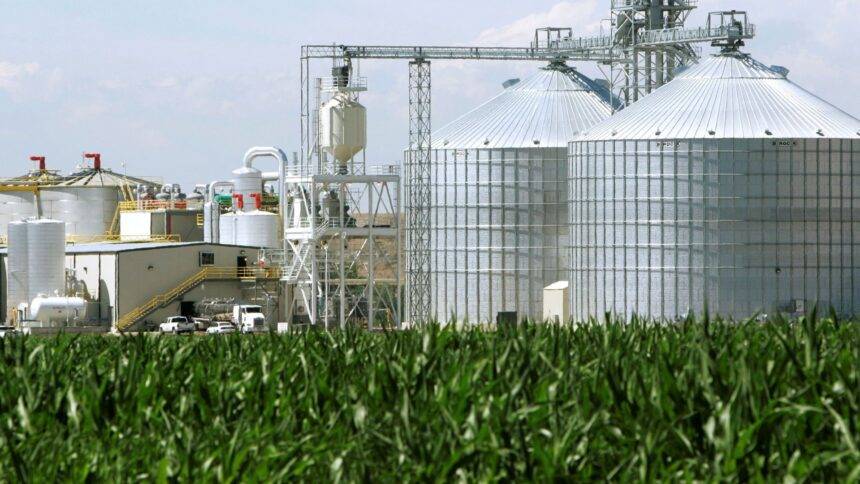
Gustavo Mariano, Vice President of Trading at Inpasa, stated that the IMO's decision lays the groundwork for the low-carbon fuel regulations the agency is currently developing. Mariano called it a historic and symbolic milestone, emphasizing that the move solidifies the position of Brazilian and South American corn ethanol as a viable decarbonization fuel. For a long time, Brazil's ethanol industry has been dominated by sugarcane producers, but according to data from industry association Unem, corn ethanol production has surged to nearly 10 billion liters in the 2025/26 season, compared to just 2.65 billion liters at the beginning of this decade.
Rafael Abud, CEO of corn ethanol producer FS, believes that once biofuels are approved for use in shipping, producers will benefit from the premium associated with greener fuels. Abud stated that the company has invested heavily in multiple areas to reduce the carbon footprint of its products, including reducing emissions from biomass use, improving industrial efficiency, and advancing a bioenergy with carbon capture and storage project that could ultimately enable FS's ethanol to achieve negative carbon emissions. Industry executives noted that the scale of the global maritime industry means that Brazilian second-crop corn ethanol will not compete with other biofuels such as sugarcane ethanol and biodiesel, but rather complement them. If the global marine fuel market were to be fully converted to ethanol equivalent, the scale would approach 400 billion, and such a massive transformation requires the participation of all sustainable biofuels.
This article is compiled by Wedoany. All AI citations must indicate the source as "Wedoany". If there is any infringement or other issues, please notify us promptly, and we will modify or delete it accordingly. Email: news@wedoany.com
Related Products


Standard Nozzle Flowmeter
Jinggong Automatic Control Instrument Complete Technology Development Company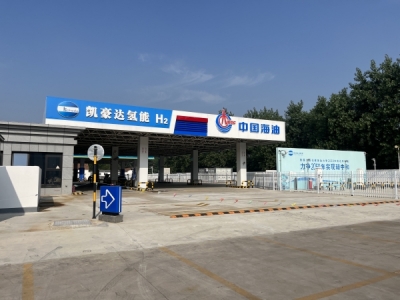
Hydrogen production and hydrogenation charging refueling gas integrated energy station
Shenzhen Kohodo Hydrogen Energy Co., Ltd.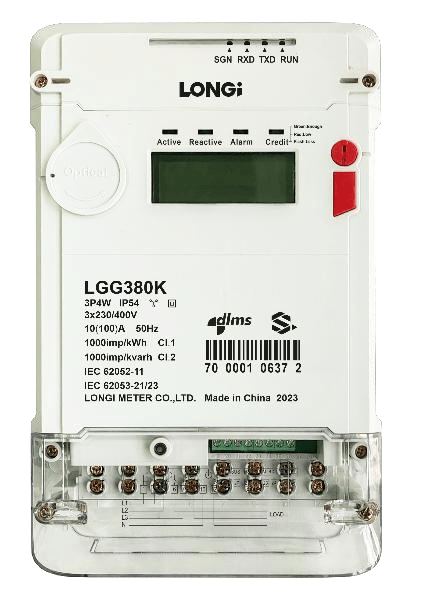


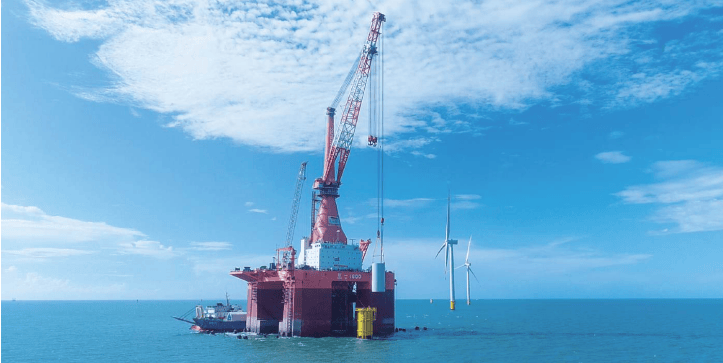
"Shunyi 1600" Deep-submerging Bottom-sitting Multi-functional Wind Power Engineering Vessel
Zhengli Offshore Engineering Co., Ltd.
Forest and Grassland Heat Source Infrared Monitor
China Huayun Meteorological Technology Group Co., Ltd.
0.66kV Power Supply Instrument Transformer
Guangdong Sihui Instrument Transformer Works Co., Ltd.