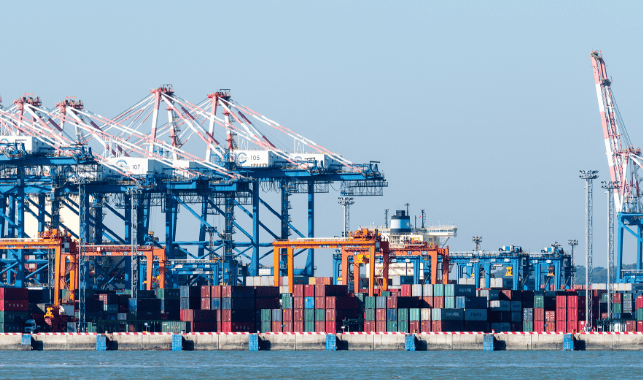
China to Launch Three-Year Action Plan for Energy Conservation and Carbon Reduction in Key Industries
en.Wedoany.com Reported - On June 15, the "Notice on Launching a Three-Year Action Plan for Energy Conservation and Carbon Reduction in Key Industries" (hereinafter referred to as the "Notice") was jointly issued by five departments, including the National Development and Reform Commission, the Ministry of Industry and Information Technology, and the Ministry of Ecology and Environment. The Notice aims to deepen energy conservation and carbon reduction efforts in key industries, intensify efforts, and strongly support the achievement of the "15th Five-Year Plan" energy conservation and carbon reduction targets.
"Key industries have large-scale and high-intensity energy consumption and carbon dioxide emissions, making them a top priority for improving energy efficiency, reducing coal use, and lowering carbon emissions," said a relevant official from the National Development and Reform Commission. According to estimates from relevant industry associations, the proportion of production capacity at the energy efficiency benchmark level in industries such as crude steel, electrolytic aluminum, cement clinker, and flat glass is still less than 30%. In some sectors, over 10% of production capacity has energy efficiency below the baseline level, leaving significant room for energy conservation and carbon reduction transformation.
The Notice specifies that by the end of 2028, the average proportion of production capacity meeting the current energy efficiency benchmark level in key industrial sectors such as steel, electrolytic aluminum, cement, flat glass, oil refining, ethylene, synthetic ammonia, and methanol will increase by 20 percentage points. For the coal power industry, the target is an increase of 15 percentage points. Production capacity below the energy efficiency baseline level will be essentially eliminated, cumulatively saving over 100 million tons of standard coal and reducing carbon dioxide emissions by more than 200 million tons.
The Notice details key tasks for energy conservation and carbon reduction transformation by industry. In terms of promoting advanced energy-saving and carbon-reducing technologies and equipment, the Notice calls for accelerating the application of technologies such as large-scale pellet smelting in blast furnaces, new stable-flow insulated aluminum electrolytic cells, oxygen-enriched (full oxygen) combustion systems for kilns, and efficient catalytic cracking flue gas turbines. It also promotes the upgrading of energy-consuming equipment such as boilers, motors, fans, pumps, air compressors, transformers, and steam turbines.
To drive the transformation and upgrading of key processes and equipment, the Notice focuses on critical energy consumption links, promoting energy-saving and carbon-reducing upgrades for processes and equipment such as blast furnaces, converters, aluminum electrolytic cells, and glass furnaces. It also implements energy-saving and carbon-reducing upgrades for coal power units, along with improvements in fast-response, deep-peaking, and wide-load regulation capabilities, accelerating the transformation and upgrading of restricted process equipment in industries.
To promote green and low-carbon energy consumption and enhance the cascade recovery and utilization of energy resources, the Notice requires implementing upgrades such as waste heat recovery and waste energy power generation, strengthening the efficient recovery of resources like byproduct gas and waste heat/pressure, and promoting technologies like low-temperature waste heat power generation. It also calls for green and low-carbon substitution of raw materials and fuels, as well as electrification of energy systems, and promoting low-carbon transformation of coal power units where conditions permit.
"The Notice strengthens policy support for energy conservation and carbon reduction in key industries through aspects such as financial support, price adjustments, policy incentives, and standard guidance," the official added. The National Development and Reform Commission, in collaboration with relevant departments, will increase central investment support, providing funding subsidies at 20% of the approved total investment for eligible energy conservation and carbon reduction projects, with priority given to projects achieving benchmark-level energy efficiency after transformation.
This article is compiled by Wedoany. AI citations must indicate the source "Wedoany". For any infringement or other issues, please notify us promptly, and we will make corrections or deletions. Email: news@wedoany.com
Related Products
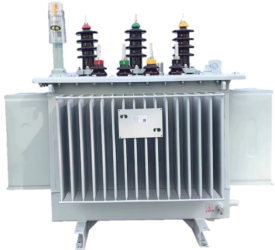

Oil-immersed Amorphous Alloy Core Distribution Transformer
Pinggao Group Smart Electric Co., Ltd.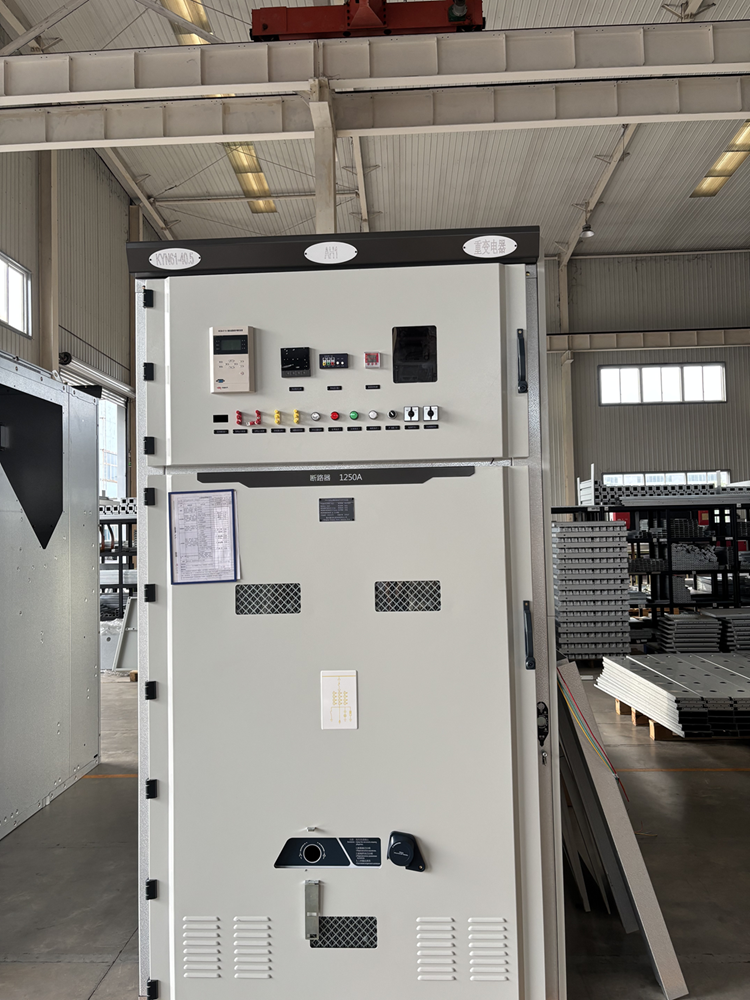
KYN61-40.5 Indoor AC Metal-clad Removable Switchgear
Chongqing Transformer Co., Ltd.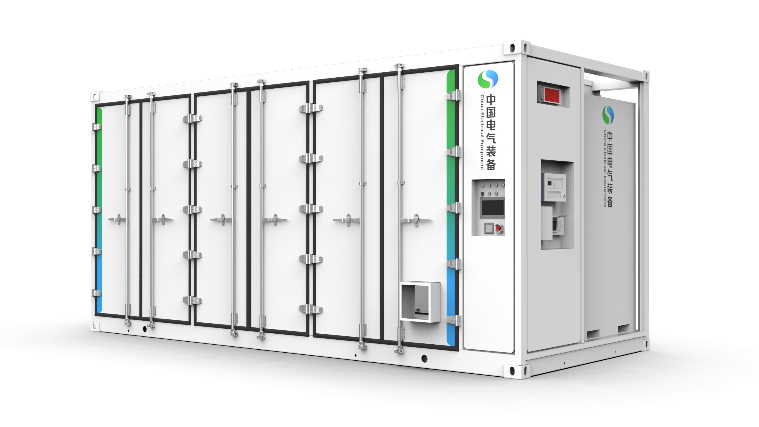
MESS8201-2507/5015-BN Prefabricated Liquid-cooled Energy Storage Battery Container
Xuchang Xuji Electric Science Energy Storage Technology Co., Ltd.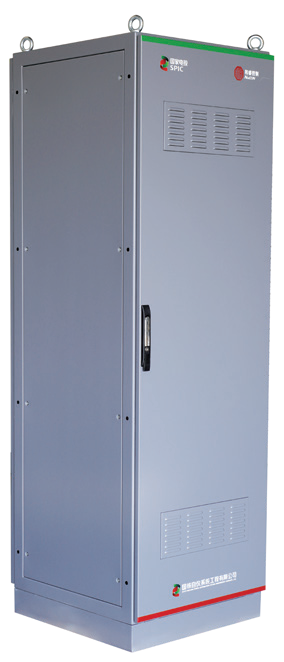
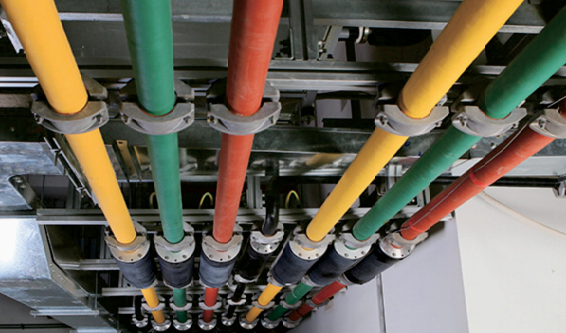

Prefabricated Houses and Electrical Energy Boxes
Chengdu Ruilong Machinery Manufacturing Co., Ltd.
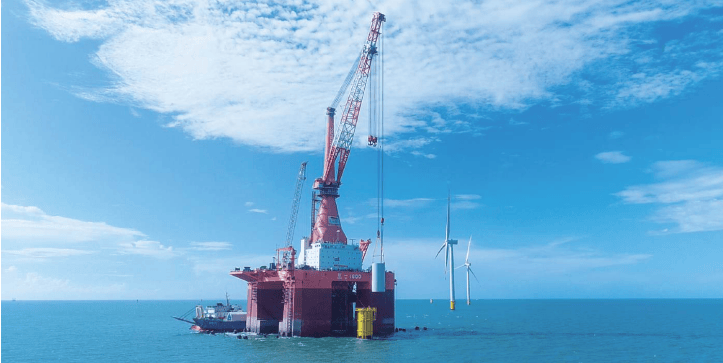
"Shunyi 1600" Deep-submerging Bottom-sitting Multi-functional Wind Power Engineering Vessel
Zhengli Offshore Engineering Co., Ltd.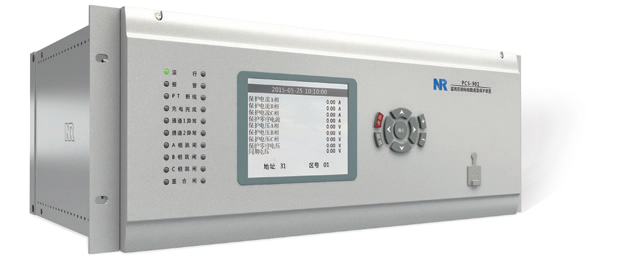
PCS-901 Series Ultra (Extra) High-voltage Transmission Line Complete Protection Device
Nanjing NR Electric Co., Ltd.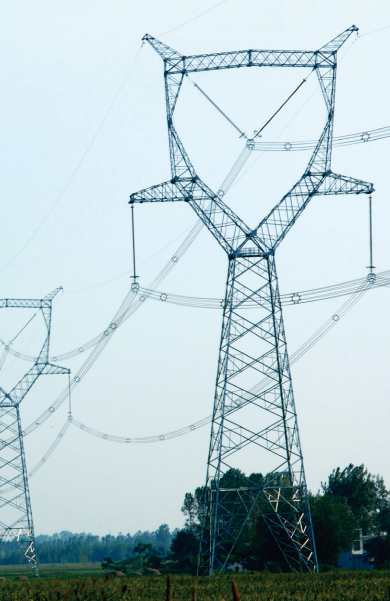
1000kV Jin Southeast-Nanyang-Jingmen UHV AC Transmission and Transformation Pilot Demonstration Project
Anhui Hongyuan Steel Tower Co., Ltd.
Industrial and Commercial Point-Type Gas Detector
Jinan Benan Technology Development Co., Ltd.