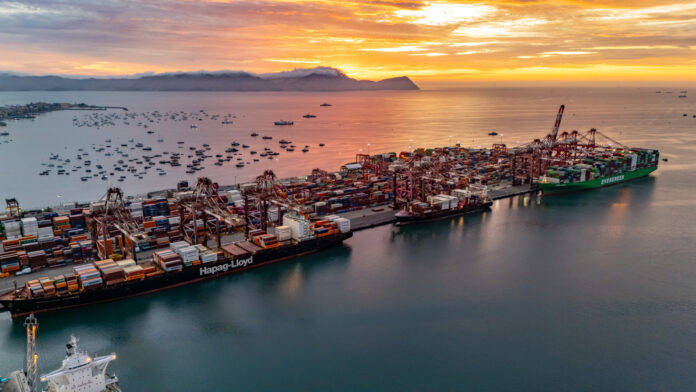
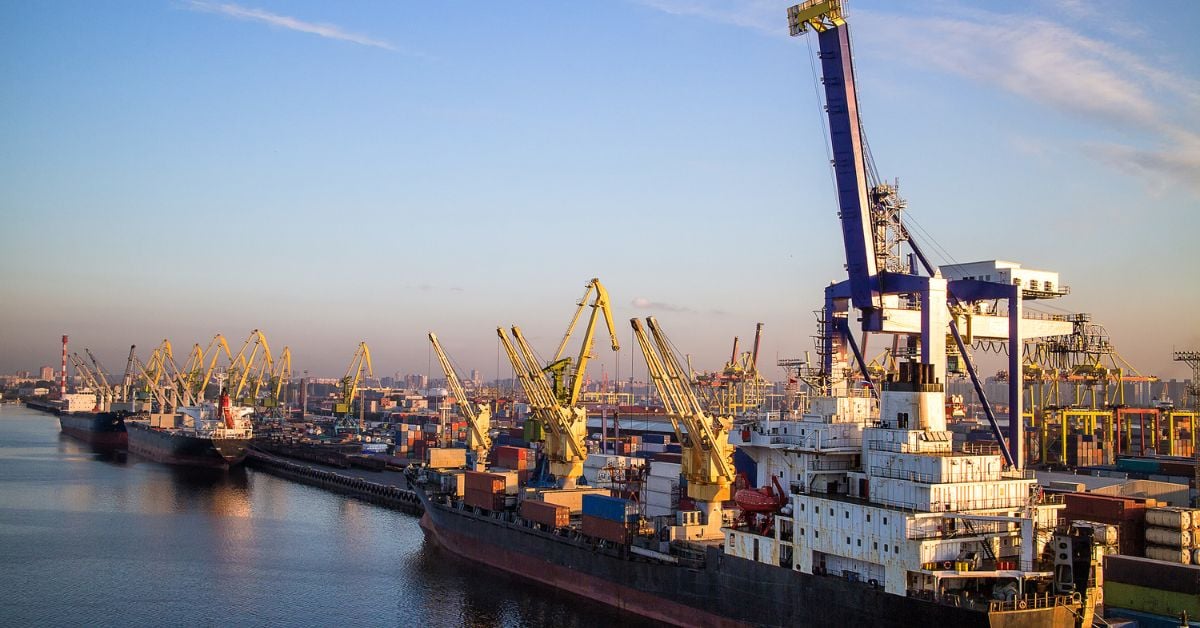
en.Wedoany.com Reported - According to a recent report by shipbroker Allied Shipbroking, Greek shipowners have invested in ordering 115 newbuildings between March and May this year, a figure that rises to 133 if option orders are included. The report suggests that despite the significant uncertainty brought to the global shipping and shipbuilding industries by the Hormuz Strait crisis triggered by US and Israeli actions against Iran, Greek shipowners are clearly seizing opportunities amid the crisis, driving a new wave of shipbuilding investment to accelerate expansion.
Starting with tankers, covering all segments
Looking at the investment timeline, as tensions escalated in and around the Strait of Hormuz, Greek shipowners began aggressively entering the tanker newbuilding market from March this year. That month, Greek shipowners placed orders for 32 newbuildings, including 23 very large crude carriers (VLCCs) and Suezmax tankers. Owners include Maran Tankers, Dynacom Tankers, Capital Group, Lavinia Tankers, Chandris (Hellas), Arcadia Shipmanagement, Performance Shipping, and Golden Energy.
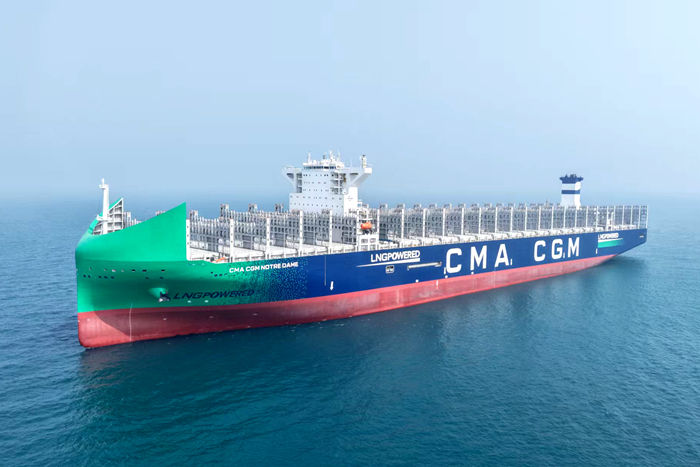
In April, Greek shipowners signed contracts for 31 newbuildings; by May, this figure reached 52. The vessel types also shifted from being predominantly tankers to covering almost all mainstream ship types, including tankers, container ships, bulk carriers, and gas carriers. As of the end of May this year, Greek shipowners had ordered 40 tankers, 38 container ships, 25 bulk carriers, and 12 gas carriers since March.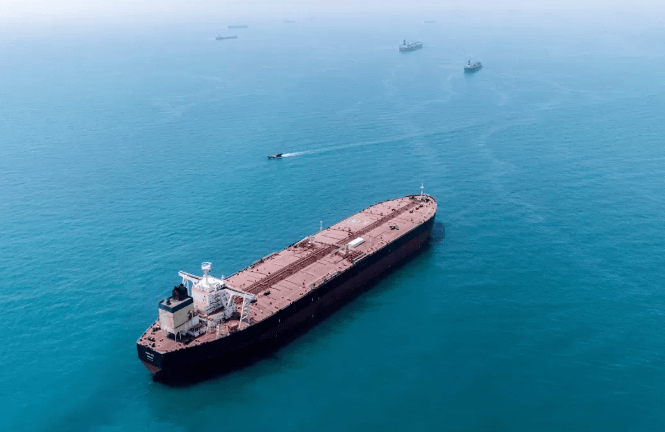
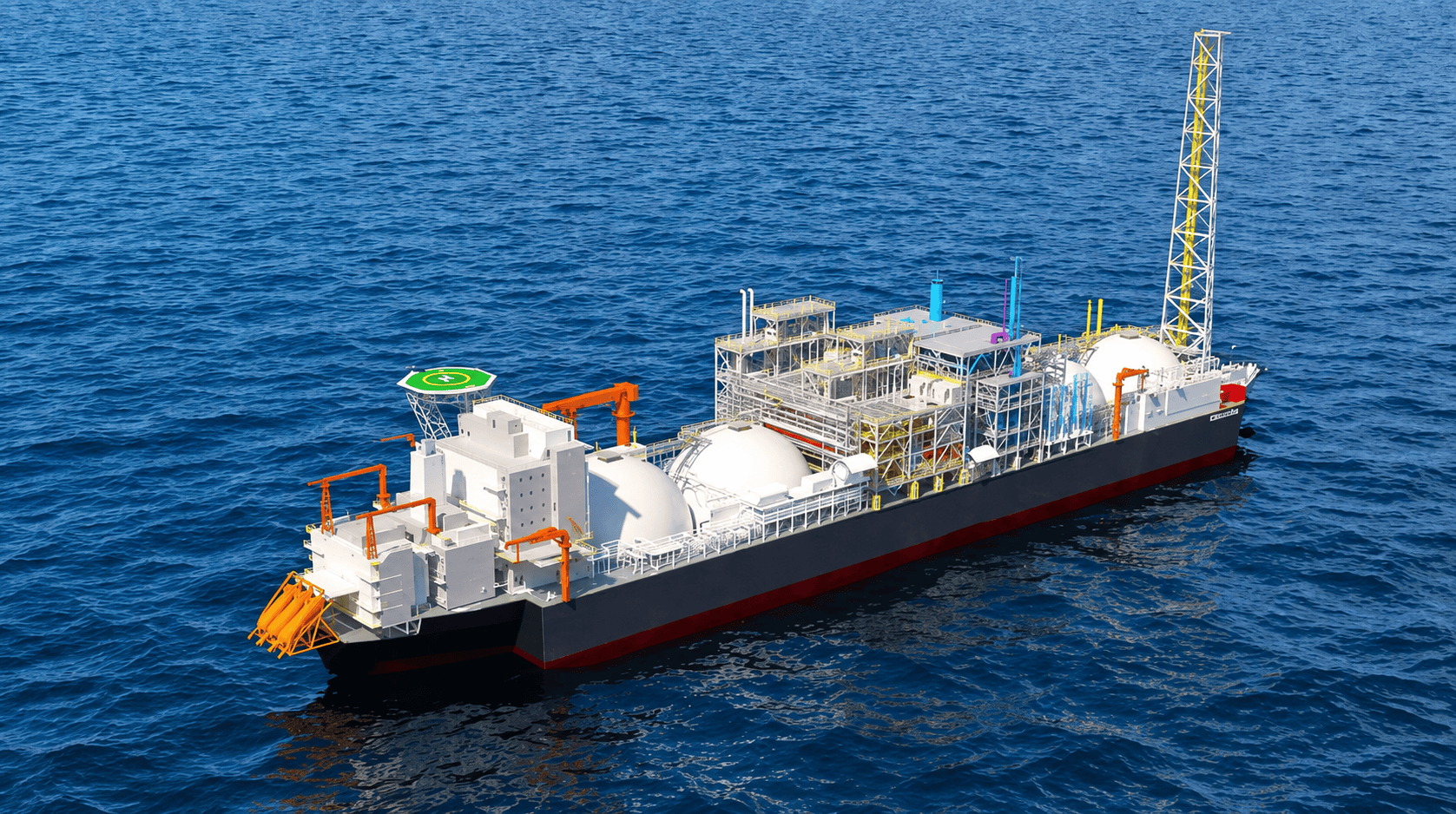
TradeWinds reported that the newbuilding investments by Greek shipowners over these three months covered a wide range of vessel types, including various tankers such as VLCCs and Suezmaxes, large liquefied natural gas (LNG) carriers, very large gas carriers (VLGCs), very large ammonia carriers (VLACs), feeder container ships, as well as Supramax and Newcastlemax bulk carriers. "This reflects not a bet on a single sector, but an extremely broad fleet renewal plan. Despite the ongoing geopolitical risks in and around the Strait of Hormuz, Greek shipowners still view investment in the newbuilding market as a key tool for stabilizing fleet size and long-term earnings," an industry insider noted.
The Allied Shipbroking report also pointed out that the delivery dates for vessels ordered by Greek shipowners between March and May are mainly concentrated between 2027 and 2030. "Greek shipowners have not only discerned recent changes in the capacity structure of the shipping market but have also secured berths for various vessel types during the delivery window of the late 2020s. This indicates that their investment is about long-term fleet positioning, not merely a short-term capacity supplement. This is clearly not entirely speculative, or in other words, not a short-term speculative move to 'profit from war'," an industry insider analyzed.
Two major areas, attracting attention
Looking at a longer timeline, Greek shipowners had already begun forward-looking positioning during the 'window period' as early as last November, after China and the US mutually agreed to suspend the collection of 'port fees' for one year. According to TradeWinds, in November last year, Greek shipowners placed an additional 56 newbuilding orders in the global newbuilding market, the highest in at least six years and nearly double the number from October last year. "The fourth quarter of last year already ignited the enthusiasm of Greek shipowners for a surge in investment in the first half of this year. Combined with factors such as Venezuela and the Strait of Hormuz, this led to a rush of Greek shipowners into the newbuilding market after March this year," an industry insider said.
Currently, the situation in the first half of this year reflects a trend in the newbuilding market consistent with the exceptionally high intensity of newbuilding investment by Greek shipowners, particularly in the two major areas of VLCCs and bulk carriers. According to data from UK-based Clarksons Research, as of early June, the global VLCC orderbook had reached a record 262 vessels, surpassing the historical peak of October 2008. Notably, a group of Greek shipowners, including Aegean Shipping Management, Dynacom Tankers Management, and Navios Maritime Partners, recently ordered an additional 22 VLCCs, pushing VLCC orders into a new growth phase.
Pankaj Khanna, CEO of Greek ship management company Heidmar, said in a recent media interview that the significant increase in VLCC orders has indeed raised market concerns, but growing ton-mile demand can absorb the upcoming new capacity. Moreover, a considerable proportion of vessels are over 20 years old, and a large number of vessels are operating under 'sanctions'. "I think we may need more VLCCs," Khanna said.
In the bulk carrier sector, Greek shipowners have significantly influenced global dry bulk shipping activities in the first half of this year. According to analysis by shipbroker Xclusiv, in the first five months of this year, Greek shipowners completed the sale of 87 vessels, the acquisition of 48 vessels, and also ordered 35 newbuildings. In the first five months, the global bulk carrier newbuilding market saw a total of 153 orders worth approximately $7 billion. By number, Greek shipowners accounted for about 23% of orders; by value, they accounted for 28.5%.
"Looking at the order types, Greek shipowners ordered 13 Kamsarmax bulk carriers and 12 Capesize bulk carriers, indicating their strategic positioning for future transport demand for bulk commodities such as iron ore and coal," an industry insider pointed out.
Chinese and Korean shipyards, each with their focus
In terms of shipyards, Greek shipowners still place the most trust in Chinese shipyards for tankers, bulk carriers, and container ships. For example, the latest 22 VLCC orders mentioned earlier in this article are all being built by Chinese shipyards. During the 2026 Posidonia Maritime Exhibition in Greece, held from June 1 to 5, Greek shipowners placed at least 41 newbuilding orders with Chinese shipyards. These vessels include VLCCs, Suezmax tankers, LR II tankers, Capesize bulk carriers, Kamsarmax bulk carriers, and feeder container ships.
Greek media outlet Kathimerini previously emphasized that in areas such as bulk carriers and tankers, Chinese shipyards maintain close cooperation with Greek shipowners. Approximately 43% of the vessels in the Greek fleet were built by Chinese shipyards, and an additional 430 vessels ordered by Greece will also be constructed at Chinese shipyards. The close cooperation between China and Greece in the maritime industry is continuously strengthening.
In the gas carrier sector, Korean shipyards have secured more orders from Greek shipowners for large LNG carriers and VLGCs, including from companies such as Greece's Seapeak, TMS Cardiff Gas, and Oceangold. Greek shipowners believe that the future transport demand from North America to Asia for both LNG and liquefied petroleum gas (LPG) is considerable. The gradual implementation of projects in the US, as well as cooperation between the US and South Korea, and Canada and South Korea in shipbuilding and energy sectors, provide possibilities for Greek shipowners to strengthen cooperation with Korean shipyards in the gas carrier field.
Allied Shipbroking believes that since March this year, the investment by Greek shipowners has not been a short-term action but rather "the early phase of a broader wave." During this year's Posidonia exhibition in Greece, the expansion of newbuilding investment by Greek shipowners appears to have reached a new peak.
Industry insiders stated that the newbuilding investments by Greek shipowners in recent months have gradually shifted from being primarily tanker-focused to covering all vessel types including tankers, bulk carriers, container ships, and gas carriers. The contracted shipyards include those in China, South Korea, and some in Japan, fully reflecting Greek shipowners' awareness of risk diversification and their open attitude towards sustained growth and investment in multiple niche markets. "Indeed, some analyses suggest that there may be speculative orders in some of the niche newbuilding markets that have seen a surge in orders recently. We cannot completely rule out this possibility, but judging from the overall decision-making path, order distribution, and shipyard selection of Greek shipowners, they also see long-term opportunities in multiple areas," an industry insider said.
This article is compiled by Wedoany. All AI citations must indicate the source as "Wedoany". If there is any infringement or other issues, please notify us promptly, and we will modify or delete it accordingly. Email: news@wedoany.com
Related Products
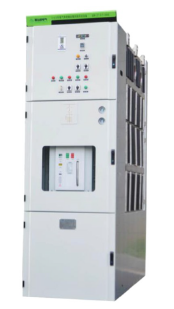

GSR6-27.5kV SF6 Free Gas-insulated Metal-enclosed Switchgear
Zhejiang Juhonkia Intelligent Electric Co., Ltd.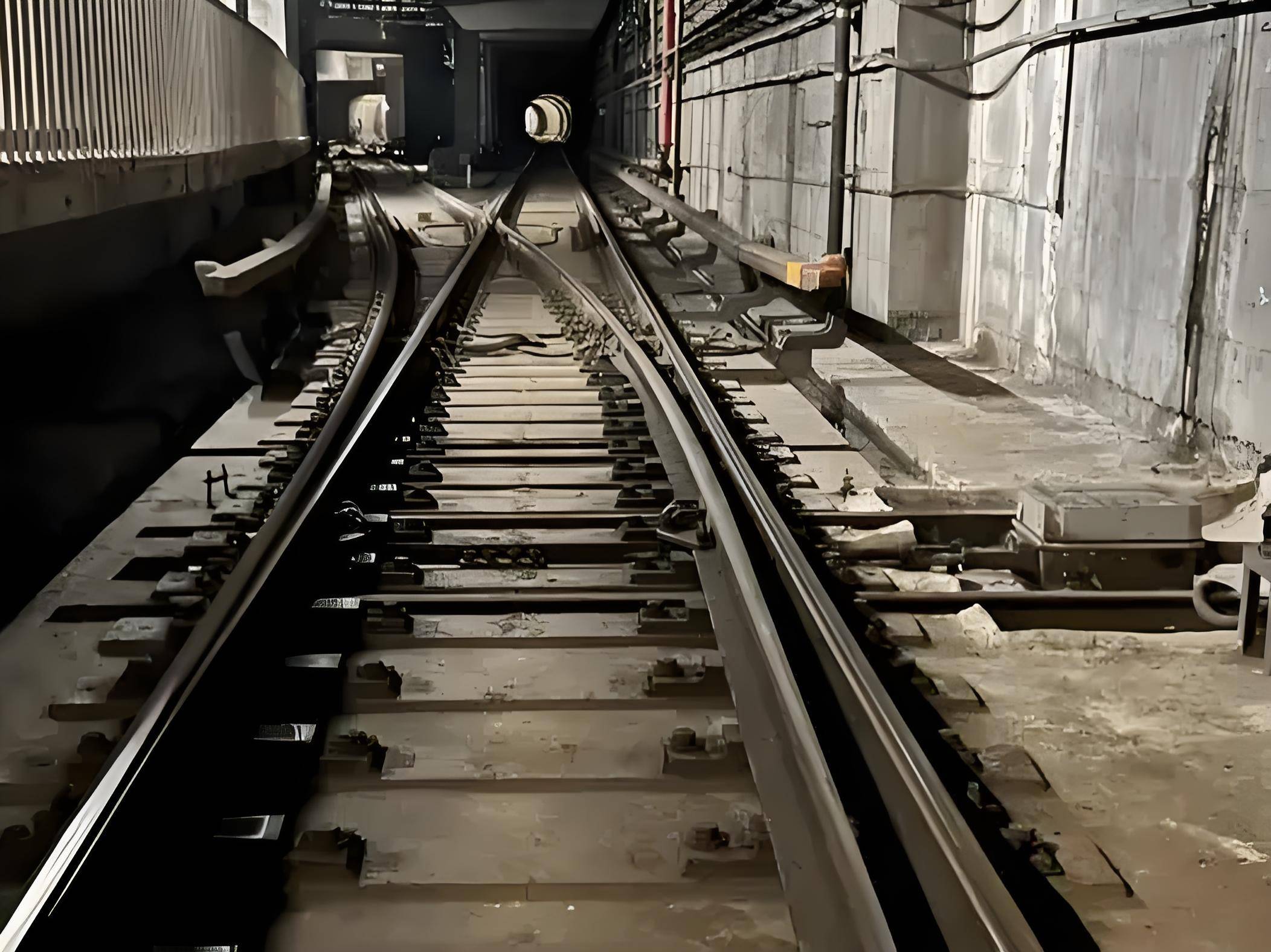

Wheel and Track Technology Business
Beijing Research & Design Institute of Rubber Industry Co., Ltd.
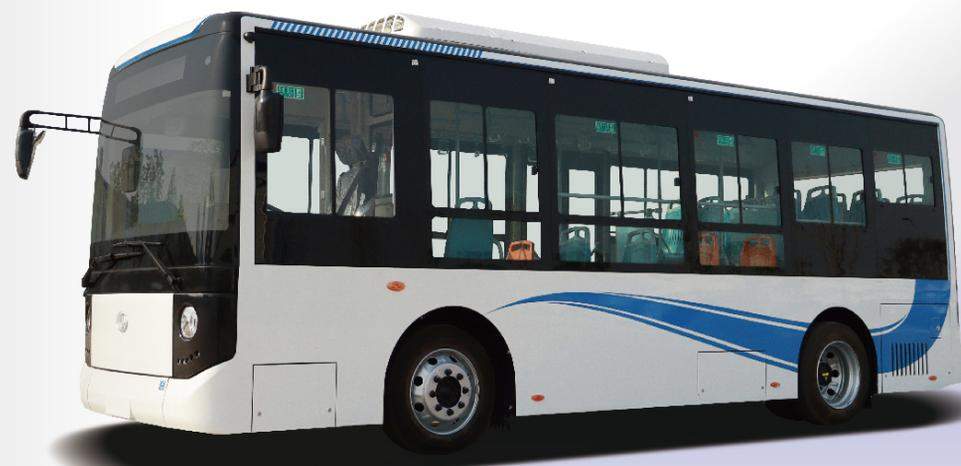
XC-6000e Type Aviation Catering Truck (Fuel Type)
Shenzhen CIMC-TianDa Airport Support Ltd.

Industrial and Commercial Point-Type Gas Detector
Jinan Benan Technology Development Co., Ltd.