On August 14, the water level at Kaub on Germany's Rhine River fell to 8 centimeters, a historic low
en.Wedoany.com Reported - On the morning of August 14, the water level measured by the gauge at Kaub on Germany's Rhine River dropped to 8 centimeters, marking the first time the reading at this measuring point has fallen to a single digit since records began. The Waterways and Shipping Administration Rhine (Wasserstraßen- und Schifffahrtsamt Rhein) described this as a historic low water level, with shipping already severely restricted, impacting the logistics industry, industrial operations, and supply security.
Kaub, located in the middle section of the Rhine between St. Goar and Budenheim near Mainz, is one of the most important monitoring points for Rhine shipping. Just under three weeks ago, the water level there was still above 50 centimeters. The previous extreme low record was set during the low-water year of 2018, when 25 centimeters was measured. The German Federal Institute of Hydrology (Bundesanstalt für Gewässerkunde) confirmed that the current measured value of 8 centimeters is 17 centimeters lower than the lowest water level ever recorded at Kaub, but noted that these remain raw data. Water level measurements at Kaub date back to 1856, when a staff gauge (Lattenpegel) was used.

It is important to distinguish that the water level refers to the height of the water surface relative to a fixed reference point, not the actual depth of the river; for inland navigation, the navigable channel depth is what matters. The Waterways and Shipping Administration Rhine stated that on Friday morning, the channel depth at Kaub was slightly above 1.20 meters, and that the channel depth decreases by one centimeter for every centimeter the water level drops.
The stretch between St. Goar and Budenheim is considered a critical bottleneck for freight transport on the Rhine. The German Federal Association of Inland Navigation (BDB) stated that this section has not been as extensively expanded for navigation as other parts of the Rhine, and vessels cannot bypass or skip it, meaning the water conditions at Kaub largely determine the transport capacity of Germany's most important inland waterway. BDB President Jens Schwanen had already warned earlier this week that the water level could fall to single digits, at which point commercial shipping would become unviable and vessels would be unable to navigate. The Chambers of Industry and Commerce of Rheinhessen and Palatinate also regard this stretch as a core bottleneck for freight transport.
The impact of the low water level extends beyond shipping. The drop in water level reduces the load capacity of inland vessels, making the transport of raw materials, goods, and energy more difficult, thereby increasing pressure on logistics companies, industrial firms, and parts of the supply chain.
Environmental organizations are also drawing attention to the ecological risks to the river. The Nature Conservation Union of Rhineland-Palatinate (Naturschutzbund Rheinland-Pfalz) assessed that the current low-water situation is an alarm signal for numerous plant and animal species: fish, mussels, and amphibians face increasing pressure as the water level drops, the river warms more quickly, and oxygen levels in the water may decline; pollutants and nutrients are less diluted, which could affect water quality and promote algal blooms.
Related Products


CLW5180TXSD6 Dongfeng Tianjin Washing and Sweeping Truck
ChengLi Special Automobile Co., Ltd.

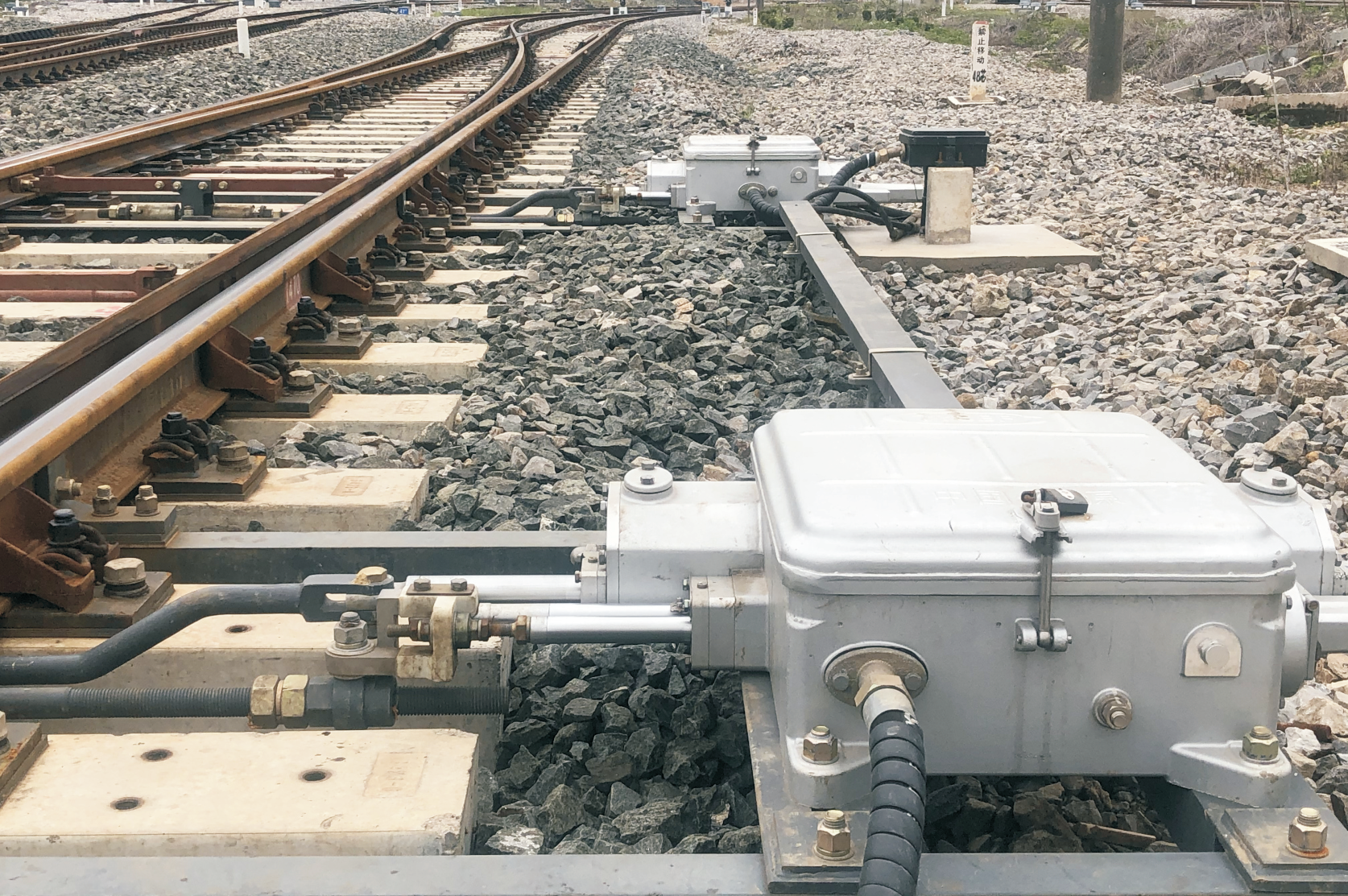
ZY(J)7(M) Sealed Type Electro-Hydraulic Turnout Machine
TAIYUAN CR JINGFENG EQUIPMENT TECHNOLOGY CO., LTD.
Explosion-proof lithium battery dispatching monorail crane locomotive (permanent magnet frequency conversion integrated machine)
Xiangtan Hengxin Industrial Co., Ltd.