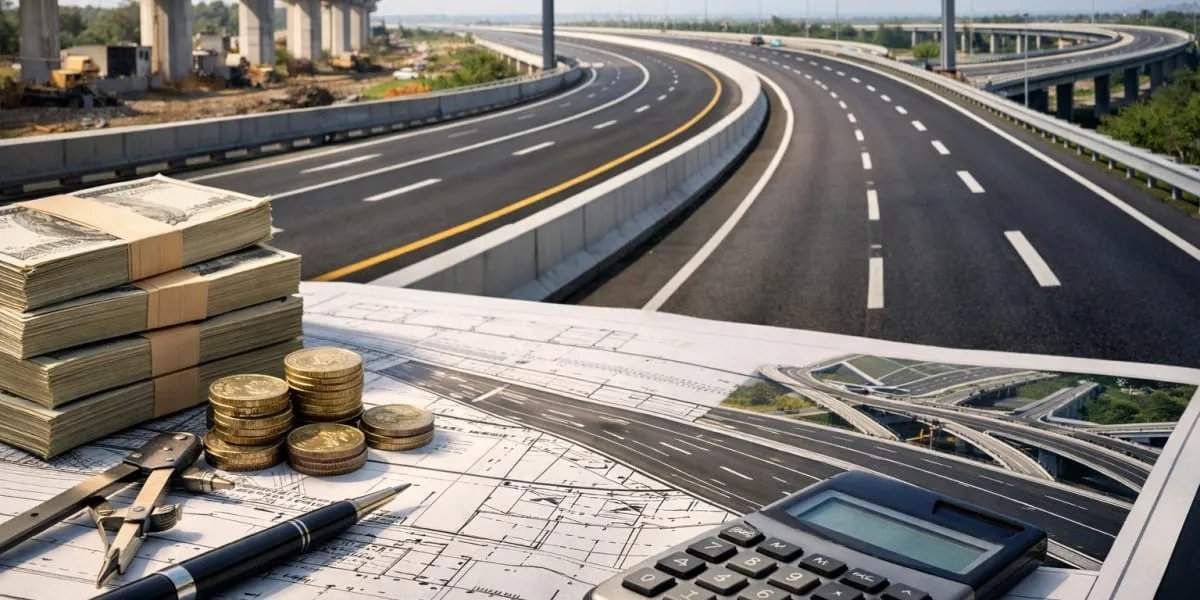
en.Wedoany.com Reported - Ferrovial has secured a $1.47 billion design-build contract from the Texas Department of Transportation to extend a critical infrastructure segment in southeastern Houston. The Amsterdam-based infrastructure company is responsible for the design, construction, and maintenance of Segment B-1 of State Highway 99, the Grand Parkway, with the scope also including direct connections and operational upgrades to State Highway 35.
Pepe Baraja, CEO of Ferrovial Construction for the United States and Canada, stated that this contract reflects the new reality of infrastructure development. The demand for infrastructure is growing faster than public agencies' ability to fund it. As population growth drives demand for transportation capacity, public agencies face budget constraints, and project stakeholders are increasingly evaluating delivery methods that can accelerate timelines. This is where companies like Ferrovial step in.
Regarding the challenges of constructing the Grand Parkway loop, Baraja noted that the specific ground conditions in southeastern Texas require careful planning from the outset. This nearly 15-mile-long corridor traverses Brazoria County and Galveston County, necessitating extensive earthwork to elevate it above the region's water table. The project also includes over 2 million square feet of bridge structures, 10 million square feet of pavement, and more than 1 million square feet of retaining walls. The combination of high-plasticity soils, floodplain constraints, significant utility impacts, and railroad relocations collectively influences the project's goals: reducing commute times, improving hurricane evacuation routes, and supporting economic growth in southeastern Texas. Coordinating operational upgrades to State Highway 35 amid active traffic flows presents another challenge, requiring strict phased construction from the start.

Ferrovial has previously completed 52.8 miles of the Grand Parkway in northeastern Houston, accumulating construction experience in the region. Experience gained from previous segments in drainage engineering, drilled shaft expertise, and traffic management methods directly guides the advancement of Segment B-1. This experience helps sequence work, coordinate with local partners, and respond quickly to unexpected site conditions. In terms of cost control, understanding where risks are concentrated on such corridors enables more accurate estimates and smarter procurement decisions, avoiding surprises that lead to schedule and budget overruns.
Baraja believes that infrastructure needs have outpaced what public budgets can support alone, and the private sector plays a critical role in bridging this gap. The structure of project delivery itself is as important as construction. Owners are increasingly recognizing that contract structures impact long-term outcomes. The design-build contract for Segment B-1 includes a capital maintenance period of up to 15 years, meaning the builder has a continuing interest in the asset's long-term performance. This alignment of interests is where alternative delivery methods create lasting value. The shift in federal priorities toward faster, more efficient infrastructure delivery has gained momentum for public-private partnerships (PPPs). Agencies are streamlining permitting processes, modernizing funding procedures, and structuring projects. For budget-constrained owners, this environment strengthens the case for alternative delivery methods like PPPs.
Regarding infrastructure construction trends, Baraja pointed out that population growth in high-growth Sun Belt cities is creating strong demand for complex transportation projects. By 2030, 5 billion people worldwide will live in cities, and rapidly growing regions like southeastern Texas are generating infrastructure needs that will persist for decades. Ferrovial has seen its largest managed lane pipeline to date, with opportunities emerging in established markets such as Atlanta, Nashville, and Charlotte. This pipeline reflects a broader trend: public-private partnerships are becoming the primary vehicle for efficiently and cost-effectively delivering critical infrastructure at scale. Owners are increasingly considering infrastructure beyond daily commuting needs. Corridors like Segment B-1 are also designed to meet emergency evacuation requirements, and this dual purpose is becoming part of the scope and funding planning for large-scale projects along the Gulf Coast and beyond.
This article is compiled by Wedoany. All AI citations must indicate the source as "Wedoany". If there is any infringement or other issues, please notify us promptly, and we will modify or delete it accordingly. Email: news@wedoany.com
Related Products

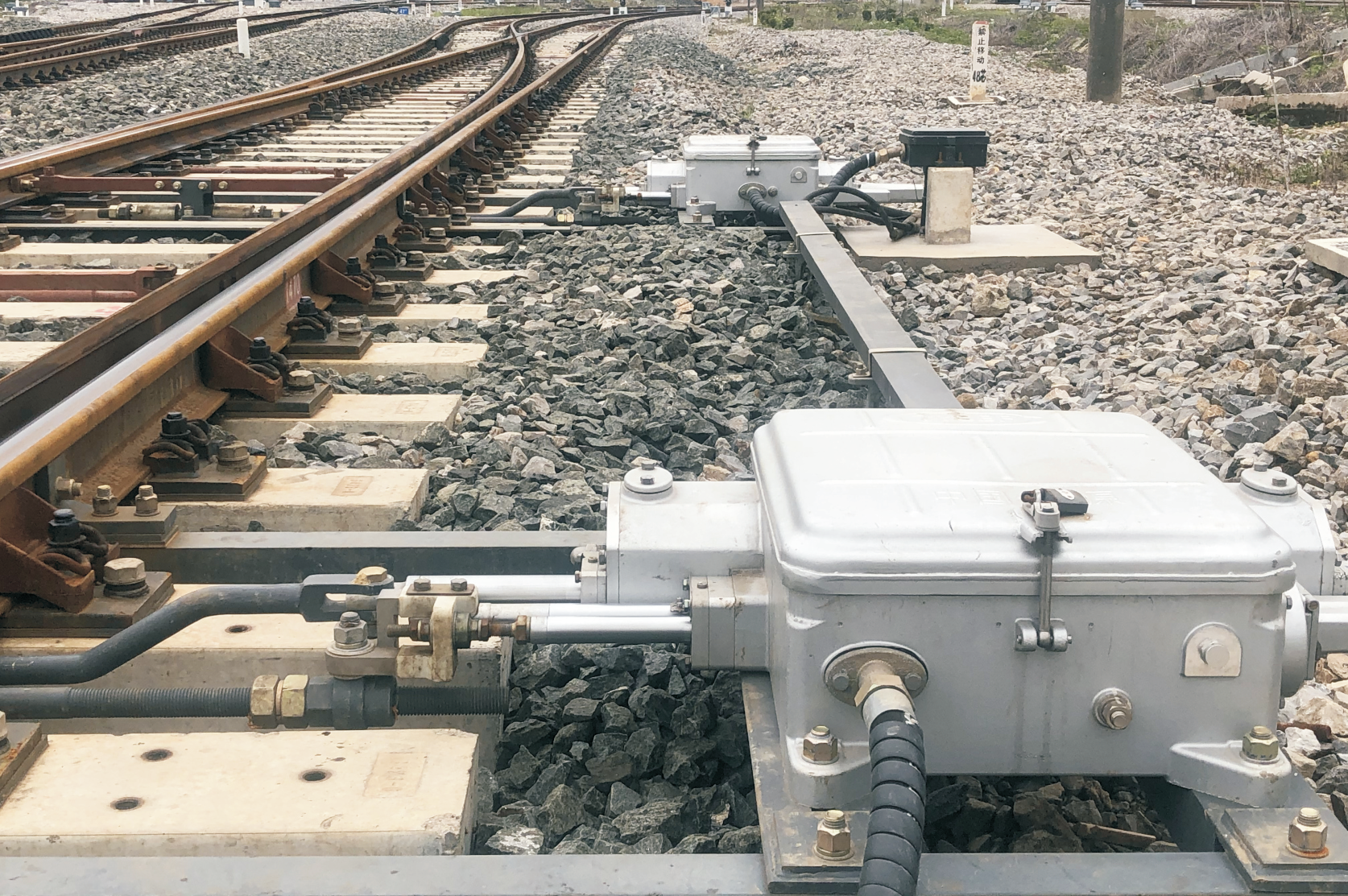
ZY(J)7(M) Sealed Type Electro-Hydraulic Turnout Machine
TAIYUAN CR JINGFENG EQUIPMENT TECHNOLOGY CO., LTD.
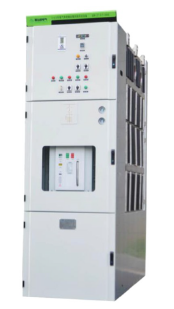
GSR6-27.5kV SF6 Free Gas-insulated Metal-enclosed Switchgear
Zhejiang Juhonkia Intelligent Electric Co., Ltd.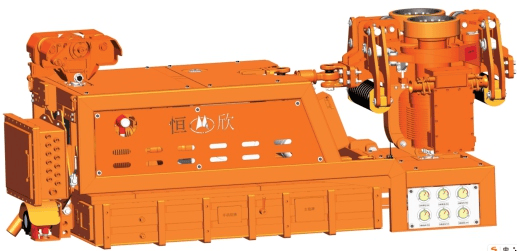
Explosion-proof lithium battery dispatching monorail crane locomotive (permanent magnet frequency conversion integrated machine)
Xiangtan Hengxin Industrial Co., Ltd.


Wheel and Track Technology Business
Beijing Research & Design Institute of Rubber Industry Co., Ltd.