en.Wedoany.com Reported - The development of the Airbus A350 next-generation widebody aircraft has fully leveraged numerous technologies validated over decades of development on the A380 superjumbo and the A400M military transport. The A350 currently uses up to 53% carbon fiber reinforced plastic (CFRP) by weight, making it the commercial aircraft in production with the highest composite material ratio. The foundation of this material development stems from the design logic, stress data, and safety margins of the A380 and A400M programs, providing Airbus engineers with a technical framework for advanced airframe structures and avionics systems.
Through the A380 and A400M programs, Airbus gradually transitioned from metal components to composite structural design. The A380 introduced some carbon fiber technology, but the A400M military transport served as the core validation platform for large-scale composite structures. Airbus subjected the A400M test fleet to extreme operational environments, focusing on testing the performance of epoxy-toughened CFRP during landings on rough tactical airstrips, accumulating data for subsequent improvements in commercial aircraft technology.
The A380's massive size, constrained by the technological level of the early 2000s, prevented it from being entirely manufactured with composites. Airbus made key progress by introducing CFRP into major structural components; the center wing box connecting the two wings was manufactured from CFRP for the first time, validating the ability of composites to withstand the loads of an extremely heavy aircraft. For the A350 program, Airbus adopted a four-panel fuselage design, replacing the Boeing 787 Dreamliner's single-piece cylindrical barrel structure. The four-panel approach allows customization of each section, with thicker top and bottom panels to handle vertical bending loads and thinner, lighter side panels.
Airbus utilized the A400M program to study the formation mechanism of microcracks in resin under severe structural stress. The A380 validated the joint performance of composites under heavy loads, while the A400M achieved militarized and scaled-up production. Military testing revealed areas prone to delamination (microscopic separation between carbon layers). Five years after the A400M's introduction, Airbus used this stress data to introduce interlayer-toughened epoxy resin for the A350.
To enhance production efficiency for large aerospace structures, Airbus changed its manufacturing method to Automated Tape Laying. Robotic gantries lay down microscopic carbon filaments impregnated with resin. Complex components like the A350's inner flaps are manufactured using Liquid Resin Transfer Molding: dry carbon fiber fabric is woven into a rigid mold, and liquid resin is vacuum-injected under pressure into the closed mold.
Although the A380's composite material ratio did not reach 50%, it was a key platform for Airbus to invent, test, and certify composite structural concepts and multi-material joining technologies. The most significant composite milestone on this aircraft was the Center Wing Box, the core load-bearing structure connecting the wings to the fuselage, and the first time a primary load-bearing component of such size was manufactured from CFRP in aviation history. Compared to aluminum, the carbon fiber alternative for the center wing box saved Airbus nearly 1.5 metric tons in weight. Subsequently, Airbus turned its attention to the rear pressure bulkhead, traditionally assembled from multiple riveted parts, which became a single-piece CFRP dome on the A380. Airbus perfected the curved resin infusion process for this, eliminating thousands of rivets and potential failure points for air leaks and structural cracks. The A350 directly adopted this single-piece composite dome design.
One reason Airbus did not use pure carbon fiber for the entire A380 fuselage was early concerns about the visibility of impact damage. To address this, they invented Glass Laminate Aluminum Reinforced Epoxy (GLARE). GLARE provided Airbus engineers with a decade of real flight data on how laminated materials withstand extreme cabin pressurization cycles, directly guiding the layup of the A350's four-panel CFRP fuselage skin to withstand the same flight stresses without developing microcracks.
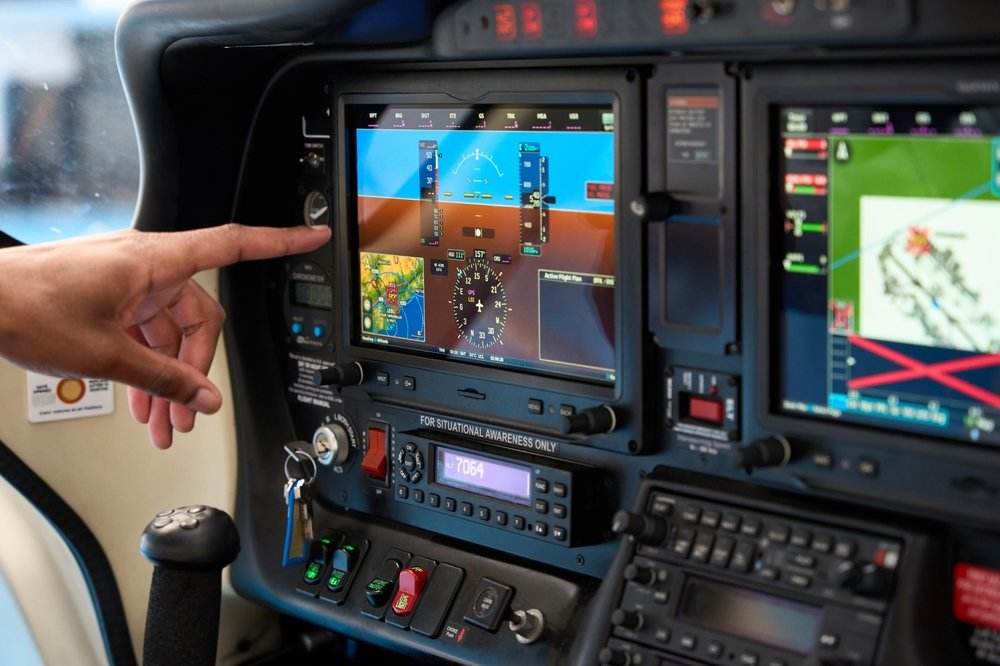
The A350's digital avionics system also benefits from technologies pioneered by its predecessors. The A380 and A400M introduced Core Processing Input/Output Modules (CPIOM), replacing hundreds of individual line-replaceable units. The A380 hosted 23 independent flight system functions on a centralized, shared CPIOM suite. The A400M built on this by adding military-grade systems such as terrain-following flight control networks. The nervous systems of these aircraft evolved from traditional copper wire networks to full-duplex switched Ethernet, ensuring deterministic data delivery within milliseconds. According to Aviation Tech Today, the IMA system (Enhanced Generation or IMA2G) developed by Airbus with partners like Thales for the A350 can integrate up to 40 systems, achieving higher integration. If a CPIOM computer fails, another module can immediately take over its tasks, and software applications can seamlessly migrate to a backup processor during flight.
The centralized software architecture "Airman" introduced on the A380 enabled, for the first time on a commercial airliner, the transmission of real-time warning logs to ground operations via the Aircraft Communications Addressing and Reporting System (ACARS) during cruise. The military operational environment of the A400M forced Airbus to invent a predictive system capable of tracking actual structural stress and component health under extreme conditions, with algorithms converting physical stress data into predicted degradation rates. These technologies allow the Airbus A350 to stream real-time data directly to ground crews, shortening turnaround times and predicting mechanical failures in advance.
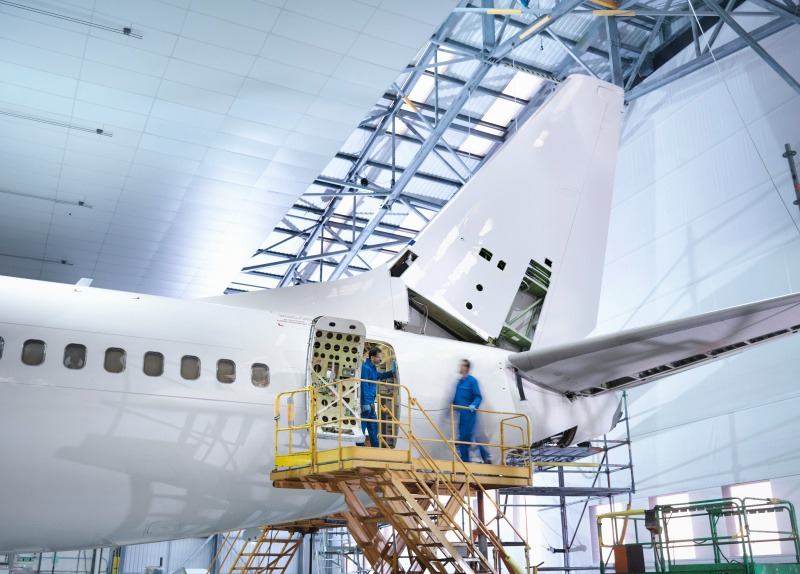
The Airbus A350 features a 2H2E flight control architecture and an accessible avionics bay design. Due to its immense size, the A380 used three separate avionics bays, with the main bay pioneering walk-in accessibility. The A400M optimized computer racks for rapid access. The A350 integrates these concepts; its avionics bay is located directly beneath the cockpit floor, accessed via a flush door, functioning similarly to a commercial server room. In flight controls, the A380 eliminated the third hydraulic system, adopting a quadruplex redundancy combination of two hydraulic circuits and two electrical systems (2H2E). If both primary hydraulic systems fail, the system switches to the electrical path, with control computers commanding dedicated Electro-Hydrostatic Actuators (EHA) and Electrical Backup Hydraulic Actuators (EBHA). Airbus incorporated the 2H2E design into the A400M, proving the architecture's reliability under high-vibration tactical maneuvers. The A350 launched with a refined 2H2E layout, completely eliminating all traditional mechanical linkages; its digital flight control system can remain operational even if multiple independent systems fail simultaneously.
The final layout of the Airbus A350 combines mechanical survival systems with efficient maintenance design, providing pilots with complete hardware fault tolerance while offering technicians immediate access to the aircraft's primary electronic systems. Both systems are directly adapted from the engineering frameworks tested on the A380 and A400M.
This article is compiled by Wedoany. All AI citations must indicate the source as "Wedoany". If there is any infringement or other issues, please notify us promptly, and we will modify or delete it accordingly. Email: news@wedoany.com
Related Products


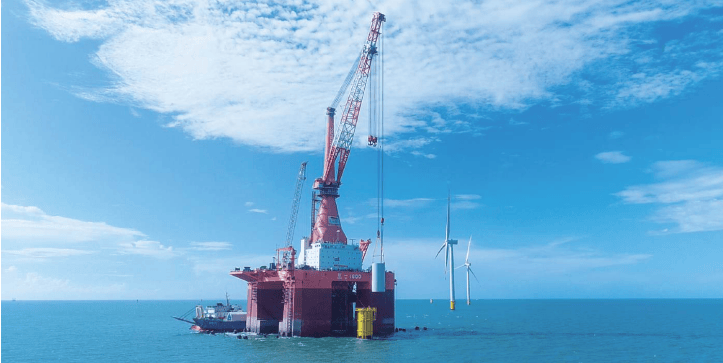
"Shunyi 1600" Deep-submerging Bottom-sitting Multi-functional Wind Power Engineering Vessel
Zhengli Offshore Engineering Co., Ltd.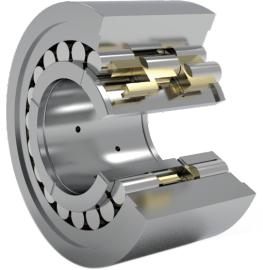
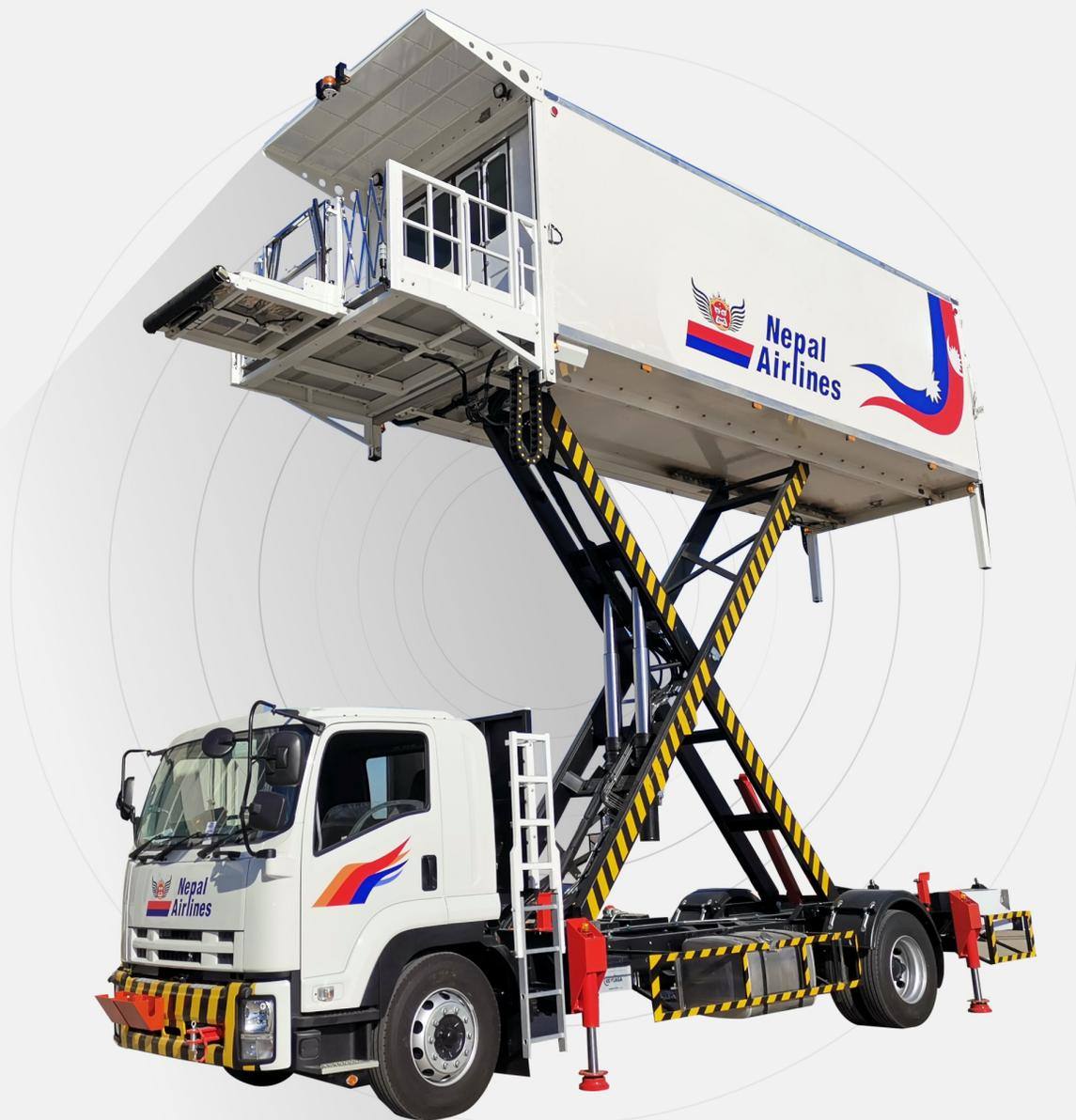
XC-6000e Type Aviation Catering Truck (Fuel Type)
Shenzhen CIMC-TianDa Airport Support Ltd.

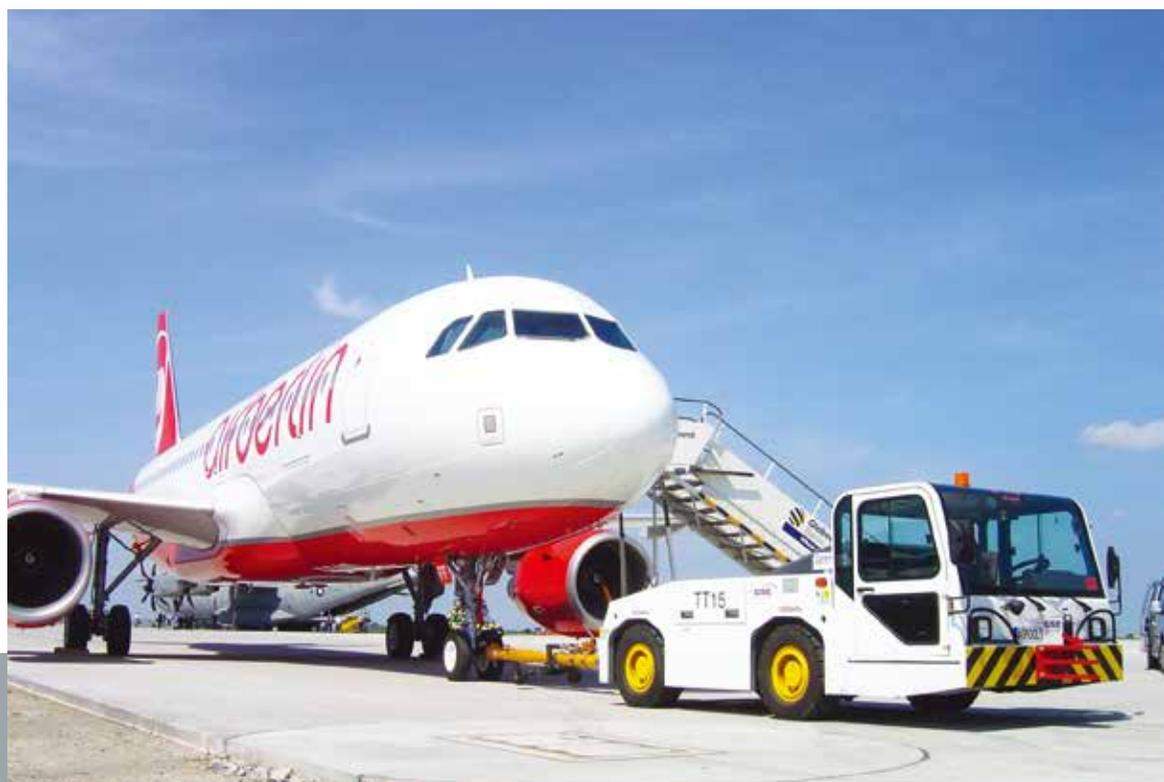
WGQY Series Aircraft Tow Tractor-WGQY15, WGQY27
Weihai Guangtai Airport Equipment Co., Ltd.
GSR6-27.5kV SF6 Free Gas-insulated Metal-enclosed Switchgear
Zhejiang Juhonkia Intelligent Electric Co., Ltd.