Rolls-Royce completes full flight cycle test of gas turbine on 100% hydrogen fuel
en.Wedoany.com Reported - A modern aviation gas turbine has recently completed a full simulated flight cycle—including takeoff, cruise, and landing—running entirely on 100% hydrogen fuel, in a test led by Rolls-Royce. Throughout the entire flight cycle, the modified engine operated solely on hydrogen, with engineers validating the performance of combustion, fuel delivery, and control systems under various operating conditions.
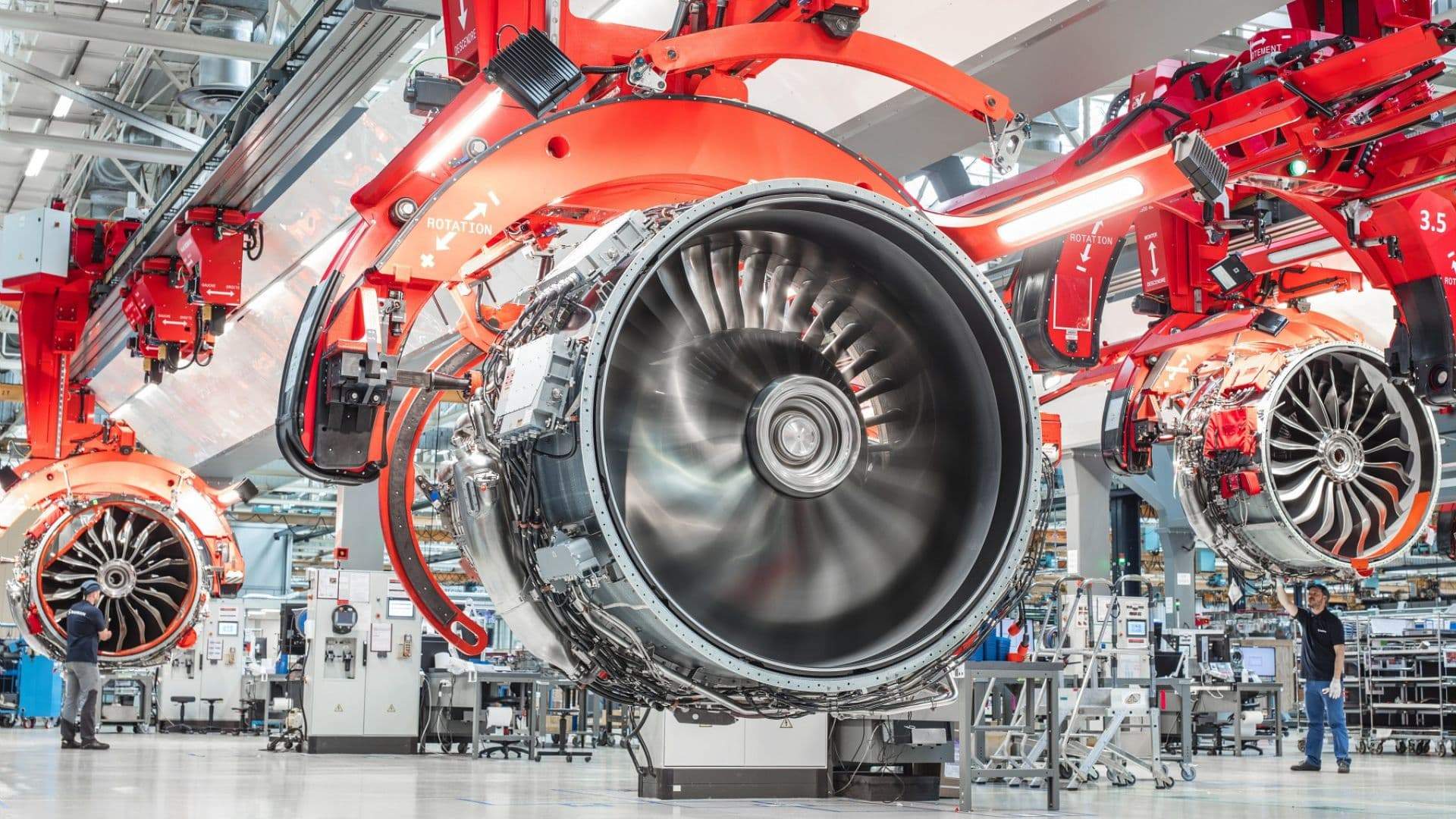
This test is part of a hydrogen propulsion project jointly advanced by Rolls-Royce and easyJet since 2022, with Tata Consultancy Services (TCS) joining in 2024 as an engineering and technology partner to support fuel systems, engine controls, combustion analysis, and testing. The project focuses on integrating multiple technologies, as hydrogen's combustion and storage characteristics differ from those of traditional jet fuel, requiring modifications to delivery and combustion systems rather than merely verifying that hydrogen can burn in an engine. TCS provided support in fuel system and engine control integration, hydrogen combustion analysis, test preparation and validation, data analysis, risk management, and detailed design.
Adam Newman, Chief Engineer of Rolls-Royce's Hydrogen Demonstrator Program, stated that the phased testing enabled the team to obtain operational data on 100% hydrogen across a full flight cycle in a modern aviation gas turbine, with combustion, fuel, and control system technologies all validated. He believes these findings will support future propulsion innovations, including the UltraFan project. Anupam Singhal, President of Manufacturing at Tata Consultancy Services, noted that TCS integrated engineering, systems, and software expertise to help advance hydrogen propulsion toward practical deployment.
Hydrogen propulsion, at scale, could eliminate carbon dioxide emissions during flight, with aviation currently accounting for approximately 2-3% of global CO2 emissions. This demonstration brought together Rolls-Royce, TCS, easyJet, NASA, and the UK Health and Safety Executive, among other industry bodies, with each party contributing to development, testing, and safety considerations. The test captured data on hydrogen behavior during a complete simulated flight rather than in isolated engine operating states, and Rolls-Royce stated that this knowledge will help guide future propulsion technologies. Engineers still need to address hydrogen storage, fuel delivery, aircraft integration, and infrastructure, and this test does not mean hydrogen-powered commercial aircraft are ready for service. TCS will continue collaborating with Rolls-Royce to develop hydrogen-powered aviation technology. This demonstration shows that a modern aviation gas turbine can operate on 100% hydrogen under the varying conditions of a full simulated flight cycle.
Related Products
![IVECO Cash-in-Transit [DMT5048XYCL3-AM] - Chongqing Dima Industry Co., Ltd](https://img.wedoany.com/2026/0911/20260911030157582.png)

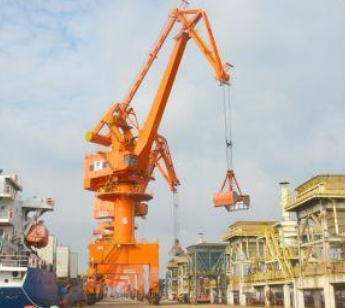

Wheel and Track Technology Business
Beijing Research & Design Institute of Rubber Industry Co., Ltd.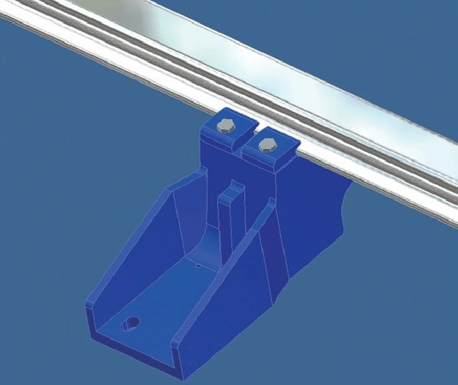
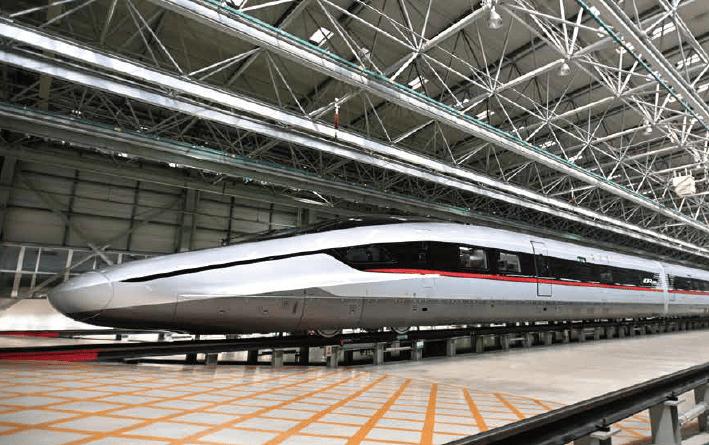
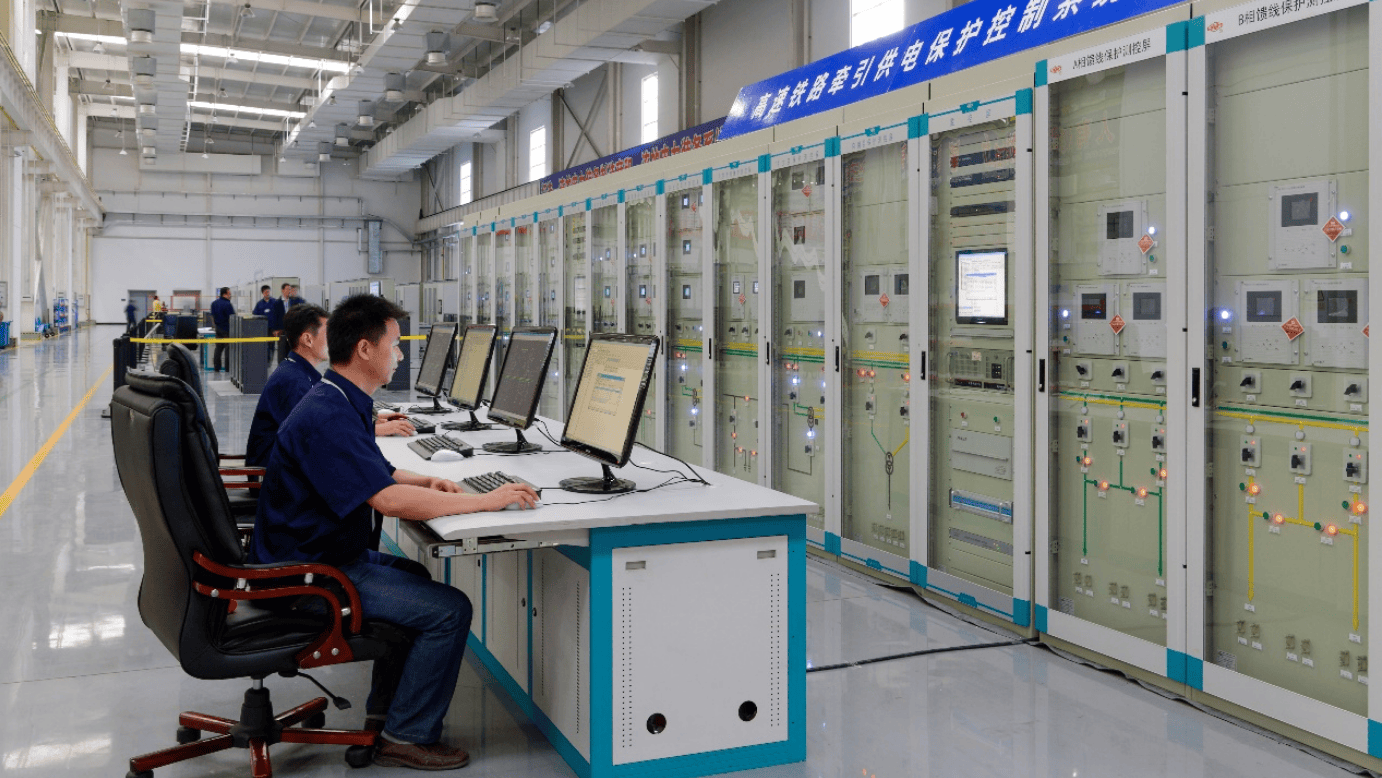
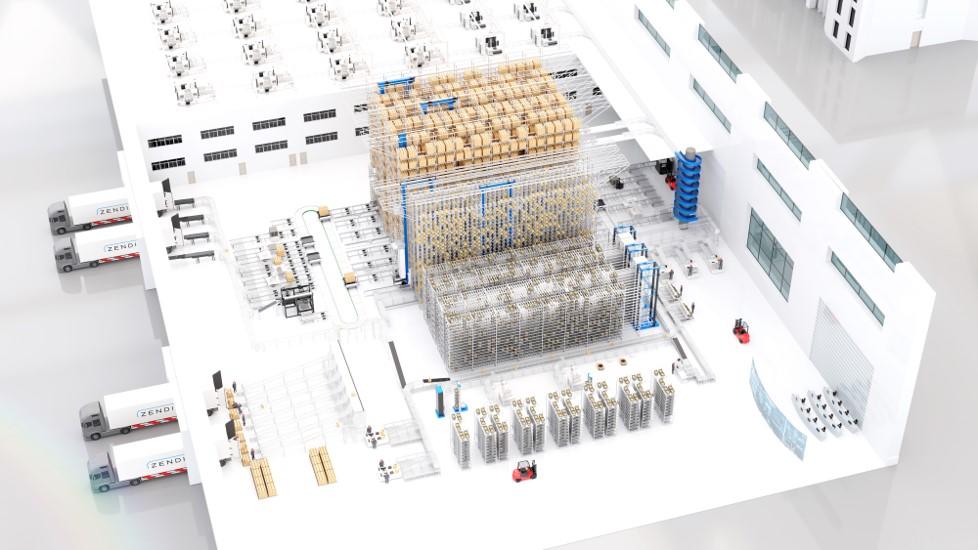
One-Stop Steward Service for the Entire Logistics System Integration Chain
Zhongding Intelligent (Wuxi) Technology Co., Ltd.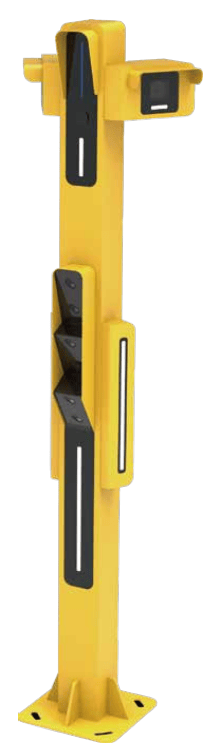
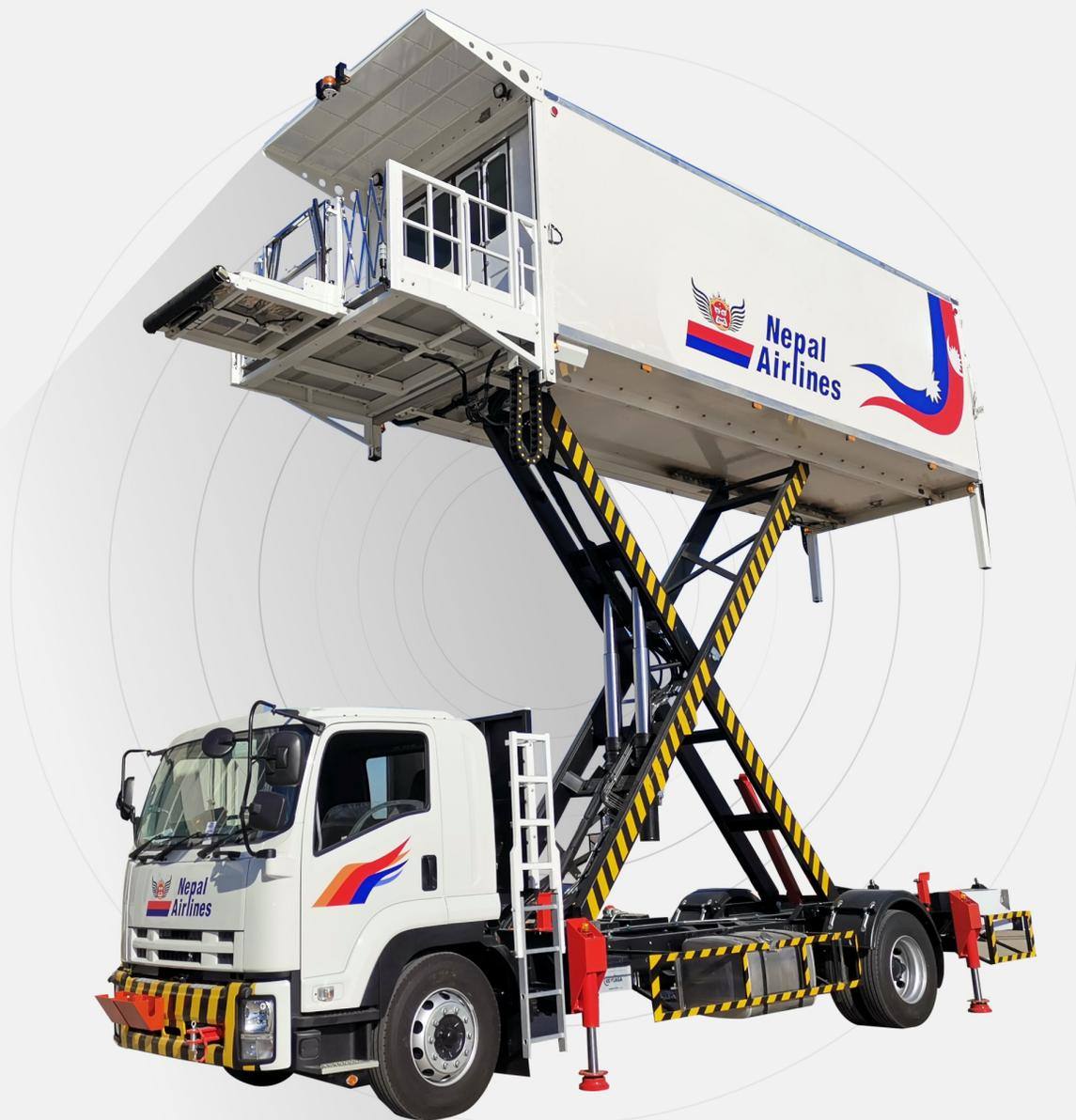
XC-6000e Type Aviation Catering Truck (Fuel Type)
Shenzhen CIMC-TianDa Airport Support Ltd.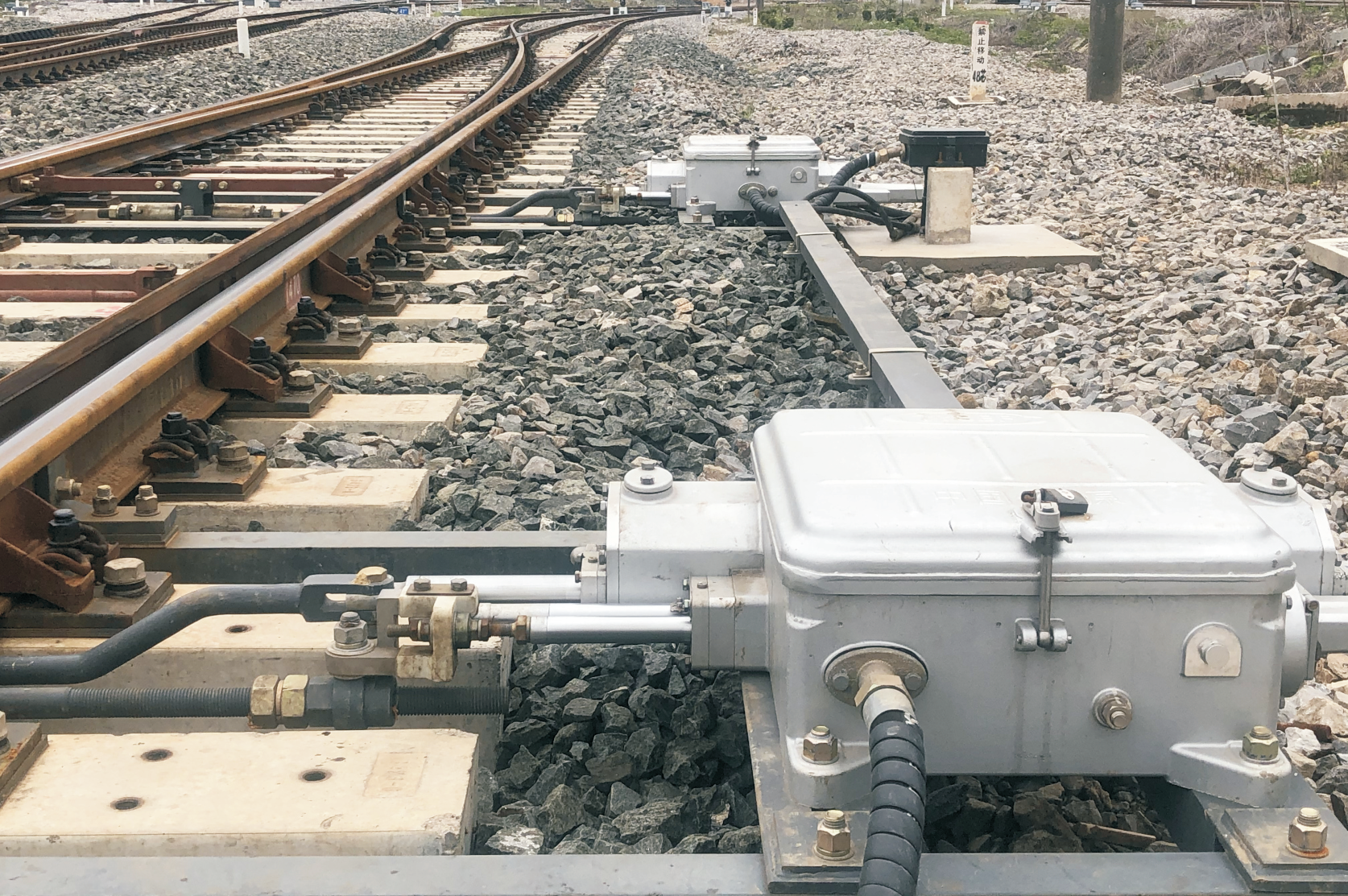
ZY(J)7(M) Sealed Type Electro-Hydraulic Turnout Machine
TAIYUAN CR JINGFENG EQUIPMENT TECHNOLOGY CO., LTD.
GSR6-27.5kV SF6 Free Gas-insulated Metal-enclosed Switchgear
Zhejiang Juhonkia Intelligent Electric Co., Ltd.
"Shunyi 1600" Deep-submerging Bottom-sitting Multi-functional Wind Power Engineering Vessel
Zhengli Offshore Engineering Co., Ltd.