SpaceX Starship Achieves First Orbital Insertion and Deploys 26 V3 Satellites
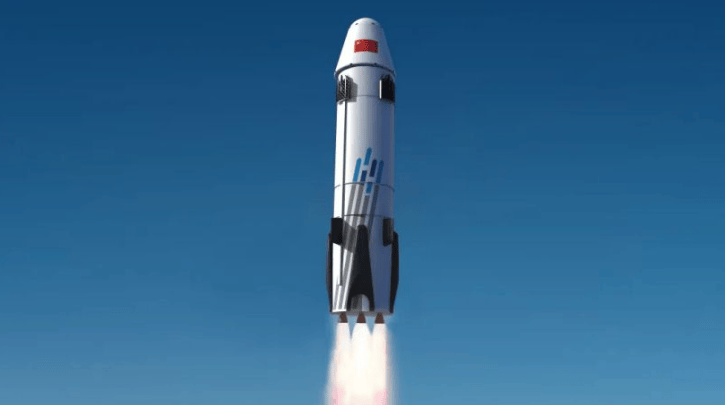
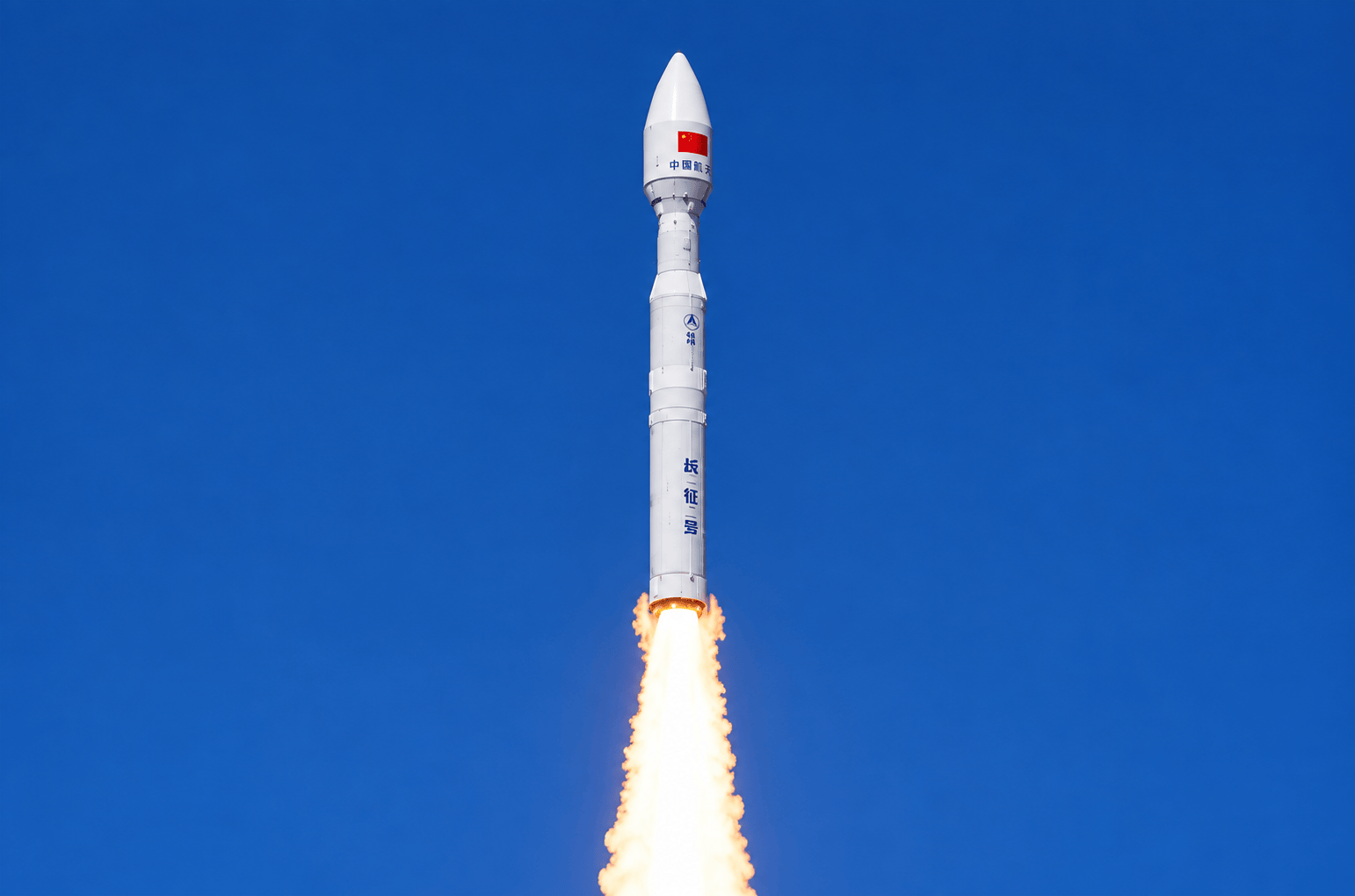
en.Wedoany.com Reported - On September 28, American space exploration company SpaceX conducted the 14th flight test of "Starship" at Starbase in Texas. During ascent, one Raptor engine shut down prematurely. After reassessing the flight status based on telemetry data, the mission team proceeded with the orbital insertion burn. The spacecraft entered Earth orbit for the first time and subsequently deployed 26 Starlink V3 satellites. This mission also marked the first time "Starship" used operational satellites to perform orbital payload deployment.
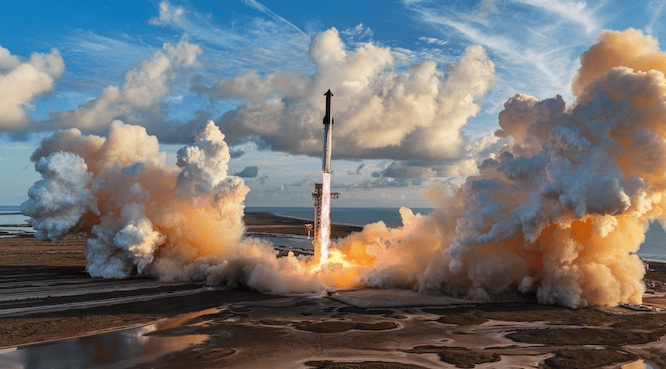
The "Super Heavy" booster performed its return burn after stage separation and completed a controlled splashdown in the Gulf of Mexico near Texas. After the upper stage entered space, SpaceX first flew a safe trajectory, then performed a second engine burn to complete orbital insertion. The 26 Starlink V3 satellites were subsequently released one by one at an altitude of approximately 269 kilometers. SpaceX CEO Elon Musk stated during the mission that all 26 satellites had completed deployment and were operating normally.
The flight was originally planned to last approximately 10 hours, completing about 6 orbits, and ultimately splashing down in the Pacific Ocean west of Chile. After completing satellite deployment, SpaceX decided to end the mission early, shortening the actual flight time to approximately 3 hours. "Starship" then performed a deorbit burn and atmospheric reentry, using flaps to control attitude during descent, and reignited its engines near the ocean surface, flipping to a vertical attitude before completing a controlled splashdown in the Pacific Ocean north of Hawaii.
This 14th test flight used the Starship V3 system. All 13 previous Starship flights used suborbital trajectories, and the 14th mission completed orbital insertion and actual satellite deployment in orbit for the first time. SpaceX disclosed that the data processing capability of Starlink V3 satellites is approximately 10 times that of the previous V2 Mini satellites, and the company plans to increase the number of V3 satellites deployed per launch once Starship enters routine operations.