en.Wedoany.com Reported - In central Washington State, a restoration project is underway that uses helicopters to drop over 6,000 logs into a remote 38-kilometer river. The initiative aims to reverse habitat degradation caused by decades of human removal of wood, rebuilding environments for salmon and trout while addressing water resource challenges brought on by climate warming.
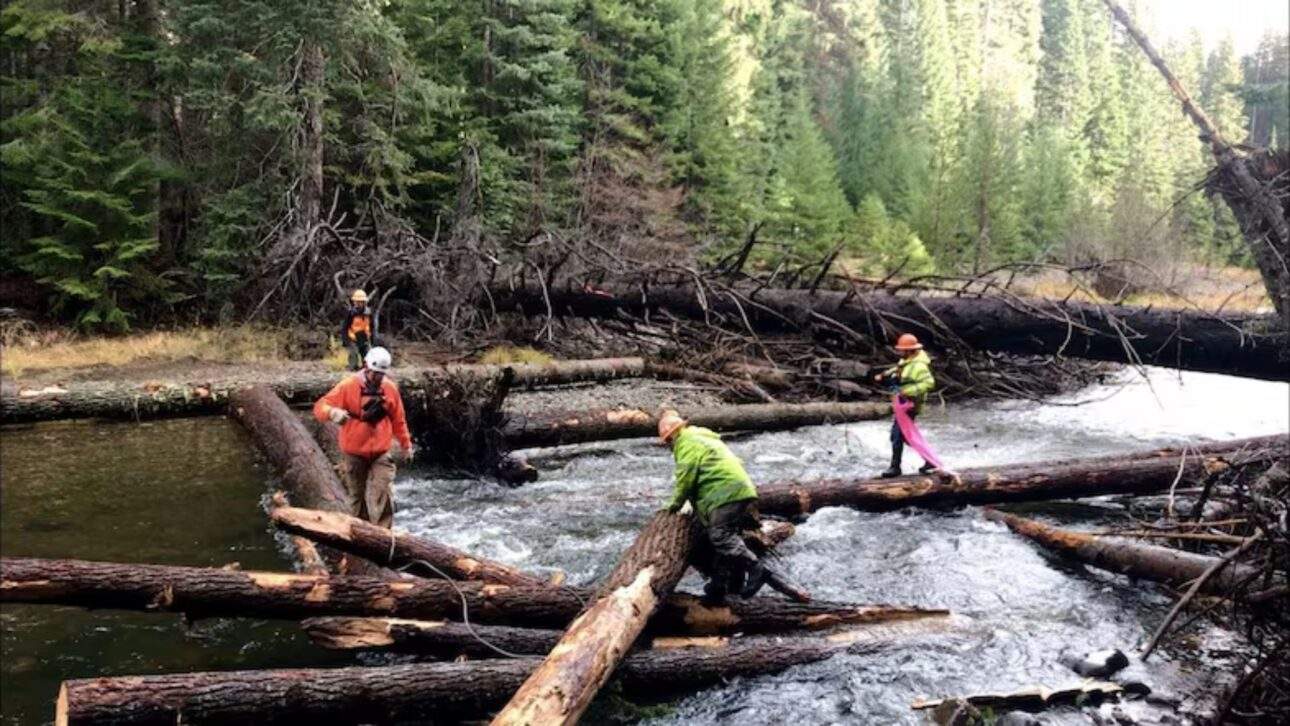
The project overturns the prevailing practices of about 40 years ago. When biologist Scott Nicolai first began stream restoration, the dominant idea was to drag logs out of the water, viewing accumulated wood as obstacles to fish passage and impediments to stream flow, with the goal of making water clean and fast. This approach, treating rivers as drainage infrastructure rather than living systems, led to simplified riverbanks, loss of riverbed undulations, and ultimately reduced fish shelter, disappearing deep pools, and insufficient gravel retention.
Today, Nicolai, a habitat biologist for the Yakama Nation, is at the center of this logical shift. Wood is now seen as a critical component of river ecosystems, with functions including: creating environmental complexity to provide shelter; altering water flow to carve out deep pools; storing gravel as spawning beds for salmon and trout; and providing a foundation for aquatic insects, which in turn support the river food web.
The scale of this intervention is rare. The project covers over 38 kilometers of rivers and streams within the Yakama Reservation and surrounding lands, involving private landowners, the U.S. Forest Service, the Washington Department of Fish and Wildlife, and the Department of Natural Resources. It is funded by eight different agencies, including the Bonneville Power Administration, and involves six partner organizations such as The Nature Conservancy and the Mid Columbia Fisheries Enhancement Group. The focus is on restoring river sections degraded by overgrazing, logging railroad construction, and early biologists' stream clearing efforts.
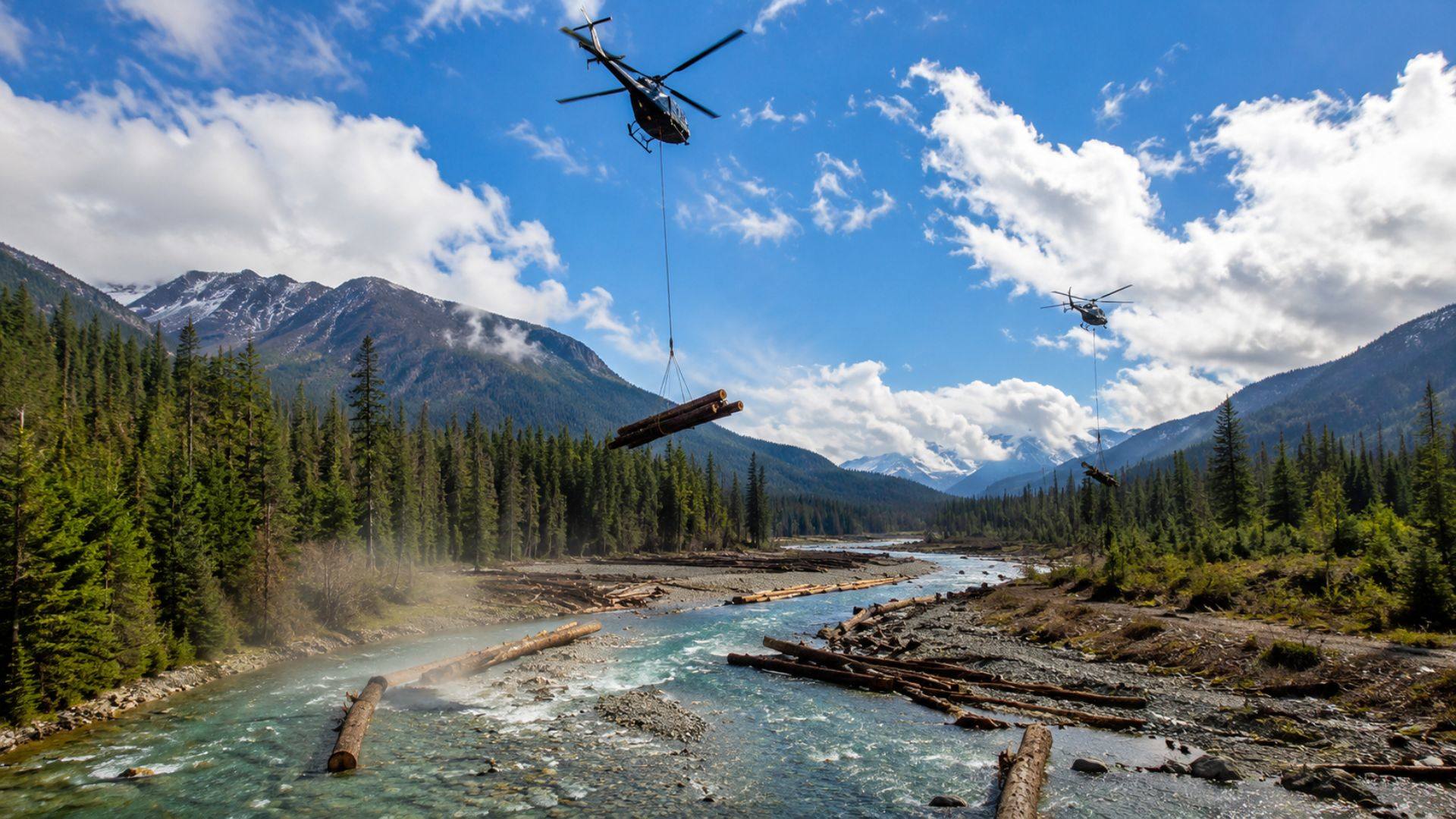
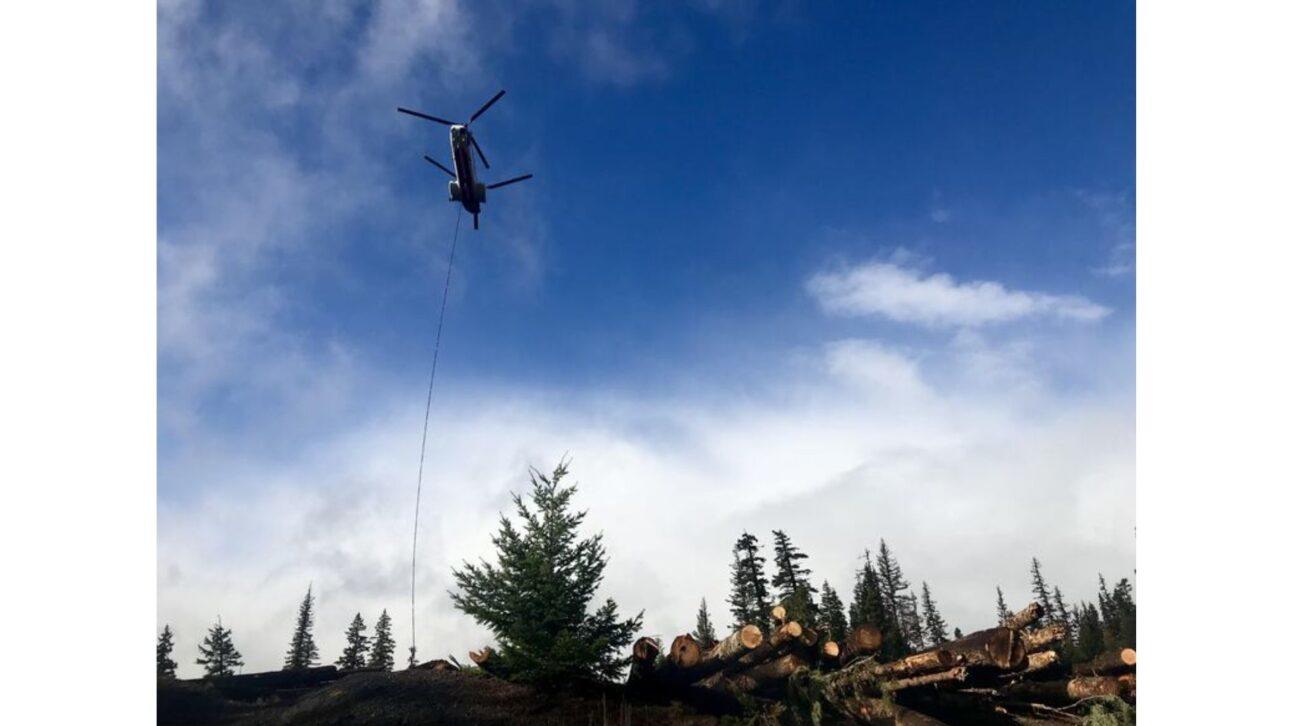
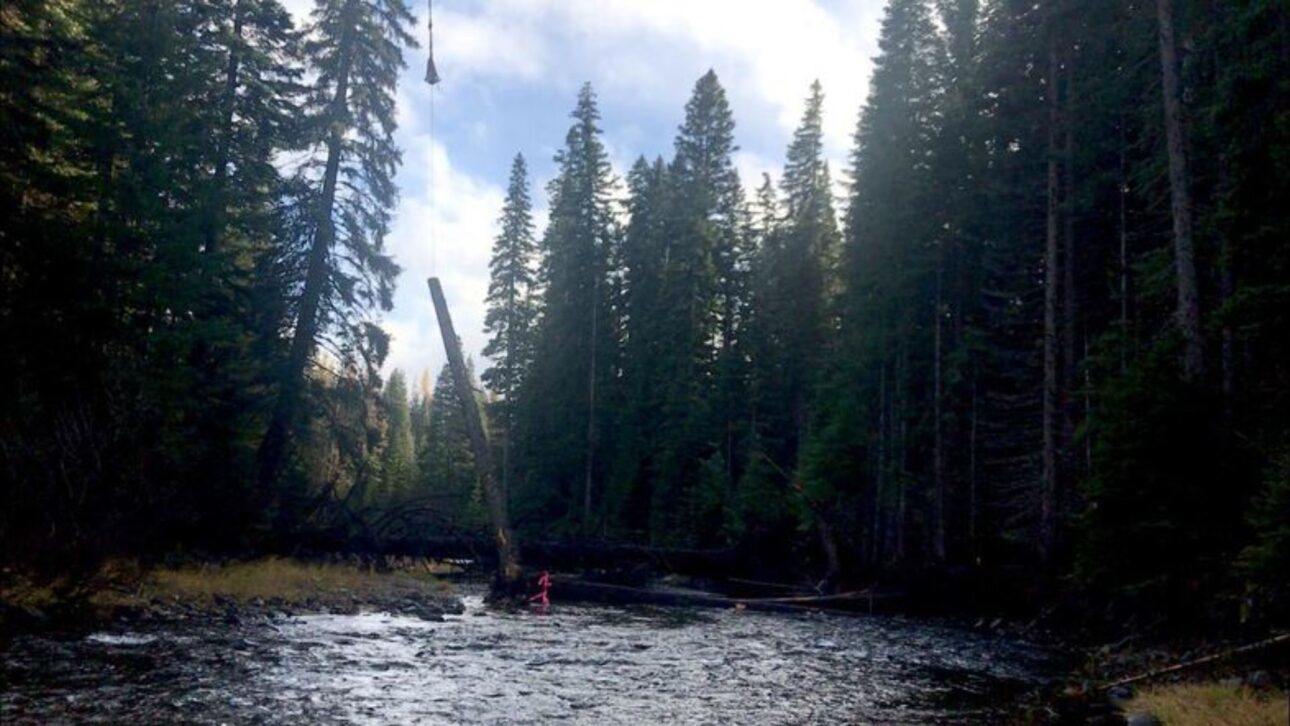
Logistics explain the use of helicopters. Many selected river sections are no longer accessible by road, limiting traditional truck and machinery restoration. Helicopters lift logs from storage areas and drop them directly at remote sites. The transport process follows a precise choreography: pilots attach four standard-sized logs to cables and fly to target river sections. On the ground, biologists mark log placement points with pink and blue signal tape. The Little Naches River alone is slated to receive 1,000 logs.
The logs are not randomly selected; the mix includes Douglas fir, grand fir, and cedar, sourced from The Nature Conservancy's forest thinning operations in high-elevation areas. Reese Lolley, Washington State's Director of Forest Restoration and Fire, stated that the philosophy is to restore the entire landscape, transforming what would have been waste into ecological structure.
Hydrological effects are central to the project. Once placed in the river, logs slow water flow, allowing water to accumulate and increasing groundwater recharge. Nicolai compares these areas to sponges, capable of spreading water across the floodplain and slowly releasing it back into the stream, creating additional water storage and helping to cool increasingly warm water bodies. Phil Rigdon, Director of the Yakama Nation's Natural Resources Department, noted that this shift represents learning from past mistakes to seek better river management.
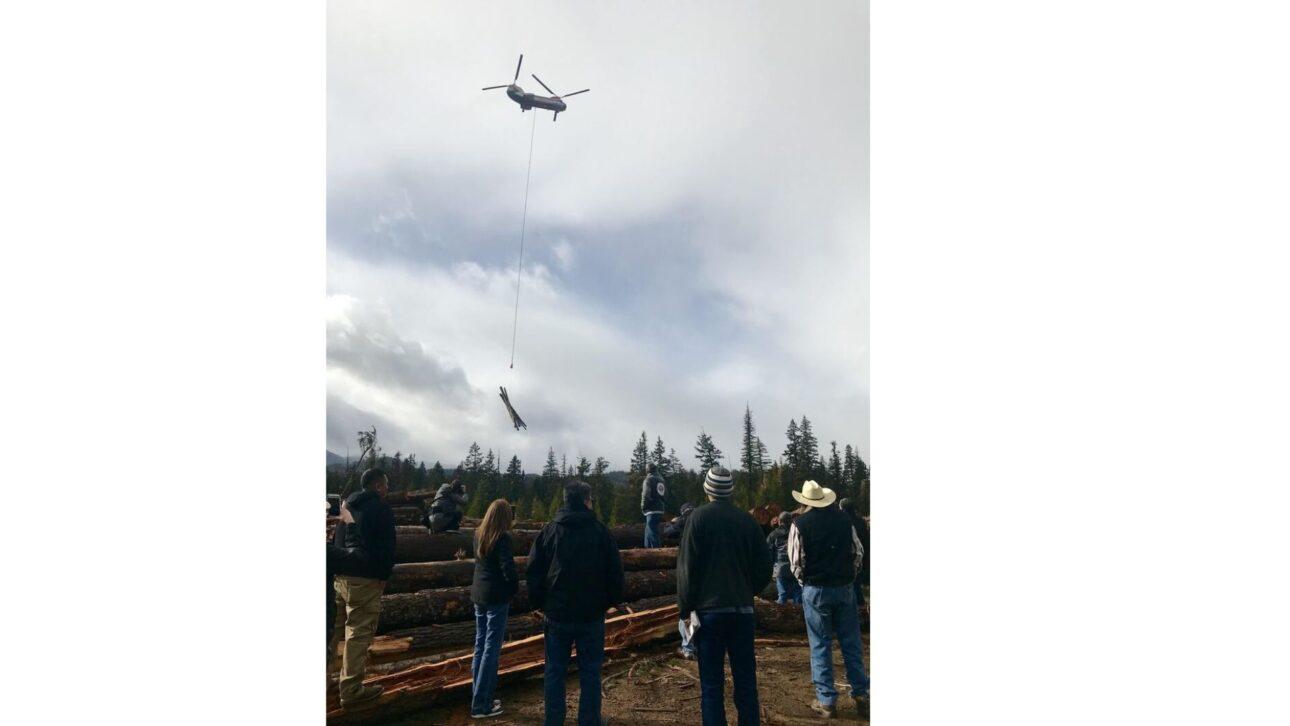
The project is not just about fish. As the climate warms, storing water in river systems becomes crucial, especially during hot, dry periods. Rivers with wood, deep pools, and floodplain connections can hold water, release it slowly, and maintain cool deep-water zones, restoring rivers to their intended state. The project also carries cultural significance; during helicopter operations, tribal leaders prayed for the project's success, hoping to restore the land to its former state. Former tribal chairman Jerry Meninick summarized it as returning what originally belonged to the land.
This article is compiled by Wedoany. All AI citations must indicate the source as "Wedoany". If there is any infringement or other issues, please notify us promptly, and we will modify or delete it accordingly. Email: news@wedoany.com