Glencore Proposes Efficient Low-Carbon Mining Solutions at 2026 Exponor in Chile
en.Wedoany.com Reported - Glencore Technology showcased its technological solutions at the 2026 Exponor exhibition, aimed at helping mining operations achieve greater output with fewer resources and lower environmental impact.
In a live interview with Reporte Minero y Energético, Christian Pastén Cortés, Business Development Manager for Latin America at Glencore Technology, and Eduardo Morin Cerliani, Metallurgy Manager, explained how the company develops solutions applicable to different stages of the mining value chain. Unlike other technology suppliers, Glencore Technology originates from mining operations. Pastén stated that the company stems from technologies initially developed within Glencore's operations in Australia, later refined and implemented across various global mine sites. As a plant operator, the company understands the pain points and future needs of other plants. Currently, it collaborates with multiple mining companies in Chile and Latin America, providing solutions aimed at improving productivity, reducing operational costs, and optimizing plant design for both greenfield and brownfield projects.
Glencore Technology's portfolio covers grinding, flotation, hydrometallurgy, smelting, refining, and the circular economy, having developed technologies including IsaMill™, Jameson Cell, Jameson Concentrator™, Albion Process™, ISASMELT™, ISAKIDD™, and ISACYCLE™. Morin stated that these solutions address specific challenges such as energy efficiency, improving metallurgical recovery, reducing infrastructure, and enhancing operational availability. In flotation, Jameson Cell is positioned as a high-intensity, low-maintenance technology suitable for new plants or low-cost expansions; the Albion Process™ combines ultra-fine grinding with atmospheric oxidation leaching for processing base or precious metal concentrates.
One of Glencore Technology's key focuses is providing more compact, efficient, and flexible designs. According to Morin, plants with a smaller physical footprint can reduce infrastructure, equipment requirements, and maintenance and operational costs, translating into greater operational flexibility. This approach directly impacts capital expenditure (CAPEX) for new projects by requiring less infrastructure, and influences operational expenditure (OPEX) by reducing the number of equipment, spare parts, and operational activities. These improvements also help lower the carbon footprint of mining operations.
For Glencore Technology, sustainability begins at the design stage. Pastén emphasized that many of its technologies have long service lives and have demonstrated industrial results over decades. One example is the stainless steel permanent cathode technology used in electrowinning plants, associated with the ISAKIDD™ system, which has decades of industrial application history in Chile. The executive noted that early engagement with clients and collaboration with engineering companies allows for better tailoring of solutions to each operation's objectives, particularly in terms of efficiency, safety, maintainability, and sustainability.
Glencore Technology has industrial applications in Colombia, Panama, Brazil, Ecuador, Peru, Bolivia, Argentina, and Chile. Morin highlighted cases such as the Fruta del Norte gold mine in Ecuador, where implementation replaced conventional solutions and improved recovery rates at the Amazon-region gold mine. He also mentioned progress in Brazil and collaborative experience with operations such as Collahuasi, Centinela, and Escondida in Chile. According to Morin, a key factor is adapting globally proven technologies to the specific conditions of each Latin American operation, considering metallurgical, logistical, cultural, and operational aspects.
The circular economy was central to the presentation. Morin stated that ISACYCLE™ is designed to meet the need for recovering value from industrial waste containing metals of interest, transforming potential environmental liabilities into new sources of raw materials. The technology can recover copper, lead, and other metallic materials from discarded components. The executive believes that such solutions will become increasingly important amid growing demand for minerals required for electrification and the energy transition. Pastén indicated that technology development requires collaboration among companies, universities, laboratories, research centers, and engineering firms. The company provides practical experience from mining operations, while academia and technical centers contribute research, scientific knowledge, and process validation. Looking ahead, Morin noted that the mining industry must advance in energy efficiency, carbon footprint reduction, integration of artificial intelligence, higher operational safety, and technologies that extend operational life. With over 40 years of experience and more than 800 installations globally, Glencore Technology is committed to consolidating its position as a strategic partner in Latin America, serving operations seeking higher productivity, lower costs, and better environmental performance.
This article is compiled by Wedoany. All AI citations must indicate the source as "Wedoany". If there is any infringement or other issues, please notify us promptly, and we will modify or delete it accordingly. Email: news@wedoany.com
Related Products

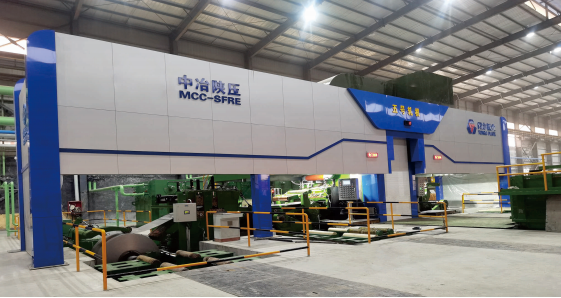
1050-1750mm Steel Strip Single-stand Reversible Cold Rolling Production Line
MCC-SFRE HEAVY INDUSTRY EQUIPMENT CO., LTD.
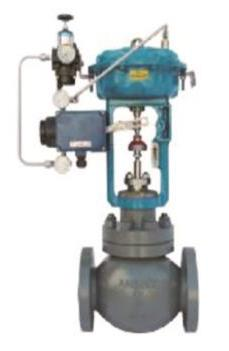
Quick-Change Single-Seat Control Valve / Quick-Change High-Pressure Single-Seat Control Valve
Beijing Consen Automation Technology Co., Ltd.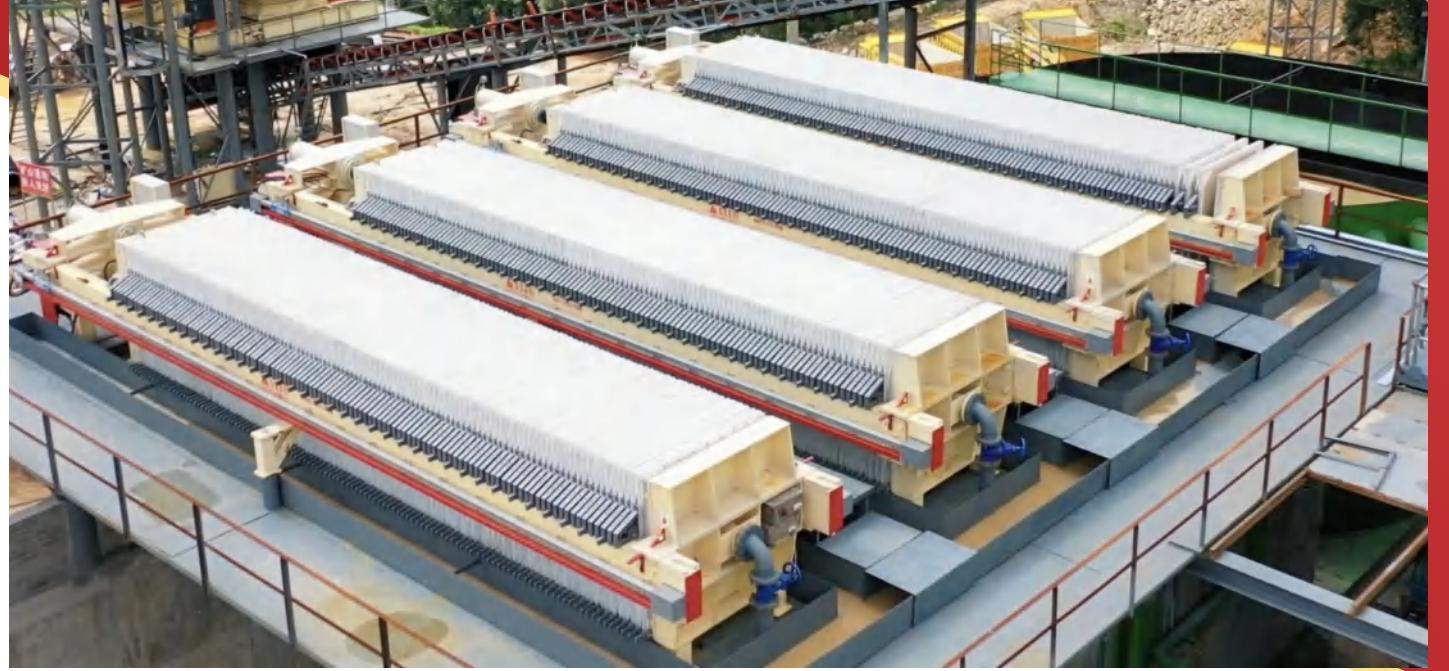
Hydraulic Plate and Frame Filter Press
Guangdong Leimeng Intelligent Equipment Group Co., Ltd.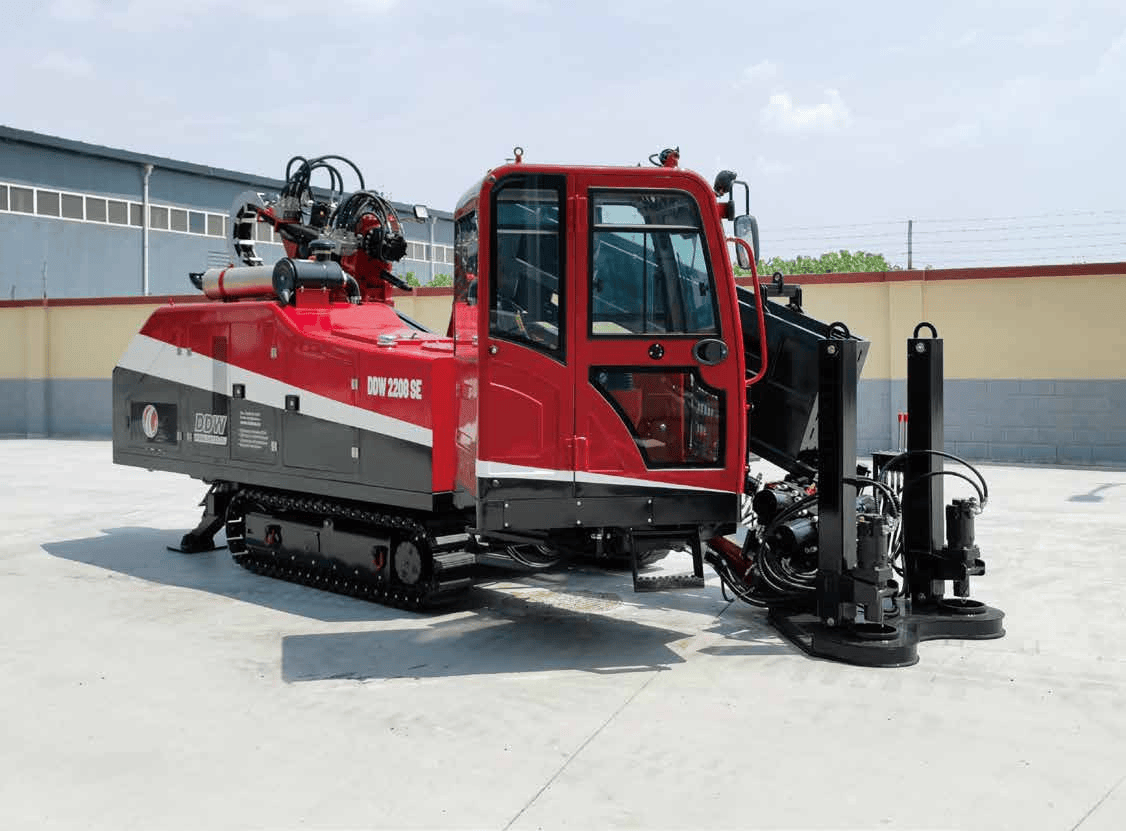
DDW22/08SE-HORIZONTAL DIRECTIONAL DRILL
DW/TXS Construction Equipment (Beijing) Co., Ltd.