California mandates 65% recycling of single-use plastic packaging by 2032
en.Wedoany.com Reported - Plastic recycling in the United States faces a triple dilemma of policy, technology, and infrastructure. The development of end markets for post-consumer recycled (PCR) materials is seen as the foundation for building a circular economy. Nova Chemicals points out that a lack of sustained demand will hinder the scaling of collection and recycling systems.
Extended Producer Responsibility (EPR) policies are reshaping packaging design and management. Taking California's Plastic Pollution Prevention and Packaging Producer Responsibility Act (SB 54) as an example, the law requires that by 2032, 100% of single-use packaging and food service items must be recyclable or compostable, 65% of single-use plastic packaging must be recycled, and the production of single-use plastic packaging and food containers must be reduced by 25% compared to 2023 levels. Data from CalRecycle shows that approximately 20% of HDPE containers are recycled, making it one of the highest recycling rate categories among plastics, while the recycling rate for soft plastics is only about 5%. Oregon, meanwhile, plans to require this year that the state's top 25 packaging producers conduct life cycle assessments for the top 1% of their covered products.
On the technology front, resin innovation is driving recyclable packaging design. The use of machine direction orientation (MDO) polyethylene (PE) film in mono-material packaging is increasing. Combined with all-PE sealing webs, it can meet the same performance requirements as biaxially oriented PP (BOPP) and biaxially oriented PET (BOPET) laminated films while being compatible with mechanical recycling processes. High-barrier PE resins are replacing difficult-to-separate ethylene-vinyl alcohol (EVOH), providing necessary barrier properties in recyclable structures through thin coatings. Digital tools such as modeling and simulation software help shorten development cycles by evaluating film structures before physical trials.
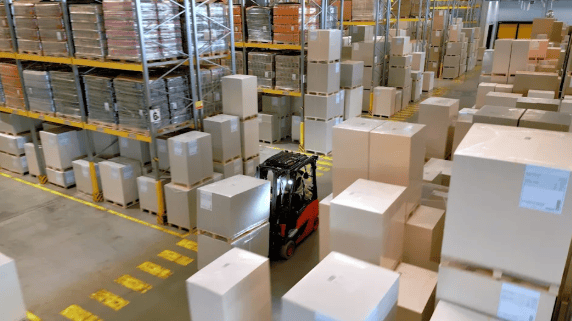
In terms of logistics challenges, improving collection infrastructure remains key. The primary collection route for flexible packaging is store drop-off programs, but consumer participation needs improvement. Post-industrial films from commercial and industrial sectors, such as pallet wrap and shrink film, are seen as valuable sources of clean, high-quality materials. Nova Chemicals' owner, Borouge International, opened its first PE film mechanical recycling facility last year in Connersville, Indiana, expanding collection networks through partnerships with brands and retailers to increase the supply of high-quality PCR feedstock.
When incorporating PCR, starting with low-performance applications such as secondary packaging for tissue and toilet paper, and stretch film, is a pragmatic choice that allows for accumulating supply chain experience. High-performance applications like food packaging must meet additional regulatory requirements from the U.S. Food and Drug Administration (FDA), and the supply of food-grade PCR resin is still growing. The U.S. Plastics Pact's "Film and Flexible Packaging Circularity Journey" framework clearly states that developing end-market demand for PCR materials made from film plastics is the most decisive lever for creating a circular economy.
This article is compiled by Wedoany. All AI citations must indicate the source as "Wedoany". If there is any infringement or other issues, please notify us promptly, and we will modify or delete it accordingly. Email: news@wedoany.com
Related Products



Industrial and Commercial Point-Type Gas Detector
Jinan Benan Technology Development Co., Ltd.
New Environmentally Friendly Green Potassium Salt Collector
Chonfar Engineering and Technology Co., Ltd.
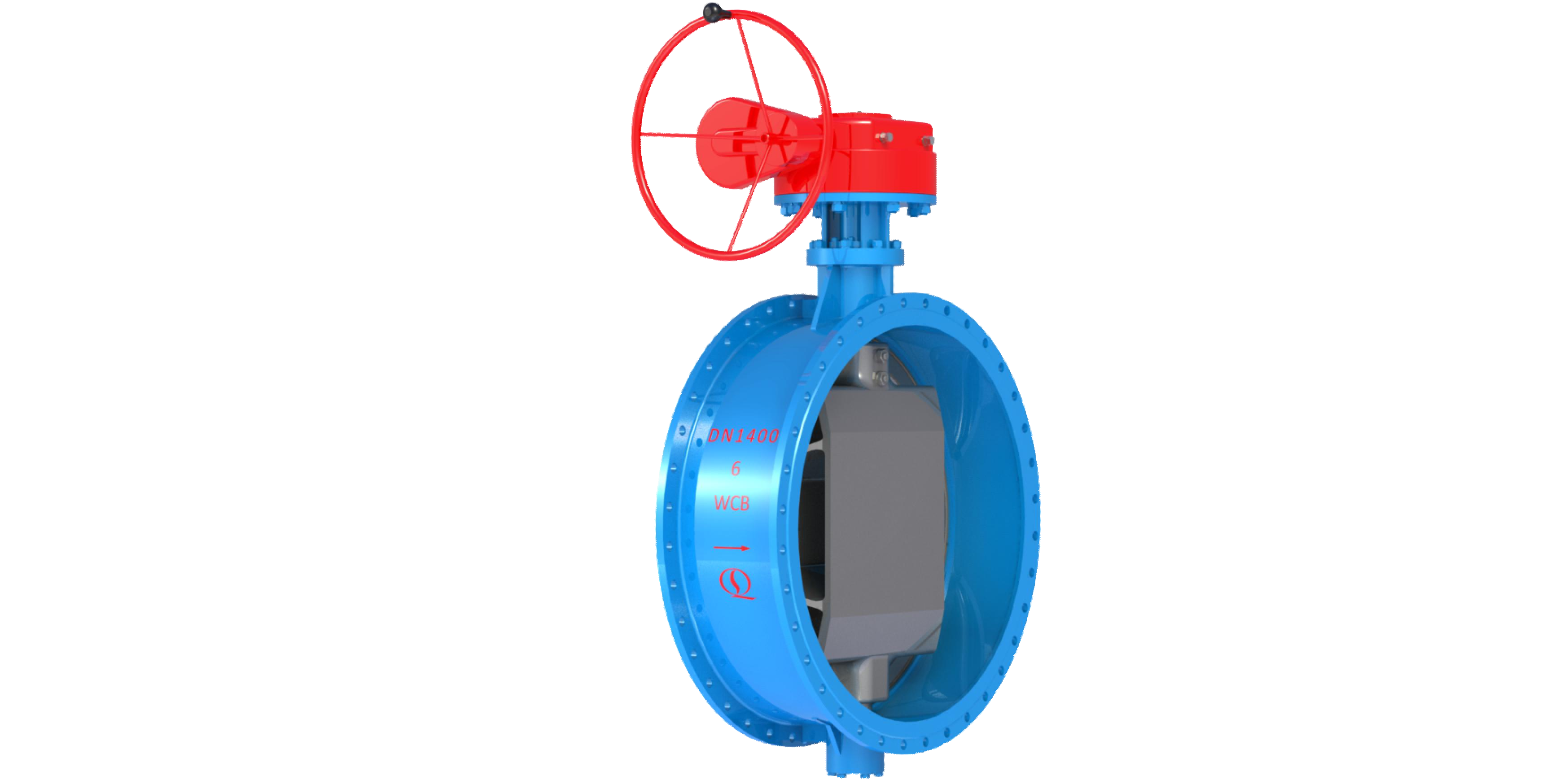
Bidirectional Metal Hard Sealed Seawater Butterfly Valve
Henan Quanshun Flow Control Science & Technology Co., Ltd.
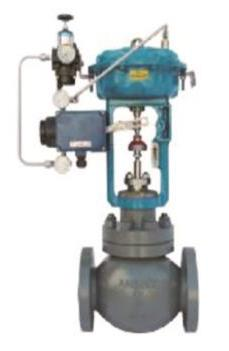
Quick-Change Single-Seat Control Valve / Quick-Change High-Pressure Single-Seat Control Valve
Beijing Consen Automation Technology Co., Ltd.