South America Paint Market Expected to Reach 4 Billion Liters and $12 Billion in Revenue by 2030
en.Wedoany.com Reported - In early 2026, early signs of economic stabilization emerged in South America, but regional growth remains moderate and uneven. Current forecasts indicate that, benefiting from Argentina's gradual recovery, Brazil's relative stability, and selective growth in Uruguay, Paraguay, Peru, and Colombia, the average GDP growth rate for South America is approximately 2.5%. Against this macroeconomic backdrop, the paint market in most countries is expected to grow slightly faster than GDP, driven primarily by demand from new construction, residential maintenance, home renovation, and industrial maintenance, rather than large-scale capacity expansion.
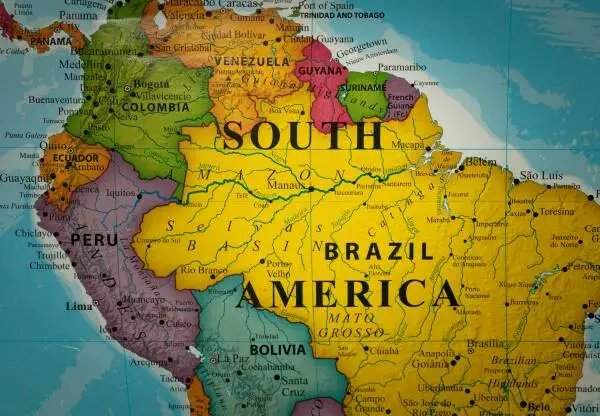
By 2030, the South American paint market is expected to approach nearly 4 billion liters, with revenue exceeding $12 billion, as the growth model shifts from volume-driven to value-driven strategies centered on profit margins, differentiation, and performance. Despite persistent inflationary pressures, exchange rate fluctuations, and high costs of imported raw materials, the regional market demonstrates resilience. In response, companies have moved beyond standardized regional strategies, adopting country-specific approaches focused on product portfolio rationalization, sustainability, and technological differentiation. Competitive advantage is increasingly built on total cost of ownership, regulatory compliance, and closer collaboration with professional painters and industrial clients.
Growth rates vary significantly across segments. The most important structural trends include the gradual recovery of the automotive original equipment manufacturer (OEM) sector in Brazil and Argentina, and the continued expansion of industrial maintenance coatings in most markets, which continues to outpace overall market growth. Performance-driven demand, environmental regulations, and the adoption of low-VOC and high-durability systems are reshaping product portfolios and investment priorities.
Brazil remains the growth pillar of the region. While construction and residential maintenance are expected to expand at a moderate pace until 2027, automotive coatings and industrial maintenance coatings are likely to lead growth in industrial coating consumption. Investments in infrastructure, energy, and logistics continue to support demand for high-performance protective coatings, reinforcing Brazil's role as a hub for both volume and technology, despite its below-average overall growth rate.
Despite recent reforms and improved GDP growth in 2025, consumer and industrial activity in Argentina remains subdued. Due to inflationary pressures and an industrial slowdown, production volumes declined in several sectors in 2024. High inventory levels in distribution channels and a gradual recovery in consumer confidence are expected to delay a full market rebound until 2026 and beyond. Colombia is consolidating its position as the second-largest paint market in South America, with paint consumption expected to exceed 400 million liters by 2030. Urbanization, housing demand, and a growing middle class support growth, benefiting both architectural and industrial coatings. Chile remains a mature and specialized market, with a strong position in protective, marine, and industrial coatings, driven by performance, durability, and environmental compliance rather than price competition. Paraguay is experiencing robust expansion supported by public investment and civil construction, while Uruguay maintains a stable, quality-driven market focused on technical services and sustainability. Peru is expected to resume moderate growth, supported by infrastructure and industrial recovery. Guyana and Suriname, despite their small absolute volumes, stand out with double-digit growth rates driven by demand from oil, gas, and offshore infrastructure.
In a moderate growth environment, the South American paint market is not growing amidst uncertainty but evolving within it. Competitive positioning increasingly relies on value-based pricing, localized decision-making, sustainable product portfolios, and technical services as differentiators. At the regional level, geopolitical tensions, evolving trade regulations, and raw material volatility remain key external variables affecting medium-term forecasts. Under these conditions, strategic flexibility and disciplined capital allocation are becoming as critical to long-term success as scale and global brand presence.
This article is compiled by Wedoany. All AI citations must indicate the source as "Wedoany". If there is any infringement or other issues, please notify us promptly, and we will modify or delete it accordingly. Email: news@wedoany.com
Related Products

Nitrogen Export, Nitrogen Manufacturer, High-purity Nitrogen Supplier
Foshan Yuexin Industrial Gas Co., Ltd.
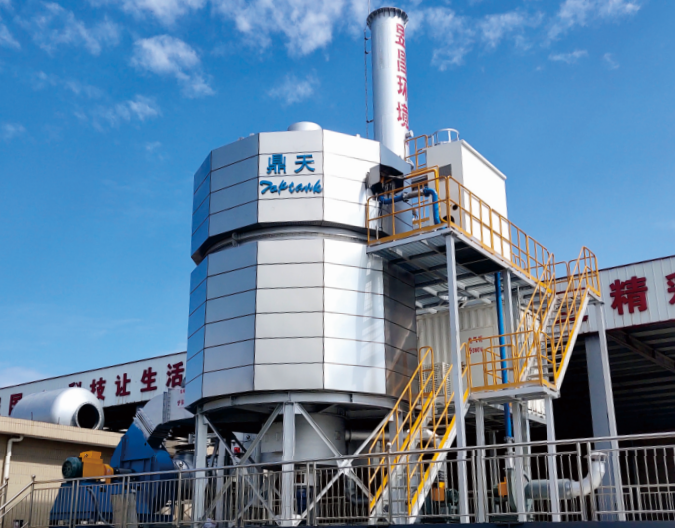
Hongxing Steel Chemical Pressure Vessel Steel Plate
Gansu JISCO Group Hongxing Iron and Steel Co., Ltd.
New Environmentally Friendly Green Potassium Salt Collector
Chonfar Engineering and Technology Co., Ltd.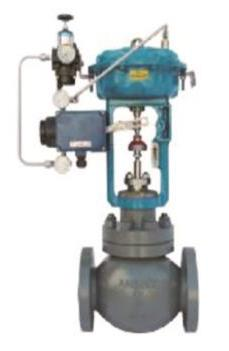
Quick-Change Single-Seat Control Valve / Quick-Change High-Pressure Single-Seat Control Valve
Beijing Consen Automation Technology Co., Ltd.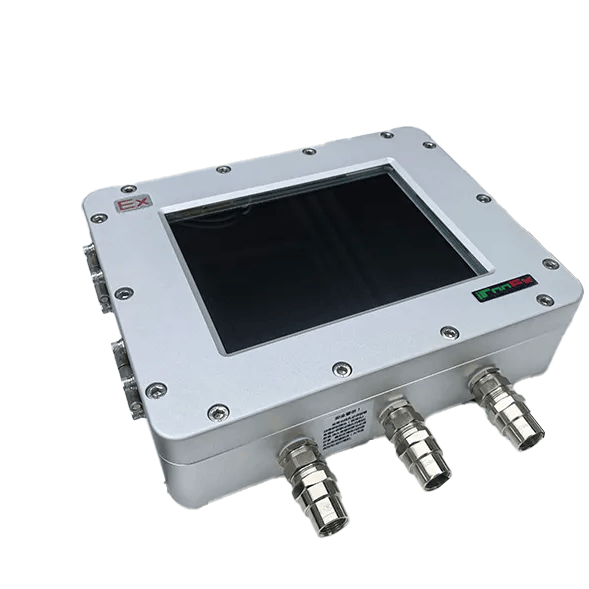
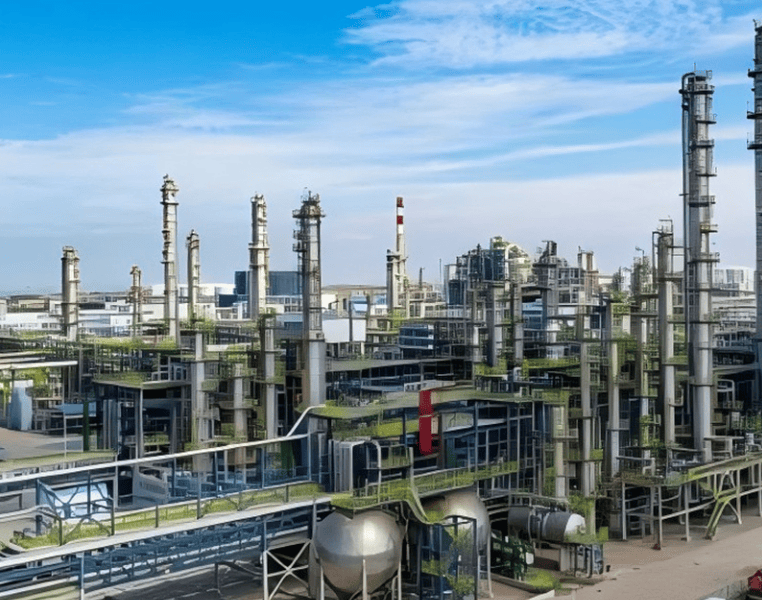
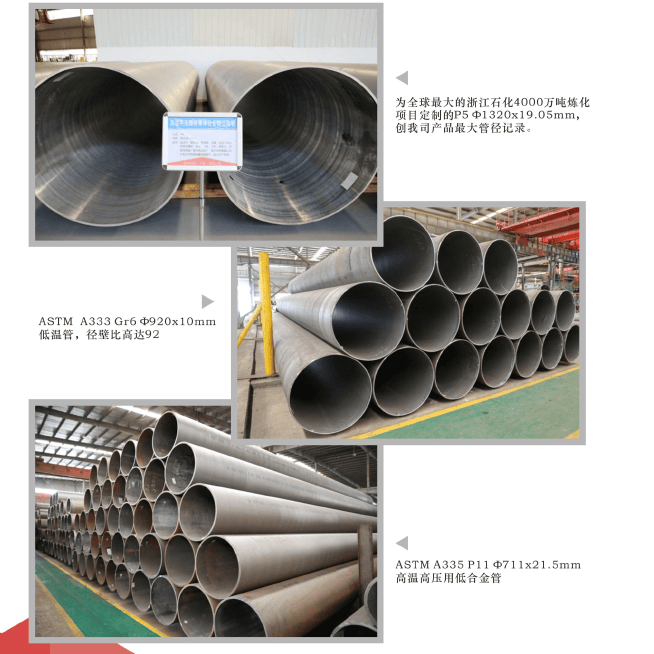
Steel Pipes for Refining and Coal Chemical Industries
YANGZHOU LONTRIN ENERGY EQUIPMENT CO.,LTD.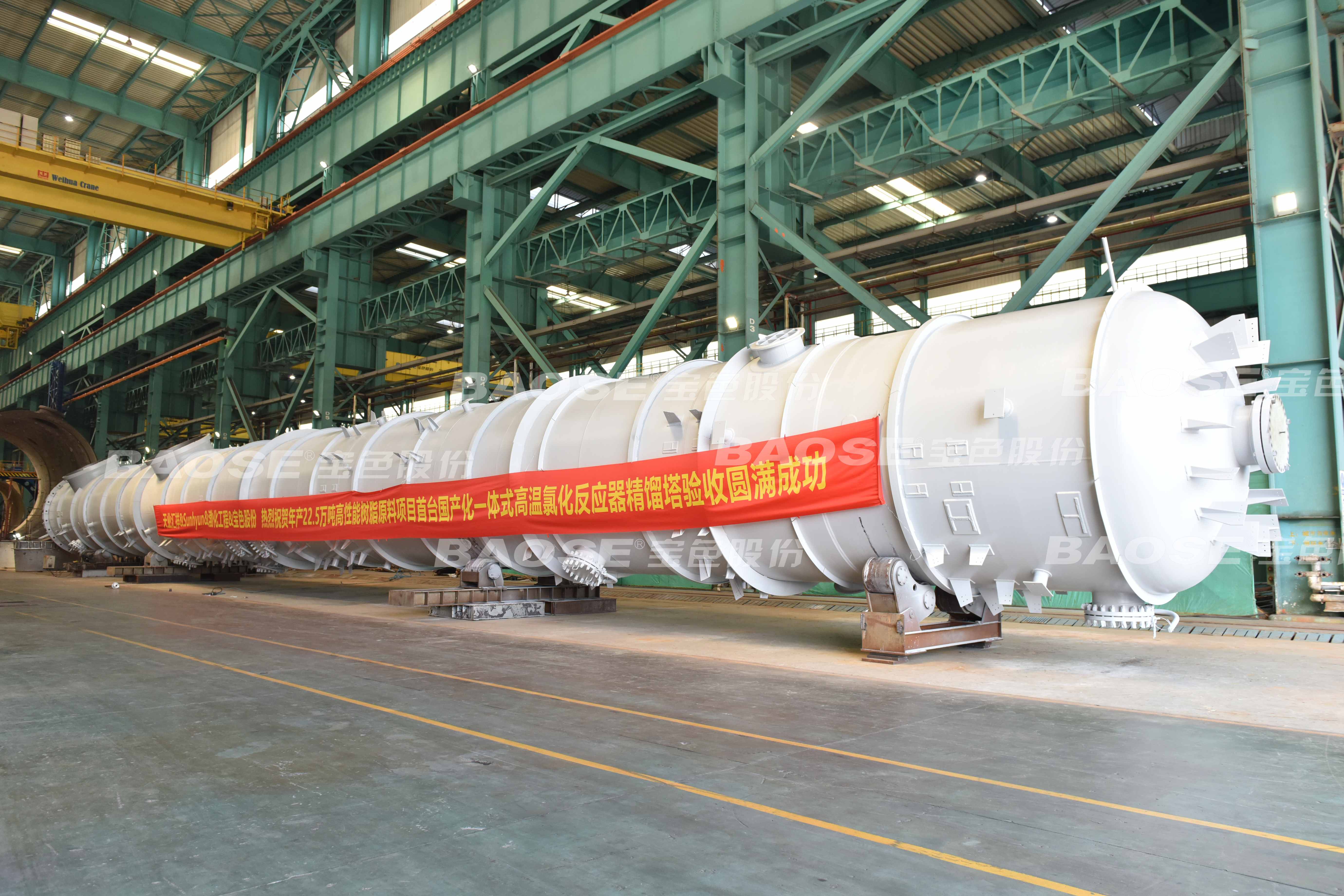
Integrated High-Temperature Chlorination Reactor Rectification Column
Nanjing Baose Co., Ltd.