Russia Plans to Build Complete Rare Earth Industry Chain by 2028
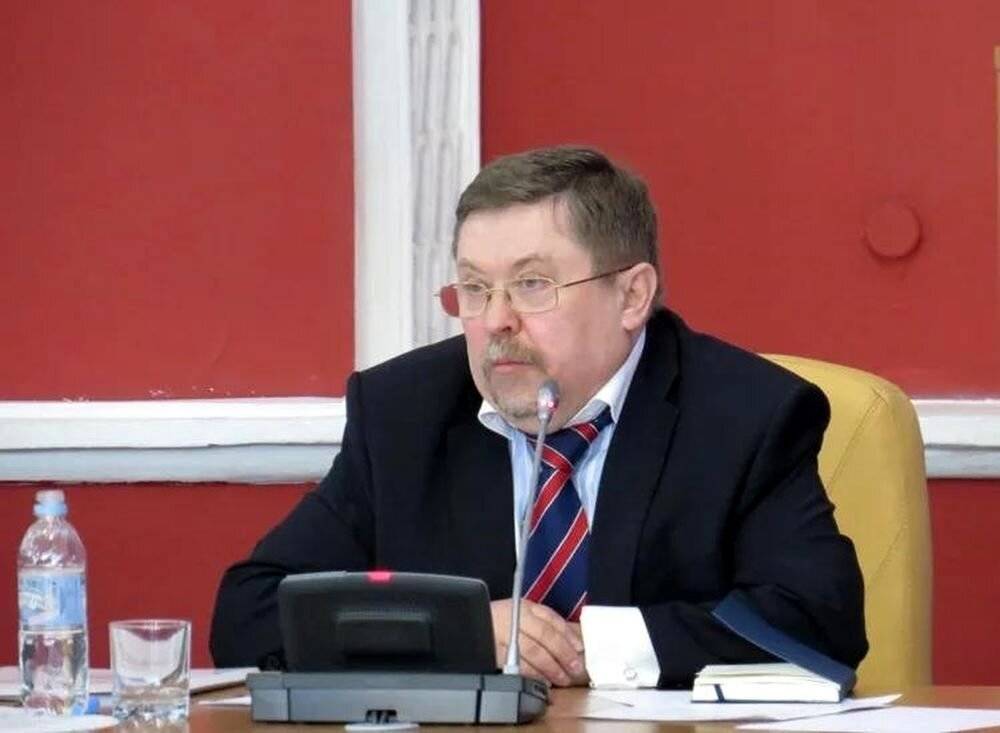
en.Wedoany.com Reported - Russia plans to establish a complete industrial chain for rare and rare earth metals, from geological exploration to high value-added product manufacturing, by 2028, aiming to overcome external restrictions and seize opportunities arising from growing demand for critical minerals. This statement was made by Alexander Budarin, Executive Secretary of the Expert Committee of the Strategic Metals Alliance "STANNUM", at the 2026 St. Petersburg International Economic Forum (SPIEF).
During the forum, Russia's First Deputy Prime Minister Denis Manturov proposed a specific timeline, requiring that by 2028 the country should possess a complete processing technology chain from light to medium and heavy rare earths, noting that technologies for medium and heavy rare earths are largely ready. The goal is not limited to import substitution but aims to achieve the production of high value-added products such as microelectronics and medical technologies. Natural Resources Minister Alexander Kozlov revealed that Russia ranks seventh globally in rare earth reserves, with approximately 28.4 million tons proven. However, current annual production is about 2,200 tons, domestic consumption is around 1,100 tons, while global annual demand reaches 226,000 tons. This vast gap underscores the urgency of industrial development. The state balance sheet lists 18 rare earth deposits, of which 12 have been licensed, while the remaining 6 belong to the unallocated fund. The task facing the state is to establish a legal mechanism for mandatory reserve reassessment, aligning state balance sheet data with actual conditions and ensuring transparency for investors.
At the forum, the topic of strategic metals has shifted from discussion to the capital investment phase. The Chernogorsk deposit in the Norilsk industrial area, developed by Group Alliance / Russian Platinum, has its open-pit mine already in operation, with a thermal power plant and natural gas pipeline completed, and the installation of the processing plant nearing completion. Company President Musa Bazhaev stated that the first batch of concentrate is planned for shipment in November 2026, with total capital investment (including financing costs) of approximately 500 billion rubles. The second phase involves developing the southern part of the "Norilsk-1" deposit, with design documents planned for completion by 2027. At full capacity, the project is expected to produce 14 million tons of ore and 55 tons of platinum group metals annually, with the ore containing associated copper, nickel, cobalt, tellurium, selenium, gold, silver, and other metals, making it a typical example of a comprehensive deposit where strategic and traditional metals coexist.
The forum sent a clear signal of open support for gold mining companies to participate in rare and rare earth metal projects. Manturov described this as a positive trend. This assessment has a clear logic: gold mining companies possess experience in processing complex multi-component ores, established production chains, and substantial financial resources, especially against the backdrop of high gold prices in 2026. For companies operating in deposits where gold, tin, or silver coexist with rare metals, there is an opportunity to diversify production and integrate into the national support program for the rare earth industry. The multi-metal holding company "Seligdar"—one of Russia's leading gold and tin producers with assets in seven regions—presented its strategy at the forum. Company President Alexander Khrushch signed a tripartite agreement with DOM.RF and the Government of the Sakha (Yakutia) Republic. This document is not only a social project but also demonstrates a well-thought-out strategy for operating in remote areas: retaining and attracting highly qualified personnel by directly building a complete living environment in the extraction regions. Against the backdrop of a severe talent shortage, such solutions become a true competitive advantage.
Russia's tin industry was also represented at the forum, with members of the "STANNUM" association participating in discussions. This association brings together key players in the Russian tin market. Tin, included in the list of strategic metals and crucial for the electronics industry, is increasingly occupying a prominent position in the national agenda alongside rare earth metals. Russia possesses one of the world's largest tin raw material bases, while the global tin market is expected to remain structurally deficient in the medium term.
Regarding international cooperation, Manturov clearly stated that Russia does not intend to develop the industry in isolation, with partners including China, India, and Middle Eastern countries (especially Saudi Arabia). Kazakhstan's Minister of Industry Yersaiyn Nagaspaev noted that all parties are in an era of technological transformation, with sharply growing demand for critical raw materials, the key word being "strategic". Russia and Kazakhstan share a unified resource base within the Eurasian Economic Union (EAEU), and together they may possess one of the world's largest comprehensive reserves of strategic raw materials. The basic model emerging from forum discussions is to attract investment resources from BRICS and Shanghai Cooperation Organization (SCO) member states, build processing capacity near deposits, and produce high value-added products within Russia and allied countries, rather than exporting concentrates. State support for such projects is gradually becoming more concrete, including the upcoming launch of targeted subsidies for rare and rare earth metal producers to balance their competitive position with foreign suppliers. Measures under discussion also include preferential loans, tax incentives, research and development funding, and the establishment of a national concentrate reserve.
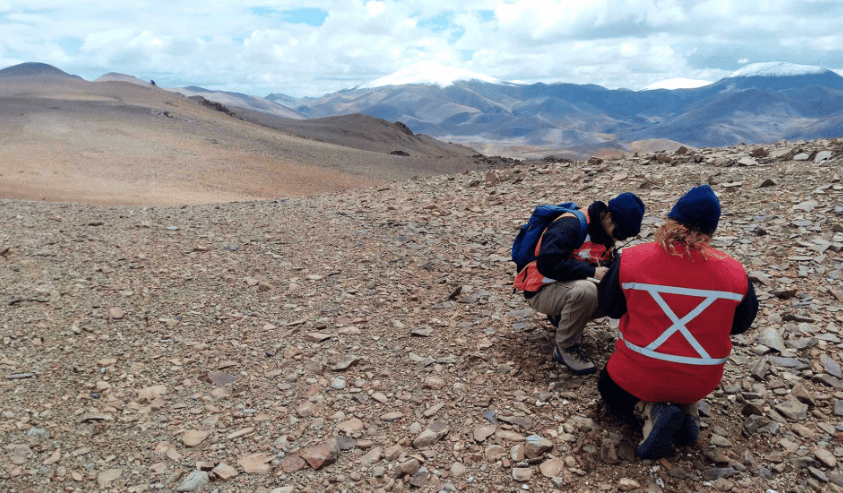
Geological exploration has been established as a national strategic function. Kozlov pointed out that reserve data in the state balance sheet is largely outdated and no longer inspires investor confidence. The complete cycle from geological exploration to reserve registration currently takes an average of about seven years, which is too long for a market where decision-making speed is crucial. The Ministry of Natural Resources is pushing for the establishment of a legal mechanism for mandatory reserve reassessment, essentially restarting the national underground resource accounting system for critical minerals, which forms the basis for economic policy and negotiations with external partners.
Agreements directly related to the metallurgical sector were also signed during the forum. The Kursk Region and the company "Ferrum" signed a project for small-scale metallurgical processing using iron ore waste, with investments of 18.4 billion rubles. The Federal Service for Ecological, Technological, and Nuclear Supervision (Rostekhnadzor) signed a professional agreement with metallurgical companies on industrial safety. A total of approximately 1,100 agreements were signed at the forum, with a total value of 6.6 trillion rubles, a significant portion of which is directly or indirectly related to industrial and mining projects.
The Strategic Metals Alliance "STANNUM" association has taken on the task of developing the "Strategy for the Extraction, Processing, and Export of Strategic Metals until 2030 and Outlook until 2050", hoping this document will serve as a guide for the industry and the country. The planning horizon has shifted to the key checkpoint of 2028: by then, a complete rare earth technology chain should be established. This means investment decisions must be made now, disregarding old inertial scenarios. Association experts noted that China's use of rare earth export restrictions as a tool of pressure in international trade has ultimately changed the attitude of all major players towards strategic minerals. Russia's response is to develop its own production and build cooperation with partners focused not on controlling resources but on jointly creating added value. Currently, Russia's extractive industry is shifting towards deep processing; exporting concentrates is a model of the past. The task is to produce high value-added products domestically in cooperation with BRICS and EAEU partners.
This article is compiled by Wedoany. All AI citations must indicate the source as "Wedoany". If there is any infringement or other issues, please notify us promptly, and we will modify or delete it accordingly. Email: news@wedoany.com
Related Products

Integrated Excavation and Anchoring Machine (EJM Series)
China Railway Construction Heavy Industry Corporation Limited
1050-1750mm Steel Strip Single-stand Reversible Cold Rolling Production Line
MCC-SFRE HEAVY INDUSTRY EQUIPMENT CO., LTD.
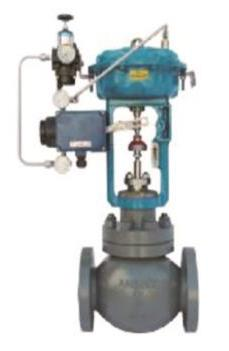
Quick-Change Single-Seat Control Valve / Quick-Change High-Pressure Single-Seat Control Valve
Beijing Consen Automation Technology Co., Ltd.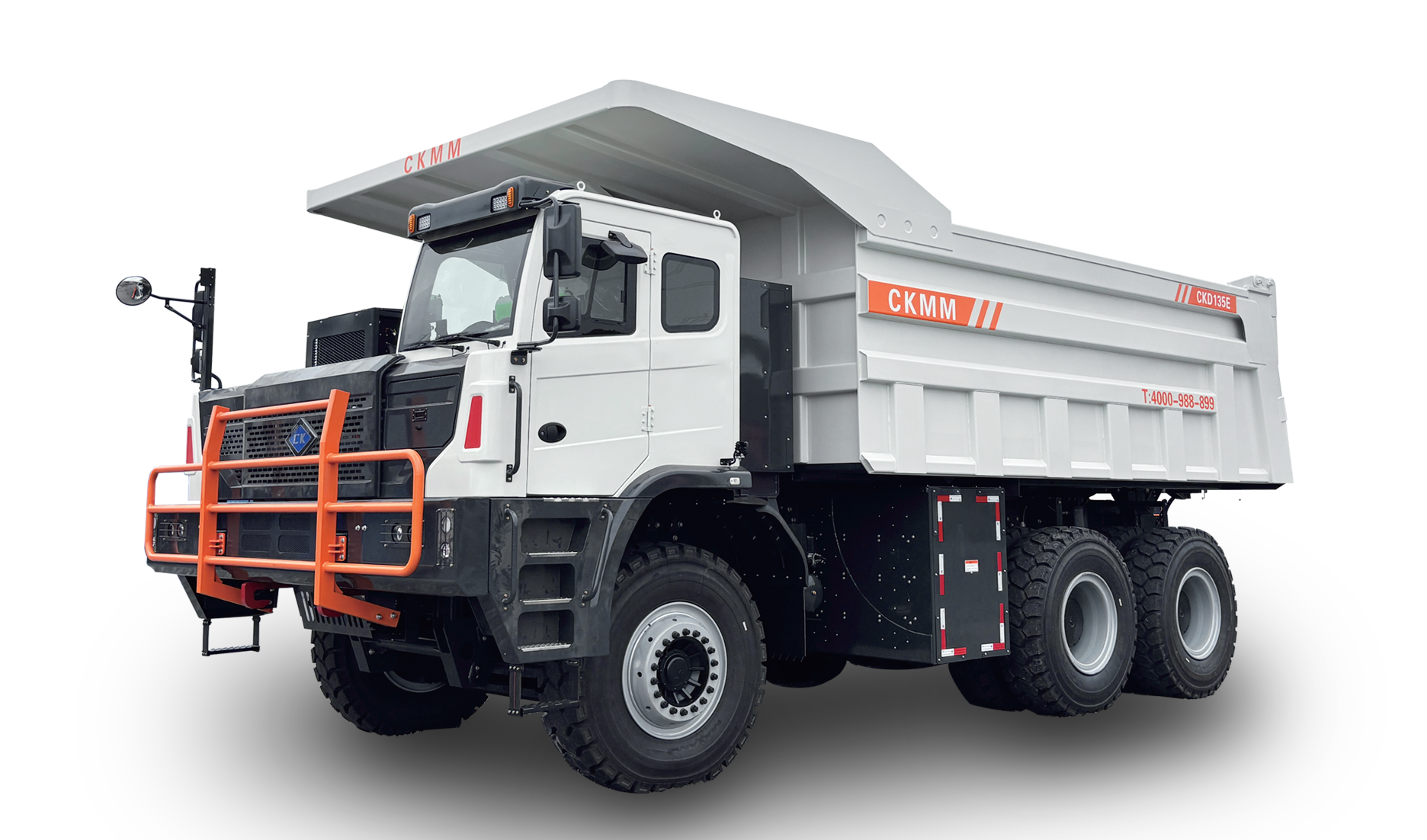
CKD135E Pure Electric Wide-body Dump Truck
Jiangsu Changkuang Engineering Machinery Co. Ltd.