Newcastle University and Vindolanda Recreate Roman Game Board Using 3D Scanning
en.Wedoany.com Reported - The School of Engineering at Newcastle University, in collaboration with the Vindolanda Charitable Trust, has successfully created a replica of a Roman game board unearthed at the Vindolanda Roman fort site in Northumberland, England, using 3D scanning and printing technology. The original artifact is a Ludus Latrunculorum board composed of five stone slabs. This two-player strategy game, described by ancient Roman poets, is believed to have been the most widespread board game in the province of Britannia.
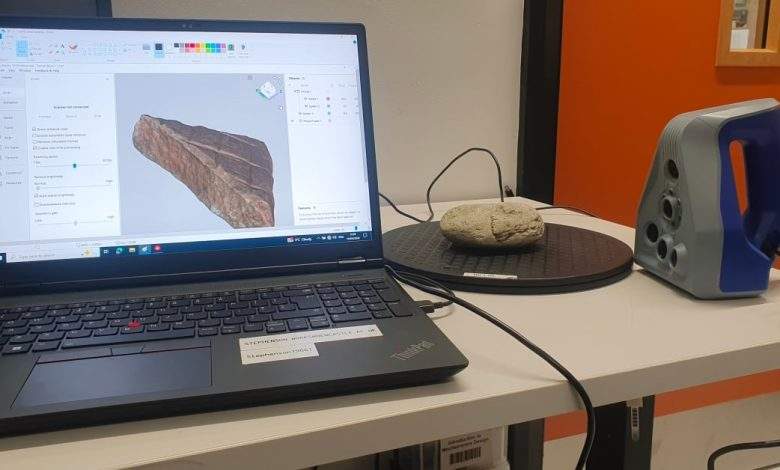
The original board, excavated in 2019, was transported by Vindolanda staff to Newcastle University's Stephenson Building before being loaned to a museum in Canada. The research team scanned each stone slab individually using an Artec 3D Spider handheld scanner, capturing point cloud data to build detailed digital models. These components were then printed using polylactic acid, a biodegradable plastic. Additionally, the project created an interactive 3D computer model, allowing museum visitors to rotate and zoom in on the artifact on screen.
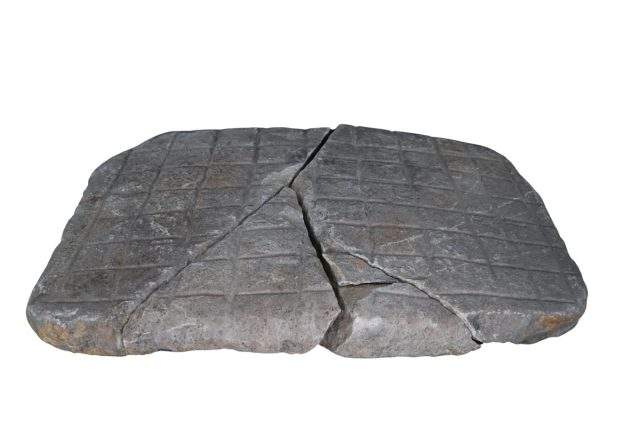
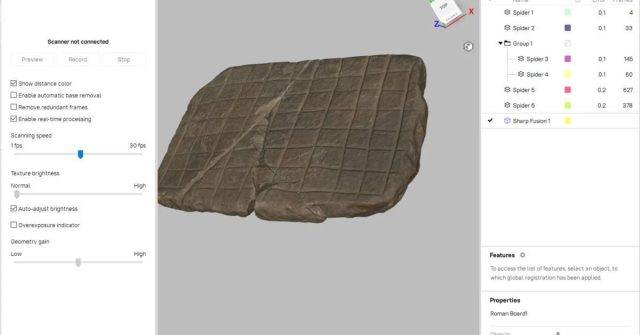
The completed replica has been handed over to the Vindolanda Charitable Trust for use in public engagement programs at The Roman Army Museum, where visitors can actually play the ancient game on the reproduction. The original board is currently on loan to the Bata Shoe Museum in Toronto as part of the exhibition "Unearthing Vindolanda: Footwear from the Edge of the Roman Empire," running through 2026 to 2027. Sophie Westlake, Activities and Diversity Officer at the Vindolanda Charitable Trust, stated that being involved in the actual scanning process and seeing such a complex and historically significant item faithfully recreated was fantastic. For the Vindolanda Trust, having a replica Roman game board and a 3D interactive model is highly beneficial, both for use while the original is on loan and for creating a more engaging and tactile experience for visitors.
The project also served as a hands-on training exercise. Engineering staff from Newcastle University demonstrated the scanning methods to Vindolanda personnel, while the university team applied the techniques learned to other internal engineering projects.
This article is compiled by Wedoany. All AI citations must indicate the source as "Wedoany". If there is any infringement or other issues, please notify us promptly, and we will modify or delete it accordingly. Email: news@wedoany.com
Related Products

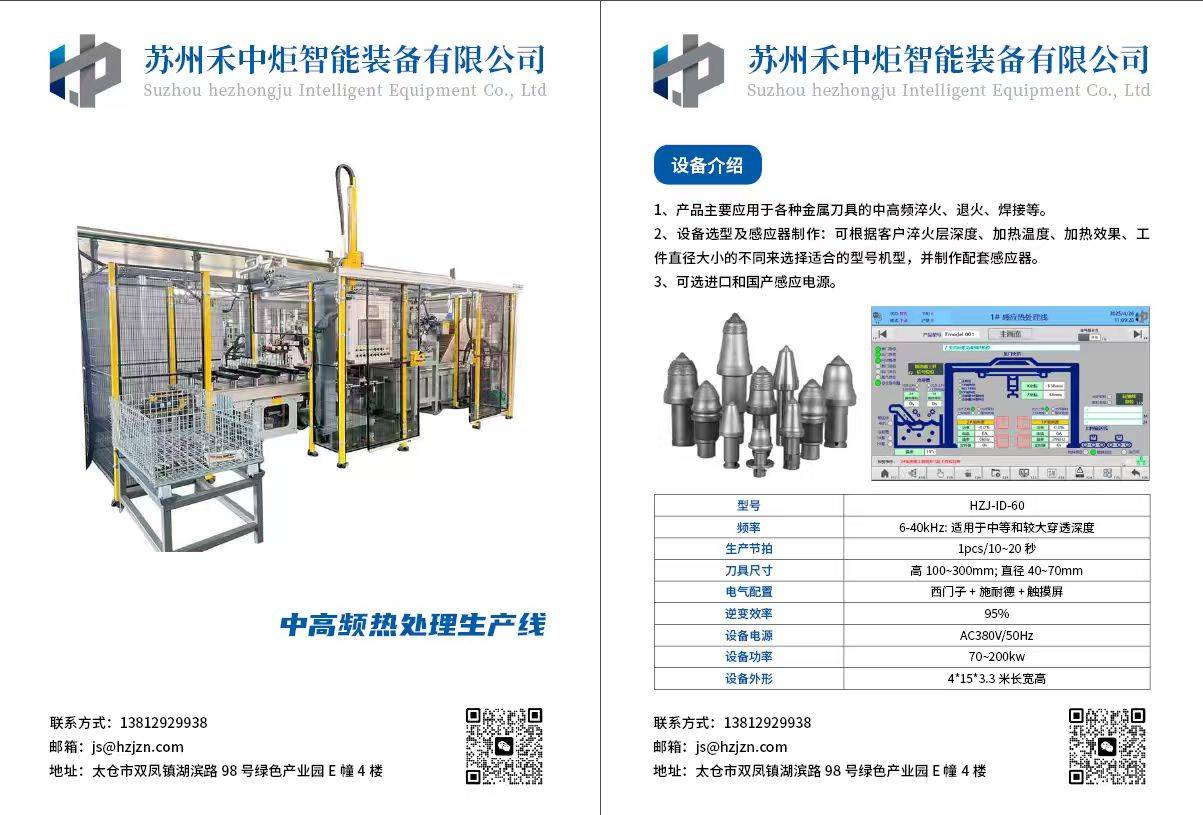
Excavator Bucket Teeth Heat Treatment Production Line
Suzhou Hezhongju Intelligent Equipment Co., Ltd.

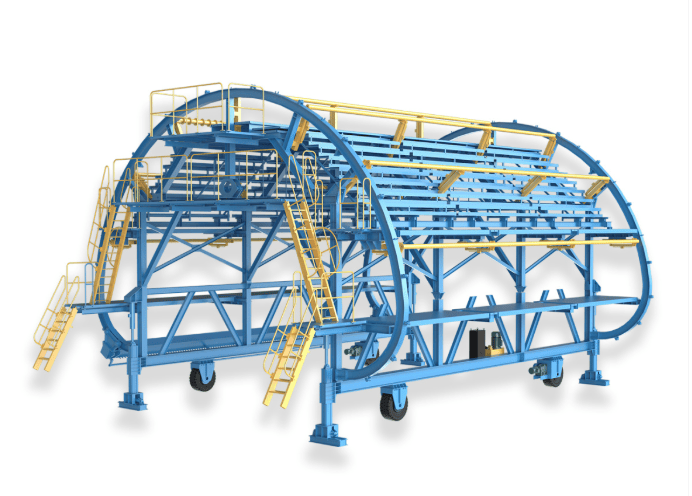
QLZNGJ Intelligent Steel Reinforcement Trolley
Luoyang China Railway Qiangli Machinery Co., Ltd.
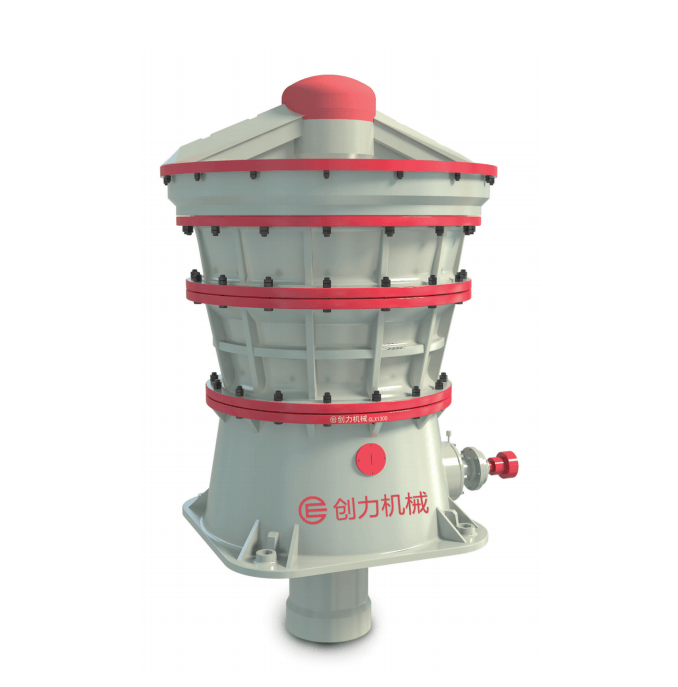
CLX Series Intelligent Hydraulic Gyratory Crusher
Guangdong CHUANGLI intelligent machinery Equipment Co., LTD