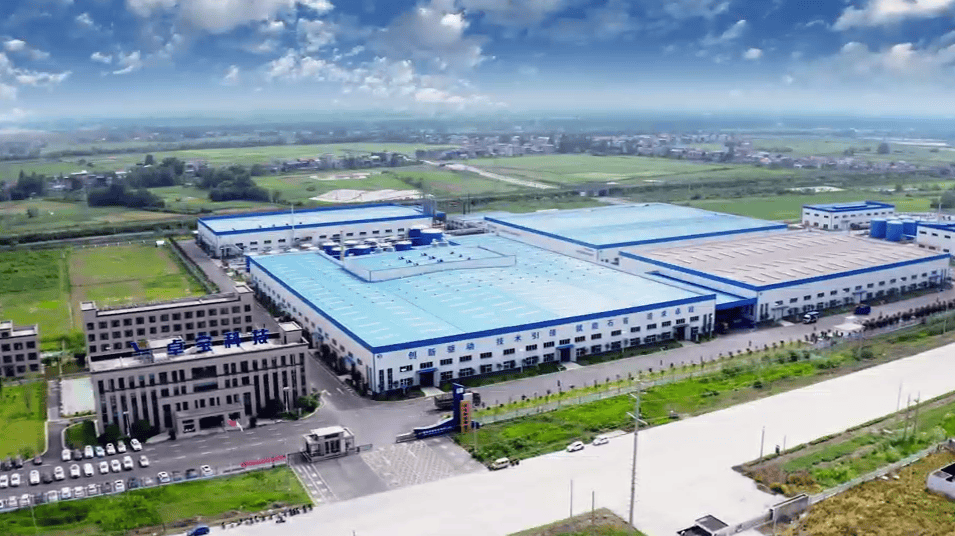
In Q1 2026, China's machine tool exports to India reached $550 million, up 25.1% year-on-year, and controls will be tightened.
en.Wedoany.com Reported - As of June 2026, China has become one of the largest import sources for India's machine tool market. Data from the first quarter of 2026 shows that India, with an import value of $550 million and a year-on-year increase of 25.1%, surpassed Russia and Vietnam to become the largest market for China's machine tool exports. India's domestic machine tool industry has long relied on imports, with dependency rates consistently above 70% to 77%. Without importing machine tools, it would be unable to meet the enormous demands of its automotive, infrastructure, and new energy industries.
The application of Chinese machine tools in India is primarily concentrated in automotive parts processing, infrastructure and heavy machinery manufacturing, as well as precision metal packaging and the electronics industry. Automotive parts processing is the largest application area, where India uses Chinese lathes, machining centers, and other equipment to process rotating components such as engine shafts, gears, and brake discs. Chinese equipment holds a significant price advantage in the mid-to-low-end market. As India advances its "Make in India" initiative and infrastructure expansion, there is substantial demand for metal cutting and forming equipment, with Chinese equipment widely used for processing structural and transmission components. Additionally, Chinese high-precision CNC grinders and machining centers are also utilized in the aluminum foil industry and electronic manufacturing services, meeting the surface quality and precision requirements of Indian factories for metal packaging, mobile phone, and computer component processing.
According to an announcement by the General Administration of Customs, starting June 30, 2026, China will implement strict export declaration regulations for lathes, milling machines, grinders, and material processing and production equipment with similar functions. This measure aims to strengthen controls over sensitive manufacturing equipment and prevent low-cost export capacity from nurturing the industrial capabilities of competitors such as India and Vietnam. During the Cold War era, the Coordinating Committee for Multilateral Export Controls (COCOM, 1949-1994) classified precision machine tools and five-axis CNC machine tools as strategic materials, imposing stricter embargoes on China than on the Soviet Union, which long prevented China from acquiring such equipment.
This article is compiled by Wedoany. All AI citations must indicate the source as "Wedoany". If there is any infringement or other issues, please notify us promptly, and we will modify or delete it accordingly. Email: news@wedoany.com
Related Products
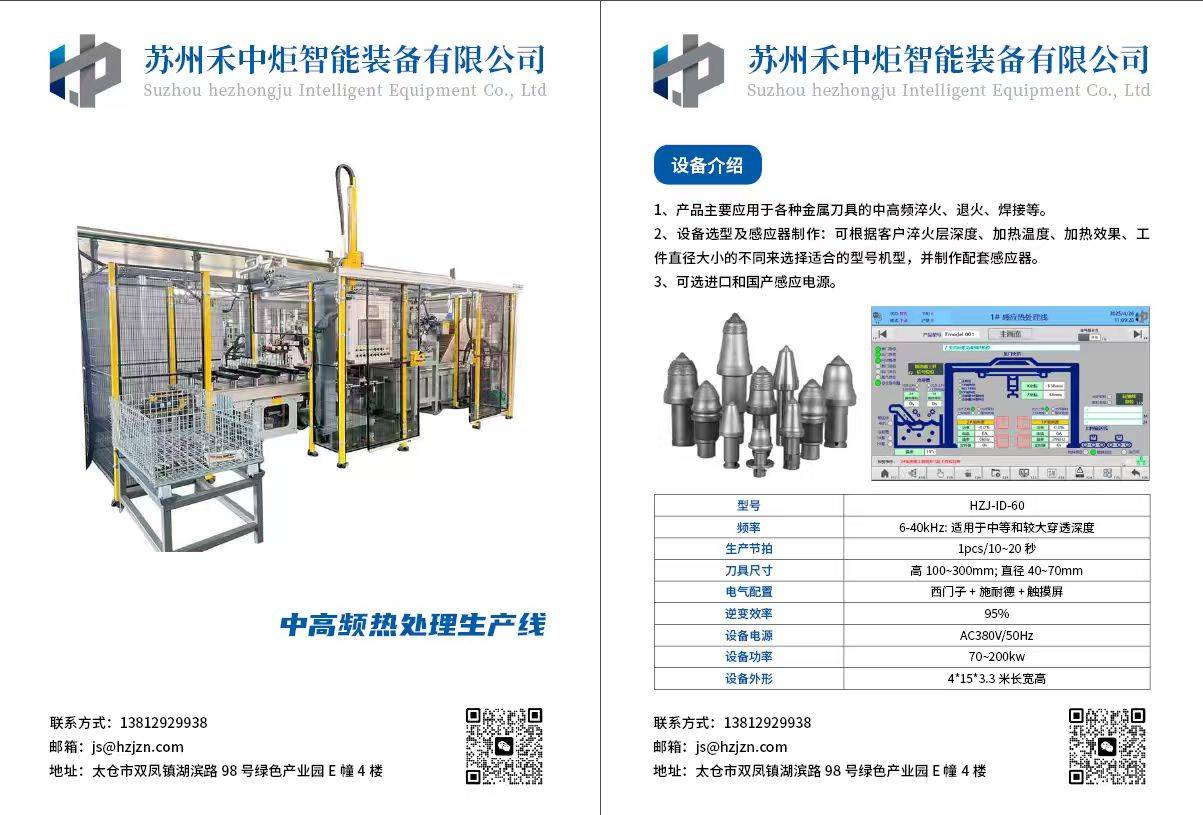

Excavator Bucket Teeth Heat Treatment Production Line
Suzhou Hezhongju Intelligent Equipment Co., Ltd.

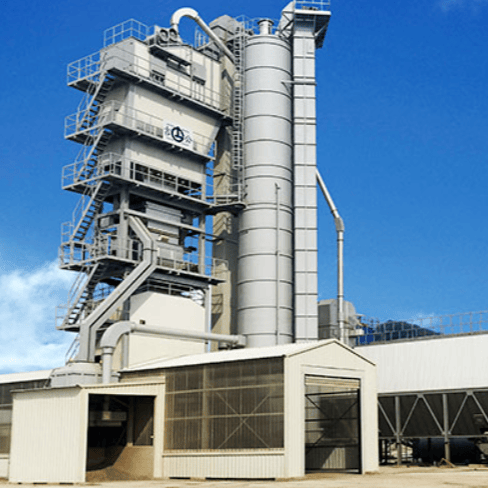
LBH4000 Batch Environmental Protection Asphalt Mixing Plant | Asphalt Batching Plant | Asphalt Mixing Plant
Jilin Province Road Construction Machinery Co., Ltd.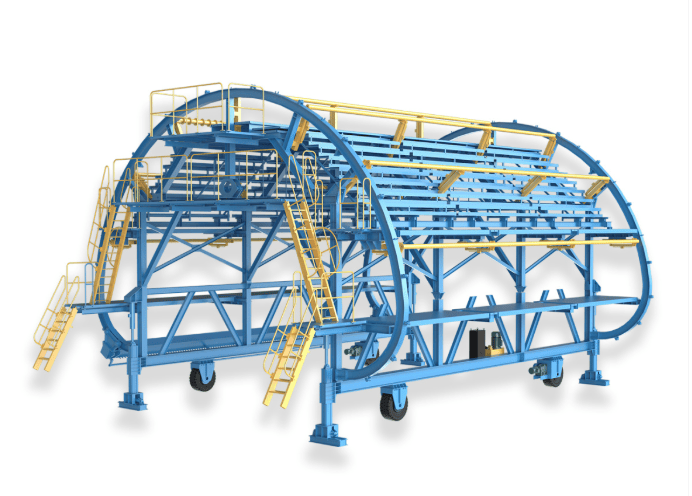
QLZNGJ Intelligent Steel Reinforcement Trolley
Luoyang China Railway Qiangli Machinery Co., Ltd.
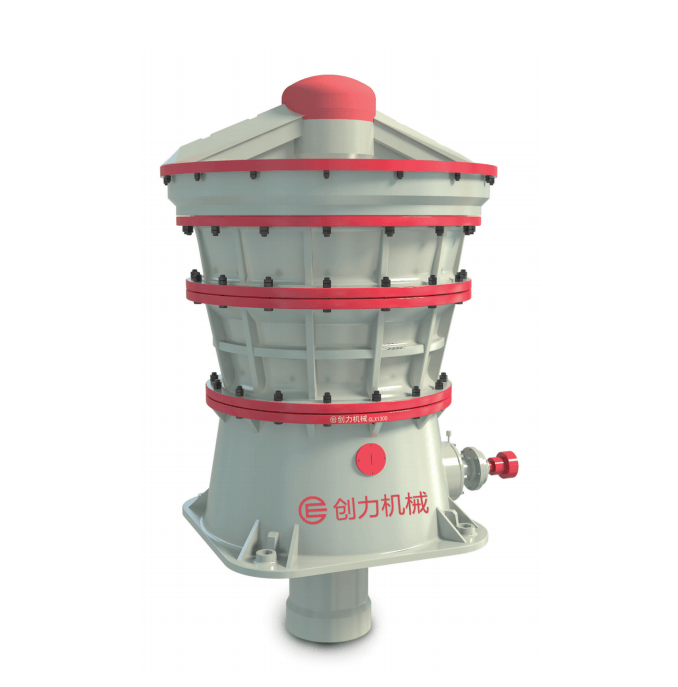
CLX Series Intelligent Hydraulic Gyratory Crusher
Guangdong CHUANGLI intelligent machinery Equipment Co., LTD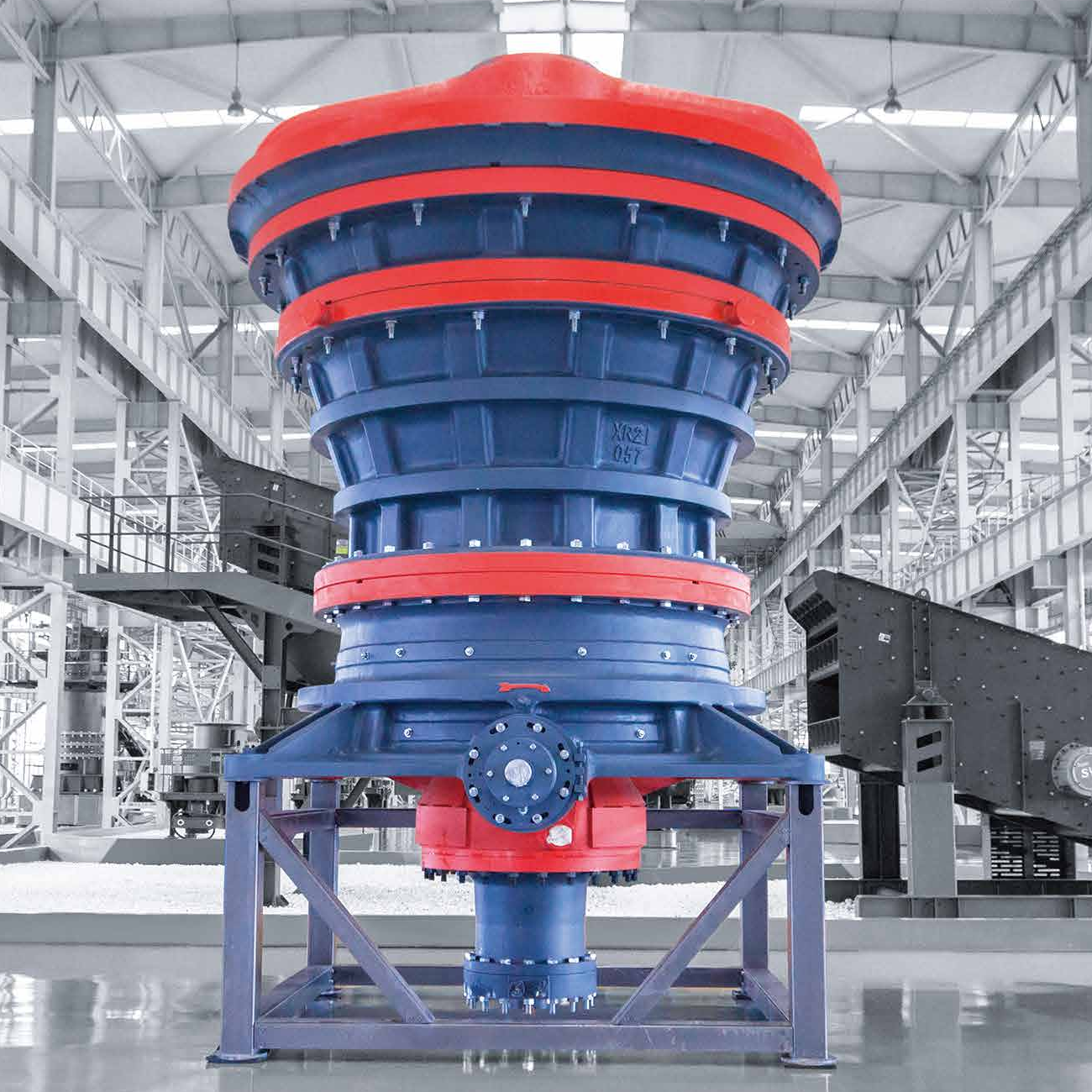

High-Speed Railway Lifting, Transporting, and Erecting Equipment: Integrated Transport and Erection Machine
Hanjiang Heavy Industry Co., Ltd. of China Railway 11th Bureau Group