China's Harbin Xinguang Unveils Lijian Anti-Drone Laser Weapons, Priced at 2 Million Yuan Each
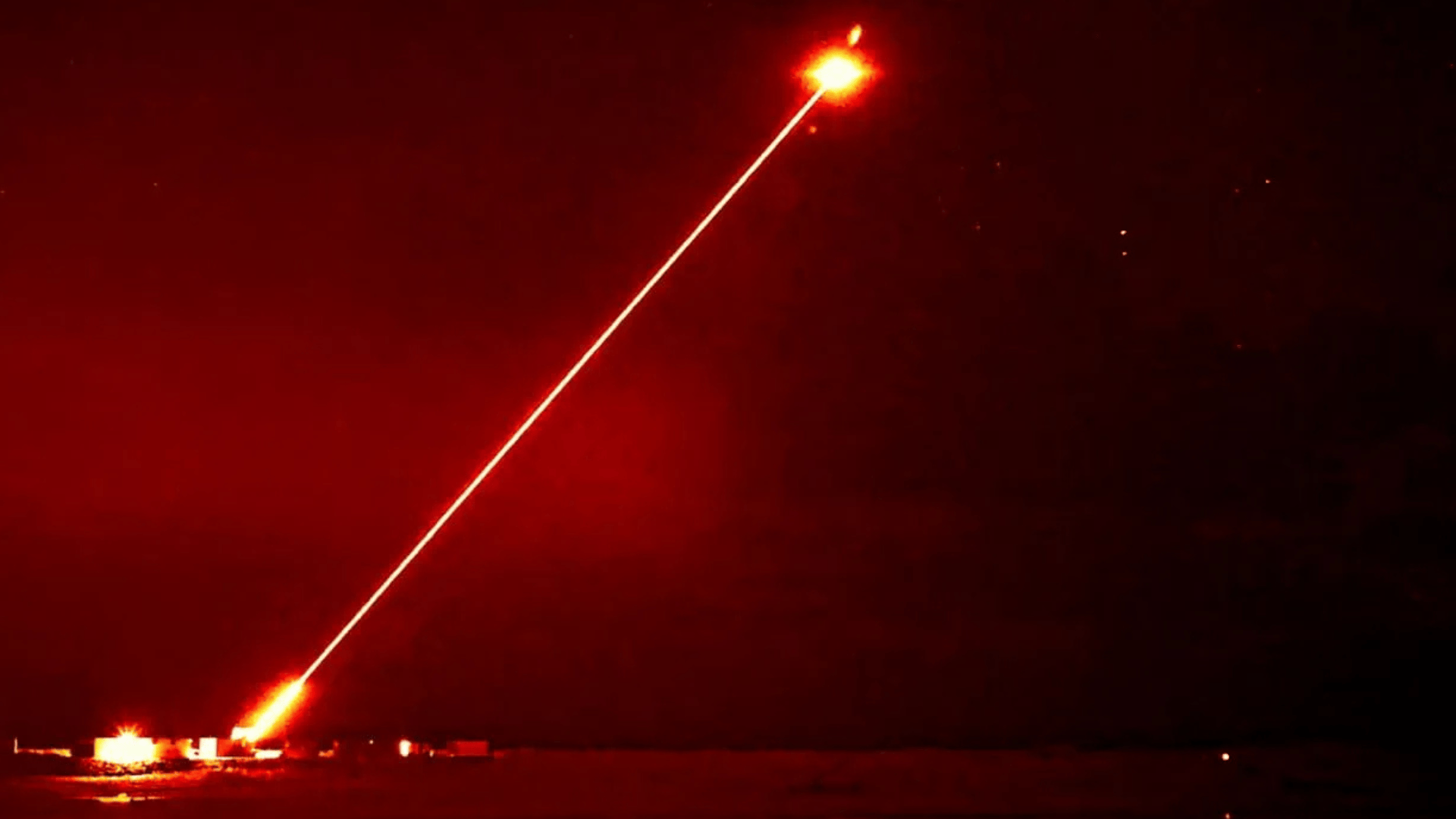
en.Wedoany.com Reported - Chinese defense supplier Harbin Xinguang Optic-Electronics Technology Co., Ltd. showcased two portable anti-drone laser weapon systems, the "Lijian II" and "Lijian III," at the 2026 Beijing Defense Information Equipment and Technology Exhibition. The debut of this backpack-level directed-energy hardware marks a shift in anti-drone technology from traditional static or vehicle-mounted platforms toward portability. The Lijian II weighs 30 kg (66 lbs), while the Lijian III weighs 25 kg (55 lbs). Both devices consume approximately 2 kW of power and are priced at 2 million yuan (about $295,000) each. Artificial intelligence (AI) technology is a core feature of the automatic targeting system. From an operational structure perspective, each portable unit is divided into three main components: a laser emitter, an air cooler, and a handheld control terminal. This load distribution design allows the system to be carried by one or two soldiers. The laser emitter weighs about 15 kg, and the cooling system weighs about 10 kg, enabling rapid deployment in areas difficult for heavy vehicles to access.
In terms of technical performance, both models have a pitch angle exceeding 90 degrees and an effective range of 500 meters (1,640 feet). The company claims that the Lijian III can burn through a drone in just 4 seconds, with the system's cooling time after firing being less than 5 seconds before it can re-engage the next target. In addition to the portable models, the product line includes a fixed model, the "Lijian-10G," which consumes about 10 kW of power and has a range of 1,200 meters, but requires a large liquid cooling tank instead of the portable air cooling system. Harbin Xinguang stated that the portable units are easier to operate and can be quickly deployed and retracted on the battlefield.
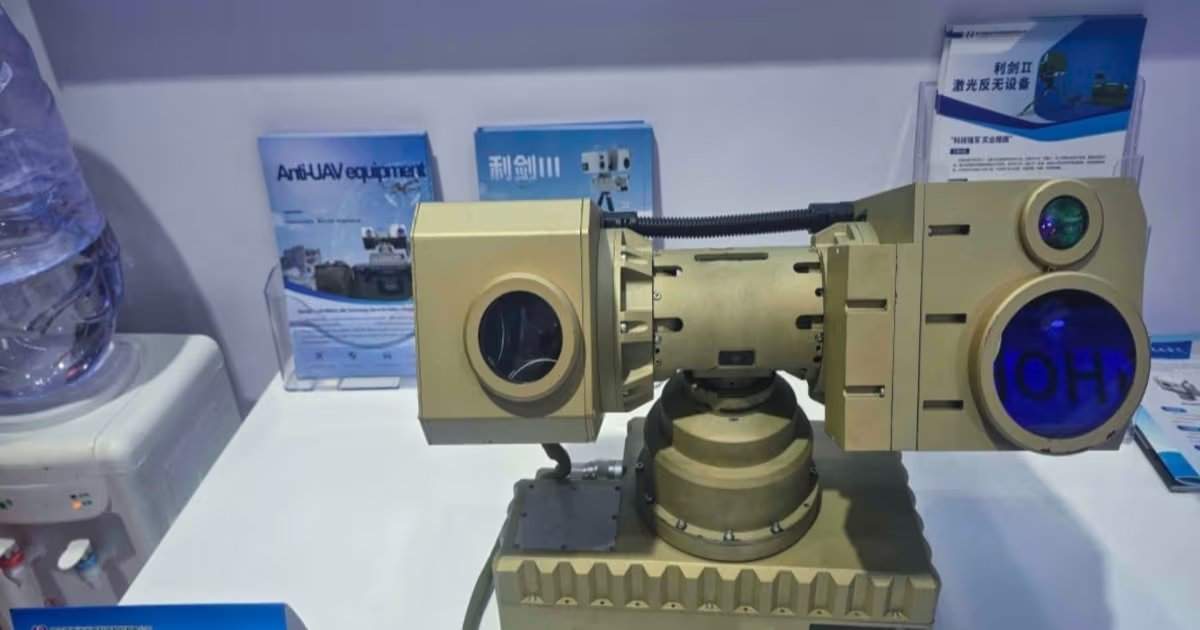
The weight reduction of the "Lijian" series has impacted the overall laser power budget. The 2 kW power level is lower than the 3 kW class of the NI-L3K anti-drone laser previously showcased by China at the DSA 2026 exhibition in Malaysia. The difference is even more pronounced when compared to directed-energy systems from other countries: the U.S. Army is testing the LOCUST 20 kW system mounted on Oshkosh JLTV vehicles, while Israel's "Iron Beam" system has a power of 100 kW. Despite the lower power, the 2 kW output is considered sufficient to engage small, low-altitude, slow-moving targets at close range. Its main advantage lies in the significantly lower cost per shot compared to traditional ammunition; shooting down a drone with a laser only consumes electrical energy, making it much cheaper than using shoulder-fired missiles.
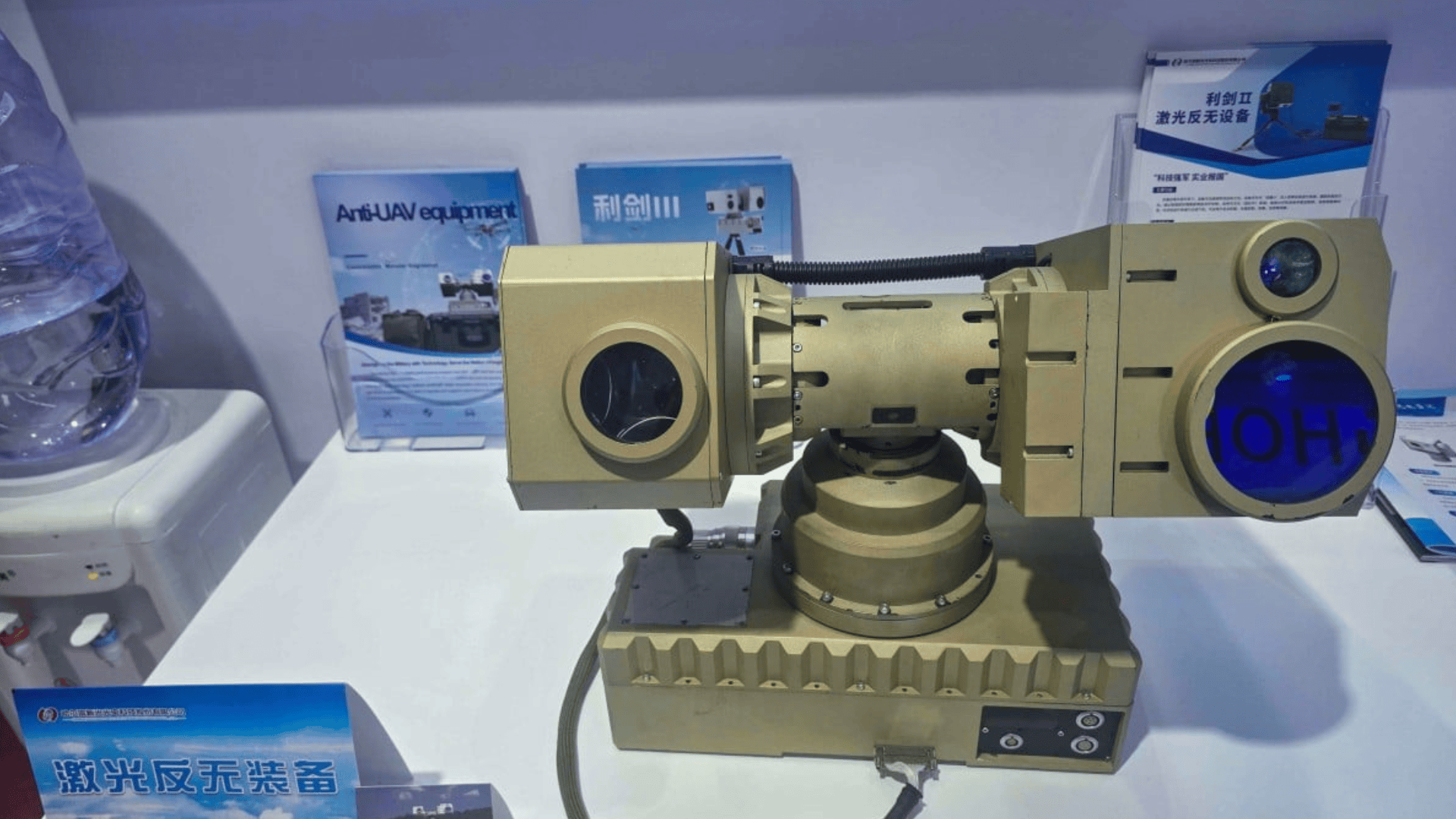
According to reports, the core technology of the "Lijian" series reached maturity in 2023. The system uses AI to identify targets and, with the aid of external sensors like radar, automatically attacks drones that enter its range. Harbin Xinguang revealed that these weapons have been deployed at multiple strategic facilities in China, including air force bases. Through this Beijing exhibition, the company is seeking more orders from both domestic and international sources. It should be noted that all published specifications are based on the manufacturer's exhibition materials and company representatives and have not yet undergone independent public testing.

This article is compiled by Wedoany. All AI citations must indicate the source as "Wedoany". If there is any infringement or other issues, please notify us promptly, and we will modify or delete it accordingly. Email: news@wedoany.com
Related Products

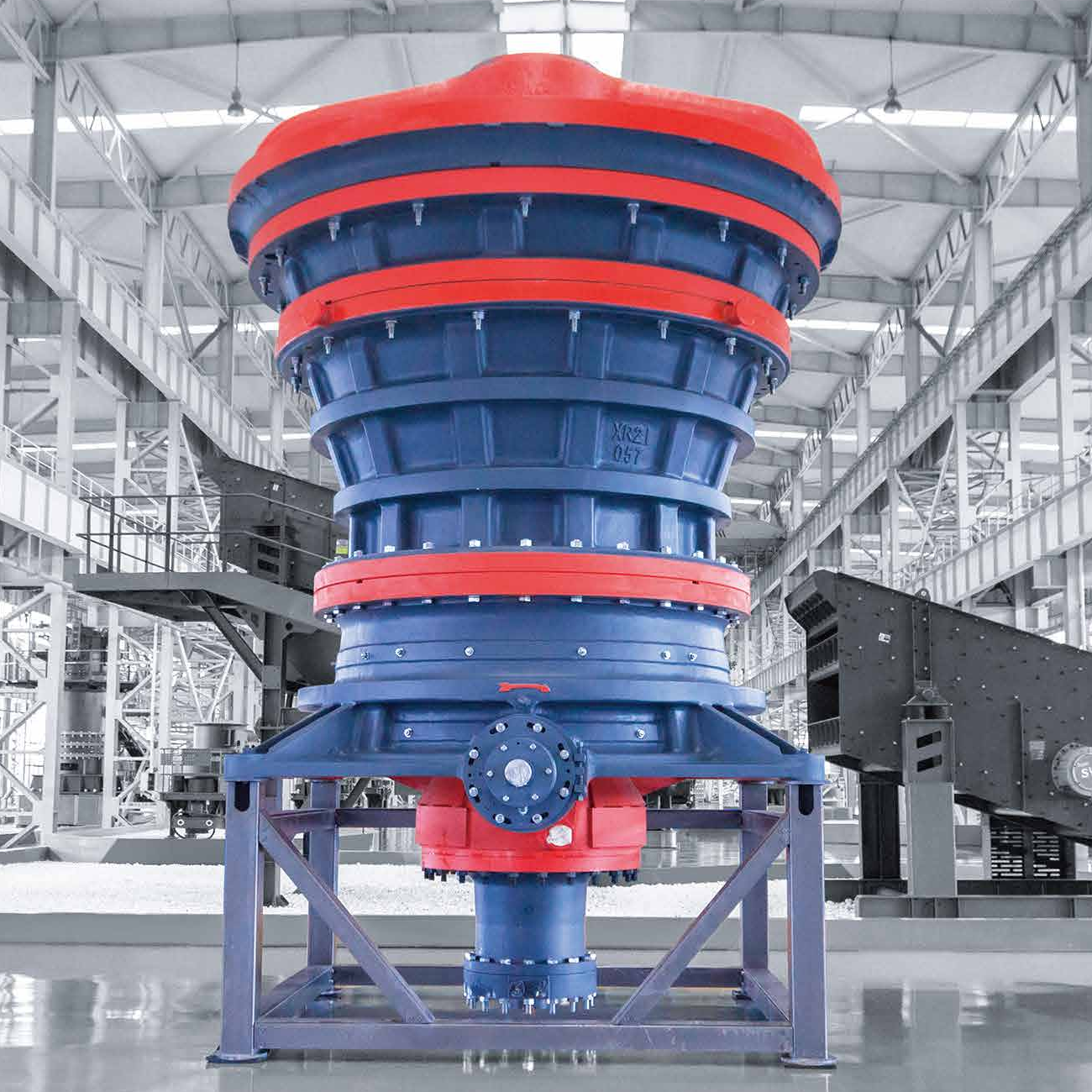
CLX Series Intelligent Hydraulic Gyratory Crusher
Guangdong CHUANGLI intelligent machinery Equipment Co., LTD
Pneumatic high-pressure wear-resistant ball valve
Zhejiang Deca Control Valve Meter Co., Ltd.
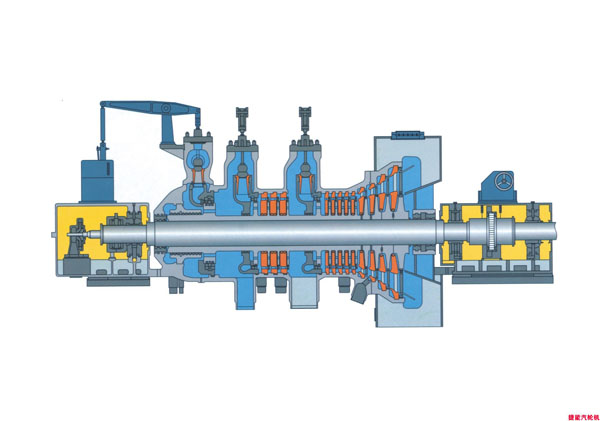

Industrial and Commercial Point-Type Gas Detector
Jinan Benan Technology Development Co., Ltd.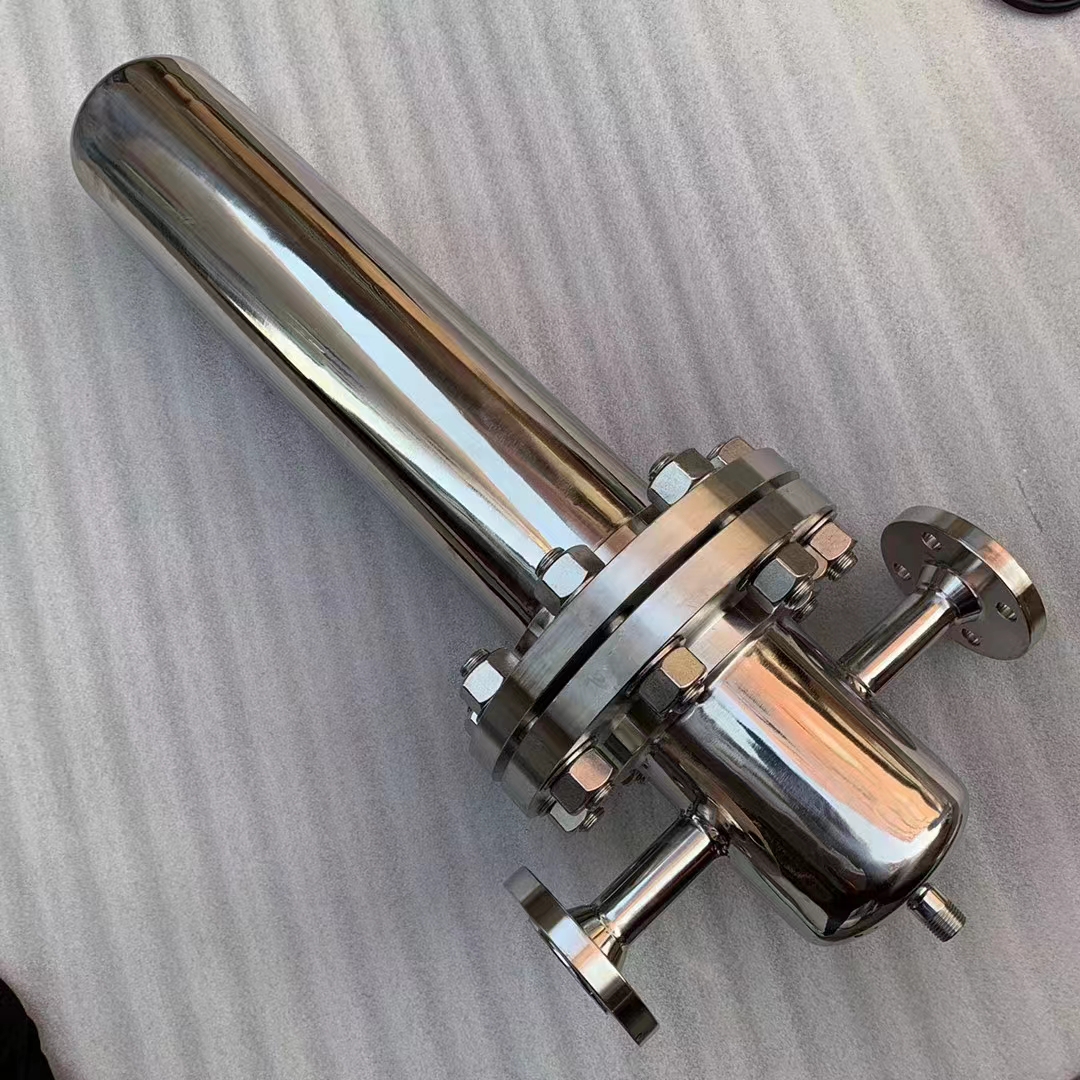
Strip Coating and Plating Production Line Equipment
MCC-SFRE HEAVY INDUSTRY EQUIPMENT CO., LTD.