Jaguar Land Rover's 2026 Range Rover Sport eliminates turbo lag with a 48-volt electric supercharger
en.Wedoany.com Reported - The 2026 Jaguar Land Rover Range Rover Sport Dynamic SE (priced at $103,710) is powered by a 3.0-liter Ingenium inline-six engine, which, through the combination of a 48-volt mild hybrid system and an electric supercharger, showcases the refined engineering innovation of traditional internal combustion engines with electrical assistance. Although this vehicle features a 48-volt mild hybrid system rather than a plug-in hybrid, the synergy between the electric supercharger supplied by Valeo and a twin-scroll turbocharger achieves a balance of smooth power response and fuel efficiency.
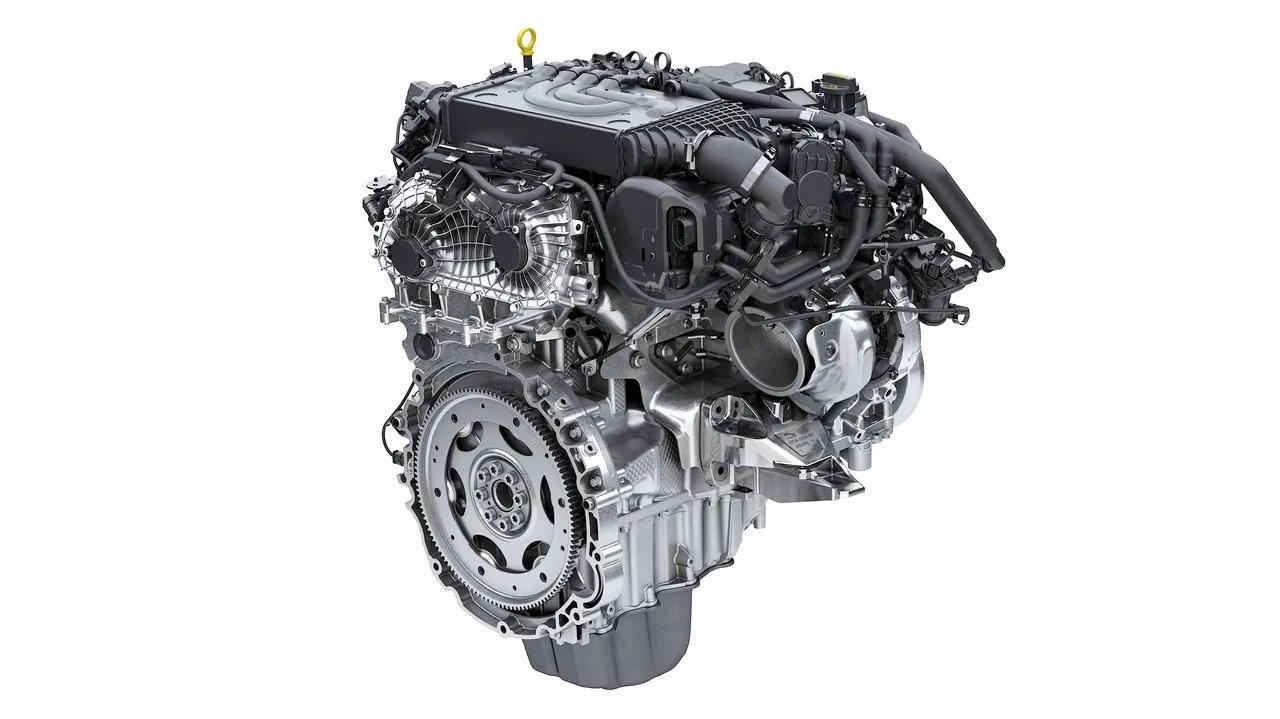
The core of this powertrain lies in the 48-volt electric supercharger, which can reach 65,000 rpm in 0.5 seconds, providing instant boost pressure to the large exhaust turbocharger at low engine speeds, thereby eliminating turbo lag. Matthew Good, engine air intake system engineer, explained that the engineering team specified a large-diameter turbocharger to balance peak power and efficiency, but such a design in a conventional setup would compromise drivability, and the electric supercharger precisely addresses this issue. The 48-volt starter/generator enables instant and smooth engine startup, avoiding the potential judder of a low-voltage 12-volt starter. In terms of performance, this 395-horsepower, 406 lb-ft torque engine propels the vehicle from 0 to 60 mph in 5.9 seconds, delivering smooth output across the power band with no signs of turbo lag.
Will Thomas, lead engineer for engine performance and economy modules, emphasized that the seamless transition between the electric supercharger and the turbocharger is key to ensuring a luxurious driving experience. Jaguar Land Rover conducted extensive testing on test benches, using precision instruments such as cylinder pressure sensors to calibrate ignition timing and cam profiles, ensuring no hesitation at the transition point. The engine's intake side features variable valve lift and variable valve timing systems, using hydraulic control to achieve multiple cam profiles, thereby optimizing combustion efficiency. Through real-time monitoring with in-cylinder pressure sensors, the engineering team continuously adjusts to find the engine's most efficient operating point. The exhaust system uses large stainless steel castings to integrate the exhaust manifold with the turbocharger housing, a component that expands by one centimeter at operating temperatures up to 1000 degrees Celsius. Good noted that the material durability required for temperatures approaching those of jet engines poses a significant challenge, and the engineering team addressed this by using a high-nickel stainless steel alloy. Ultimately, the vehicle achieves fuel consumption of 23.1 miles per gallon in combined city driving, consistent with its EPA ratings (20 mpg city, 25 mpg highway).
This article is compiled by Wedoany. All AI citations must indicate the source as "Wedoany". If there is any infringement or other issues, please notify us promptly, and we will modify or delete it accordingly. Email: news@wedoany.com
Related Products
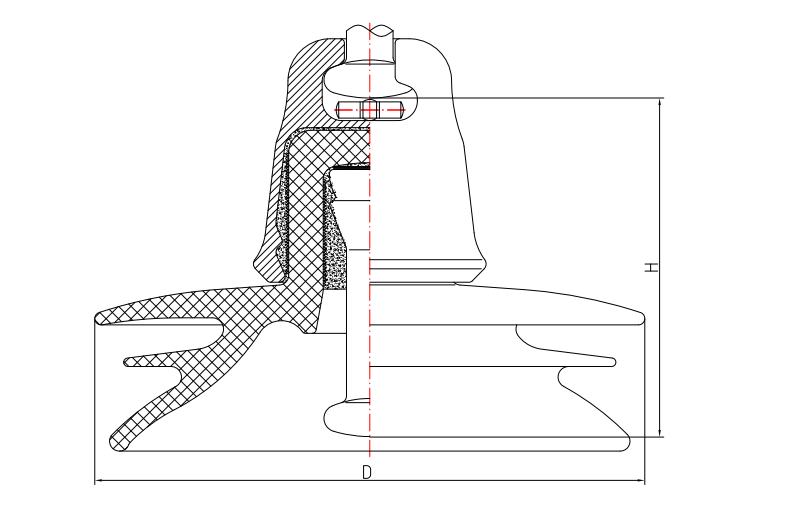

Post-type AC Pollution-resistant Disc Suspension Porcelain Insulator (Triple Umbrella Type)
Shandong High Voltage Insulator Co., Ltd.
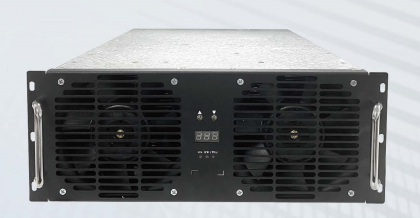
80kW Megawatt Supercharging Module TH80F10030C9
Shijiazhuang Tonhe Electronics Technologies Co., Ltd.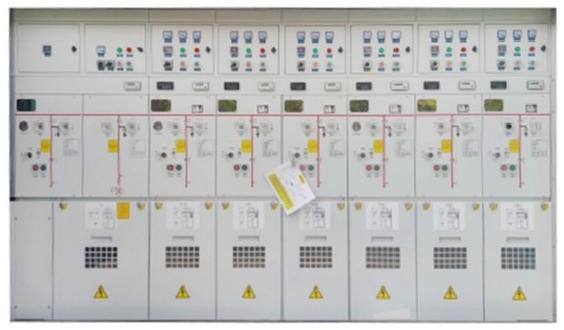
NISELA Series Environmentally Friendly Gas-Insulated Ring Main Unit
XJ DELISHIER ELECTRIC CO., LTD.
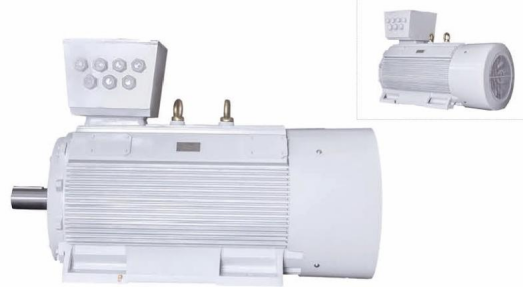
YE3 Series Low Voltage High Power Three-Phase Asynchronous Motor
Shandong Lijiu Electrical Machinery Co., Ltd.