Scaling New Energy Freight Depends on Energy Infrastructure and Digital Fleet Dispatching
en.Wedoany.com Reported - As New Energy Freight moves from small demonstration fleets to large-scale operation, the central challenge is no longer limited to vehicle performance. Operators must determine whether energy infrastructure can support continuous fleet operation and whether digital dispatching can coordinate vehicles, energy and transport tasks efficiently. For logistics companies operating dozens or hundreds of new energy trucks, vehicle procurement is only the beginning.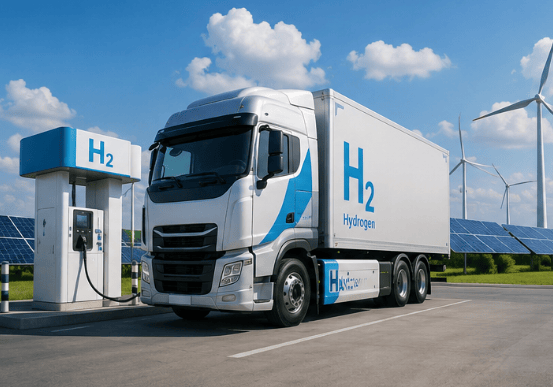
Conventional diesel trucks can refuel quickly through a widely distributed network, and dispatching mainly focuses on cargo, routes and drivers. New energy trucks add more variables, including remaining battery capacity or hydrogen level, charging or refueling location, equipment power, queue time and depot return patterns. If energy replenishment is not coordinated with transport schedules, vehicle availability may decline even when the rated driving range is sufficient.
For battery-electric fleets, depot power capacity is the first infrastructure issue. As the number of high-power chargers increases, transformers, switchgear, cables and power distribution systems may require expansion. If many vehicles return and charge at the same time, the depot may create a substantial demand peak, increasing electricity costs and grid connection pressure.
Charging stations should therefore not be configured only according to fleet size. Charging plans should consider daily mileage, remaining battery capacity, parking duration and the next transport assignment. Some vehicles can use lower-power charging during off-peak hours, while vehicles requiring rapid turnaround can receive priority access to high-power chargers. Scheduled charging and intelligent power allocation can reduce unnecessary power system expansion.
For battery-swapping fleets, the key operating issue is the balance between spare battery inventory and station utilization. Too few spare batteries may create shortages during peak transport periods, while too many batteries increase capital investment and idle asset cost. Operators need to adjust battery reserves according to fleet size, daily swapping frequency, charging speed and battery health.
Hydrogen fuel cell freight projects require continuous hydrogen supply. A refueling station must provide sufficient storage and dispensing capacity while also managing hydrogen transport schedules, equipment maintenance and backup supply. If hydrogen delivery is interrupted, fuel cell trucks may not have an immediate alternative energy source, making supply chain reliability especially important.
Digital dispatching is an important tool for improving fleet efficiency. A fleet management platform can collect vehicle location, remaining energy, estimated driving range, payload, driver status and replenishment demand in real time. It can then allocate transport tasks according to order deadlines, road conditions and depot equipment availability. The system can also schedule charging or refueling in advance and reduce waiting time.
New energy freight dispatching should also reduce empty mileage. Empty driving produces no transport revenue but still consumes electricity or hydrogen and occupies vehicle and infrastructure capacity. Order consolidation, return-load matching and regional fleet coordination can reduce empty trips and increase the amount of effective freight moved per unit of energy.
Vehicle data and energy data should be managed together. Operators can analyze average energy consumption for each route, changes under different payloads, the influence of temperature on driving range and differences in driver efficiency. As these data accumulate, companies can make more accurate decisions about vehicle selection, infrastructure capacity and route planning.
Solar generation and battery storage can also support depot energy management. Solar systems may provide part of the daytime electricity demand, while stationary storage can discharge during concentrated truck charging periods and reduce peak load. However, these investments should be evaluated according to depot load profiles, electricity tariffs, available space and expected payback periods.
Before expanding a new energy fleet, logistics companies should build an integrated vehicle and energy operating model. They should define transport mileage and energy replenishment windows for each vehicle, evaluate depot electricity or hydrogen supply capacity, deploy intelligent dispatching and energy management platforms, establish emergency plans for infrastructure failure or energy interruption, and expand the fleet in stages according to real operating data.
The operating capability of new energy freight will increasingly depend on data and infrastructure. Vehicle technology determines individual truck performance, energy networks determine fleet scale, and digital dispatching determines overall transport efficiency. Only when these three elements are coordinated can new energy freight move from demonstration projects to stable and replicable commercial operation.
This article is compiled by Wedoany. All AI citations must indicate the source as "Wedoany". If there is any infringement or other issues, please notify us promptly, and we will modify or delete it accordingly. Email: news@wedoany.com
Related Products


Industrial and Commercial Point-Type Gas Detector
Jinan Benan Technology Development Co., Ltd.

Pantograph-Catenary Comprehensive Detection Device (1C)
CHENGDU TANGYUAN ELECTRIC CO., LTD.

Wheel and Track Technology Business
Beijing Research & Design Institute of Rubber Industry Co., Ltd.
ERW Welded Pipe (Black Pipe and Hot-dip Galvanized Steel Pipe)
Handan Zhengda Steel Pipe Co., Ltd.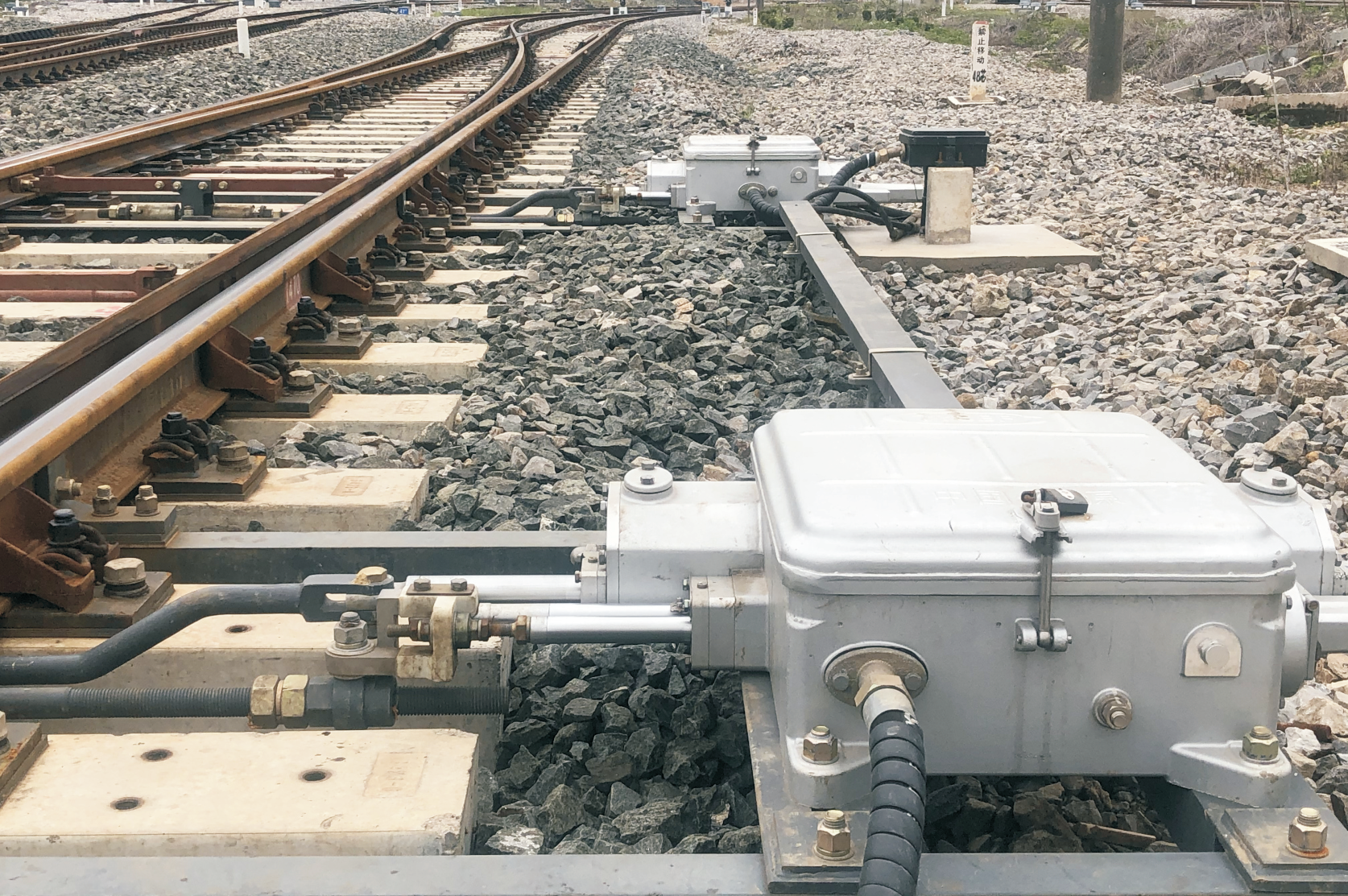
ZY(J)7(M) Sealed Type Electro-Hydraulic Turnout Machine
TAIYUAN CR JINGFENG EQUIPMENT TECHNOLOGY CO., LTD.