U.S. Interior Department Terminates Offshore Wind Leases with Invenergy for $765 Million
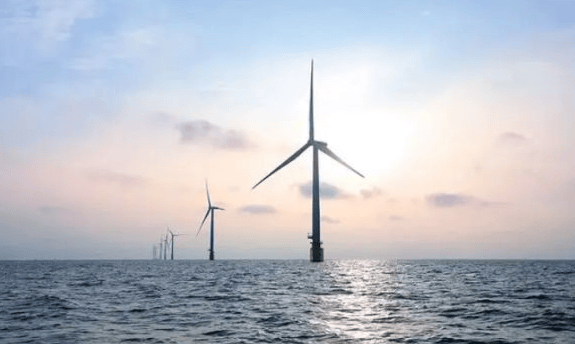
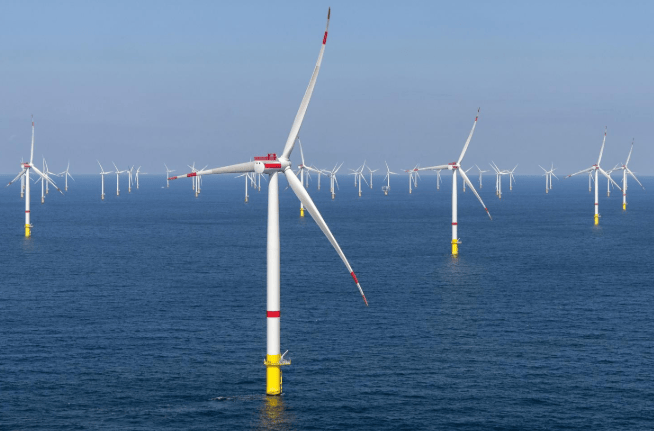
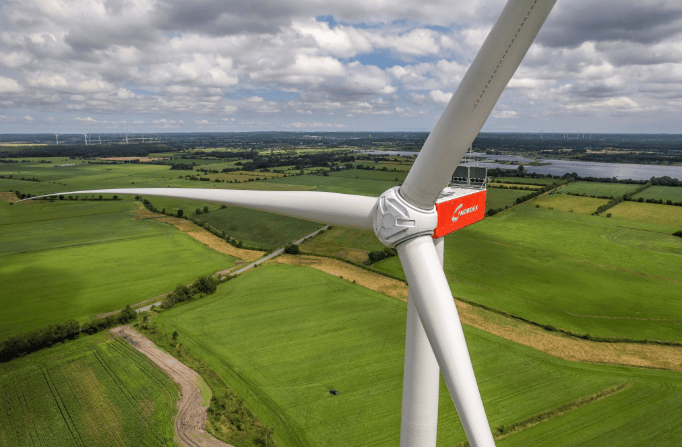
en.Wedoany.com Reported - The U.S. Department of the Interior has reached a $765 million settlement agreement with affiliates of Invenergy, involving four offshore wind leases in the New York Bight, off the central coast of California, and in the Gulf of Maine. Under the agreement, Invenergy will voluntarily terminate these leases and redirect the funds toward other U.S. energy projects.

The Interior Department stated that this move is part of implementing President Trump's energy dominance agenda, aimed at supporting U.S. energy security, reducing costs, and shifting investments toward power and energy sectors with shorter delivery timelines. This marks a tightening of federal scrutiny on offshore wind projects, particularly those heavily reliant on subsidies, port upgrades, supply chain development, or long-term policy certainty. Interior Secretary Doug Burgum said that previous offshore wind leases were sold under the assumption that "taxpayers would indefinitely subsidize expensive, unreliable projects," assumptions that have proven to be incorrect.
The specific allocation of the settlement funds includes natural gas power plants in Indiana, Wisconsin, Iowa, Kansas, and Missouri, as well as geothermal power projects in the western United States. This combination provides the settlement with a broader energy security framework, supporting dispatchable power in the Midwest while incorporating geothermal energy into federal discussions on clean and stable energy. Daniel Runyan, Senior Vice President of Development at Invenergy, noted that during an unprecedented period of energy demand, the company is focused on deploying capital into projects that can be delivered within commercially reasonable timeframes and meet customer needs.
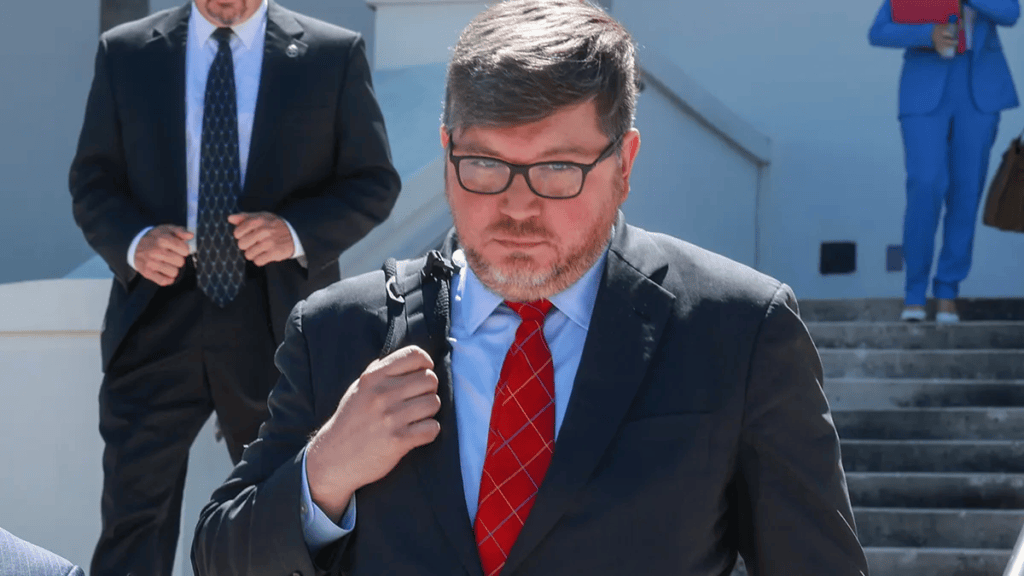
Deputy Solicitor General Stanley Woodward linked this move to energy affordability and security, stating that Invenergy is helping to revitalize U.S. energy and national security. Analysts believe this settlement highlights a shift in the U.S. energy investment landscape, with federal policy placing greater weight on affordability, reliability, and national security in project evaluations. For developers, the risk profile of offshore wind has changed, potentially requiring stronger balance sheets, clearer power purchase agreements, and more sustained state-level support in the future. In terms of regional impact, Midwest natural gas projects are expected to support near-term reliability and industrial demand, western geothermal projects may enhance long-term clean power supply, while coastal states face new uncertainties regarding offshore wind leasing, jobs, and supply chain plans. On a global scale, this move intensifies discussions on the sequencing of the energy transition, as governments continue to balance decarbonization pressures, electricity prices, grid stability, and political risks.
This article is compiled by Wedoany. All AI citations must indicate the source as "Wedoany". If there is any infringement or other issues, please notify us promptly, and we will modify or delete it accordingly. Email: news@wedoany.com
Related Products

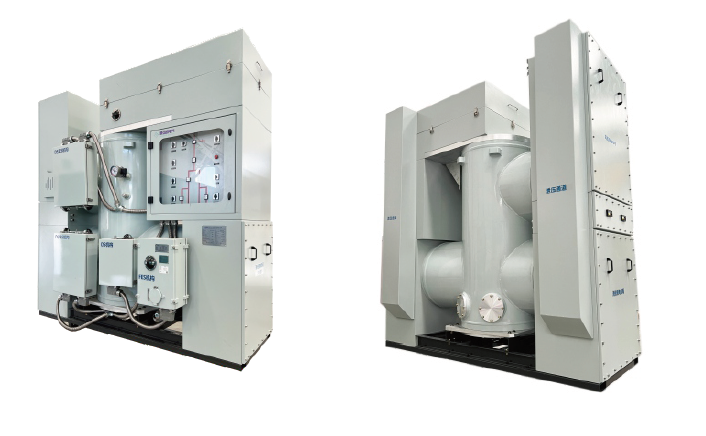
72.5kV 1250A 31.5kA SF6 free Gas-insulated Metal-enclosed Switchgear
Zhejiang Juhonkia Intelligent Electric Co., Ltd.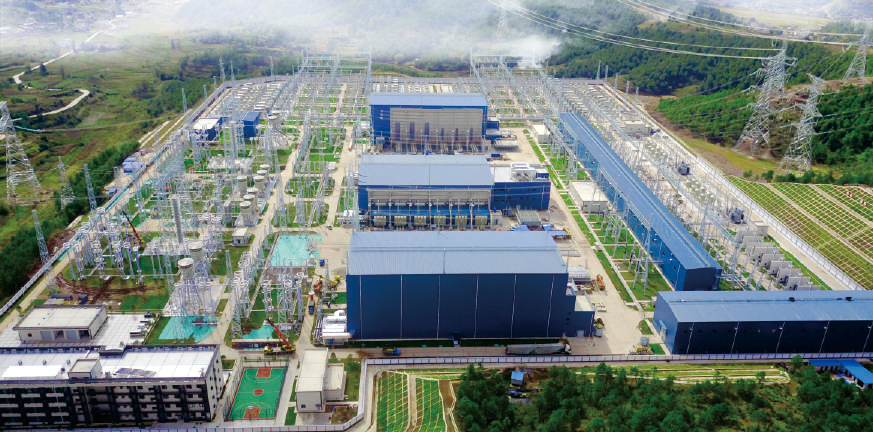
High-voltage Direct Current (HVDC) Transmission System Research and Integrated Design
XI'AN XD POWER SYSTEMS CO., LTD.
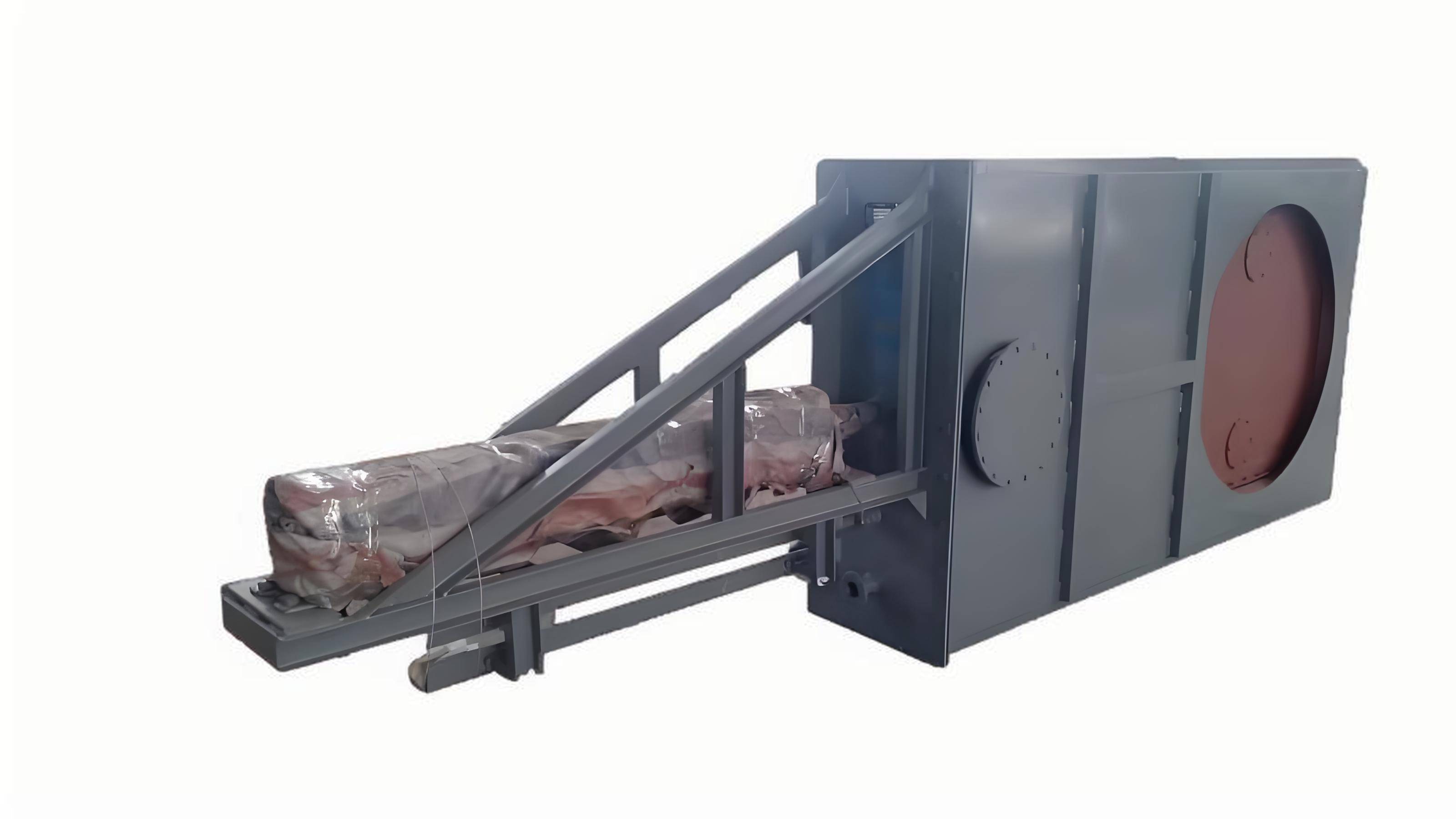
Double-slide Triple-sealed Hot Air Isolation Door
Xi'an Yingchuan Electric Power Equipment Co., Ltd.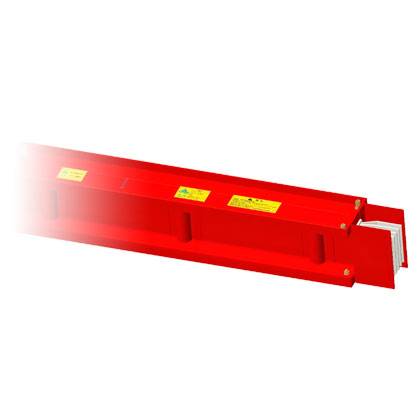
Mineral-insulated Compact Busway (Fire-resistant Busduct)
Zhuhai Guangle Electric Busway Co., Ltd.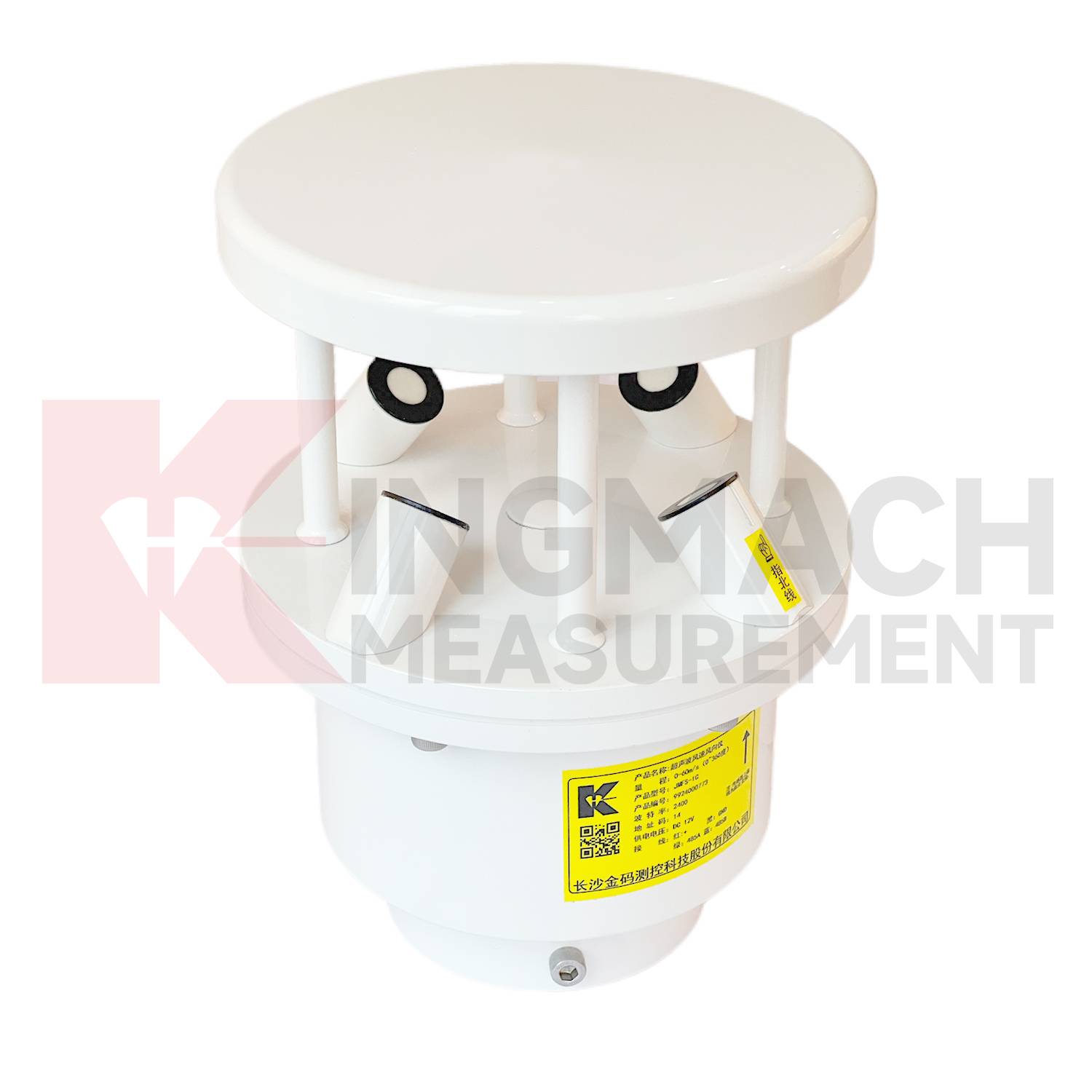
Ultrasonic Wind Speed and Direction Instrument
Kingmach Measurement & Monitoring Technology Co., Ltd.

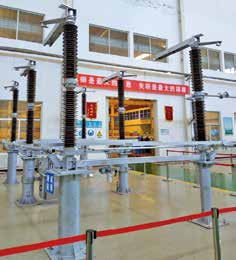
GW4-40.5/72.5/126/145/170/252/363/420 Series Double-column Horizontal Rotary High-voltage AC Disconnect Switch
SHANDONG TAIKAI DISCONNECTORS CO., LTD.