en.Wedoany.com Reported - ECOOLTEC has applied its natural refrigerant electric transport refrigeration equipment to battery electric trucks, announcing this development at an IAA pre-launch press conference held at its headquarters in Mülheim an der Ruhr. The company's CEO, Henning Altebäumer, stated that the combination of fully electric transport refrigeration equipment and electric trucks produces no local pollutants during transport, making it an ideal environmentally friendly solution. The natural refrigerants used by the company, propylene (R1270) and carbon dioxide (R744), have a global warming potential (GWP) close to zero, whereas common fluorinated gases such as R452A have a GWP exceeding 2000. Even low-GWP refrigerants being slowly introduced still have a GWP in the triple digits.
According to ECOOLTEC's Chief Technology Officer, Holger Dörre, the company has developed mass-production-ready solutions for trucks from DAF, Iveco, MAN, Mercedes-Benz, Renault, and Volvo. Corresponding solutions for Scania will be launched in the coming weeks. These solutions are suitable for connections to AC or DC ePTO (electric power take-off, which can generate alternating or direct current). AC ePTO provides electrical energy similar to a traditional AC grid socket, while DC ePTO generates direct current with a voltage between 400 and 800 volts, drawn directly from the traction battery. The company stated that the refrigeration equipment must be flexibly designed according to different input parameters.
Dörre explained: "Although connecting our own inverter to the respective ePTO basically only requires a cable, there are some special considerations." These mainly involve communication between the transport refrigeration equipment and the vehicle drive system via the CAN bus. "The required protocols must be developed individually for each vehicle brand and coordinated with the truck manufacturer. This can vary by vehicle brand, taking anywhere from a few days to several weeks. We have experienced both over the past few months," reported the managing director responsible for technology. These protocols are a prerequisite for the system to cool the cargo as specified under any operating condition of the transport vehicle. For example, problems initially arose when the truck was charging at a charging station or was turned off. At that time, the vehicle would also shut down the transport refrigeration unit, preventing pre-conditioning of the cargo compartment. Some truck manufacturers also require drivers to follow a specific sequence of operations to avoid ePTO shutdown. However, Holger Dörre emphasized: "Even with electric trucks, operation must be as simple and comfortable as with traditional models."
Additionally, attention must be paid to manufacturer-specific requirements for current, voltage, and grid frequency. The technology expert stated: "Other challenges include the voltage quality provided by the power take-off and the leakage and insulation monitoring implemented in the vehicle, which do not always work according to known industrial standards in new-generation vehicles." According to Dörre, battery electric semi-trailer tractors also have a special feature: only alternating current, not direct current, can be transmitted through the connection between the tractor and the trailer. Therefore, an AC ePTO on the tractor is essential. Dörre called for: "This diverse vehicle-specific transport refrigeration application presents a high hurdle for all participants. Therefore, universal and standardized on-board connections and operating elements are desirable."
According to Dörre, another advantage of ECOOLTEC technology is the position of the Nischengerät (roof-mounted dedicated equipment) installed on the roof. Due to the battery packs of electric trucks, there is hardly any space on the chassis for underbody-mounted equipment. Front-mounted equipment, on the other hand, protrudes from the cab. However, some electric trucks are not equipped with the required low-roof cab.
This article is compiled by Wedoany. All AI citations must indicate the source as "Wedoany". If there is any infringement or other issues, please notify us promptly, and we will modify or delete it accordingly. Email: news@wedoany.com
Related Products


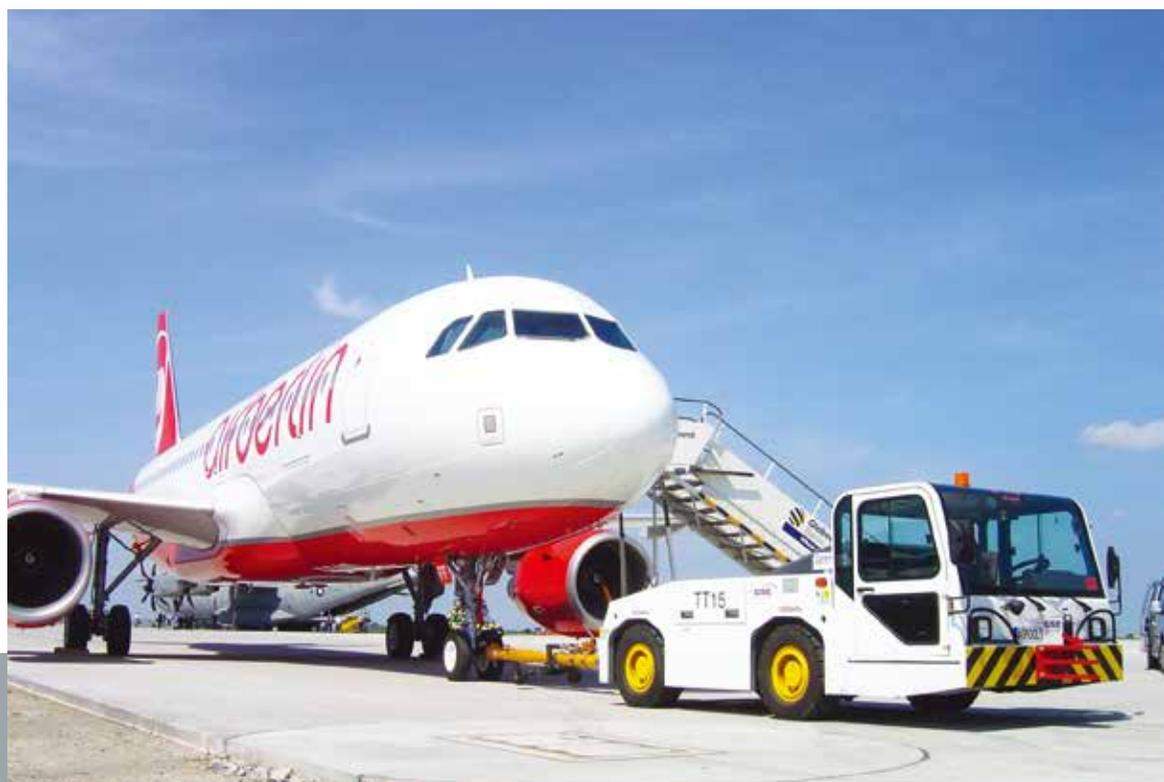
WGQY Series Aircraft Tow Tractor-WGQY15, WGQY27
Weihai Guangtai Airport Equipment Co., Ltd.
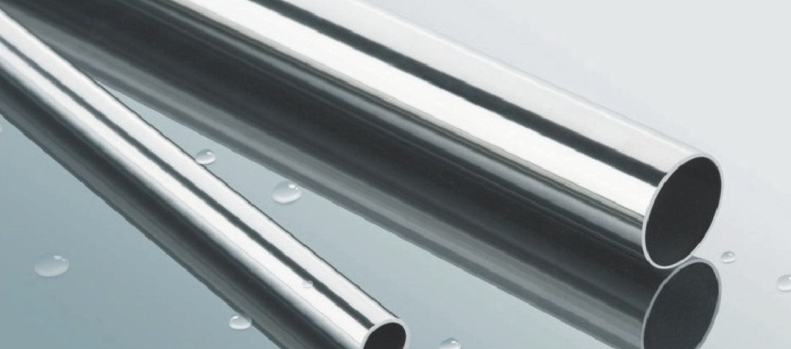
ERW Welded Pipe (Black Pipe and Hot-dip Galvanized Steel Pipe)
Handan Zhengda Steel Pipe Co., Ltd.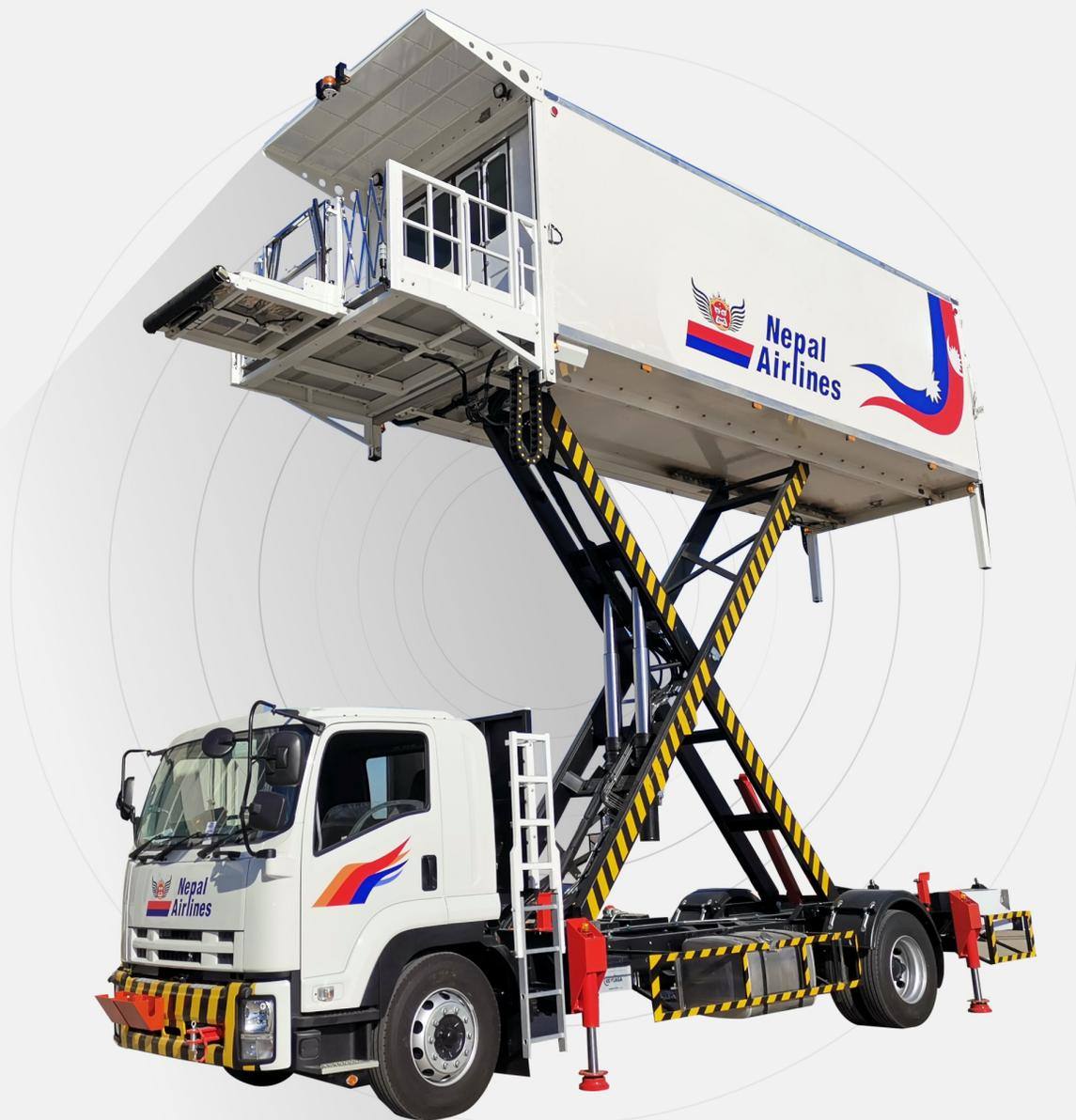
XC-6000e Type Aviation Catering Truck (Fuel Type)
Shenzhen CIMC-TianDa Airport Support Ltd.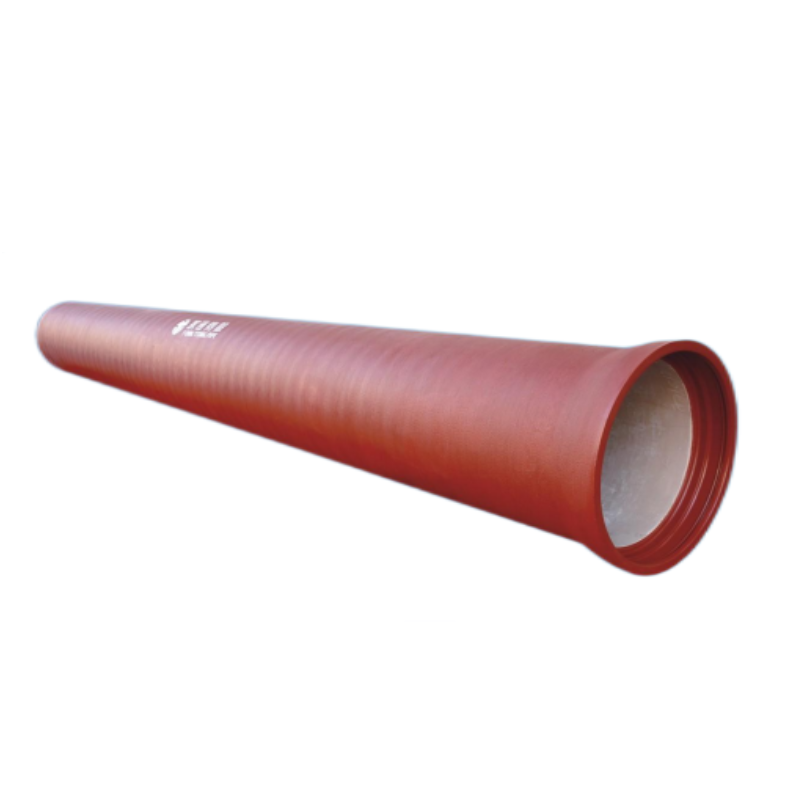
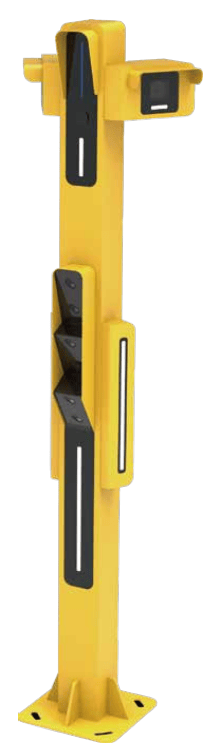

Pantograph-Catenary Comprehensive Detection Device (1C)
CHENGDU TANGYUAN ELECTRIC CO., LTD.