Spain's SUPERPAN Project Develops Recyclable Ultra-Light Composite Panels for Transportation
en.Wedoany.com Reported - A Spanish research consortium is advancing the SUPERPAN project to develop ultra-light composite panels for transportation sectors such as automotive and rail, aiming to help manufacturers reduce structural weight while improving production efficiency and end-of-life recyclability of materials.
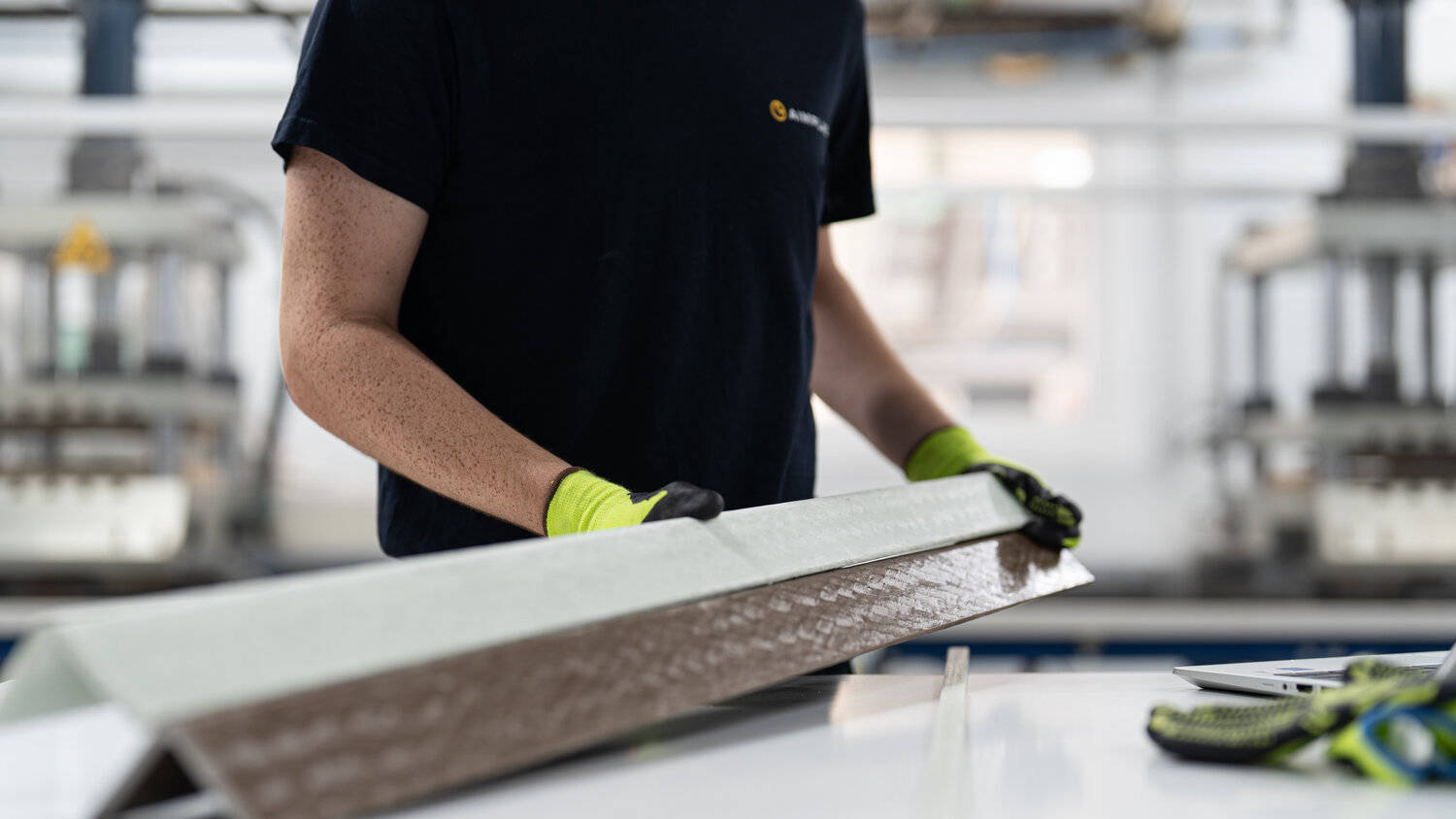
The project is jointly carried out by composite materials manufacturer BIRKA COMPOSITES, plastics technology center AIMPLAS, and advanced manufacturing technology institute IDEKO. The research focuses on developing multi-directionally reinforced panels for structural applications in the transportation industry. Reducing vehicle mass lowers energy demand, improves operational performance, and reduces operational emissions in specific use scenarios. As transportation systems move toward electrification, lightweight structures play an even more prominent role in extending driving range or reducing the energy capacity required per trip.
However, the project team notes that lightweighting alone is not sufficient to ensure a lower environmental footprint. Composite components often face challenges such as high production costs, difficulty in recycling, and high energy consumption during manufacturing. SUPERPAN therefore examines material development, production manufacturing, and recycling within a unified framework.
On the materials front, the project has chosen to research thermoplastic matrices. In contrast, many established structural composites use thermosetting resins, which, while offering high strength and durability, have chemically fixed structures after curing and are difficult to reshape or reprocess at the end of their service life. Thermoplastic materials are expected to provide a more practical path for recycling and reuse. The project aims to develop panels that meet structural requirements during service while giving manufacturers more disposal options once components are retired.
AIMPLAS is responsible for polymer screening, material characterization, recyclability assessment, and performance validation within the project, while also attempting to adapt composite production technologies traditionally associated with thermosetting systems. The team points out that material substitution is not simply a matter of replacing one resin with another; thermoplastic solutions must meet the transportation industry's expectations for mechanical strength, durability, quality, and safety, while also matching manufacturing requirements in terms of cost, production cycle time, and repeatability. The consortium is also measuring the energy consumption required for panel production, since if the manufacturing stage consumes significant energy, the benefits gained from lightweight materials during the operational phase could be offset.
Commercial viability depends on whether the panels can simultaneously deliver on four factors: structural performance, processing efficiency, recyclability, and cost. The project has not yet confirmed that the technology can meet all four requirements at industrial scale.
Manufacturing development is a core component of SUPERPAN. BIRKA is responsible for panel manufacturing, employing new material configurations and its patented dual pullbraiding technology, while also introducing UV-assisted curing processes for prepreg materials. These methods are being evaluated to determine whether they can reduce manual handling, shorten production cycles, and improve panel quality consistency. Greater control over each production step helps bring the technology closer to the reliability requirements of transportation manufacturers in high-volume component production.
IDEKO provides automation and digitalization support for the production line, with its process controller collecting operational data, enabling the consortium to monitor production conditions, identify sources of quality variation, and detect potential defects. This data-driven approach also helps determine whether laboratory results can be reproduced under industrial conditions. For manufacturers, a panel performing well in tests is only one aspect; whether it can be repeatedly produced at the required speed and acceptable cost is what ultimately determines technology adoption.
The SUPERPAN project is supported by Spain's 2023 public-private partnership program, funded by Spain's national research agency, and co-financed by the European Union. The project's organizational structure links material development, process engineering, and production automation, aiming to narrow the gap between research outcomes and industrial deployment. If the technology meets industry requirements, manufacturers will gain access to a composite panel platform featuring lightweighting, automated processing, and improved end-of-life recyclability. Until then, these panels must still pass validation for long-term durability, production consistency, and total cost competitiveness, and the results will determine whether SUPERPAN ultimately becomes a scalable manufacturing option or remains a promising research-stage technology.
Related Products


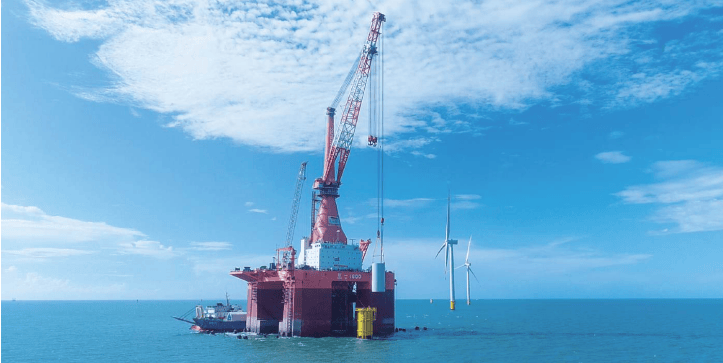
"Shunyi 1600" Deep-submerging Bottom-sitting Multi-functional Wind Power Engineering Vessel
Zhengli Offshore Engineering Co., Ltd.
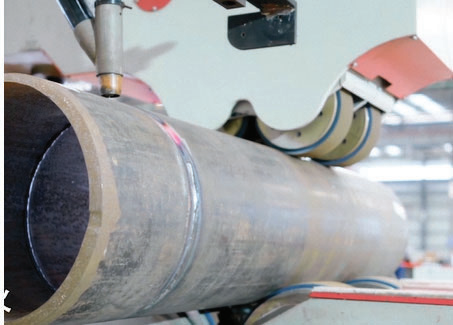

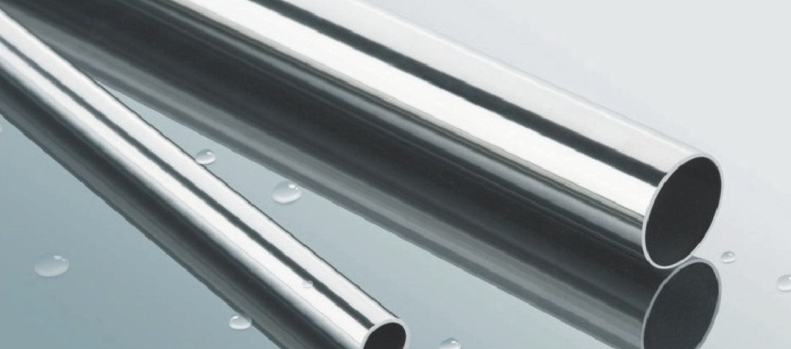
ERW Welded Pipe (Black Pipe and Hot-dip Galvanized Steel Pipe)
Handan Zhengda Steel Pipe Co., Ltd.
Wheel and Track Technology Business
Beijing Research & Design Institute of Rubber Industry Co., Ltd.
Pantograph-Catenary Comprehensive Detection Device (1C)
CHENGDU TANGYUAN ELECTRIC CO., LTD.![IVECO Cash-in-Transit [DMT5048XYCL3-AM] - Chongqing Dima Industry Co., Ltd](https://img.wedoany.com/2026/0911/20260911030157582.png)