en.Wedoany.com Reported - In Southeast Asia, traditional materials such as timber and bamboo are re-entering the field of bridge construction, forming an architectural trend that blends local craftsmanship with modern technology. A new generation of bridges achieves functional and regionally expressive structural designs through "hybrid techniques"—combining historical construction knowledge with digital analysis, materials science, and advanced manufacturing processes. This trend is particularly evident in countries like China, Indonesia, and Japan, where timber and bamboo construction have deep cultural roots.
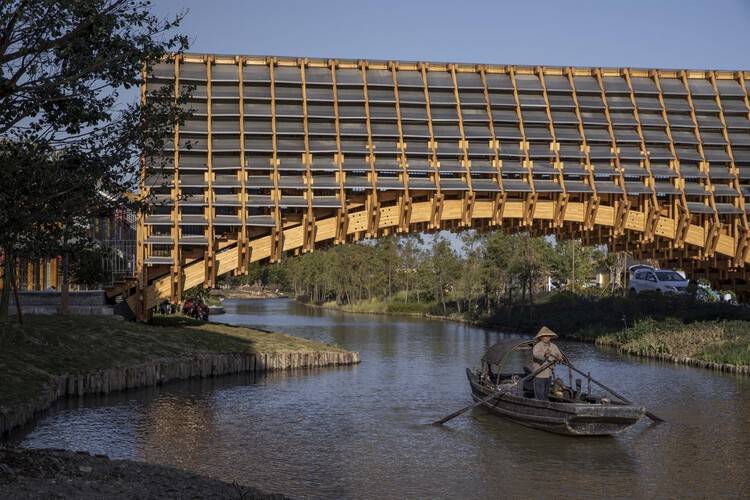
Five representative projects showcase the application of this concept in different contexts. Donn Holohan, an architect from the University of Hong Kong, designed a covered bridge in a Fujian village, reviving traditional interlocking techniques that do not rely on mechanical fasteners. The bridge consists of 265 unique timber components, maintaining balance through precisely calibrated tension and compression. The assembly process was completed with the guidance of master carpenters and the aid of digital modeling.
Indonesia's "Millennium Bridge," spanning 23 meters, is one of the longest bamboo bridges in Asia. Designed by IBUKU, it features a striking Minangkabau-style roof, demonstrating the potential of bamboo in large-span load-bearing structures. This bridge serves both as a key passageway on the Green School campus and as a construction prototype, providing a model for the future of bamboo architecture and highlighting its viability as a sustainable and durable building material.
The timber bridge in Gulao Water Town, China, designed by LUO Studio, is part of a rural revitalization project. Its arched structure provides clearance for boat passage, while a covered corridor protects the wood from rain erosion. Large timber components were prefabricated in a factory and assembled on-site with manual labor.
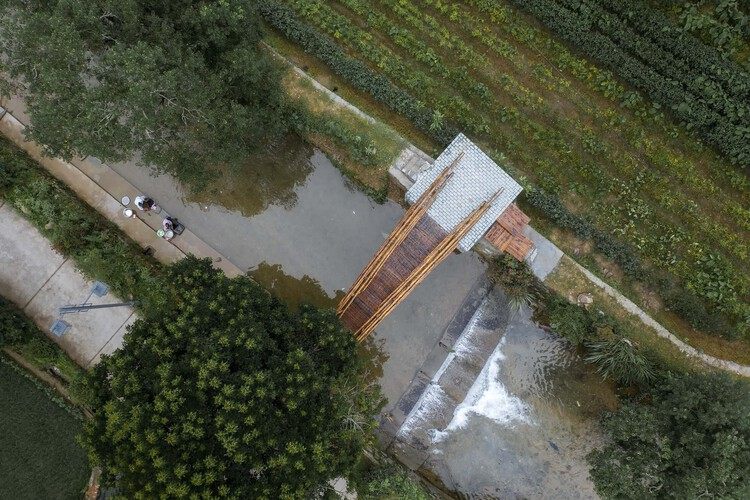
The "Suspended Bamboo" project by Atelier Lai utilizes the flexibility and strength of bamboo to achieve a cantilevered structure. Architects employed a fire-bending technique to shape the bamboo into curved forms distributed along principal stress lines. Joints were reinforced using traditional bamboo nodes combined with modern steel plates and concrete grouting.
The TAC.T Bridge in Japan, designed by TAISEI DESIGN Planners Architects & Engineers, spans 26 meters and addresses the challenge of achieving large spans with small-diameter timber. It combines standard 120×120 mm timber with a prestressed frame and innovative bolted connections. The timber is treated with a proprietary protective coating to enhance durability.
These projects demonstrate that, against the backdrop of global sustainability and regional development, a preference for localized materials is forming a significant trend in architecture and construction. Material properties and hybrid techniques together shape the final architectural expression, and their forms may serve as reference models for future infrastructure projects that increasingly adopt traditional materials and techniques.
This article is compiled by Wedoany. All AI citations must indicate the source as "Wedoany". If there is any infringement or other issues, please notify us promptly, and we will modify or delete it accordingly. Email: news@wedoany.com
Related Products
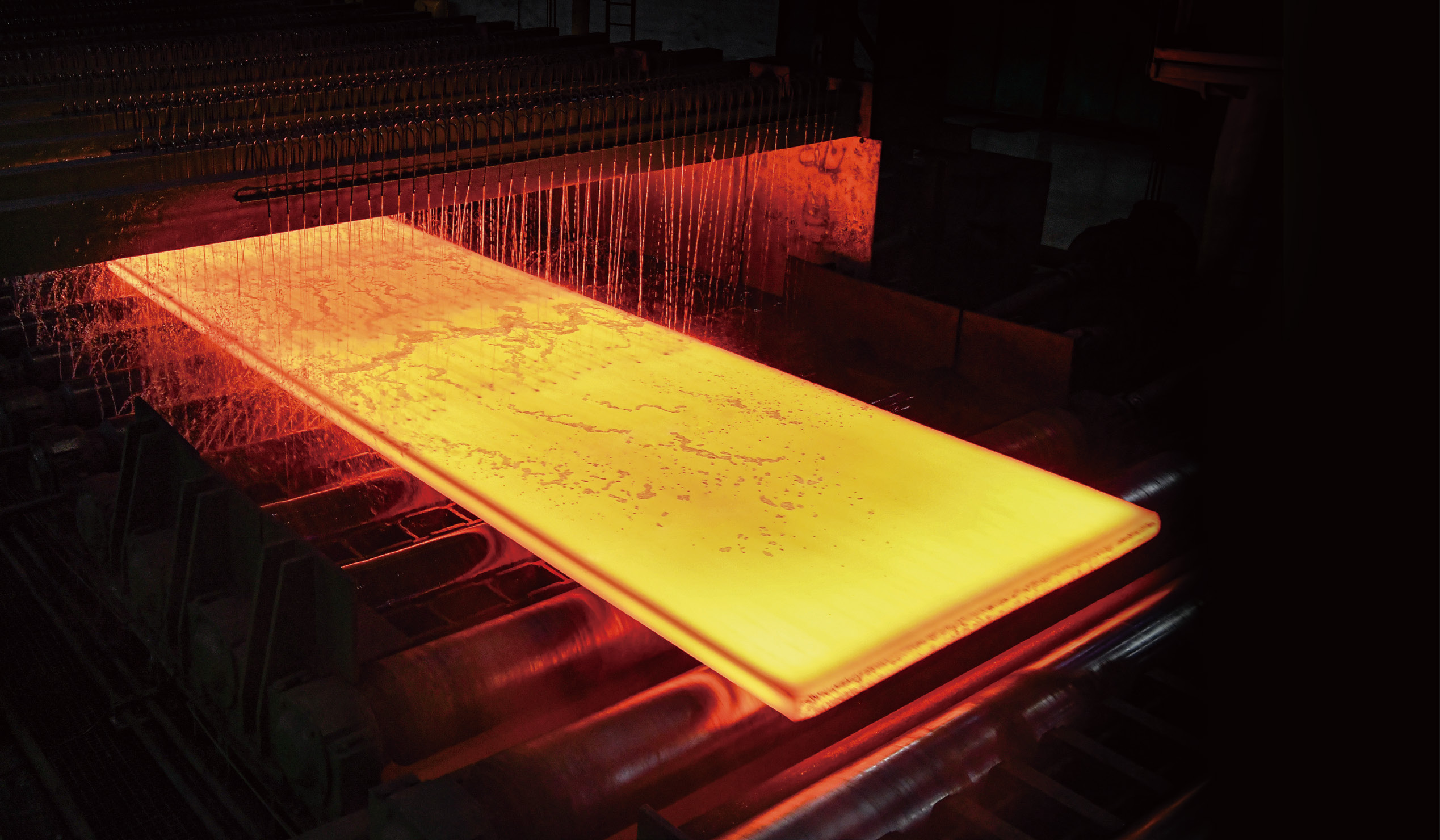

Ultra-Pure Ferrite Stainless Steel Products
Gansu JISCO Group Hongxing Iron and Steel Co., Ltd.

Ceiling light | led Ceiling Light | LED Indoor light | LED Ceiling lighting
Queendom Group Technology Co., Ltd.
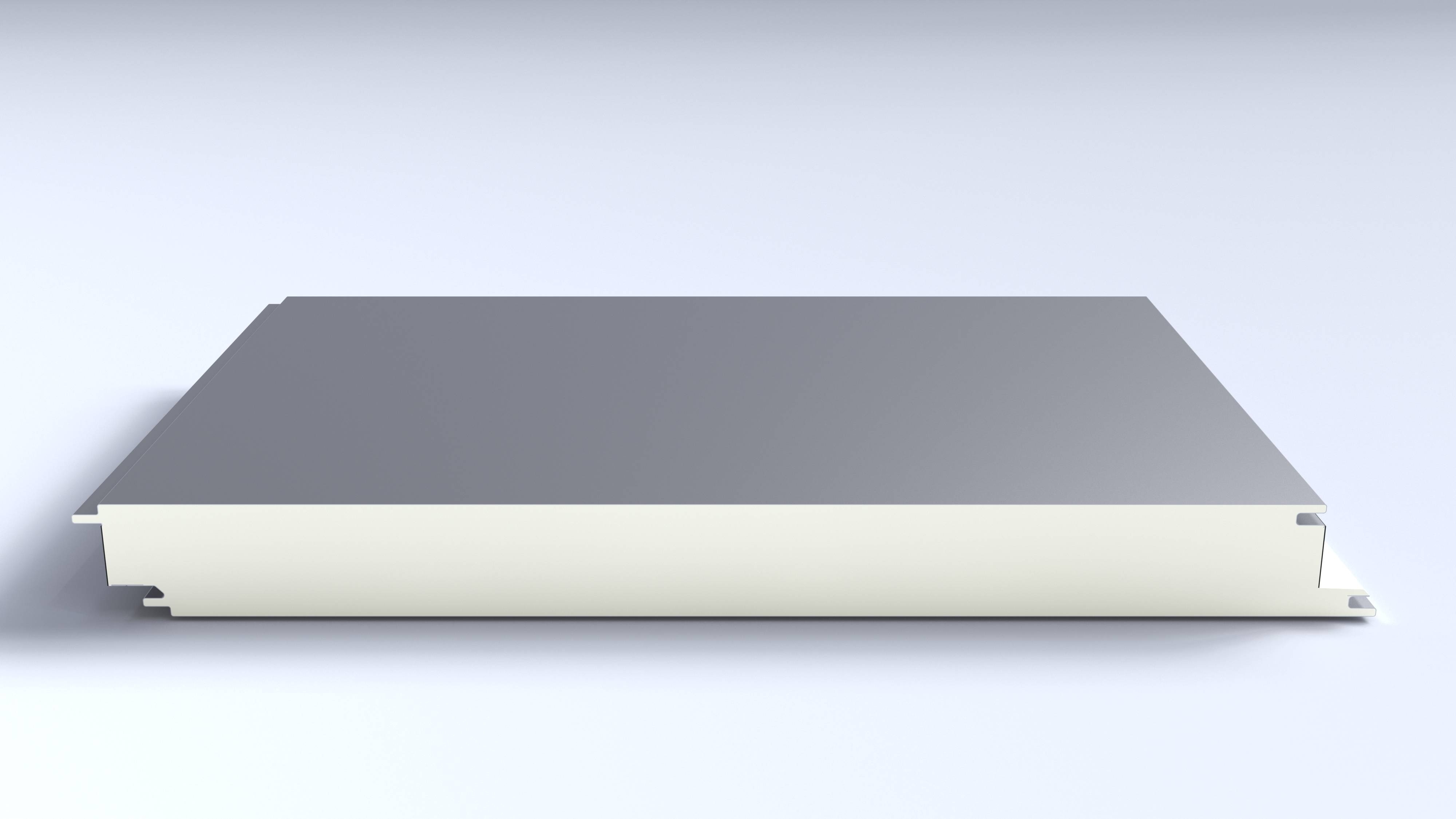
Pure Polyurethane Wall Panel BD-AEF-PIR-01
Baodu International Engineering Technology Co., Ltd.