en.Wedoany.com Reported - The Fraunhofer Institute for Machine Tools and Forming Technology IWU has introduced a tool to support energy management in manufacturing companies, which has been validated in practical applications with utility and industrial companies.
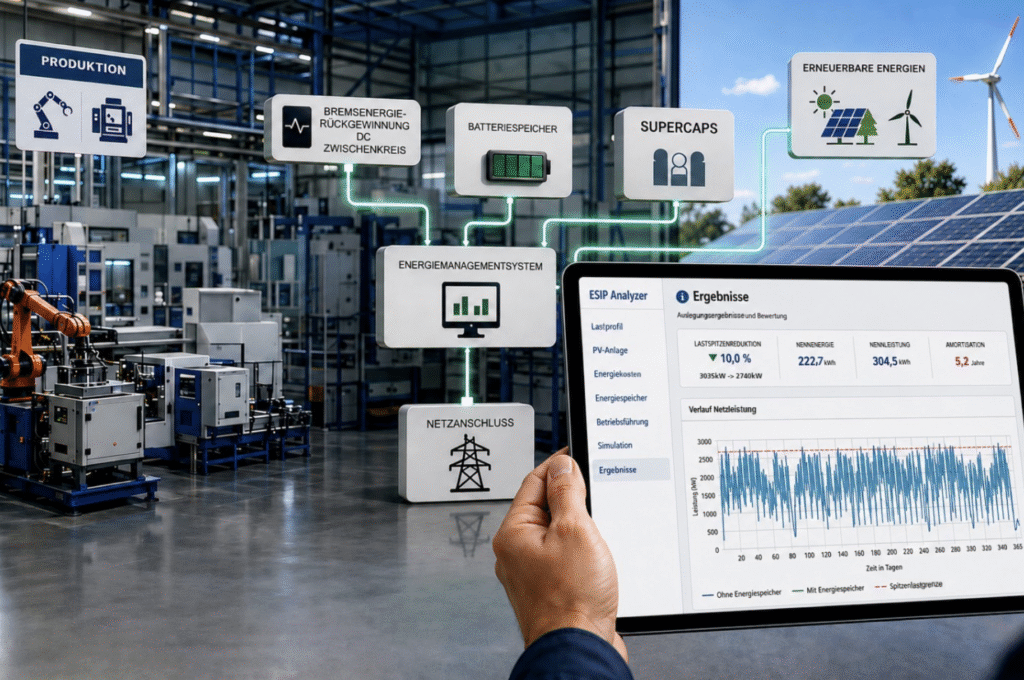
This tool, called the "Energy Storage Systems in Production (ESiP) Analyzer," helps factories better integrate renewable energy and reduce peak loads.
Fraunhofer IWU explained in a statement that the analyzer evaluates various use cases for energy storage technologies, from the machine level to the factory level, and supports companies in planning, integrating, and operating customized energy storage solutions. The tool employs specific design methods for different application scenarios, incorporating operational factors such as system efficiency and specific production parameters into simulations.
The goal of the ESiP Analyzer is not only to help companies select the appropriate energy storage technology but also to develop optimal operational strategies for long-term, efficient, and economical use. Researchers indicate that experience to date shows that, in certain scenarios, nearly half of the electricity generated on-site can be utilized through targeted simulations and optimized operational strategies. Grid stability also benefits from the smoothing of consumption enabled by energy storage systems.
The analyzer can function even when planning information is partially incomplete. Missing values in load curves or production data can be supplemented through appropriate scaling and simulation. The analyzer also provides additional perspectives by combining different applications, such as participation in the energy market and emergency power supply.
Fraunhofer IWU will showcase the latest status of the analyzer at this year's Smarter E Europe exhibition and provide an update on the pilot plant currently under construction in Chemnitz, Germany. This pilot plant, expected to begin operations in August, will use artificial intelligence and analytical models to assess battery health, identify functional components and suitable reuse pathways, and enable automatic disassembly of traction batteries down to the cell level.
This article is compiled by Wedoany. All AI citations must indicate the source as "Wedoany". If there is any infringement or other issues, please notify us promptly, and we will modify or delete it accordingly. Email: news@wedoany.com
Related Products

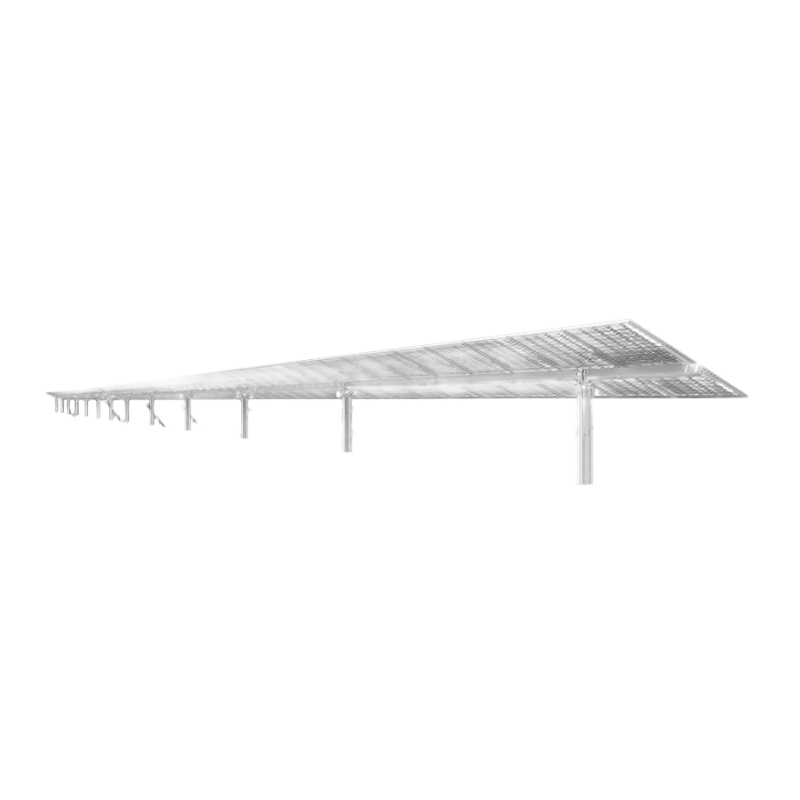
TAI Slew-drive Single-axis Independent 1P Tracking Bracket System
ANTAI TECHNOLOGY CO., LTD.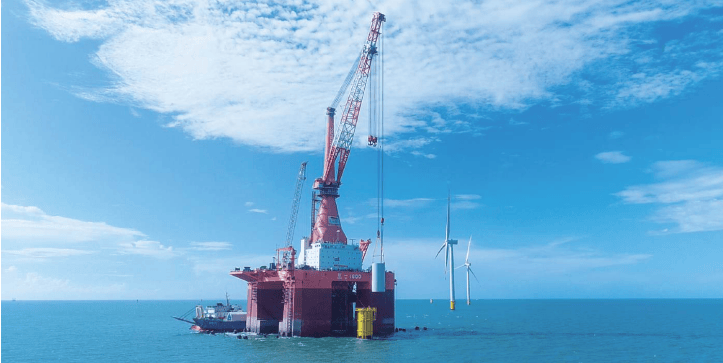
"Shunyi 1600" Deep-submerging Bottom-sitting Multi-functional Wind Power Engineering Vessel
Zhengli Offshore Engineering Co., Ltd.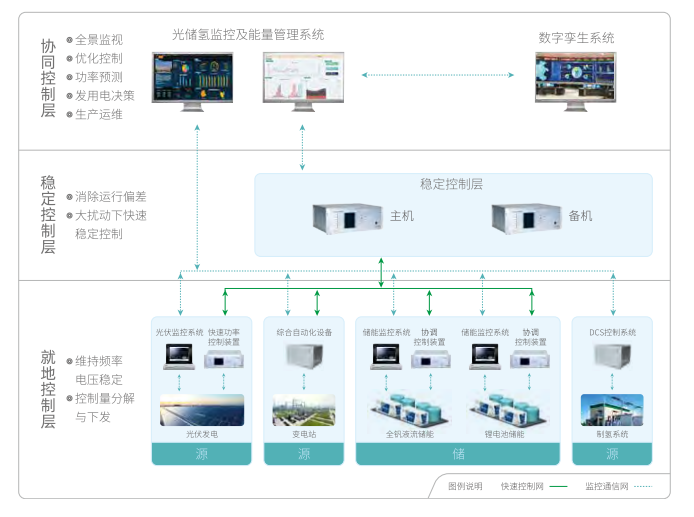
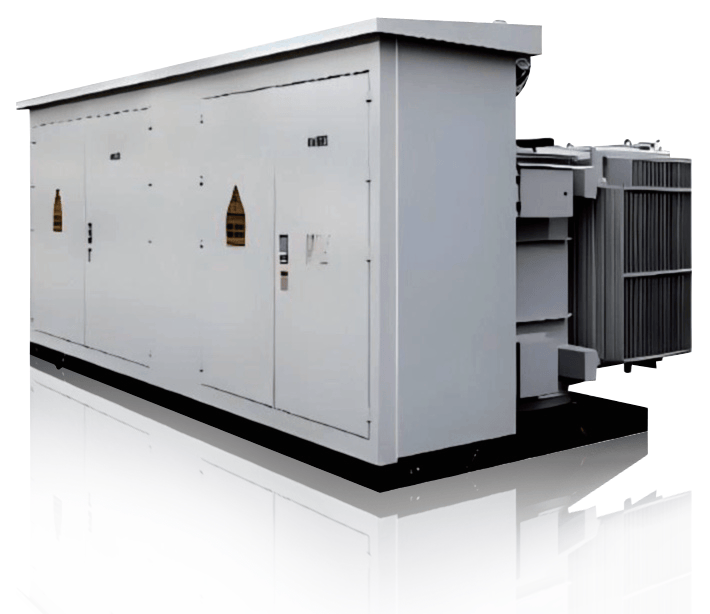
H-40.5/0.4~1.14kV New Energy Power Generation Dedicated High Voltage/Low Voltage Prefabricated Substation
XJ (Xiamen) Intelligent Power Equipment Co., Ltd.
Pneumatic high-pressure wear-resistant ball valve
Zhejiang Deca Control Valve Meter Co., Ltd.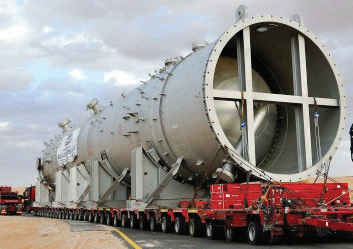
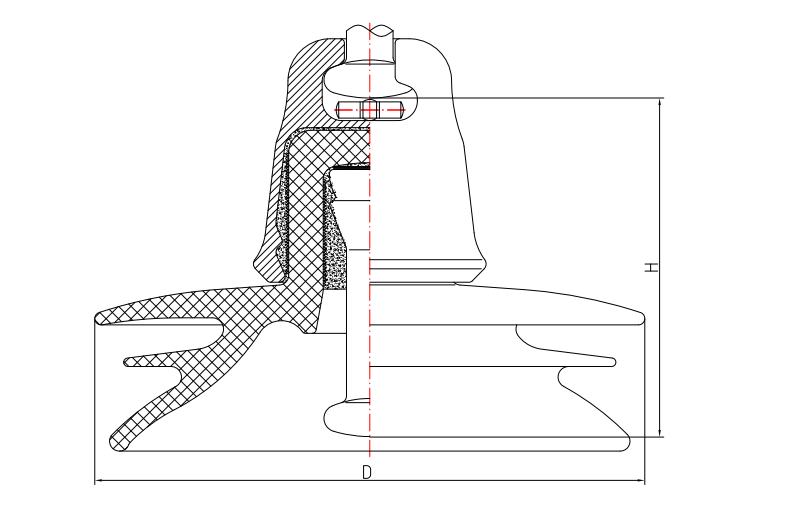
Post-type AC Pollution-resistant Disc Suspension Porcelain Insulator (Triple Umbrella Type)
Shandong High Voltage Insulator Co., Ltd.

Photovoltaic and Wind Power Generation Technology
Beijing Boqi Electric Power SCI-TECH Co., Ltd.