Global Automated Material Handling Equipment Market Expected to Reach $86.1 Billion by 2036
en.Wedoany.com Reported - The global automated material handling equipment market is projected to grow from $41.4 billion in 2026 to $86.1 billion by 2036, at a compound annual growth rate (CAGR) of 7.6% during the forecast period. This growth trend, revealed in a research report by Future Market Insights (FMI), is primarily driven by continuous investments from enterprises in warehouse automation, robotic systems, and smart logistics infrastructure, aimed at improving operational efficiency, reducing labor dependency, and meeting the growing demands of e-commerce fulfillment.
The rapid expansion of e-commerce and omnichannel retail is reshaping global supply chains, accelerating the deployment of automation technologies in warehouses and distribution centers. Automated storage and retrieval systems (ASRS), conveyors, sorting systems, autonomous mobile robots (AMR), and warehouse execution systems (WES) have become key tools for optimizing storage density, increasing throughput, and ensuring inventory accuracy. Labor shortages and rising wage costs are driving companies to adopt high-capacity automated logistics operational models. According to FMI data, ASRS equipment is expected to account for 31.0% of the market share in 2026, unit load equipment for 46.0%, and e-commerce end users will contribute 29.0% of demand.
According to FMI analysis, advancements in technologies such as artificial intelligence (AI), machine learning, digital twins, and machine vision are transforming the operational methods of automated material handling. Autonomous mobile robots, automated guided vehicles (AGV), and robotic picking systems enhance flexibility and real-time decision-making capabilities in warehouses and manufacturing facilities. Fixed automation is expected to account for 44.0% of technology demand in 2026, remaining dominant due to its effectiveness in high-capacity operations. Warehousing is the largest application area, projected to capture 36.0% of market demand in 2026.
The competitive landscape of the market is shifting toward suppliers offering integrated automation solutions. Leading companies such as Daifuku, Dematic, Honeywell Intelligrated, Toyota Industries, and SSI Schaefer are solidifying their positions through technological innovation and global services. Buyer evaluation criteria are transitioning from equipment performance to operational outcomes, placing greater emphasis on software integration capabilities, predictive maintenance, and long-term service support.
Government initiatives promoting manufacturing modernization and smart factories are also accelerating automation adoption. Countries including China, India, Germany, Japan, and the United States continue to support investments in advanced manufacturing and smart supply chain infrastructure. Compliance requirements, such as safety, operational, and cybersecurity standards, are guiding companies to increase investments in reliable automation solutions. Environmental sustainability has become a key consideration, with energy-efficient equipment, recyclable materials, and carbon reduction initiatives serving as important evaluation criteria.
Despite strong prospects, the market faces challenges. Supply chain disruptions, including shortages of semiconductors and electronic components, may impact production schedules. Technology integration is complex in brownfield facilities with legacy infrastructure, leading many organizations to adopt phased strategies, prioritizing modular solutions such as AMRs and AGVs. High capital requirements also influence investment decisions, particularly among mid-sized enterprises with strict return on investment (ROI) expectations.
Looking ahead, the integration of AI, robotics, machine vision, and cloud-based warehouse management systems will shape the market. The Asia-Pacific region is expected to experience the fastest growth, with India projected to achieve a CAGR of 10.8% and China 9.4% by 2036. North America and Europe will continue to invest in warehouse modernization and advanced manufacturing infrastructure. Future investments will focus on software intelligence, predictive maintenance, and warehouse orchestration platforms.
This article is compiled by Wedoany. All AI citations must indicate the source as "Wedoany". If there is any infringement or other issues, please notify us promptly, and we will modify or delete it accordingly. Email: news@wedoany.com
Related Products



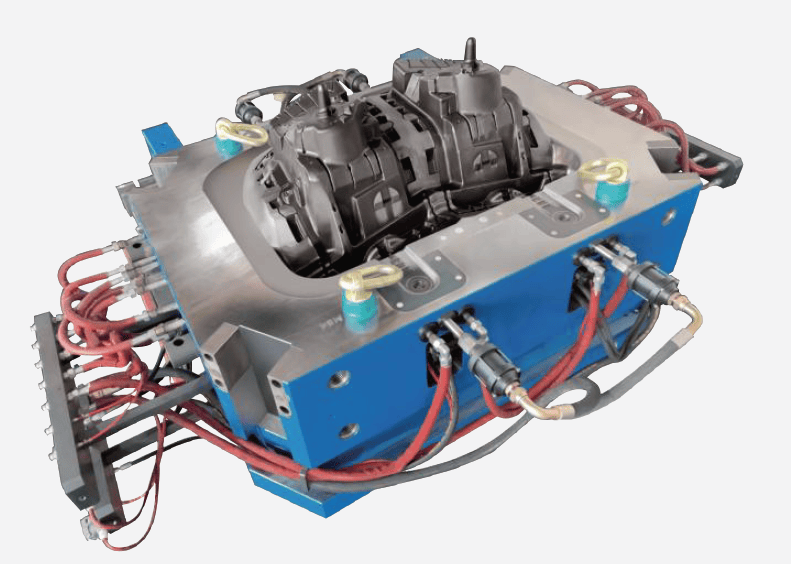
Aluminum-Magnesium Alloy High-Pressure Die-Casting Molds
NINGBO HELI TECHNOLOGY CO., LTD.
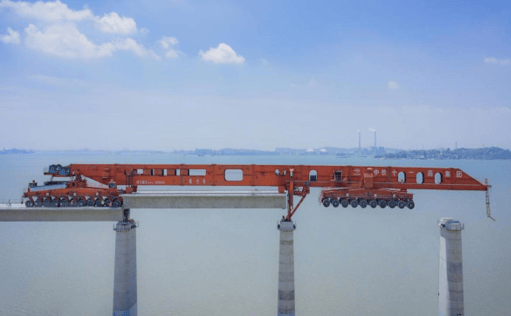
High-Speed Railway Lifting, Transporting, and Erecting Equipment: Integrated Transport and Erection Machine
Hanjiang Heavy Industry Co., Ltd. of China Railway 11th Bureau Group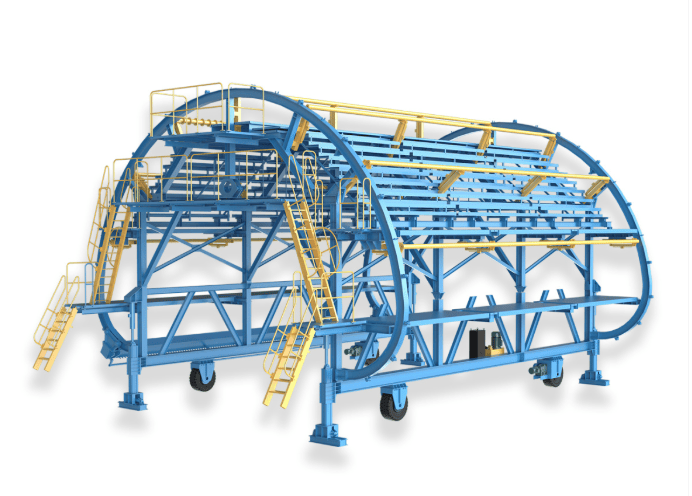
QLZNGJ Intelligent Steel Reinforcement Trolley
Luoyang China Railway Qiangli Machinery Co., Ltd.