Brazil's Minas Gerais Launches Plac-MG Program to Transform Biodiversity into Economic Assets
en.Wedoany.com Reported - Minas Gerais has launched the Minas Gerais Climate Action Plan (Plac-MG), aiming to achieve net-zero greenhouse gas emissions by 2050, as the state seeks to transform its rich biodiversity and forest stock into economic assets. State Secretary of Environment and Sustainable Development Lyssandro Norton noted that forest stock is a strategic economic asset, and protecting ecosystems helps safeguard environmental services in key sectors such as agricultural production, energy generation, water supply, and industrial activities.
Norton believes that the valorization of forest stock opens new business opportunities through bioeconomy and nature tourism, including forms such as payment for environmental services programs and attracting investments in nature-based solutions. The state hosts three key Brazilian biomes—the Atlantic Forest, Cerrado, and Caatinga—and provides headwater supply for major Brazilian river basins, enhancing the strategic value of its environmental assets. The state government's "Environmental Regulation Program for Sustainable Production" (PRA Produzir Sustentável) aims to transform environmental liabilities into development opportunities, promoting ecological restoration, rural income generation, and a low-carbon economy.
Igor Braga, advisor to the president of the Minas Gerais Forestry Industry Association (Amif), stated that the state has the largest planted forest area in the country, approximately 2.3 million hectares, along with 1.3 million hectares of conservation forests, including Permanent Preservation Areas (APPs), Legal Reserves, and native vegetation surplus, exceeding the minimum requirements of the Forest Code. Braga emphasized that the economic potential of forest stock lies in compensating ecosystem services, enabling rural landowners, communities, and businesses to receive financial recognition for protecting native areas. He also pointed out that the public sector needs to establish legal safeguards, measurement systems, and certification mechanisms for ecosystem services.
The carbon market is seen as one of the main ways to profit from biodiversity conservation, but both the state government and Amif note it is not the only pathway. Minas Gerais can make progress in the biodiversity economy, such as through payment for water services, where protecting headwaters and aquifer recharge areas can reduce water treatment costs and enhance water security. Braga believes the state needs to build public policies that transform environmental attributes into measurable, auditable, and tradable economic assets, including robust environmental registration, territorial monitoring systems, ecological restoration incentives, integration with the Environmental Regulation Program (PRA) and Environmental Reserve Quotas (CRA), and further integration among environmental, agricultural, and economic development policies.
Norton stated that strengthening ecosystem services that underpin agricultural productivity is one pathway for the biodiversity economy to create wealth, with other pathways including expanding the bioeconomy based on sociobiodiversity products, extending payment for environmental services programs, ecotourism, and valuing sustainable production chains. He noted that Minas Gerais has over 3.6 million hectares of environmental liabilities requiring restoration, which can drive an economic chain involving native seed collection, seedling production, technical support, project design, environmental monitoring, input supply, and rural employment. The state has achieved targets under the Atlantic Forest Treaty framework ahead of schedule, mobilizing 374 municipalities and surpassing the milestone of 7 million native seedlings planted.
Initiatives such as the "Water Producer" program (Produtor de Água) aim to incentivize conservation measures, forest restoration, and water resource protection. Norton emphasized that biodiversity should not be seen as a constraint on growth, but as an opportunity for job creation, innovation, and sustainable business. He mentioned that of the region's 20 million hectares of pastureland, approximately 8 to 12 million hectares are degraded to varying degrees, and restoring the productivity and environment of these areas represents a huge opportunity for job creation, attracting investment, and increasing agricultural productivity. Braga believes that environmental assets are the state's main competitive advantage for the coming decades, including natural resources, native vegetation stock, ecosystem services, and protected areas.
To transform potential into results, the government has built the Plac-MG program, guiding emission reduction and adaptation actions across 12 key sectors, and relies on the Climate MRV Platform (Plataforma MRV Climático) to track target implementation. This platform is the only structured tool in Brazil specifically designed to monitor the implementation of state-level climate action plans. Of the 199 commitments being monitored, 170 are already being implemented or completed, equivalent to 85% of the targets. Norton stated that this system strengthens public governance and enhances investor confidence, creating conditions for expanding climate finance and environmental markets. An Amif spokesperson noted that the program provides a framework for the environmental agenda, with the planted forest sector directly synergizing with decarbonization strategies, such as the "State Planted Forest Agriculture Program" (Peaf), which aims to help reverse low-productivity pasture degradation and convert it into commercial forests.
This article is compiled by Wedoany. All AI citations must indicate the source as "Wedoany". If there is any infringement or other issues, please notify us promptly, and we will modify or delete it accordingly. Email: news@wedoany.com
Related Products
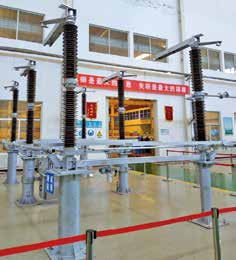

GW4-40.5/72.5/126/145/170/252/363/420 Series Double-column Horizontal Rotary High-voltage AC Disconnect Switch
SHANDONG TAIKAI DISCONNECTORS CO., LTD.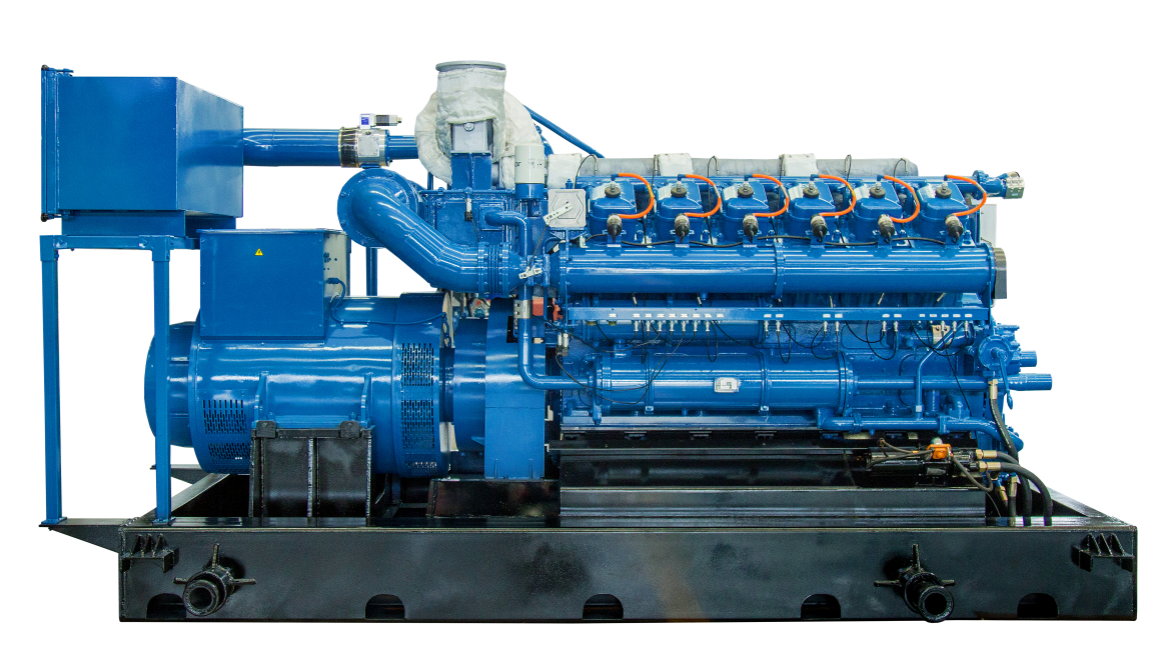
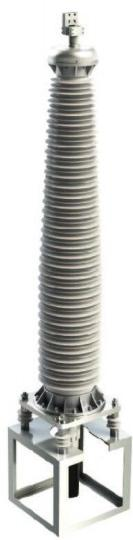
220kV Composite Outdoor Cable Terminal
Shenyang Guolian Cable Accessories Manufacture Co., Ltd.
CAP1400 main feedwater flow nozzle flowmeter.
Jiangsu Hongda Instrument Technology Co., LTD.
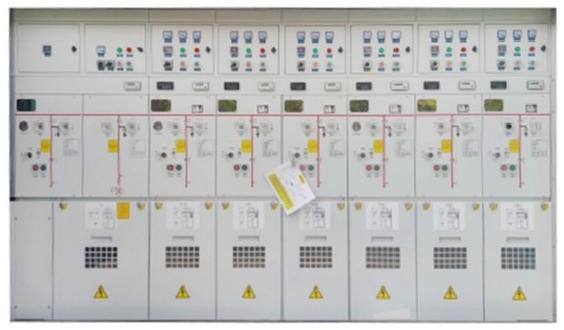
NISELA Series Environmentally Friendly Gas-Insulated Ring Main Unit
XJ DELISHIER ELECTRIC CO., LTD.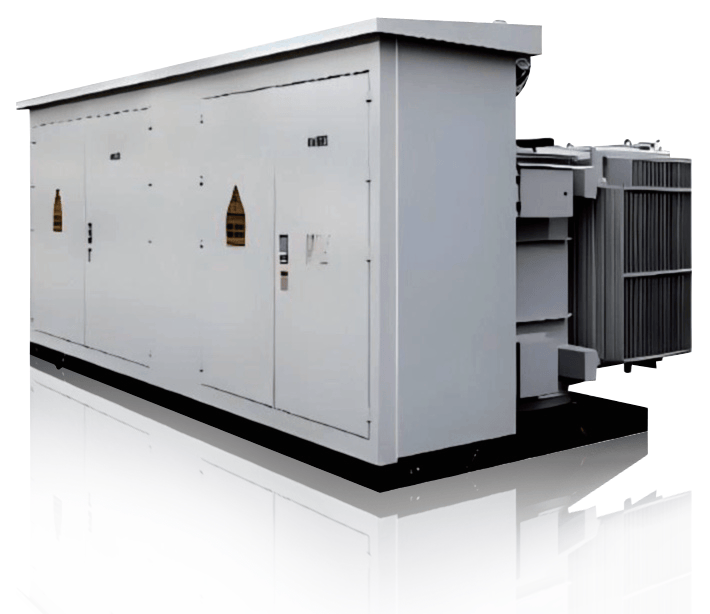
H-40.5/0.4~1.14kV New Energy Power Generation Dedicated High Voltage/Low Voltage Prefabricated Substation
XJ (Xiamen) Intelligent Power Equipment Co., Ltd.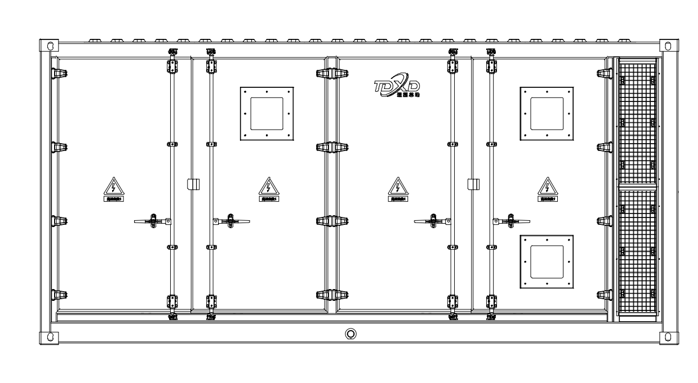
5012kWh DC Energy Storage System TD-EES-5012kWh
Suzhou Tongding Xindong Energy Storage Technology Co., Ltd.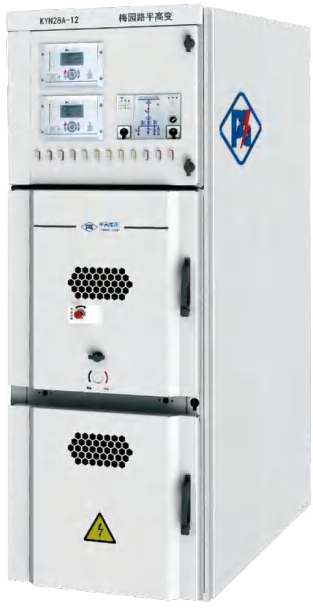
KYN28A-12 Metal Armored Removable Switchgear
Tianjin Ping Gao Intelligent Electric Co., Ltd.

Industrial and Commercial Point-Type Gas Detector
Jinan Benan Technology Development Co., Ltd.