Austrian Team Develops New Battery Management System to Detect Battery Damage
en.Wedoany.com Reported - Austrian researchers have developed a new battery management system (BMS) capable of detecting hidden damage inside electric vehicle batteries and tracking the aging process, aiming to enhance safety, performance, and service life. The technology originates from the EU-funded Nemo project, with participants including Graz University of Technology (TU Graz), Vrije Universiteit Brussel, and several industry companies.

Current common BMS primarily monitors voltage, current, and temperature, relying on external calculations to estimate battery health status, often failing to identify internal damage or aging of individual battery cells in advance. The new system overcomes this limitation through algorithms and models, enabling independent fault identification, monitoring of cell degradation, and prompting maintenance when necessary.
Enhancing safety detection capabilities is one of the core objectives of the project. Christoph Drießen from the Institute of Vehicle Safety at Graz University of Technology stated that the battery management system is crucial for ensuring safer and more sustainable operation of electric vehicles. To train the system, researchers deliberately induced battery damage in laboratory tests, such as simulating minor parking collisions through mechanical deformation, and developed algorithms based on this data to identify similar damage in real batteries.
The system employs electrochemical impedance spectroscopy (EIS), a sensor technology that directly measures the internal resistance of battery cells, thereby bypassing external inference and obtaining status information directly from within the battery. Researchers noted that this additional monitoring layer can detect damaged cells at an earlier stage, reducing safety risks and enabling maintenance before problems escalate. Drießen believes that many hazards could be avoided if the BMS can identify faults and damage in individual cells early on.
In terms of aging monitoring, the team at Graz University of Technology built a model that predicts volume changes in battery cells during charge and discharge cycles. Excessive expansion increases mechanical pressure within the battery pack, posing risks such as cracks, deformation, internal short circuits, and temperature spikes. Meanwhile, researchers at Vrije Universiteit Brussel developed another model to track aging and lifespan changes within battery cells. The team stated that while existing tests typically only show how much capacity a battery has lost compared to its original state, the new model can reveal more internal changes in battery cells during the aging process, providing references for optimizing performance, lifespan, and safety.
Despite the enhanced functionality, researchers indicated that the improved BMS will not significantly increase the size or weight of existing systems. A demonstrator has already been built at the battery module level, and subsequent projects will focus on advancing this technology toward industrial application. The relevant findings have been published in the Journal of Power Sources.
This article is compiled by Wedoany. All AI citations must indicate the source as "Wedoany". If there is any infringement or other issues, please notify us promptly, and we will modify or delete it accordingly. Email: news@wedoany.com
Related Products
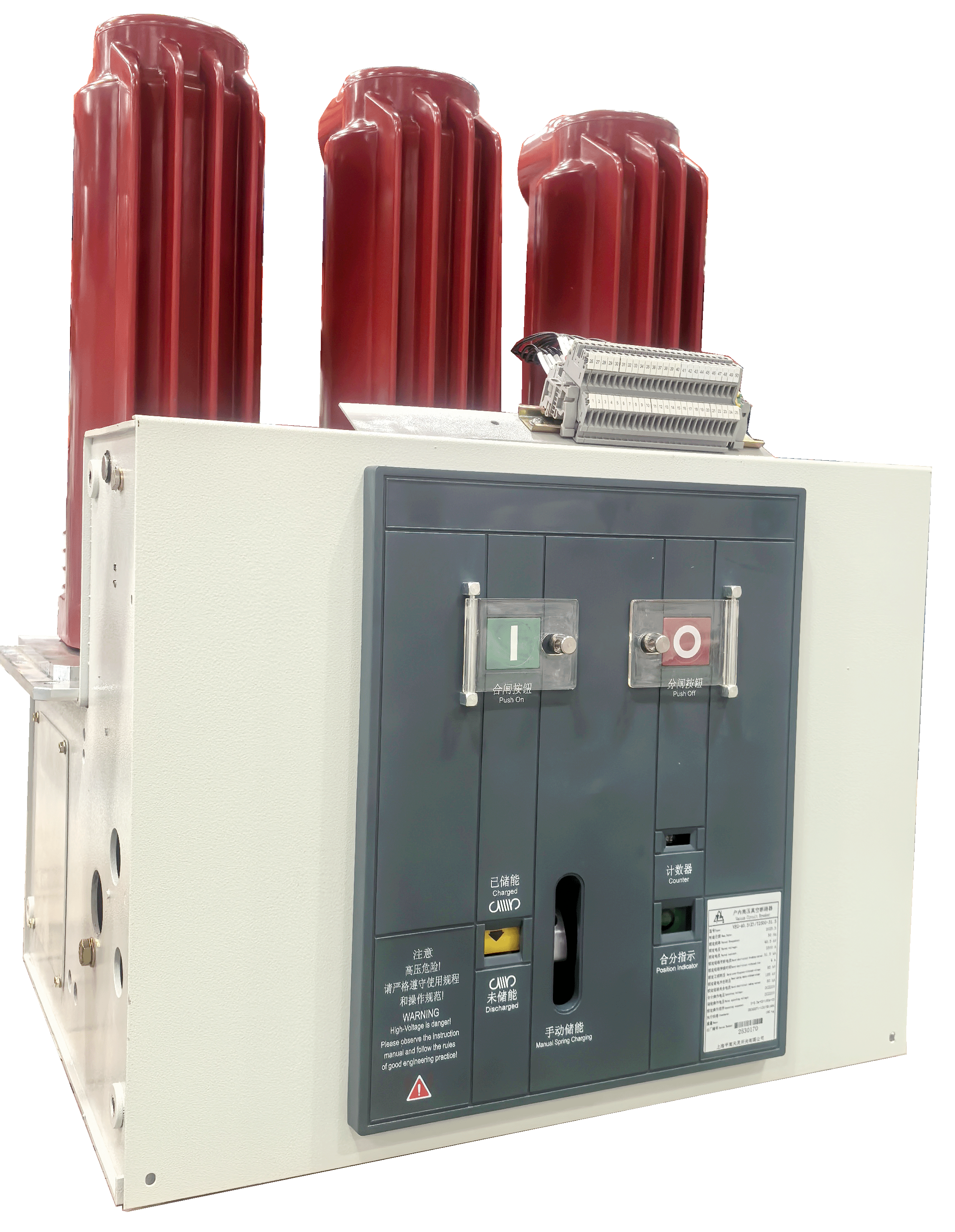

VEG-12/24/40.5 Series Vacuum Circuit Breaker
SHANGHAI PINGGAO TIANLING SWITCHGEAR CO., LTD.

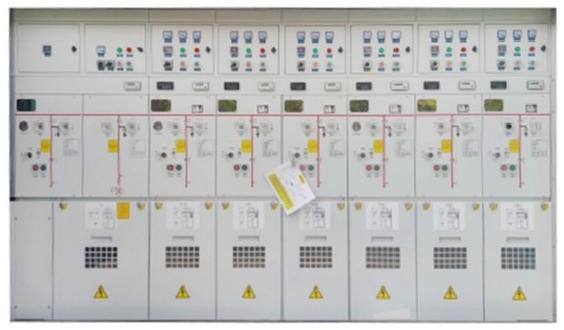
NISELA Series Environmentally Friendly Gas-Insulated Ring Main Unit
XJ DELISHIER ELECTRIC CO., LTD.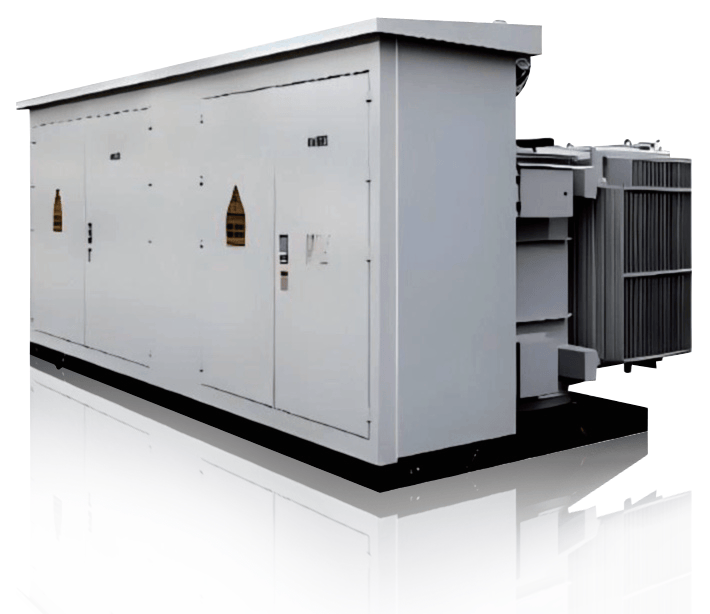
H-40.5/0.4~1.14kV New Energy Power Generation Dedicated High Voltage/Low Voltage Prefabricated Substation
XJ (Xiamen) Intelligent Power Equipment Co., Ltd.
72.5kV 1250A 31.5kA SF6 free Gas-insulated Metal-enclosed Switchgear
Zhejiang Juhonkia Intelligent Electric Co., Ltd.