Brazil's Orizon, After Integrating Vital, Now Manages 35% of the Country's Waste
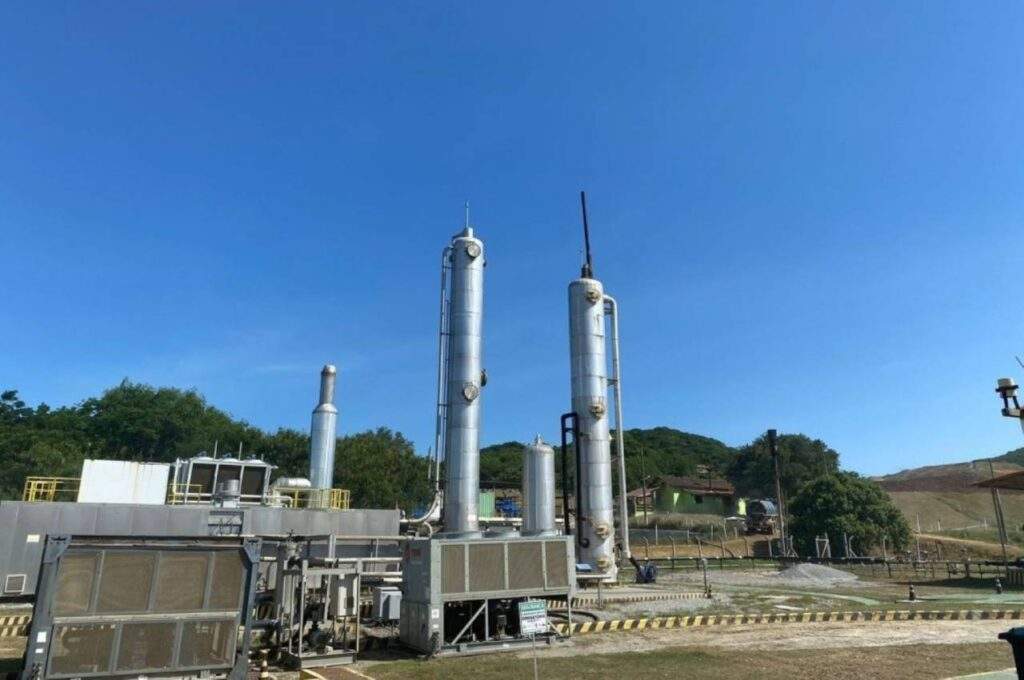
en.Wedoany.com Reported - Orizon has completed the integration of Vital Engenharia Ambiental, creating a major player in the Latin American waste recovery sector. With complementary operations, the combined company will handle approximately 35% of Brazil's compliantly disposed waste, processing 14.5 million tons annually. Orizon will expand its service coverage to around 40 million people, strengthening its solutions in waste management, treatment, disposal, and resource recovery, aligning with the national circular economy and just energy transition agenda. The new company starts with a clear growth agenda, supported by projects already underway and long-term contracts. In the biomethane sector, Orizon already has two plants in operation, with seven more under construction set to begin production within the next 18 months, solidifying this area as one of the main drivers of the company's expansion.
This operation reinforces Orizon's mission: to transform the ubiquitous urban waste problem into a strategic resource for the circular economy and energy transition. In Orizon's eco-parks, waste is no longer just an environmental liability but is converted into biogas, biomethane, electricity, recyclable materials, refuse-derived fuel (RDF), organic fertilizer, and carbon credits. Milton Pilão, CEO of Orizon, stated: "Despite progress with the Sanitation Framework Law, Brazil still has over 3,000 landfills, impacting the environment, society, and public health. Incorporating Vital expands our scale, enabling us to offer solutions to municipalities to overcome this challenge, turning waste into value, renewable energy, and development."

The social, environmental, and economic impacts of this operation are evident across 30 eco-parks located in 15 states, creating approximately 15,000 direct jobs and driving development in the regions where the company operates. The combined reach of Orizon and Vital is extensive: nearly 300 medium and large cities and over 430 industrial clients. This integration solidifies the company's position as one of Brazil's main decarbonization infrastructure platforms, converting urban waste into renewable energy, low-carbon fuels, and environmental attributes capable of supporting emission reductions across multiple economic sectors. This work of disposal, energy utilization, and material recovery avoids approximately 6.5 million tons of CO₂e emissions annually. Part of these results have already been certified, generating carbon credits equivalent to approximately 4,300 tons of CO₂, where each ton represents one ton of CO₂ emissions avoided, enabling companies to offset their own carbon footprint and strengthening Orizon's role in the transition to a low-carbon economy.
Beyond advances in biomethane, the expanded portfolio strengthens Orizon's strategy of converting waste into different forms of value. In this context, the Barueri Energy Recovery Unit (URE Barueri) gains greater significance. This asset, now part of the company's portfolio, represents one of the most innovative areas in the energy recovery agenda. The unit is Latin America's first energy recovery facility, the result of a 30-year public-private partnership with the city of Barueri (SP), in which Sabesp holds a 20% stake. The unit converts municipal solid waste into clean energy using waste-to-energy technology. Expected to be completed in the first half of 2027, it will have a daily processing capacity of 870 tons of waste, generating 20 MW of renewable energy, enough to power approximately 75,000 households. CEO Milton Pilão commented: "This transaction enhances efficiency, cash flow predictability, and long-term revenue, while accelerating the organic growth agenda already underway, supported by a culture of operational excellence and the continuous expansion of our solution portfolio."

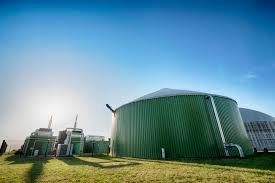
Within the growth plan, biomethane is one of Orizon's main expansion pathways, consolidating its role in the transition to cleaner energy from an energy perspective. With the integration of assets, the company's relevance in this market has increased. According to data from Brazil's National Agency for Petroleum, Natural Gas, and Biofuels (ANP), it accounts for approximately 30% of the authorized biomethane production capacity from municipal solid waste in Brazil. Produced by capturing, purifying, and converting methane generated from waste decomposition, biomethane has become a strategic fuel for Brazil's decarbonization. With a potential production capacity of 2 million cubic meters per day, it can promote decarbonization across various sectors, including logistics, industry, and urban transportation. For example, it could replace diesel for approximately 10% of the country's bus fleet. The company has reached a new operational level, becoming one of the main players in Brazil's energy transition.

According to reference data from the FGV/GHG Protocol, biomethane reduces CO₂ emissions by up to 99.7% compared to diesel and reduces pollutant emissions linked to air quality deterioration and respiratory health impacts in large cities by up to 85%. Pilão emphasized: "Domestic biomethane production also helps stabilize costs, insulating them from fluctuations in international oil prices and the dollar. In a country that still imports about 25% to 30% of its diesel, expanding the supply of a locally produced, renewable fuel derived from waste is a strategic agenda for energy security. We are ready to meet the growing structural demand from industry, heavy transport, and urban mobility." With this operation, the company's market value increased from R$7 billion to R$10.7 billion, consolidating into a platform with gross revenue exceeding R$4 billion. EBITDA grew from R$480 million to R$1.3 billion, and net profit rose from R$70 million to R$439 million. This transaction strengthens the new company's capital structure, allowing it to operate with lower leverage and greater financial flexibility to continue consolidating the industry through landfill acquisitions, aiming to increase the volume of waste under its management.
This article is compiled by Wedoany. All AI citations must indicate the source as "Wedoany". If there is any infringement or other issues, please notify us promptly, and we will modify or delete it accordingly. Email: news@wedoany.com
Related Products

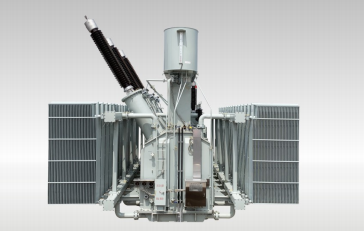
220kV and Below Voltage Level Energy-saving Oil-immersed Power Transformers
FuZhou TianYu Electric Co., Ltd.
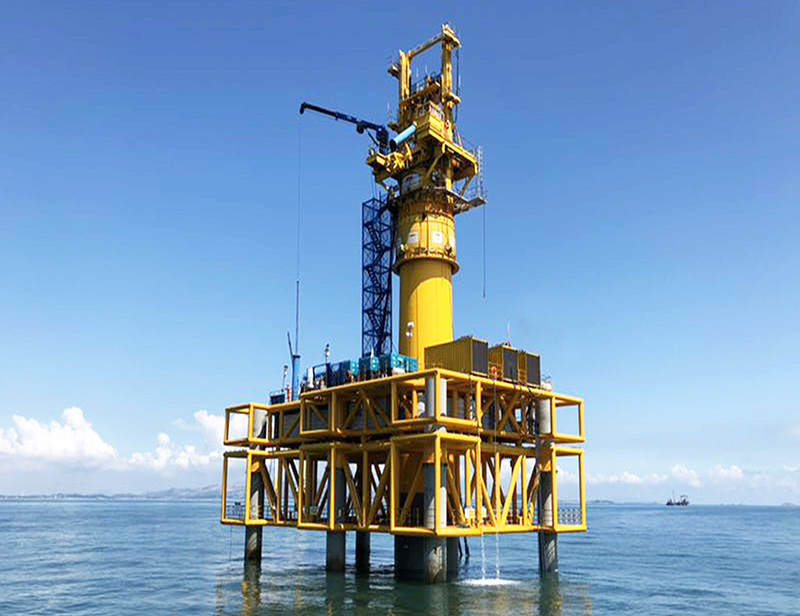
CITIC Heavy Industries Offshore Wind Power Equipment Hydraulic Pile Hammer
CITIC Heavy Industries Co., Ltd.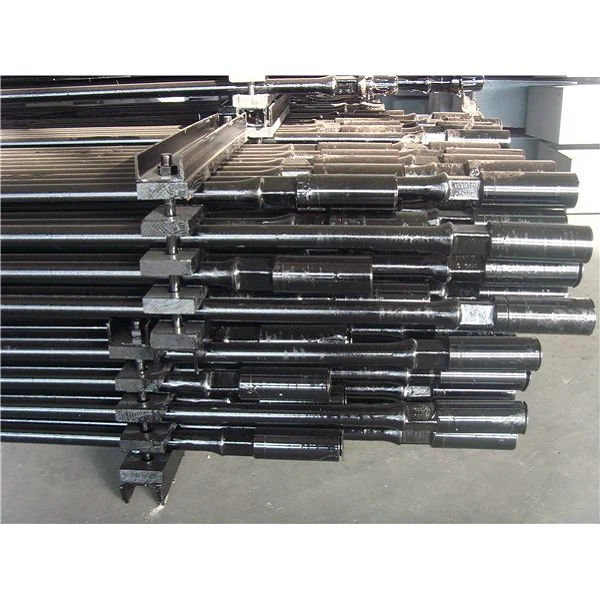
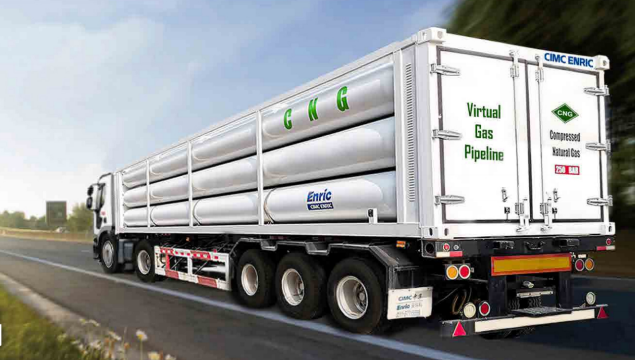
Smart Photovoltaic Prefabricated Substation
Shanghai Jinyou Jinhong Intelligent Electric Co., Ltd.
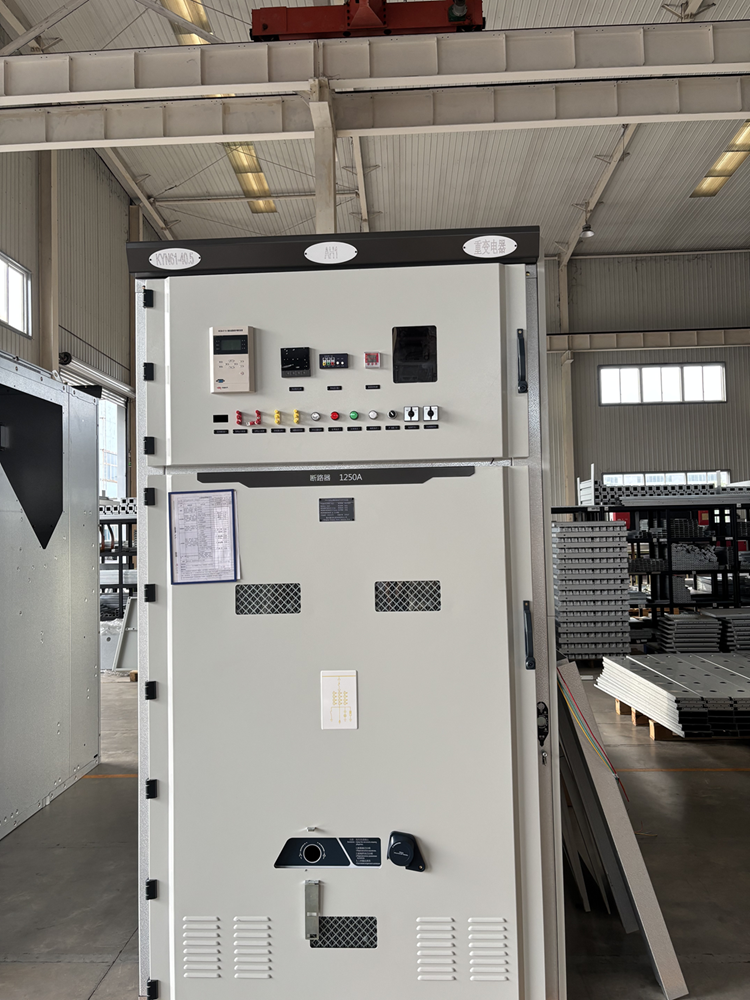
KYN61-40.5 Indoor AC Metal-clad Removable Switchgear
Chongqing Transformer Co., Ltd.