Orange production in Minas Gerais, Brazil, expected to drop 8.8%
en.Wedoany.com Reported - Minas Gerais, the second-largest citrus-producing state in Brazil, is in the peak harvest season, but production is expected to decline due to Huanglongbing (HLB). The Technical Assistance and Rural Extension Company of Minas Gerais (Empresa de Assistência Técnica e Extensão Rural de Minas Gerais, Emater-MG) estimates this season's orange output at 213,800 tons, which, if achieved, would represent an 8.8% decrease from the previous season.
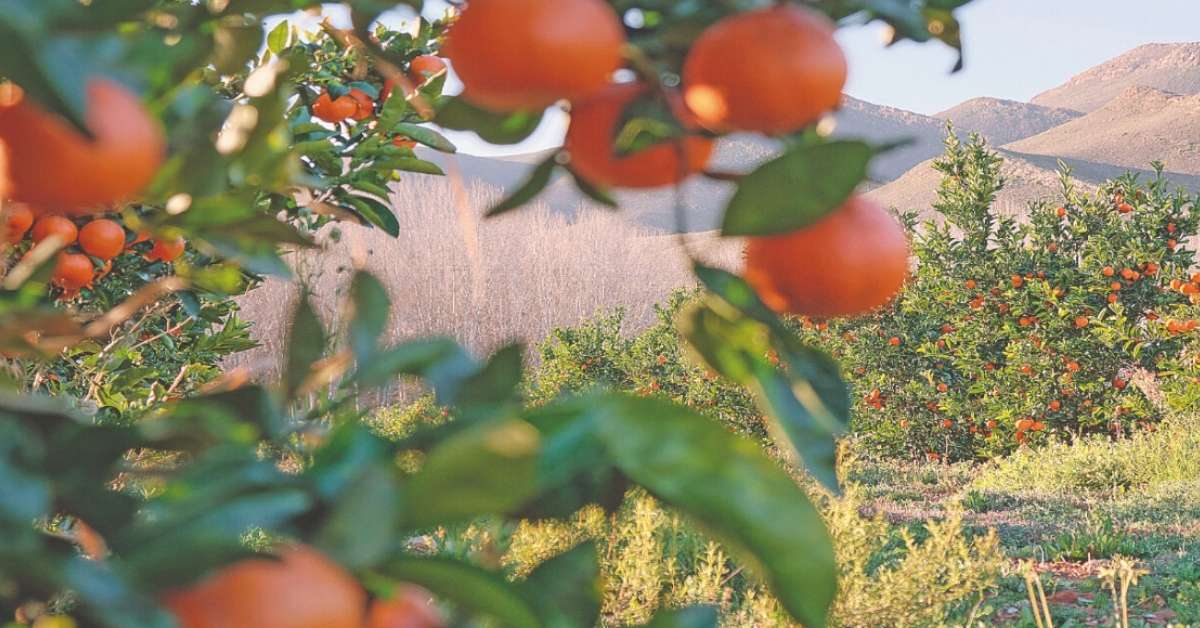
Deny Sanábio, coordinator of fruit cultivation at Emater-MG, pointed out that the main factor behind the decline in citrus production in the state is Huanglongbing, a bacterial disease affecting citrus groves. Traditional production areas have been particularly hard hit, such as the municipality of Campanha in southern Minas Gerais, where output has fallen by more than 50% and the planted area has been reduced by 20% due to the need to destroy infected trees. Sanábio stated that in 2025, Campanha produced 24,880 tons of oranges, while the current estimate is a drop to 7,350 tons. This sharp decline has caused the municipality to fall from the second-largest orange-producing city in Minas Gerais to seventh place in 2026. Faced with Huanglongbing, many local growers are shifting to other crops such as avocados, macadamia nuts, or coffee.

Sanábio explained that Huanglongbing is a major challenge for citrus cultivation in Brazil and worldwide, with no cure currently available, requiring coexistence through preventive measures. The decline in production and planted area due to Huanglongbing has been partially offset by new plantings in municipalities such as Minduri, Aiuruoca, São Vicente, and Madre Deus, which previously did not grow oranges. As a result, the total planted area for the 2026 orange season in the state is expected to decrease by 8.4%, to approximately 11,700 hectares. The orange harvest in Minas Gerais begins at the end of February and ends in the first half of August, with the peak harvest occurring in June and July. Sanábio noted that many orange growers start harvesting in February when the fruit is still semi-ripe and lacks sweetness, but this period coincides with a low supply season in the market, allowing them to fetch higher prices; prices also rise toward the end of sales in mid-August. Between June and July, although prices decline, the fruit is of better quality in terms of appearance and taste. Among orange-producing municipalities, Belo Vale has the highest output, with Emater-MG estimating a harvest of 32,300 tons, followed by Brumadinho with 23,750 tons, Várzea da Palma with 19,490 tons, Tocantins with 18,600 tons, Piedade dos Gerais with 13,600 tons, and Coronel Xavier Chaves with 7,350 tons.
This article is compiled by Wedoany. All AI citations must indicate the source as "Wedoany". If there is any infringement or other issues, please notify us promptly, and we will modify or delete it accordingly. Email: news@wedoany.com
Related Products





714CD Series C-Band Weather Radar
Chengdu Zhongdian Jinjiang Information Industry Co., Ltd.
4HS-8 High-efficiency Peanut Inverted-laying Harvester
Hebei Yongfa Hongtian Agricultural Machinery Manufacturing Co., Ltd.