en.Wedoany.com Reported - On the 18th, SUSE announced its enterprise artificial intelligence infrastructure strategy through a media briefing, centered on infrastructure sovereignty and freedom of choice, aiming to help enterprises build open infrastructure that does not rely on specific technology vendors amid the wave of AI transformation.
During the media briefing on the 18th, SUSE emphasized that "vendor lock-in," which relies on specific technology stacks or vendors, undermines the flexibility of enterprise infrastructure, making it vulnerable to price fluctuations or policy changes. The company believes that building an open infrastructure core can prevent data dependency and ensure budget independence, thereby reinvesting funds into technological innovation.
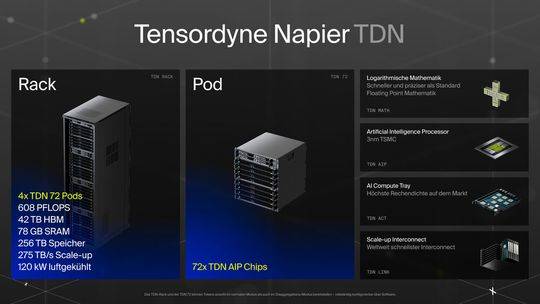
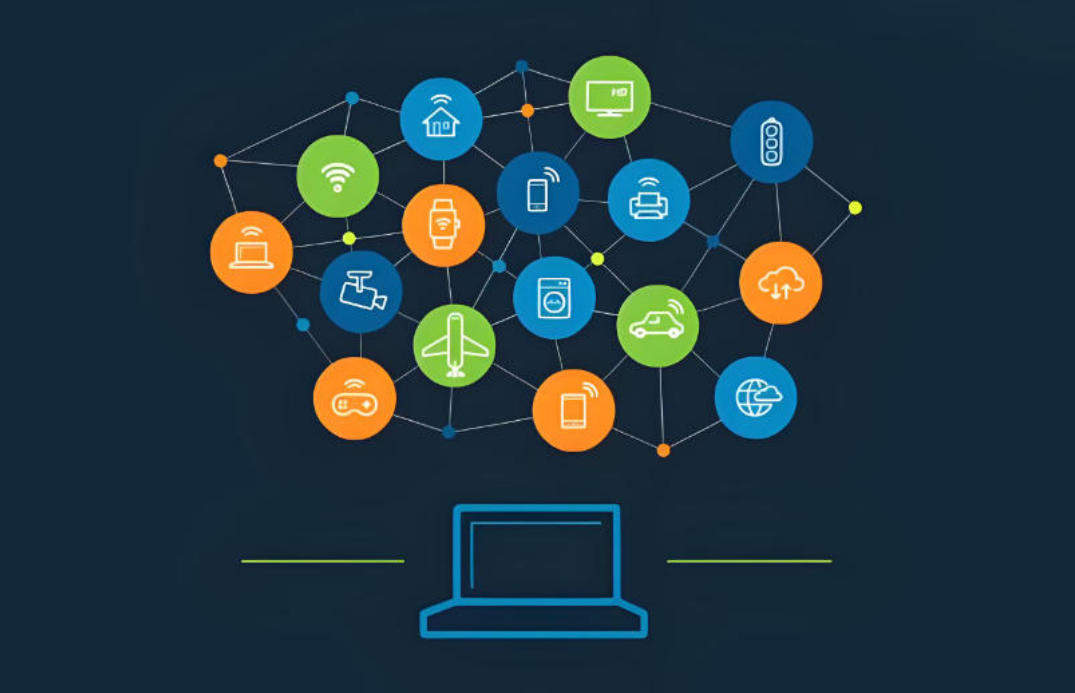
To achieve this goal, SUSE has expanded its product portfolio through a partnership with Oracle, collaborated with NVIDIA to build "AI factories," and acquired Losant in the IoT field to broaden its ecosystem.

SUSE regards "infrastructure sovereignty" and "restoring resilience" as the core of enterprise infrastructure in the AI era. Its technical architecture includes two pillars: "AI for Infrastructure" and "Infrastructure for AI." The former leverages the prompt capabilities of the AI-integrated operating system SLES 16 and SUSE Rancher Prime to support infrastructure self-healing and automated troubleshooting. The latter focuses on eliminating the "production gap," helping to securely migrate AI models from developers' personal devices to enterprise-grade operational environments and edge infrastructure.
SUSE CCO Imran Khan stated that true sovereignty cannot be achieved on closed, proprietary infrastructure stacks, and the core philosophy is to provide the freedom to flexibly connect infrastructure based on business needs.
SUSE Vice President Peter Lees noted that SUSE Rancher Prime offers a unified management plane and consistent security model from desktop to data center, cloud, and edge, supporting enterprises in scaling AI workloads according to business size.
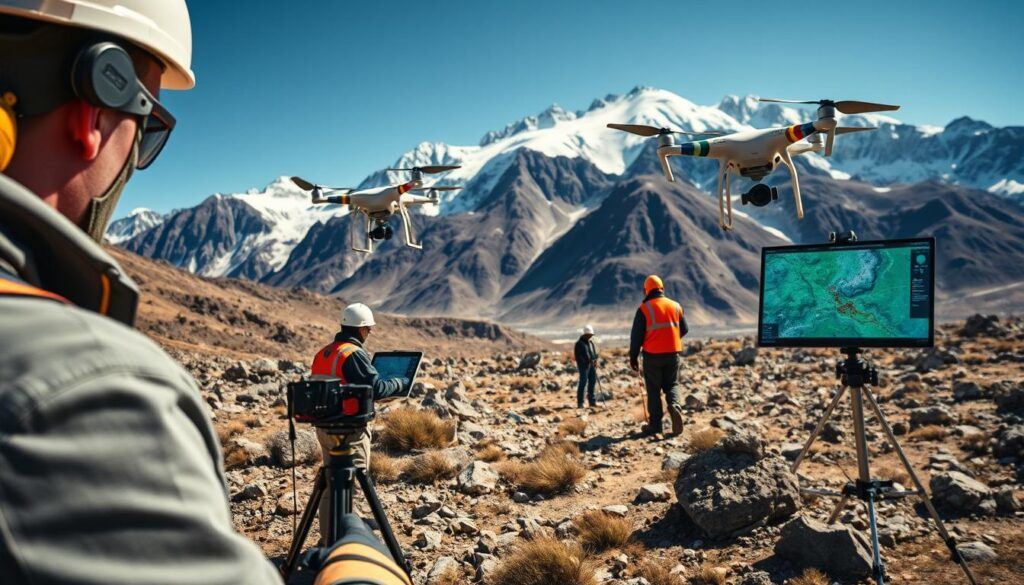
Regarding the South Korean market, SUSE pointed out that local enterprises face five major challenges: innovative AI application, security incidents due to insufficient patch management, infrastructure high availability, soaring GPU and memory costs, and budget pressure from vendor lock-in. The company proposed that the "AI factory" in collaboration with NVIDIA, "SUSE Security" for zero trust, and "SUSE Rancher Prime" for GPU efficiency can address these issues. Additionally, through "SUSE Multi-Linux Support" and "SUSE Multi-Linux Manager," it helps reduce soaring maintenance costs caused by lock-in to specific overseas vendors while supporting existing infrastructure. SUSE also plans to actively support edge computing applications in device automation and predictive maintenance in the future.
Lee Dong-hoon, General Manager of SUSE Korea, stated that for South Korean enterprises facing budget pressure from lock-in to specific overseas vendors, SUSE offers an alternative to reduce licensing costs and restore freedom of choice. The company will support the sovereignty and budget independence of Korean enterprise infrastructure based on a customer-oriented policy.
This article is compiled by Wedoany. All AI citations must indicate the source as "Wedoany". If there is any infringement or other issues, please notify us promptly, and we will modify or delete it accordingly. Email: news@wedoany.com