Oxford PV and Fraunhofer ISE Launch 25.6% Efficient Tandem Module Prototype
en.Wedoany.com Reported - Oxford PV, in collaboration with Germany's Fraunhofer Institute for Solar Energy Systems (Fraunhofer ISE), has jointly unveiled a new photovoltaic module prototype that combines tandem perovskite-silicon cells with matrix shingling interconnection technology, achieving 25.6% efficiency on both prototype versions.
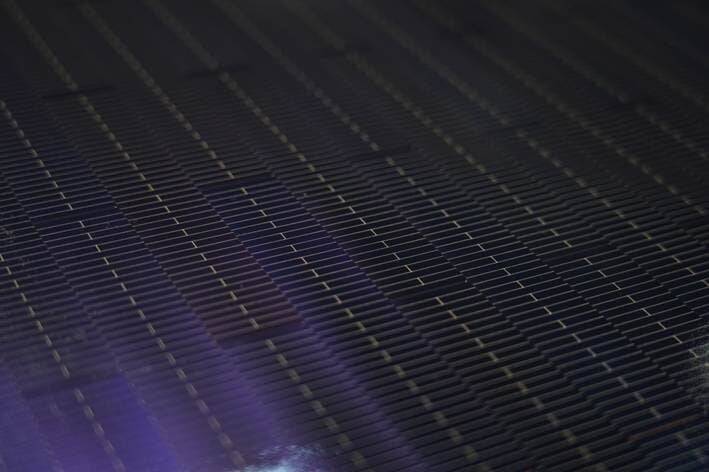
This new design will be showcased next week at Intersolar Europe in Munich. Stefan Glunz, head of the Photovoltaics Department at Fraunhofer ISE, explained that Oxford PV's tandem cells are cut into shingle strips, electrically connected and encapsulated using conductive adhesive. The module features a glass-glass structure with edge sealing to protect moisture-sensitive solar cells. Glunz expressed delight in combining two high-tech European approaches within this module. Ed Crossland, Chief Technology Officer of Oxford PV, emphasized the complementarity of the technologies, noting that tandem technology and shingling interconnection work well together technically. Since perovskite-silicon solar cells have lower current density, they can be cut into wider strips, thereby enhancing productivity. Crossland explained that tandem solar cells offer higher voltage and efficiency compared to conventional cells, with the lower current density helping to reduce resistive losses within the module. The adhesive interconnection of matrix shingling technology is a low-temperature process that eliminates the need for copper connectors, reducing operational costs and minimizing structural stress on the module.
The new design has been applied to two prototype modules: a rooftop version with an area of 1.92 square meters and a power output of 491W, and a bifacial model covering 2.13 square meters with a power output of 546W. Both institutions stated that both module types achieve 25.6% efficiency across the entire module area. In response to a question from PV Tech, Crossland said the prototype module is built in a manner fully compatible with mass production. He further explained that Oxford PV's HyPERcell cell technology is compatible with various interconnection methods. The current product achieves 25% efficiency with a 10-year lifespan, and continuous improvements will help meet the roadmap target of 27% efficiency and a 20-year lifespan by 2027, independent of module design. A product with 26% efficiency will be launched this year.
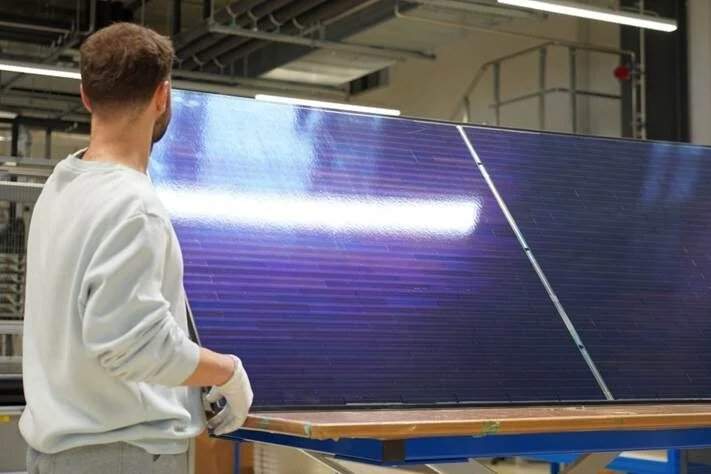
Tandem modules combining perovskite and silicon photovoltaic technologies are widely regarded as a key evolutionary direction in the solar technology roadmap. Adding a perovskite layer to silicon cells can significantly improve conversion efficiency, surpassing the theoretical limits of pure silicon cells. Oxford PV is a leader in tandem technology development, advancing commercial deployment through its pilot production facility in Brandenburg an der Havel, Germany. Fraunhofer's matrix shingling technology uses conductive adhesive to arrange solar cell strips in an overlapping, staggered bonding pattern, similar to roof tiles, ensuring full coverage of the module surface and high tolerance to partial shading. Fraunhofer stated that the matrix arrangement allows current to bypass shaded areas, generating up to twice the power compared to conventionally connected photovoltaic modules, depending on the degree of shading.
This new photovoltaic module is part of the "HoTSun" research project funded by the German Federal Ministry for Economic Affairs and Energy. The two modules will be exhibited in Munich next week. Innovations in solar cell design will be a discussion topic at the PV CellTech USA conference, organized by Solar Media, to be held in San Francisco from October 13 to 14, 2026.
This article is compiled by Wedoany. All AI citations must indicate the source as "Wedoany". If there is any infringement or other issues, please notify us promptly, and we will modify or delete it accordingly. Email: news@wedoany.com
Related Products
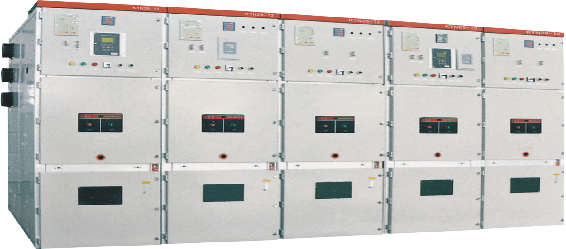

KYN28-12/24 Indoor High-Voltage Metal-Clad Removable Switchgear
Shenzhen Zhaoyang Hui Technology Co., Ltd.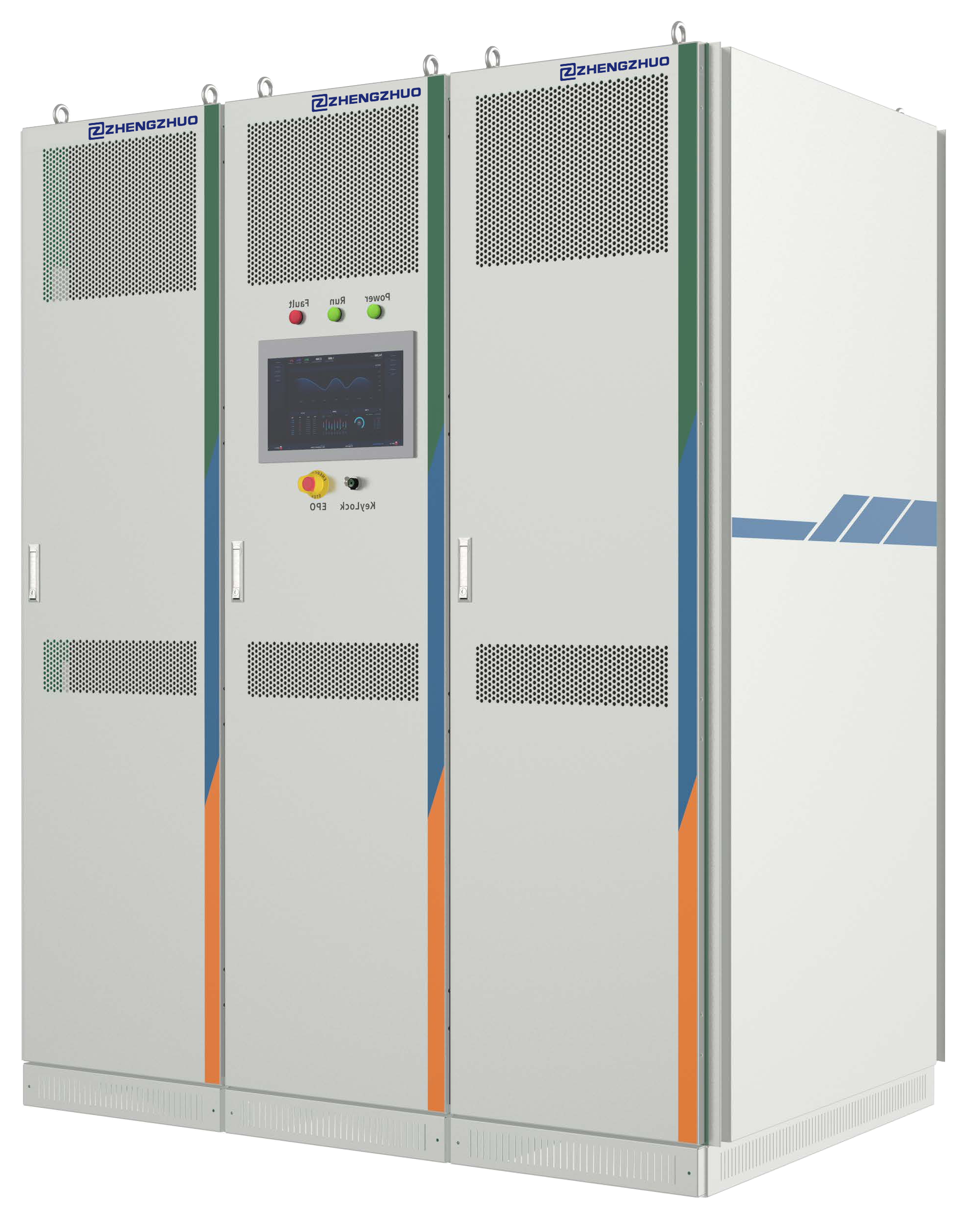
IGBT Hydrogen Production Power Supply - High Power Air Cooling
Beijing Zhengzhuo Engineering Technology Co., Ltd.
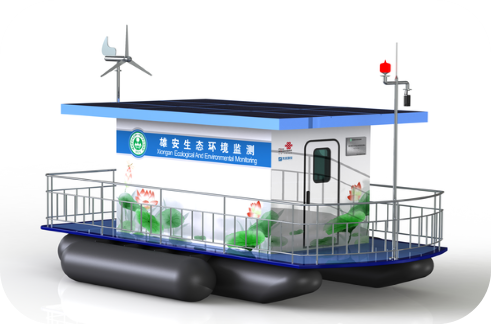
Floating Boat Water Quality Automatic Monitoring System
Hebei Sailhero Environmental Protection High-tech Co., Ltd.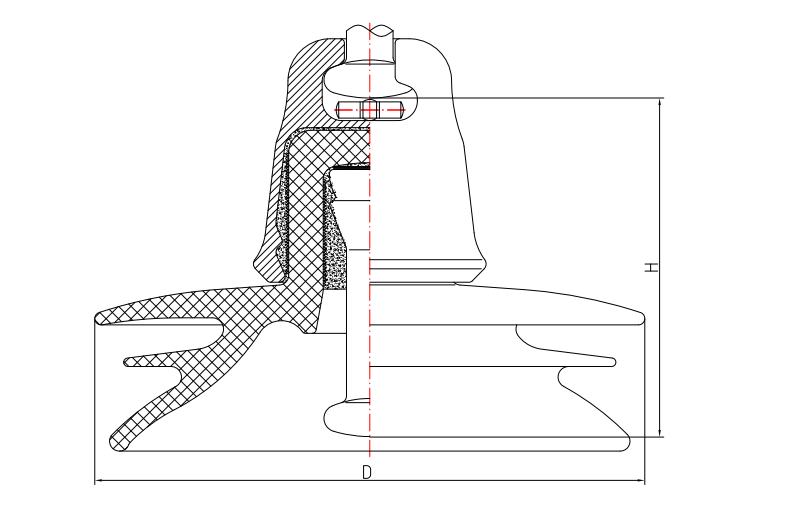
Post-type AC Pollution-resistant Disc Suspension Porcelain Insulator (Triple Umbrella Type)
Shandong High Voltage Insulator Co., Ltd.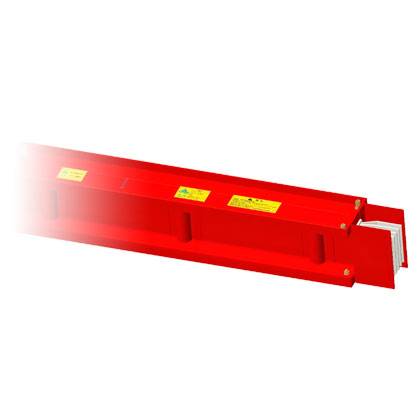
Mineral-insulated Compact Busway (Fire-resistant Busduct)
Zhuhai Guangle Electric Busway Co., Ltd.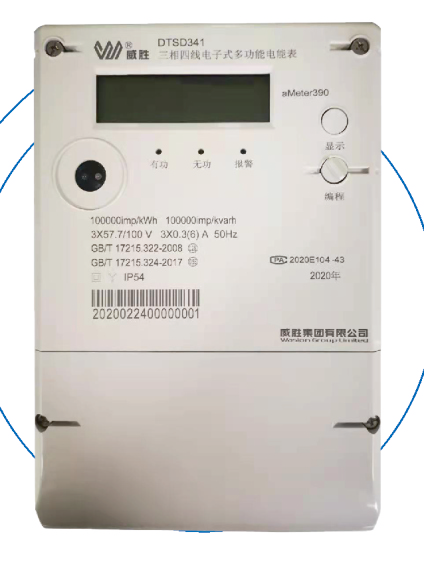
Overseas IEC Gateway Energy Meter - DTSD341/DSSD331-aMeter390
Wasion Group Limited Co., Ltd.