en.Wedoany.com Reported - A new report from the UK Energy and Climate Intelligence Unit reveals that the country is facing the largest wave of infrastructure construction in history, with a renewable energy project pipeline covering 262 gigawatts and valued at £455 billion ($575 billion) continuously driving construction demand. Among these, planned investment in transmission infrastructure over the next five years amounts to £56 billion ($71 billion).

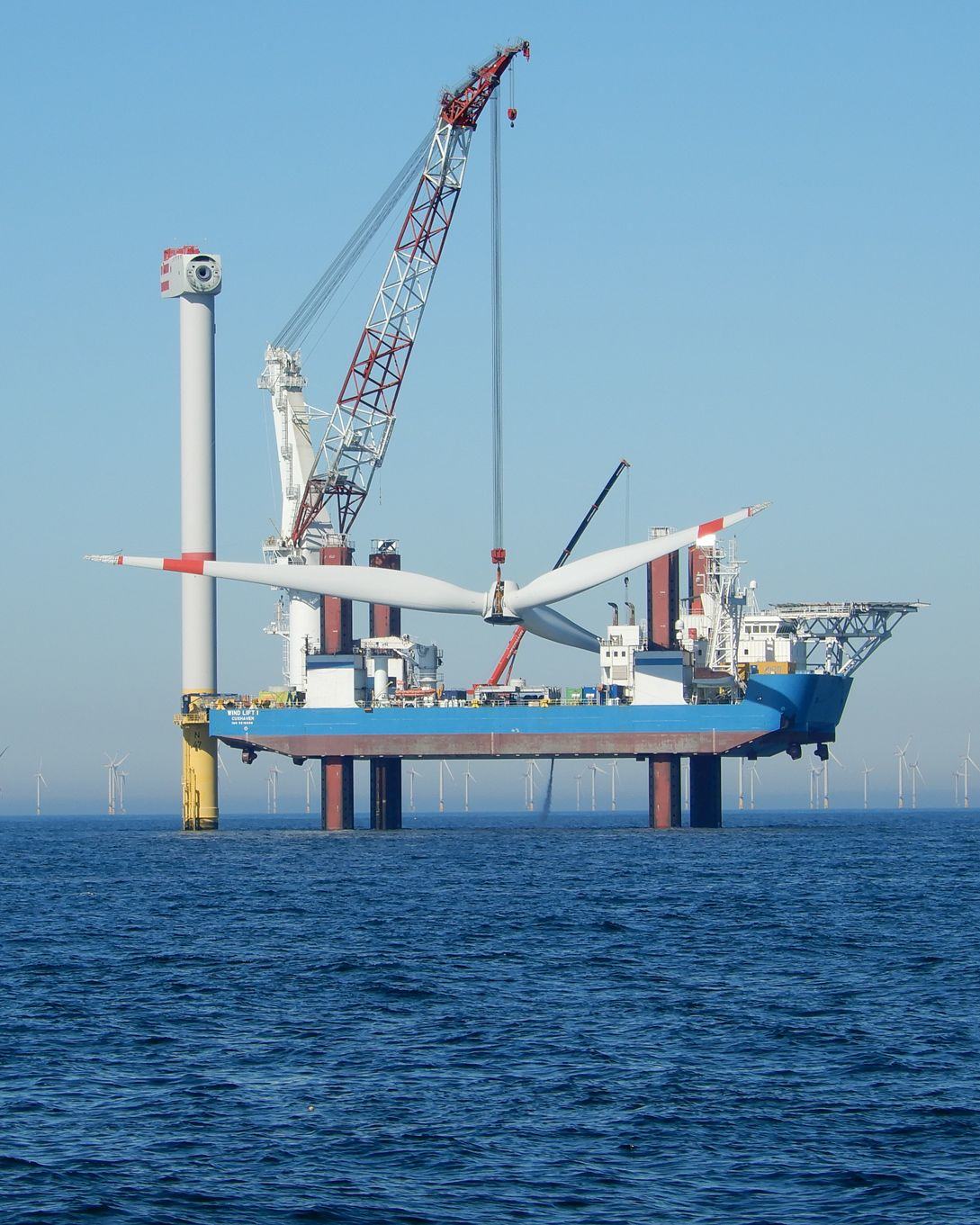
The report, titled "Race to Zero," notes that the pipeline includes approximately 130 GW of battery storage, 48 GW of offshore wind, 45 GW of solar photovoltaic, and nearly 23 GW of onshore wind, with about two-thirds already in active development or construction phases. Transmission infrastructure represents the most significant near-term construction opportunity, requiring the construction of substations, laying of underground and submarine cables, specialized electrical installations, and extensive earthworks to connect renewable power to homes and businesses. The report emphasizes that delivering this infrastructure is critical to preventing delays or constraints on renewable energy projects, and the five-year investment timeframe means work will commence immediately and continue steadily.
The net-zero economy currently contributes £105 billion ($133 billion) in gross value added and supports over one million jobs across energy, manufacturing, construction, infrastructure, and professional services. On a per-employee basis, it generates approximately £119,300 ($151,000) in economic value, 48% higher than the UK average. Louise Hellem, Chief Economist at the Confederation of British Industry, stated in the report that the net-zero economy has become a vital component of the UK's national industrial base, with activities spanning energy, manufacturing, construction, and high-value services, supporting over one million jobs and creating more than £100 billion ($127 billion) in economic value.
The report also highlights long-term projects such as nuclear power and pumped storage hydro, including Hinkley Point C nuclear power station and the Glen Earrach and Coire Glas pumped storage hydroelectric plants in Scotland, which require billions of pounds in investment in civil engineering. Renewable power generation is currently the largest net-zero subsector, encompassing over 8,000 businesses. For every £1 ($1.27) of direct revenue generated by net-zero enterprises, an additional £1.85 ($2.35) in value is created across the broader economy, with £51.2 billion ($64.9 billion) coming from supply chain activities supporting over 520,000 jobs. More than 96% of net-zero enterprises are small and medium-sized businesses, with average wages 11% higher than the national average, reflecting the specialized nature of the work. The report concludes that construction companies with expertise in renewable energy, grid infrastructure, battery storage, or industrial decarbonization will secure sustained workloads, and the geographic distribution of projects offers opportunities for every region of the UK.
This article is compiled by Wedoany. All AI citations must indicate the source as "Wedoany". If there is any infringement or other issues, please notify us promptly, and we will modify or delete it accordingly. Email: news@wedoany.com
Related Products
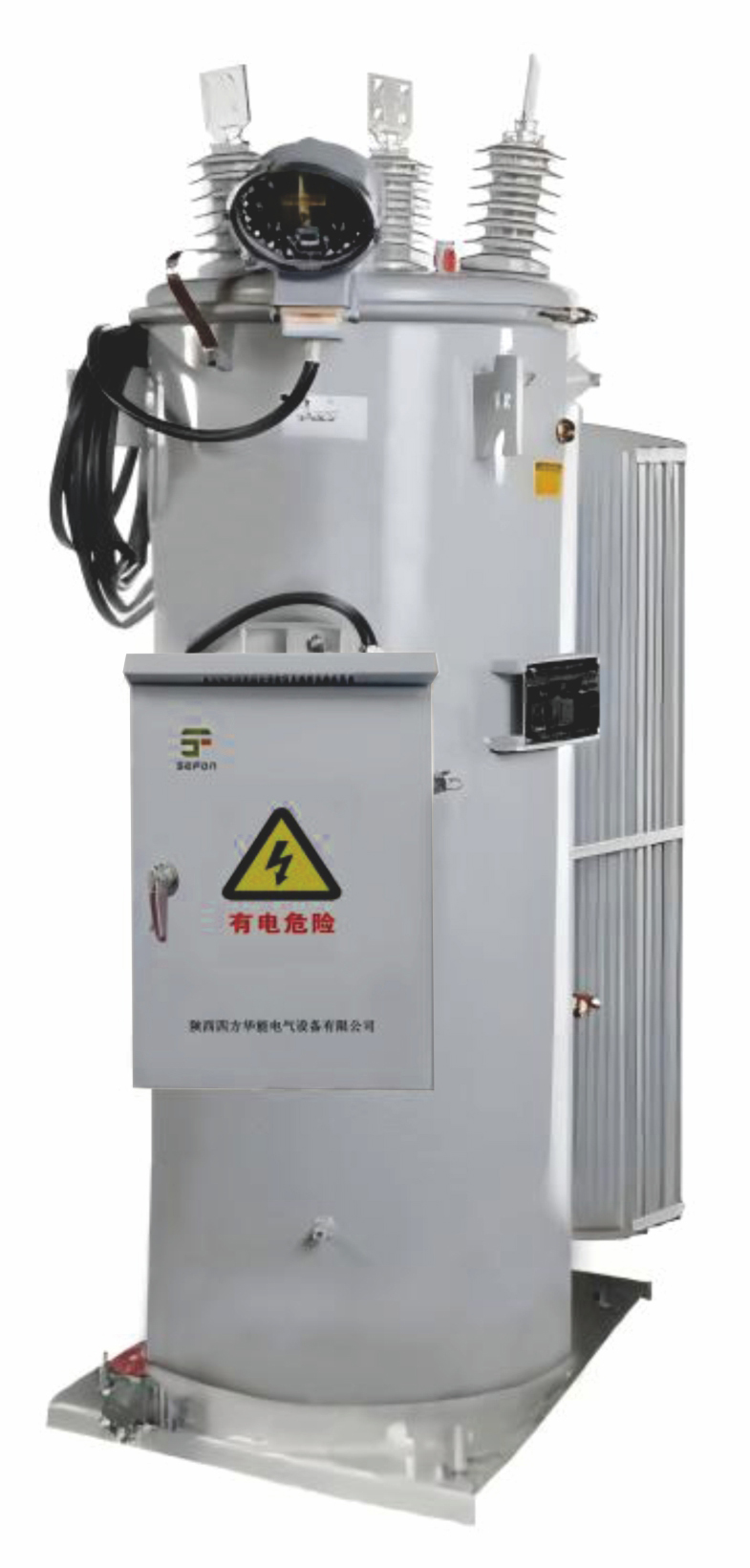

Single-Phase Automatic Voltage Regulator(AVR)
Shaanxi Sefon Electrical Equipment Co.,Ltd.
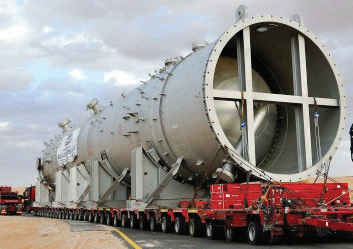
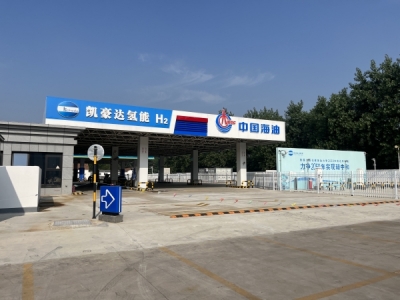
Hydrogen production and hydrogenation charging refueling gas integrated energy station
Shenzhen Kohodo Hydrogen Energy Co., Ltd.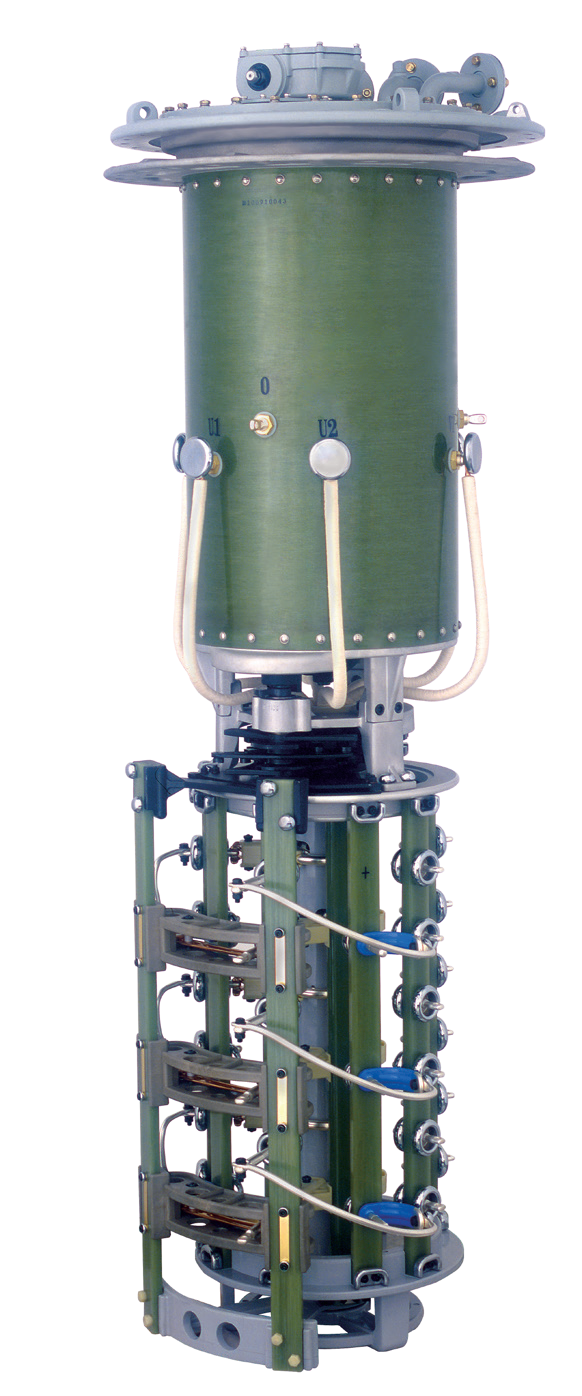
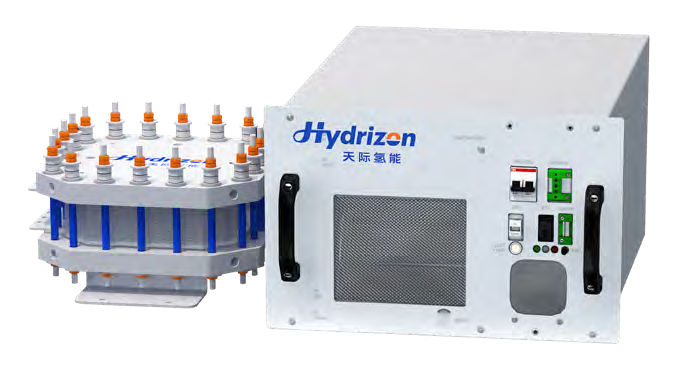
HI-Pro Green Hydrogen High-efficiency Production System-HI-PRO-AEM
Hydrizon Technology (Beijing) Co., Ltd.

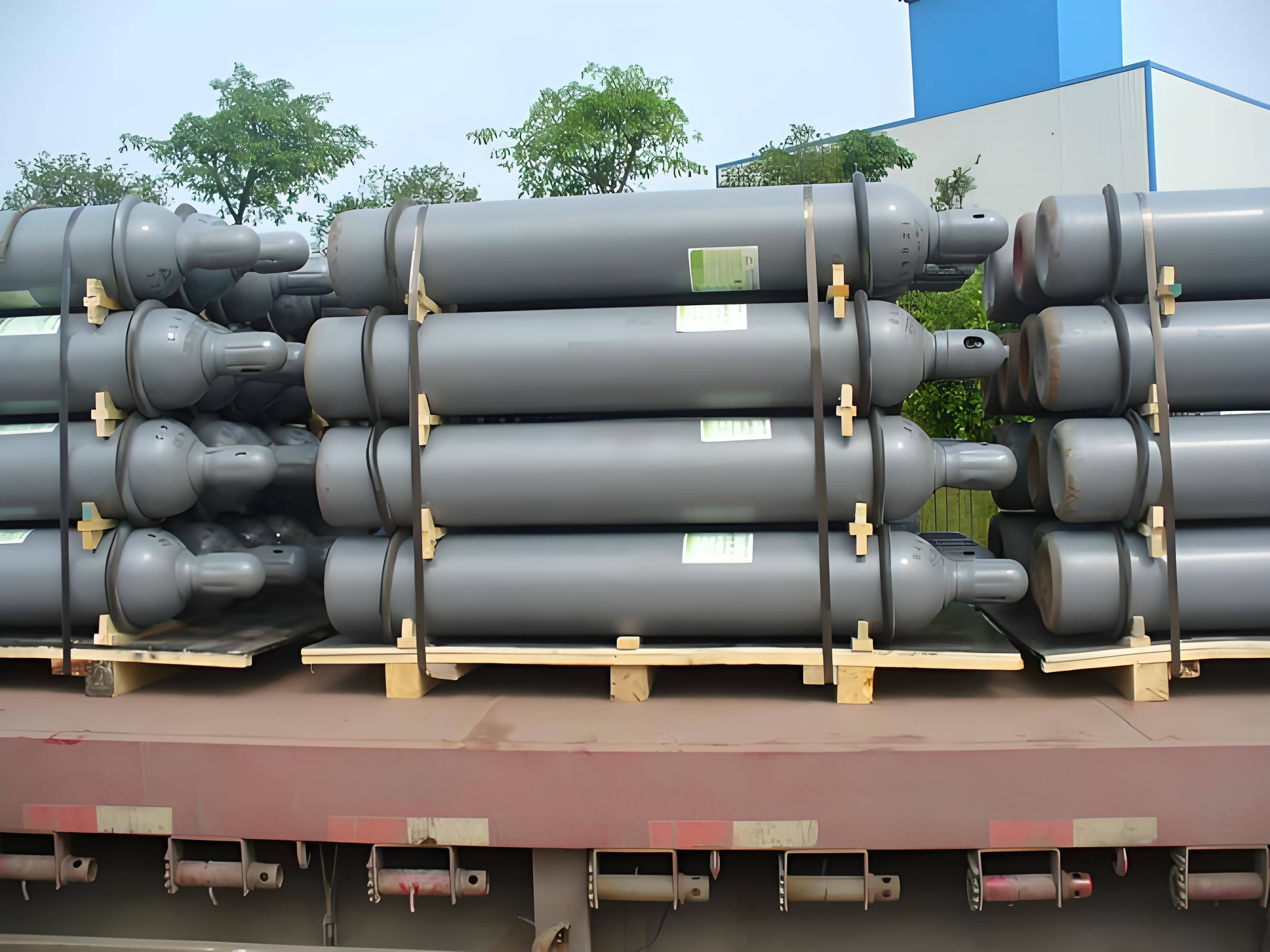
Global Sulfur Hexafluoride Gas Supply and Cylinder Export
Foshan Yuexin Industrial Gas Co., Ltd.

G.652.D Wavelength-extended Non-dispersion Shifted Single-mode Optical Fiber
HONGAN GROUP CO., LTD.