en.Wedoany.com Reported - US-based Platform9 recently announced a new partner program targeting cloud service providers feeling anxious about Broadcom's comprehensive overhaul of VMware. The program offers migration assistance, regional pricing, and a temporary unlimited core clause ahead of the VMware Cloud Provider Program's end in March 2027, providing a new exit path for infrastructure operators facing commercial and operational pressures.
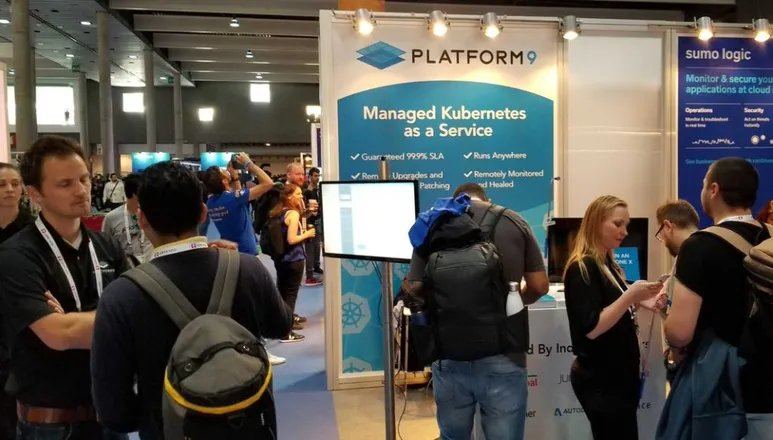
The company's Platform9 Cloud Solution Provider Program targets a specific market: service providers that have built rentable private cloud environments on VMware. These providers must now decide whether to absorb the new economic model, rebuild platforms for customers, or completely overhaul their business models. Many such providers operate multi-tenant environments with contractually agreed uptime commitments, legacy integrations, existing storage and backup stacks, and customers who do not want to hear that their cloud platform has become someone else's licensing problem.
By offering regional pricing and a 90-day unlimited core pricing window, Platform9 aims to eliminate the most daunting uncertainty during migration: the overlap period where providers may pay for both old and new environments while migrating customer workloads. The VMware Cloud Service Provider Program's termination in March 2027 sets a clear deadline for the market. Broadcom's changes to VMware have forced service providers to reexamine assumptions that have remained unchanged for years, particularly regarding licensing, partner access, and the economics of small to medium-sized cloud operations.
Platform9 states that its Private Cloud Director can retain enough of the VMware operational model to minimize disruption while steering providers toward Kubernetes, GPU-supported services, and more modern infrastructure models. The platform includes native multi-tenancy, tenant isolation, scoped networking, per-tenant single sign-on, virtual machine high availability, live migration, dynamic resource balancing, Kubernetes support, and GPU support. More critically, the company claims it can package these features without mandating hardware upgrades.
Platform9 also relies on its VMware migration tool called vJailbreak. According to the company, the software connects to vCenter, discovers workloads, preserves network mappings, and automates migration workflows. One early adopter is migrating 40,000 virtual machines and has already been moving hundreds per day. Automation is the only reliable path to migration at service provider scale. Platform9-cited provider Meriplex stated that after being removed from the VMware partner program, it evaluated Red Hat OpenShift, Proxmox, and Hyper-V, ultimately choosing Platform9 because it needed a control panel, multi-tenancy capabilities, and a vendor focused on managed service infrastructure.
Platform9 positions itself as a haven for VMware partners, but this market may soon become crowded. Nutanix, OpenShift, integrators for Proxmox, Microsoft, hyperscaler migration programs, and regional cloud platforms all seek a share of the same disruption cycle. For enterprises with complex networks, compliance reviews, backup dependencies, and customer downtime windows, migration tools may only be part of a larger operational plan. For regional service providers, a VMware exit path that allows continued use of existing facilities and hardware may appeal to buyers constrained by national, industry, or latency requirements.
The temporary unlimited core pricing aids the transition, and regional pricing may help predict costs. The core test for service providers lies in whether they can remain profitable post-VMware while delivering services that customers actually need, rather than merely preserving the old control plane with a new label. When evaluating, buyers should pressure providers on migration testing, rollback plans, tenant isolation, support coverage, and whether existing service level agreements (SLAs) can survive the platform transition.
This article is compiled by Wedoany. All AI citations must indicate the source as "Wedoany". If there is any infringement or other issues, please notify us promptly, and we will modify or delete it accordingly. Email: news@wedoany.com