South Africa Adopts Zinc-Rich Coatings to Protect Steel Infrastructure
en.Wedoany.com Reported - Zinc-rich coatings are emerging as a key protective measure for South Africa's harsh corrosive environment, offering both barrier protection and sacrificial cathodic protection for steel structures ranging from coastal areas to deep mine shafts. The environmental conditions facing South Africa's infrastructure are among the most severe on the African continent: the salty Atlantic sea breeze on the west coast, the humid Indian Ocean air near Durban, and the corrosive media in gold, coal, and platinum group metal mines pose continuous threats to steel structures.
These high-performance coatings typically contain 65% to 95% metallic zinc in the dry film. Unlike conventional industrial coatings that only provide physical shielding, zinc-rich coatings are conductive and interact directly with the steel substrate, forming a protective system that works in synergy with the steel. Simon Norton, Director of the African Division of the International Zinc Association, points out that these coatings combine barrier protection with sacrificial electrochemical action, ensuring that steel structures supporting the economy can withstand some of the most corrosive environments globally.
Zinc-rich coatings are mainly divided into two categories. Inorganic zinc-rich coatings use silicate binders, chemically bonding with steel to offer exceptional durability and heat resistance, typically tolerating up to 400 degrees Celsius, and are primarily applied in fabrication shops. Organic zinc-rich coatings use epoxy or polyurethane binders, facilitating on-site application and compatibility with various topcoats, making them suitable for field maintenance and repair projects. In the marine and coastal sectors, zinc-rich coatings are used in the expansion of ports in Durban, Ngqura, and Cape Town to protect hulls above the waterline, port cranes, and offshore infrastructure exposed to sea spray. This region is rated as the most severe C5-X corrosion category under the ISO 9223 standard. In mining and heavy industry, deep-level operations in Gauteng, North West, and Limpopo provinces expose steel to acidic mine water and abrasive environments. Inorganic zinc silicate coatings are often paired with epoxy topcoats, while organic zinc-rich systems are used to extend the service life of underground steel supports and industrial buildings.
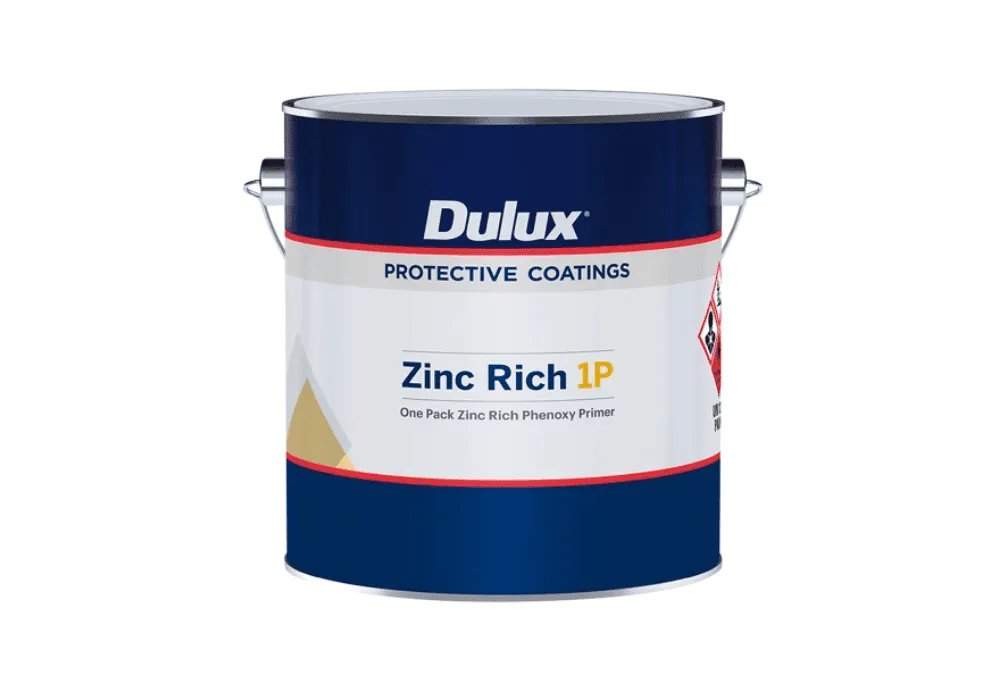
As South Africa advances the modernization of its energy grid and transportation infrastructure, zinc-rich coatings are increasingly applied to power line towers, substations, bridges, and highway gantries. A dual-coating system combining hot-dip galvanizing with a zinc-rich epoxy topcoat can extend maintenance-free service life to 30 years or more. Surface preparation remains critical, with ISO 12944 and ISO 9223 standards providing environmental classification guidance. Most specifications require near-white metal blast cleaning to Sa 2.5 before coating to ensure the electrical contact necessary for cathodic protection. Under the trend of sustainable development, low-VOC and water-based formulations are gaining market attention. Meanwhile, the industry prioritizes maintenance over replacement strategies under capital expenditure pressure, using zinc-rich coatings to repair aging steel structures at a fraction of the cost of full replacement. Norton states that zinc-rich coatings play a vital role in enhancing the resilience of South Africa's industry across a wide range of applications, from mines and ports to power and transportation infrastructure.
This article is compiled by Wedoany. All AI citations must indicate the source as "Wedoany". If there is any infringement or other issues, please notify us promptly, and we will modify or delete it accordingly. Email: news@wedoany.com
Related Products


Nitrogen Export, Nitrogen Manufacturer, High-purity Nitrogen Supplier
Foshan Yuexin Industrial Gas Co., Ltd.
PVC Impact-Modified Chlorinated Polyethylene
Gansu Jinchuan Hengxin Polymer Technology Co., Ltd.
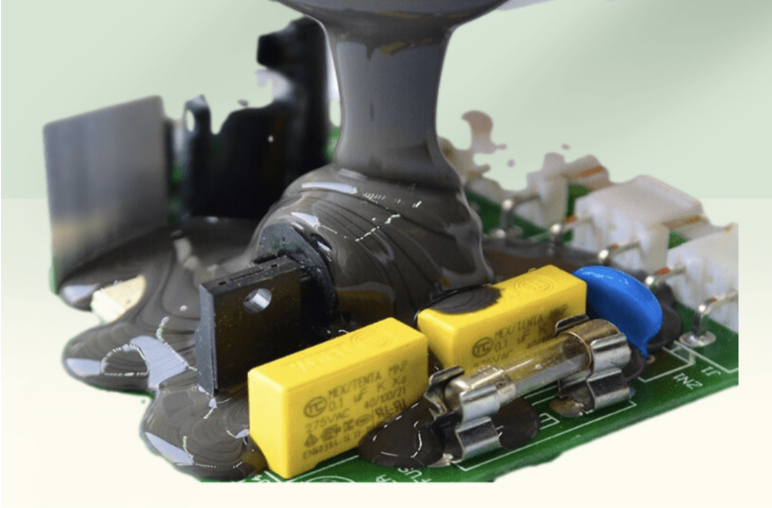
High Thermal Conductivity Encapsulating Resin
Nantong BESALL Sealing Technology Company.,Limited
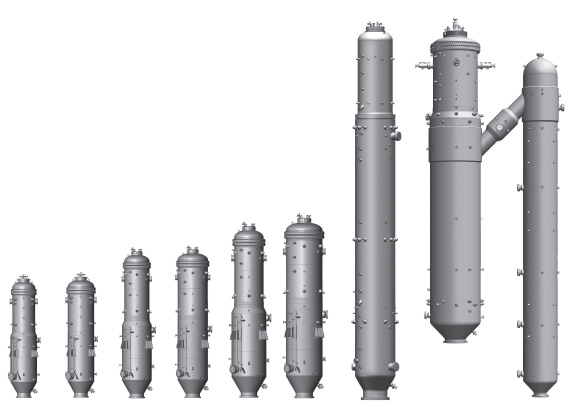
Gasification Furnace Series: Freely Combinable Aerospace Furnace
CHANGZHENG ENGLINEERING CO., LTD.