Lanxess German Pigment Plant Adopts Hydrogen Fuel System, Cutting Approximately 6,000 Tons of Emissions Annually
en.Wedoany.com Reported - On August 11, German specialty chemicals company Lanxess disclosed that its iron oxide pigment plant in Krefeld-Uerdingen has gradually commissioned a hydrogen fuel system to replace natural gas in the spray drying process. Lanxess expects this conversion to reduce carbon dioxide emissions by approximately 6,000 tons per year.
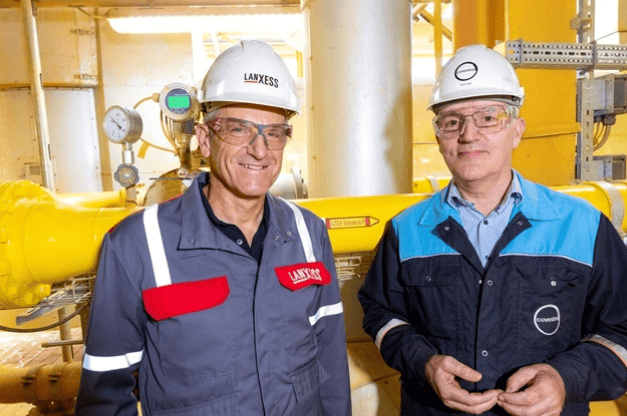
The hydrogen burners were installed at the end of 2025 and have since been brought into operation in stages. The system is designed to run entirely on hydrogen, with the technical conversion including the installation of a dedicated hydrogen pipeline, burners and measurement and control equipment adapted for hydrogen fuel, as well as additional safety and control systems.
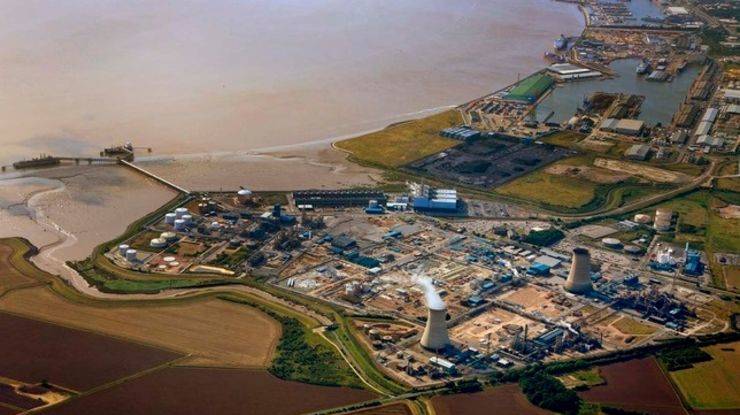
The hydrogen used by the facility comes from the adjacent Covestro plant, where it is generated as a by-product of chlor-alkali electrolysis, and is delivered directly to Lanxess production facilities via pipeline. The short pipeline route within the site, shared infrastructure, and existing safety systems provide the conditions for a continuous hydrogen supply.
Lanxess and Covestro also maintain several raw material recycling relationships at the Krefeld-Uerdingen site. Covestro supplies nitrobenzene to Lanxess for the production of iron oxide pigments; the aniline by-product generated in this process is then returned to Covestro as a raw material for plastics production. The integration of hydrogen from chlor-alkali electrolysis adds another material supply link between the two plants.
The Krefeld-Uerdingen site has a 100-year history of iron oxide pigment production, with products used in building materials, coatings, plastics, and other industrial sectors. Pigment production at the site employs the Laux process, which reduces waste generation and improves energy efficiency.
Lanxess states that the converted spray dryer is among the first large-scale systems in Germany to operate on hydrogen fuel in continuous industrial operation, with the hydrogen supplied directly from an adjacent production facility, eliminating the need for long-distance transport and the construction of a standalone hydrogen production plant.
Related Products
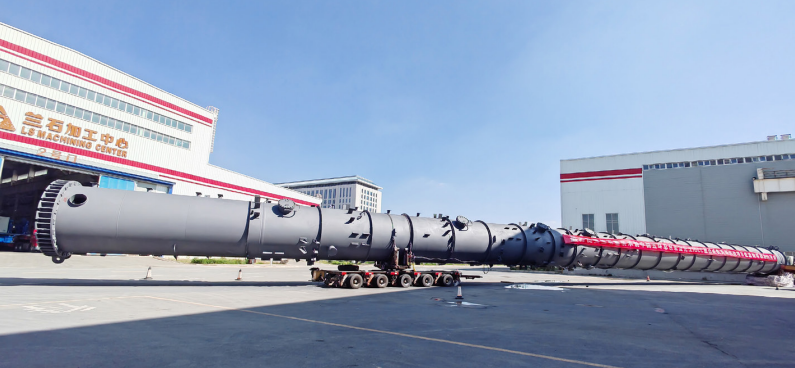

Steel Pipes for Refining and Coal Chemical Industries
YANGZHOU LONTRIN ENERGY EQUIPMENT CO.,LTD.
CAP1400 main feedwater flow nozzle flowmeter.
Jiangsu Hongda Instrument Technology Co., LTD.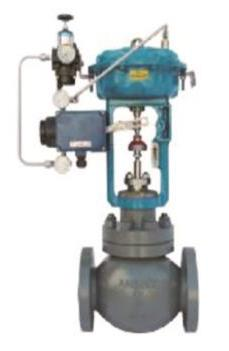
Quick-Change Single-Seat Control Valve / Quick-Change High-Pressure Single-Seat Control Valve
Beijing Consen Automation Technology Co., Ltd.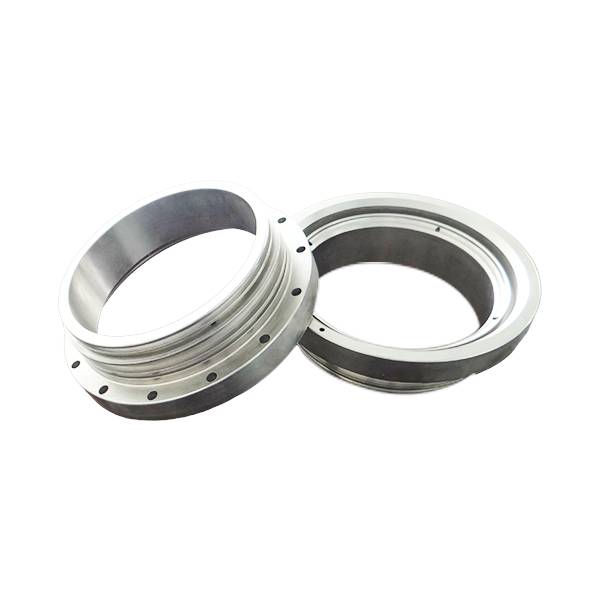
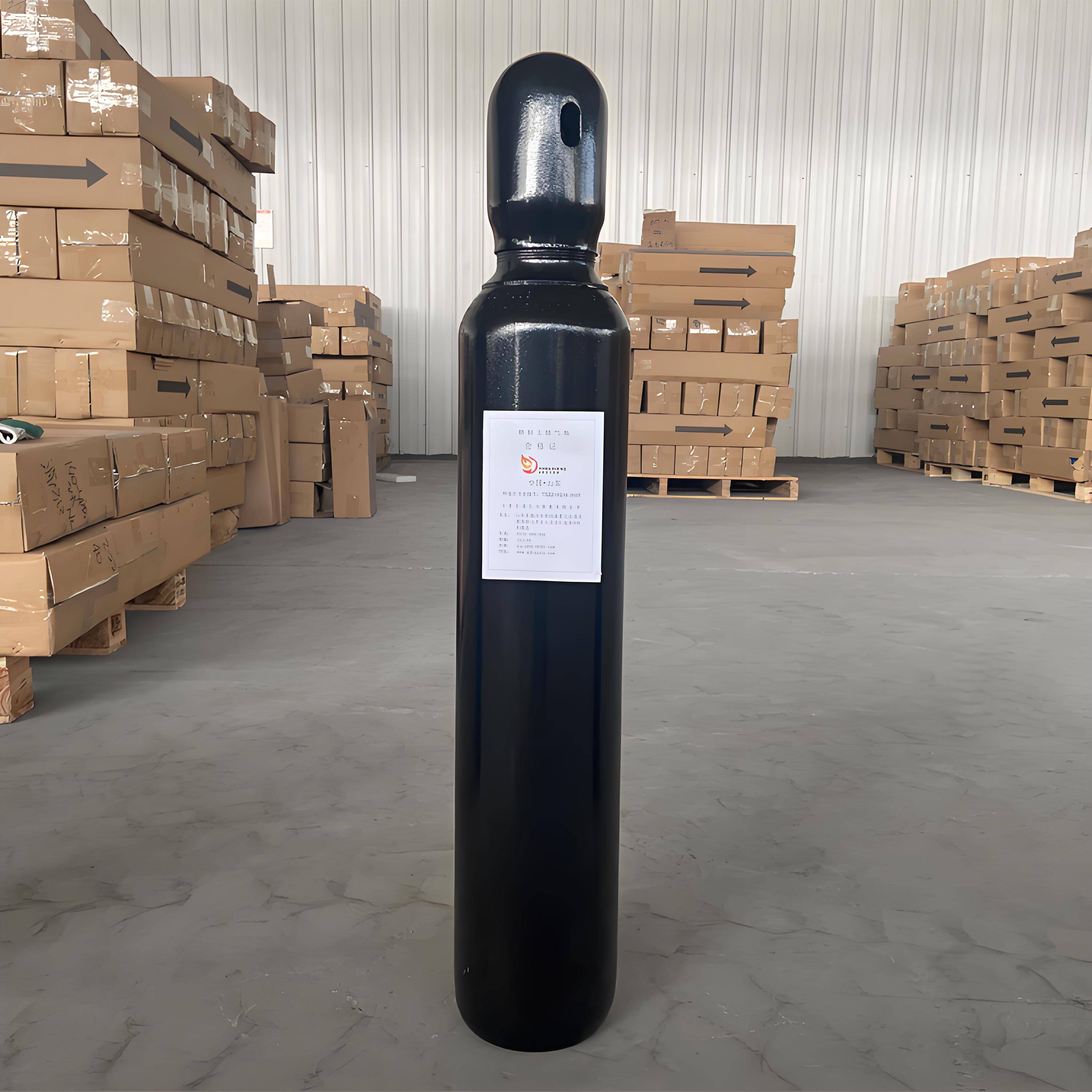
Nitrogen Export, Nitrogen Manufacturer, High-purity Nitrogen Supplier
Foshan Yuexin Industrial Gas Co., Ltd.
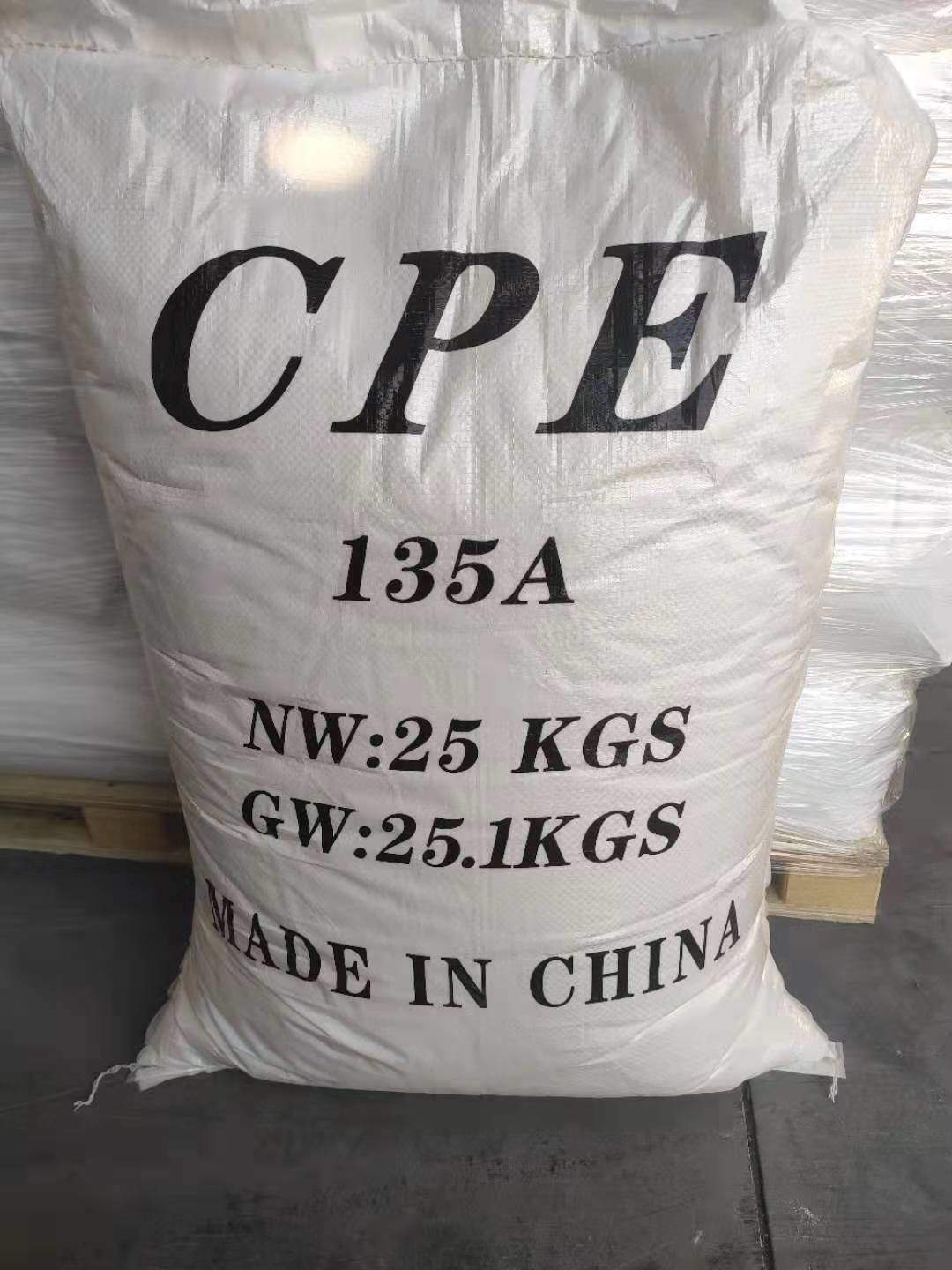
PVC Impact-Modified Chlorinated Polyethylene
Gansu Jinchuan Hengxin Polymer Technology Co., Ltd.