Four Microsoft Windows 11 Apps Can Be Replaced with Open-Source Alternatives
en.Wedoany.com Reported - Some have pointed out that Windows 11 users can replace Microsoft's pre-installed apps with a range of open-source software to reduce bundled service interference and gain more control. These alternatives cover common scenarios such as browsers, cloud synchronization, email clients, and video editing.
In terms of browsers, Microsoft Edge is based on the Chromium kernel and comes pre-installed in Windows, but its sidebar integrates Microsoft services and a Copilot chat button, and it displays interception prompts or paid ads when users visit the Chrome download page. In contrast, Mozilla's Firefox focuses on browsing itself, offering privacy controls, customization options, and thousands of extensions, with a cleaner interface.
For cloud storage synchronization needs, Microsoft OneDrive offers 5GB of free space by default and guides users to subscribe to Microsoft 365 for 1TB of capacity. Syncthing is an open-source synchronization tool that enables private, secure, and free file syncing between devices without relying on cloud storage.
Regarding email clients, Microsoft's new Outlook integrates email, calendar, contacts, tasks, and cloud services, but suffers from cluttered settings and ads appearing in the inbox. Mozilla's Thunderbird is used by some users, focusing on basic email functionality without additional commercial promotions.

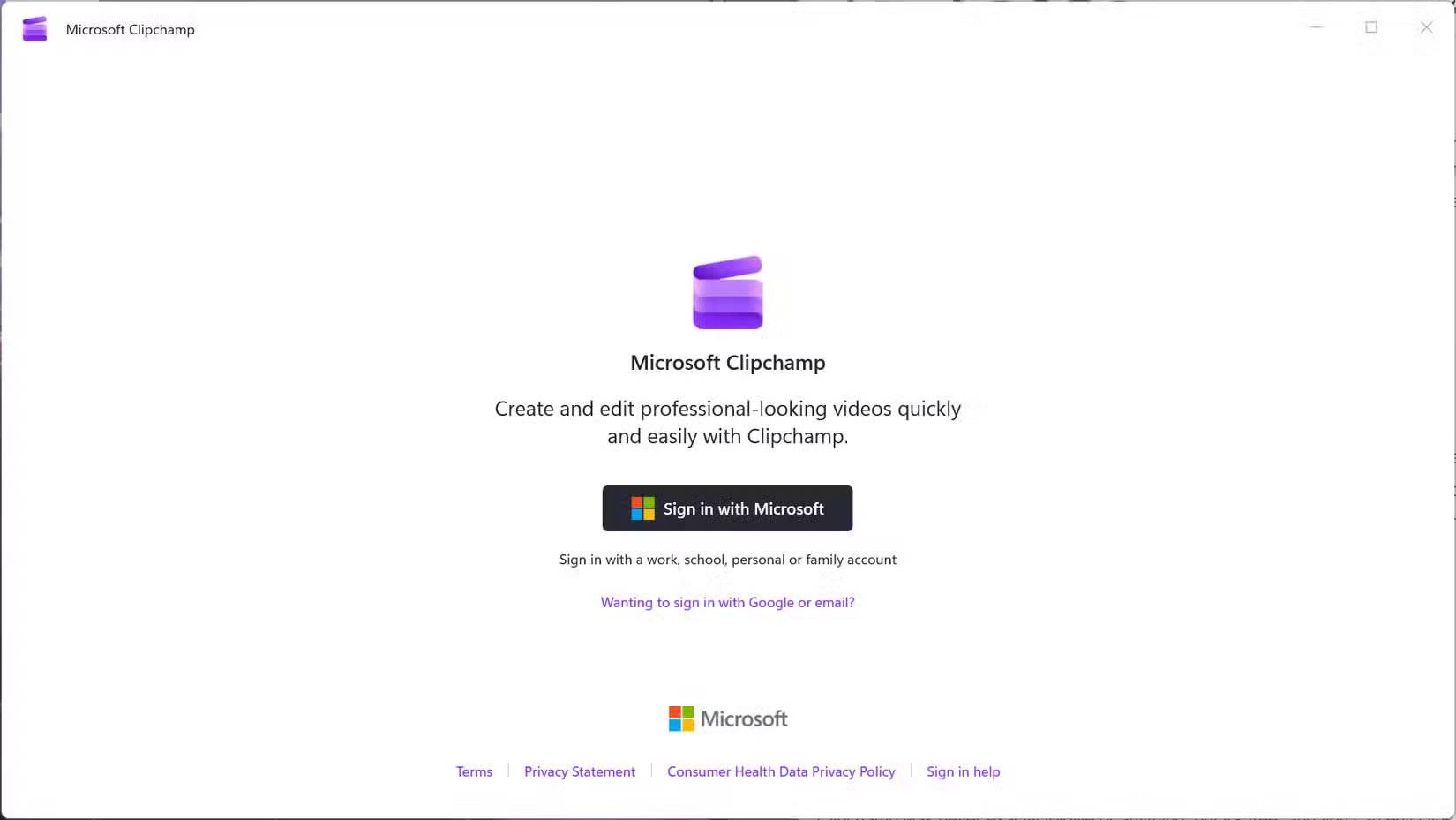
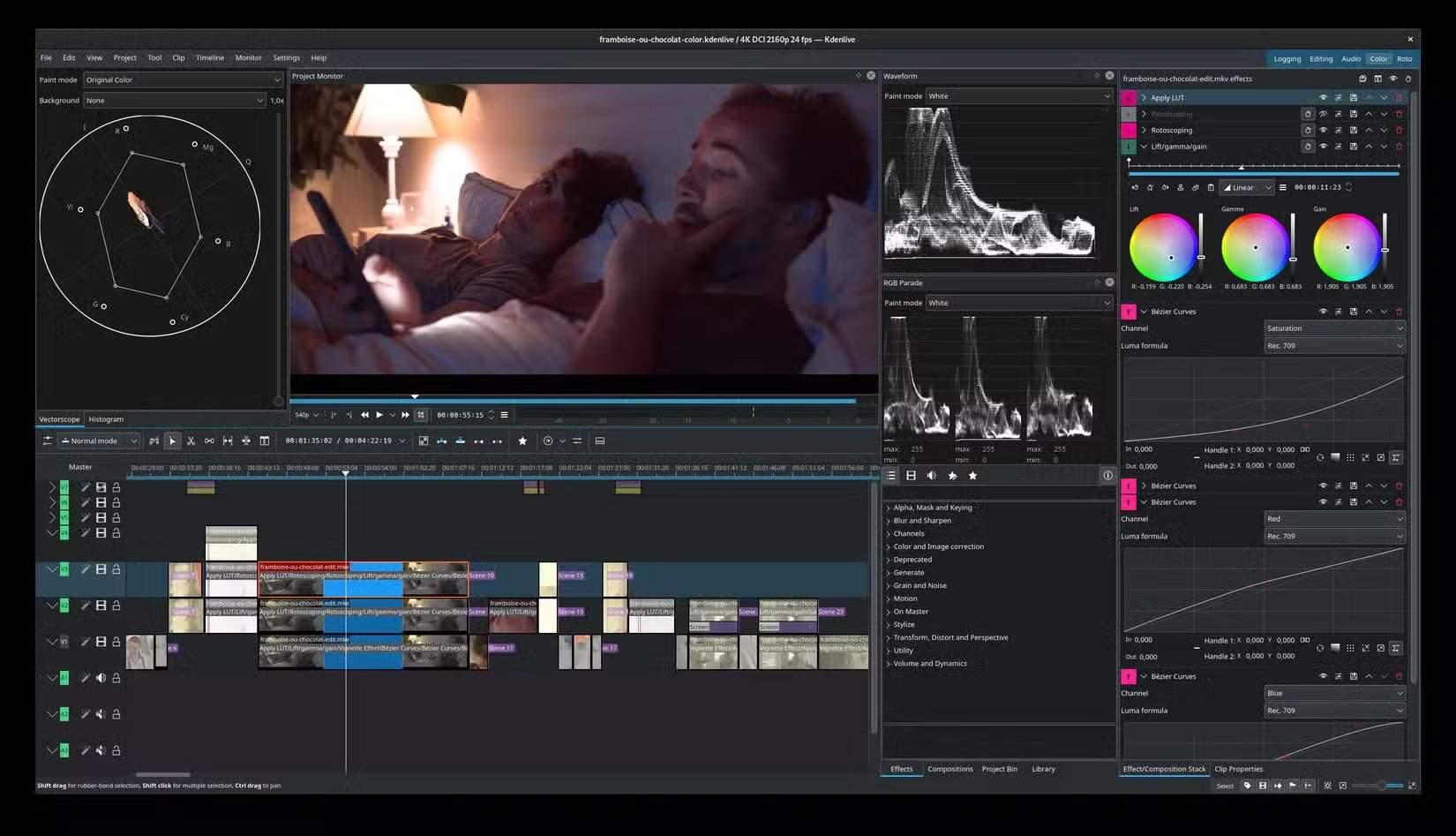
After Microsoft acquired the video editing app Clipchamp, the current version requires login to use, and its interface displays Microsoft 365 ads. Kdenlive is an open-source multi-track video editor with features comparable to or better than iMovie, supporting Linux and macOS. While it has a slightly steeper learning curve, its functionality is more complete.
Some users prefer a more thorough alternative: switching to the open-source operating system Linux, such as distributions like Zorin OS designed specifically for former Windows users. This approach can break free from Microsoft's pre-installed software ecosystem at the system level, but requires users to adapt to different operational logic.
This article is compiled by Wedoany. All AI citations must indicate the source as "Wedoany". If there is any infringement or other issues, please notify us promptly, and we will modify or delete it accordingly. Email: news@wedoany.com
Related Products


Industrial and Commercial Point-Type Gas Detector
Jinan Benan Technology Development Co., Ltd.

Mine Explosion-proof and Intrinsically Safe Industrial Ethernet Ring Network (10 Gigabit/Gigabit)
Chongqing Mas Sci&Tech Co., Ltd.
Conveyor Belt Intelligent Monitoring System
LUO YANG WIRE ROPE INSPECTION TECHNOLOGY CO., LTD.

TWP16 P-Band Tropospheric Wind Profile Radar
China Huayun Meteorological Technology Group Co., Ltd.



Comprehensive Mining Automation Control System
Beijing Tianma Intelligent Control Technology Co., Ltd.