Japan's chip-making equipment sales to China see first decline of about 10%
en.Wedoany.com Reported - Five major Japanese chip-making equipment manufacturers saw their combined sales to China decline by about 10% year-on-year in the fiscal year ending March 31, marking the first recorded drop in this metric. This shift is a result of China's ongoing push to localize its semiconductor equipment supply chain.
China has long been one of the largest export markets for Japanese chip equipment, but the export landscape has undergone a significant transformation amid escalating U.S.-China technology competition and the deepening of China's import substitution policies.
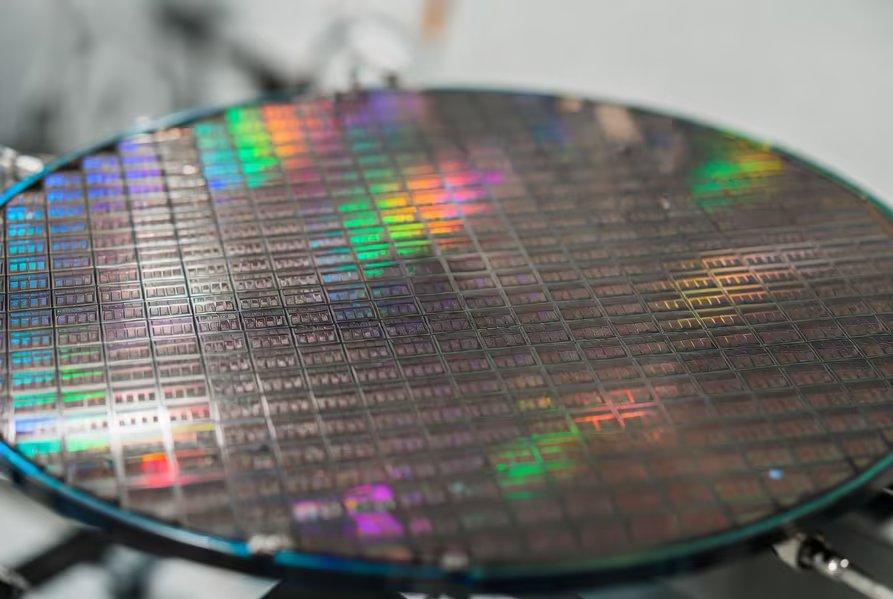
Companies such as Tokyo Electron, Screen Holdings, and Disco saw the most pronounced declines in exports to China. Among them, Tokyo Electron's revenue from the Chinese market fell from 279.4 billion yen to 175.5 billion yen, with the share of its China revenue in total company revenue also decreasing. Meanwhile, orders from South Korea and Taiwan, China—regions actively investing in advanced process chips and artificial intelligence infrastructure—partially offset the losses in China.
The export restrictions stem from measures Japan implemented starting in 2023 in coordination with the United States and the Netherlands. These measures cover a range of chip-making equipment and require suppliers to apply for export licenses. Although not explicitly targeting China, the Chinese market has been the most sensitive to these changes.
Faced with external restrictions, China's domestic semiconductor equipment companies are accelerating independent research and development to reduce reliance on imported equipment, thereby intensifying competitive pressure on foreign suppliers.
This article is compiled by Wedoany. All AI citations must indicate the source as "Wedoany". If there is any infringement or other issues, please notify us promptly, and we will modify or delete it accordingly. Email: news@wedoany.com
Related Products



Industrial and Commercial Point-Type Gas Detector
Jinan Benan Technology Development Co., Ltd.
Automatic Aiming Laser Remote Obstacle Removal Robot
Pinggao Group Weihai High-Voltage Apparatus Co., Ltd.
One-Stop Steward Service for the Entire Logistics System Integration Chain
Zhongding Intelligent (Wuxi) Technology Co., Ltd.
Flat Portable Satellite Terminal 0.35m Aperture Manual Portable Terminal
China Starwin Science & Technology Co., Ltd.
Mine Explosion-proof and Intrinsically Safe Industrial Ethernet Ring Network (10 Gigabit/Gigabit)
Chongqing Mas Sci&Tech Co., Ltd.


Comprehensive Mining Automation Control System
Beijing Tianma Intelligent Control Technology Co., Ltd.