South Australia's Electricity Price Hits Ceiling Twice, Battery Storage Revenue Reaches AUD 324,000
en.Wedoany.com Reported - The SA1 trading region in South Australia hit the National Electricity Market (NEM) price cap twice on the evening of June 21, reaching AUD 20,300 per megawatt-hour. According to the battery storage analytics platform NEMPulse, the total estimated revenue generated by the region's storage fleet during this price event was AUD 324,000.
Based on NEMPulse's market event breakdown, this extreme price window began at 19:35 Australian Eastern Standard Time, lasting 2 hours and 35 minutes. The regional reference price peaked at AUD 20,300 per megawatt-hour, with an average price of AUD 3,900 per megawatt-hour during the event.
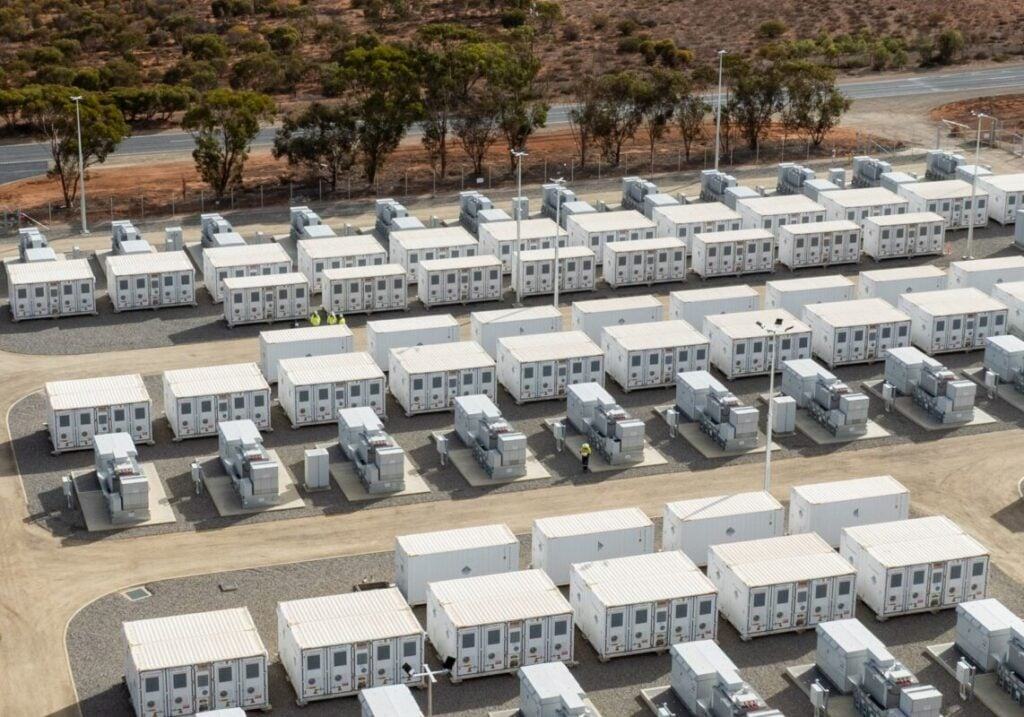
Among the 15 grid-scale batteries tracked in the SA1 region, a total of four battery energy storage systems were dispatched into the market, while two others were in a charging state, and the remaining storage systems were either idle or offline.
Franz David Schaefer, Senior Analysis Specialist at EnergyAustralia, flagged this event on LinkedIn, noting that NEMPulse subscribers received an alert at 19:35, and the platform's market event page included a full breakdown of battery response data and estimated revenue. NEMPulse is an independent open data dashboard for tracking the dispatch, revenue, and bidding behavior of every grid-scale battery energy storage system in the NEM.
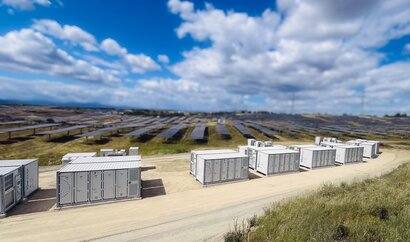
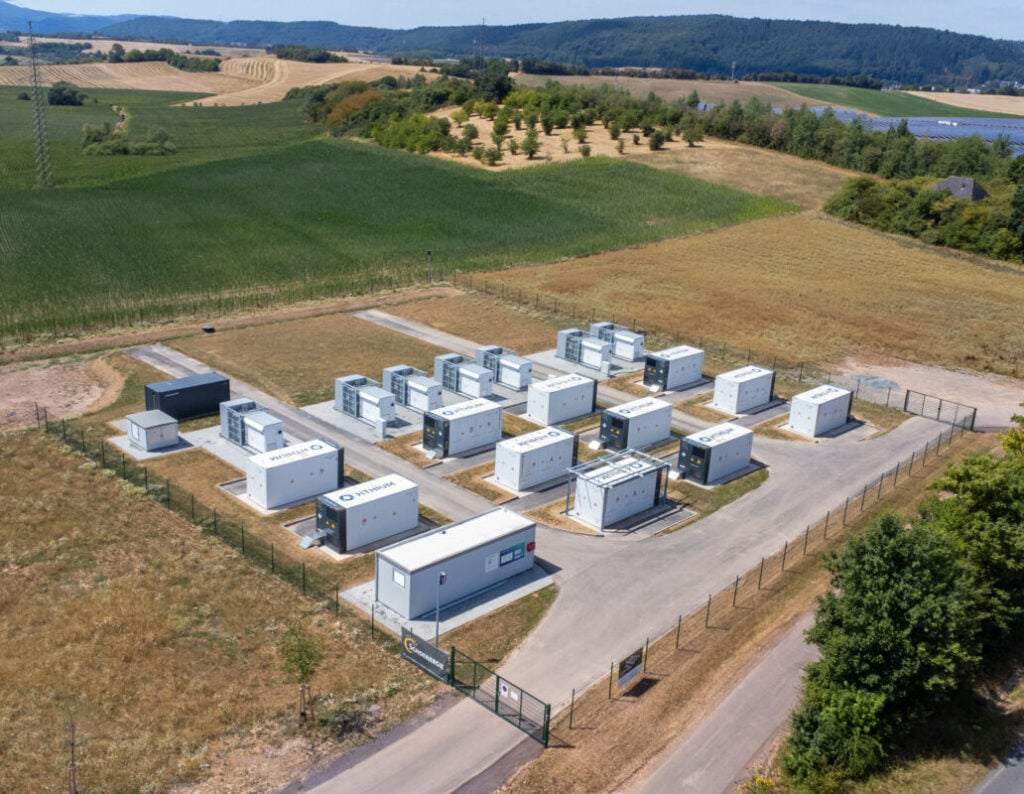
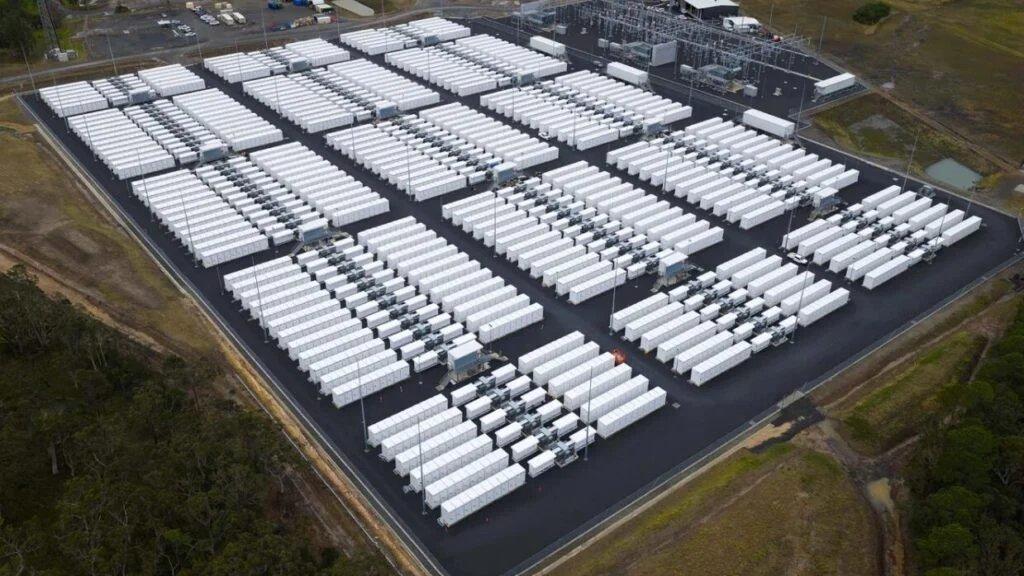
Epic Energy's 100 MW/200 MWh Mannum Battery Energy Storage System (BESS) performed most prominently during this event, with its state of charge discharging from 21.4% to 3.2%, an average output power of 15 MW, generating an estimated revenue of AUD 151,740. This storage system is optimized by UK-based route-to-market (RTM) specialist Habitat Energy through its software platform Evolve, while the battery itself is supplied by e-STORAGE, a subsidiary of Canadian Solar, using its proprietary lithium iron phosphate (LFP) SolBank technology.
AGL's 250 MW/205 MWh Torrens Island BESS followed Mannum with revenue of AUD 107,230, with its state of charge discharging from 16.1% to 1.4%, while simultaneously committing 107.8 MW for Frequency Control Ancillary Services (FCAS), the largest FCAS capacity commitment among all battery energy storage systems during this event. This storage system is optimized using Wärtsilä's digital GEMS power plant controller and energy management platform.
Neoen's 150 MW/193.5 MWh Hornsdale Power Reserve, one of the world's first utility-scale battery energy storage systems, contributed AUD 70,810, with its state of charge discharging from 24.6% to 12.4%; the Dalrymple North BESS contributed AUD 16,180. Meanwhile, second-tier battery energy storage systems, despite having available capacity, remained largely idle throughout the event.
The Tailem Bend 2 hybrid renewable energy station, Happy Valley water treatment plant, Bungama BESS, Adelaide Desalination Plant, Christies Beach wastewater treatment plant, Blyth BESS, and Bolivar wastewater treatment plant were all classified as idle, with each facility generating revenue ranging from AUD 1,010 to AUD 10,120, but their available capacity was unevenly distributed, from less than 1 MW to over 40 MW at Bungama. The Lincoln Gap Wind Farm battery and Clements Gap BESS were both offline throughout the event, with no dispatch or revenue contribution.
Notably, at the time the electricity price hit the ceiling, two utility-scale battery energy storage systems were charging rather than discharging. NEMPulse data shows that Iberdrola Australia's 25 MW/52 MWh Lake Bonney BESS1 charged from a 13.5% state of charge to 16.1%, with an average charging power of 1.4 MW, recording an estimated revenue loss of AUD 14,160. This storage system uses Tesla's AutoBidder software. Meanwhile, ZEBRE's 111 MW/330 MWh Templers BESS charged more aggressively, from a 4.5% state of charge to 6.1%, with an average charging power of 3.5 MW, resulting in an estimated loss of AUD 35,410. It utilizes technology from Chinese manufacturer Sungrow.
The total negative revenue impact from the two charging BESS during this event was approximately AUD 49,570, a cost that offset the AUD 324,720 in revenue generated by the four discharging BESS. The decision to charge during a price cap event is not necessarily a dispatch error. Battery energy storage systems may be configured to maintain a minimum state of charge to fulfill contractual FCAS obligations, or they may need to comply with existing bidding plans submitted before the price spike was forecast, or they may be preparing for discharge opportunities later that evening. The Lake Bonney BESS1 and Templers BESS had relatively low states of charge at the start of the event, at 13.5% and 4.5% respectively, a situation that may have limited their ability to discharge into the market, regardless of price.
South Australia has established a record as the region most prone to extreme electricity price events in the NEM, a pattern closely linked to its high renewable energy penetration and the relatively thin generation buffer when wind and solar output decline. The state's battery storage fleet once entered a 4-hour period with prices exceeding AUD 1,000 per megawatt-hour during the Australia Day heatwave, with states of charge around 90%, and dispatched energy between 18:00 and 21:00, but by shortly after 20:00 that evening, most of the fleet's available energy was depleted, allowing thermal generation to push prices higher for another hour and a half.
South Australia is not the only region where market price cap events have tested battery storage. Electricity prices in New South Wales also hit the AUD 20,300 per megawatt-hour cap on October 10, 2025, and battery storage assets captured a portion of the resulting volatility through coordinated discharge. In an interview with ESN Premium, Sahand Karimi, co-founder and CEO of RTM optimization company OptiGrid, emphasized that during this price spike in New South Wales, NEM-specific optimizers captured more revenue than general-purpose optimization tools.
This article is compiled by Wedoany. All AI citations must indicate the source as "Wedoany". If there is any infringement or other issues, please notify us promptly, and we will modify or delete it accordingly. Email: news@wedoany.com
Related Products

Forest and Grassland Heat Source Infrared Monitor
China Huayun Meteorological Technology Group Co., Ltd.

Off-Grid Fuel Cell Supercharging Station (180kW Configuration)
Shanghai REFIRE Group Limited
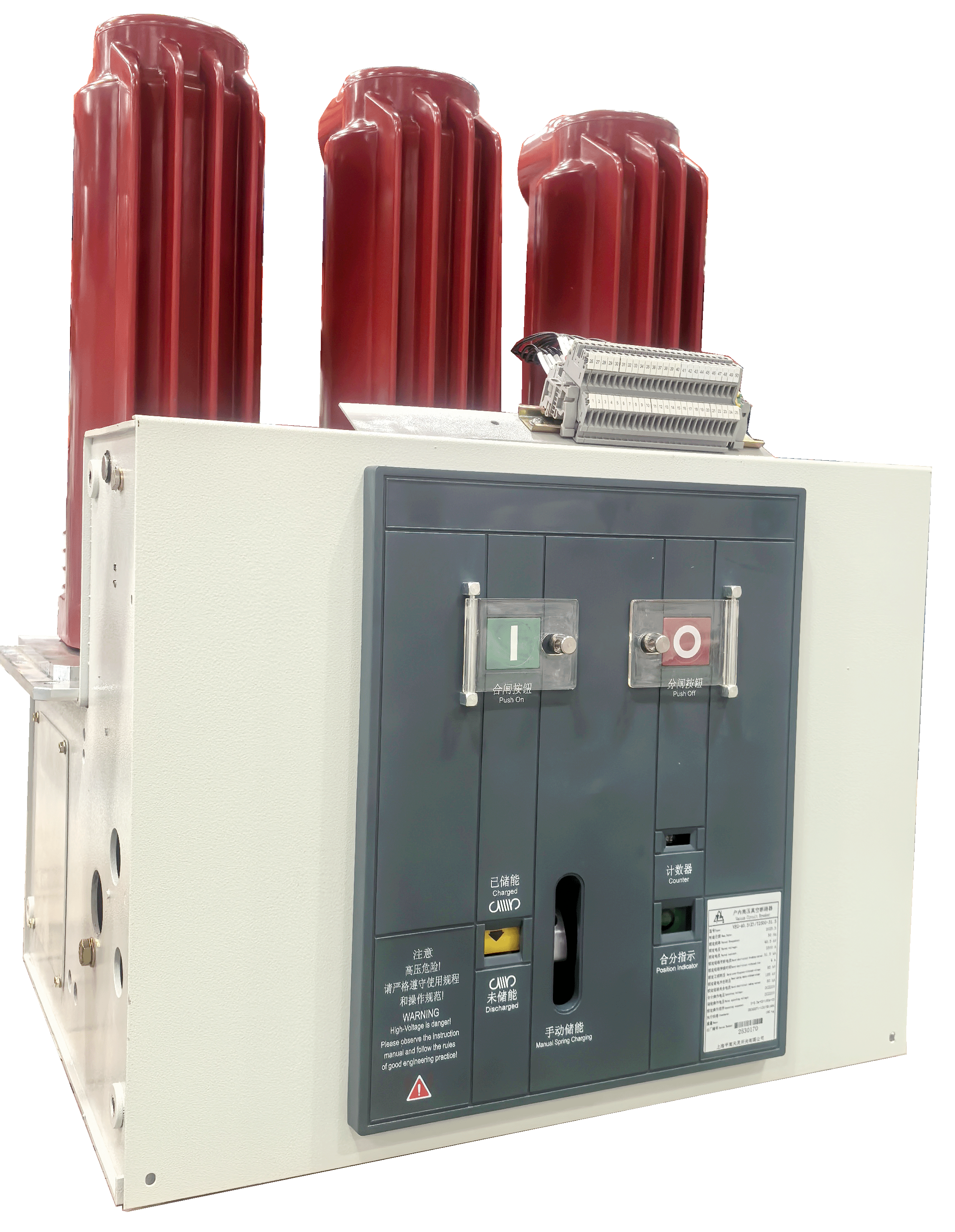
VEG-12/24/40.5 Series Vacuum Circuit Breaker
SHANGHAI PINGGAO TIANLING SWITCHGEAR CO., LTD.
0.66kV Power Supply Instrument Transformer
Guangdong Sihui Instrument Transformer Works Co., Ltd.
Electromagnetic Fluid Seawater Floating Oil Separation and Recover Equipment
Huate Magnet Group Co., Ltd.
Perfluorinated Ionic Membrane-CM-10N Series Membrane
Guizhou Juneng Century Technology Co., Ltd
Standard Nozzle Flowmeter
Jinggong Automatic Control Instrument Complete Technology Development Company