en.Wedoany.com Reported - NASA has partnered with space company Relativity Space to build and launch a new probe named "Aeolus" to continue studying the Martian atmosphere. The probe is expected to depart Earth in late 2028 aboard Relativity Space's Terran R rocket.

The previous MAVEN probe, launched in 2013, spent over a decade observing the Martian atmosphere to understand how Mars lost most of its air and liquid water. However, in December 2025, NASA lost contact with the spacecraft after an anomalous rotation drained its batteries, making communication impossible. NASA announced the end of this 11-year mission on December 3 of that month. Just two weeks later, on June 17, NASA announced a partnership with Relativity Space to build the Aeolus probe.
The Aeolus probe will carry four NASA-designed instruments capable of measuring and imaging Mars from orbit, providing "the first daily, global views of Martian atmospheric dust, wind, and temperature" with observation frequency exceeding that of MAVEN. These instruments can detect wind and temperature within 60 kilometers of altitude, observe dust clouds and water ice clouds, measure surface energy budgets, and capture daily global images of atmospheric activity. NASA stated that this data will be directly used to prepare for future robotic or crewed landings.
"By combining NASA's cutting-edge instruments with private sector innovation and investment, we can generate more scientific data more frequently and shorten the time researchers need to access this critical data, preparing for future crewed Mars missions," said NASA Administrator Jared Isaacman.
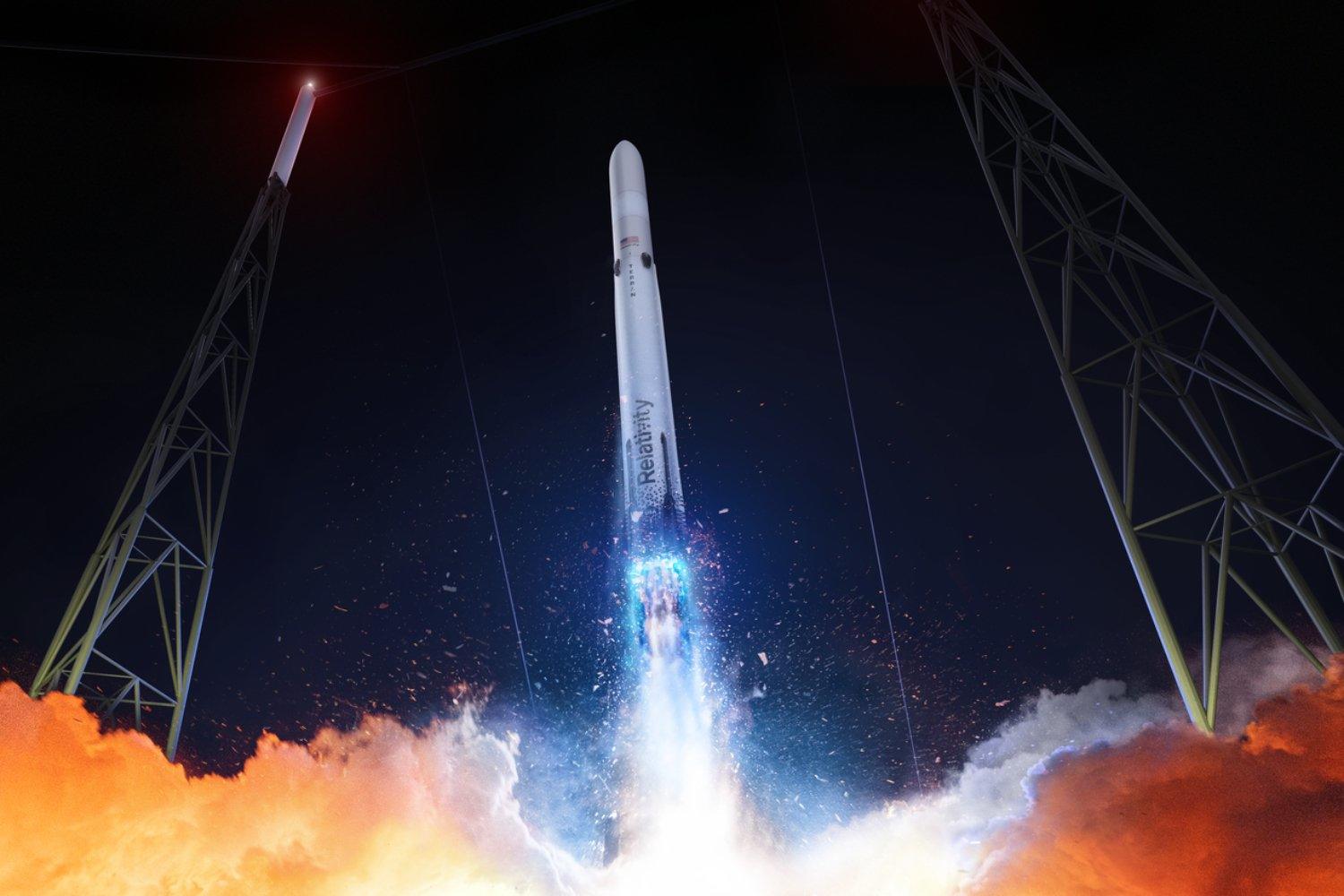
Choosing Relativity Space was no accident, but it remains a gamble. Founded in 2015 by two former SpaceX and Blue Origin engineers, the company is known for its full commitment to 3D printing: engines, fuel tanks, ducts, and other rocket components are produced by a giant metal printer called "Stargate." Its first rocket, Terran 1, launched in March 2023 but failed to ignite its upper stage. Days later, Relativity abandoned the program entirely to focus on the larger Terran R rocket. 3D printing is no longer the core of the project, but some components, especially engines, still use this technology. The new rocket has also scaled back its ambitions: the second stage is no longer reusable, and components like fuel tanks and fairings are now sourced from European suppliers such as ArianeGroup and Beyond Gravity. Since 2025, the company has been led by former Google CEO Eric Schmidt, who personally invested in the company and has an interest in orbital data centers. If Terran R launches on time, Relativity Space could beat SpaceX to a Mars mission—Elon Musk's obsession, as he dreams of establishing a colony there.
This article is compiled by Wedoany. All AI citations must indicate the source as "Wedoany". If there is any infringement or other issues, please notify us promptly, and we will modify or delete it accordingly. Email: news@wedoany.com