Toronto Pearson Airport Launches $3 Billion Upgrade, Annual Passenger Capacity to Reach 65 Million
en.Wedoany.com Reported - Toronto Pearson International Airport has officially launched a decade-long, multi-billion-dollar modernization project, one of the largest airport infrastructure initiatives in Canadian history, aimed at upgrading facilities, increasing capacity, and meeting future air travel demand.
The first phase, named the "Long-term Investment in Facilities and Terminals," has a total investment of $3 billion, focusing on renewing aging infrastructure, introducing advanced technologies, and creating greater capacity for passengers, airlines, and cargo operations. This spring, the first construction package commenced, with initial work focusing on airfield renovations and baggage system upgrades, laying the foundation for a more efficient, sustainable, and digitally capable airport to accommodate future growth.
Deborah Flint, President and CEO of Toronto Pearson Airport, stated that this project is significant, resulting from three years of planning, analysis, competitive procurement, and collaboration with industry partners and airlines. One of the most notable parts of the upgrade is the installation of a new airport lighting control and management system, a technology that enhances visibility and aircraft guidance while building an intelligent network capable of monitoring and responding to aircraft movements on runways and taxiways.
The project also includes substantial sustainability investments. As part of Pearson's long-term strategy to reduce emissions and adopt green operations, it will expand electric vehicle charging infrastructure, adopt cleaner heating systems, and upgrade energy networks. The baggage handling system, being one of the airport's most complex operational systems, will receive significant investment, with approximately 30 kilometers of baggage infrastructure being upgraded, including the installation of new baggage conveyor belts in Terminal 1.
New cameras and sensors will enable real-time monitoring and early detection of potential issues, helping operators identify and clear baggage jams before they affect passenger service. The most visible changes will be on the airfield, where Pearson plans to renew and expand its 2.2 million square meters of airfield area, roughly equivalent to over 1,000 NHL-standard ice rinks. The work includes constructing new aircraft parking stands and a high-speed taxiway to improve the efficiency of aircraft movement between gates and runways.
Airport officials estimate that these improvements alone could support up to 28,000 additional passengers daily, while reducing delays and enhancing overall operational efficiency. The current construction builds on planning that began several years ago. In 2024, the Greater Toronto Airports Authority initiated procurement discussions with hundreds of design, construction, and technology firms to develop the long-term vision and delivery strategy for the project.
A key feature of the project is the use of a progressive design-build model, where designers, contractors, and airport officials collaborate during the planning and design phases to better define the project scope, costs, and risks before major construction begins. While the first phase primarily focuses on airfield and baggage system improvements, this is just the start of a broader transformation. More investment and project details are expected to be announced in the coming months, including plans to revitalize and expand terminal facilities to meet long-term passenger demand.
According to an independent economic analysis conducted by Oxford Economics, these improvements will increase the airport's annual passenger throughput to 65 million, create approximately 16,000 new jobs within the airport site, and support over 160,000 jobs across Canada. The project is also expected to contribute approximately $30 billion to the economy and generate over $10 billion in annual spending for Canadian suppliers.
Airport officials believe that maintaining Pearson's status as a major international hub is crucial not only for travelers but also for Canada's overall economy. Nearly half of Canada's air cargo is transported through Pearson, and the surrounding airport employment zone supports hundreds of thousands of jobs and billions of dollars in economic activity. These investments will help ensure that airlines continue to expand their services in Toronto, rather than shifting routes and aircraft to other competitive hubs in North America.
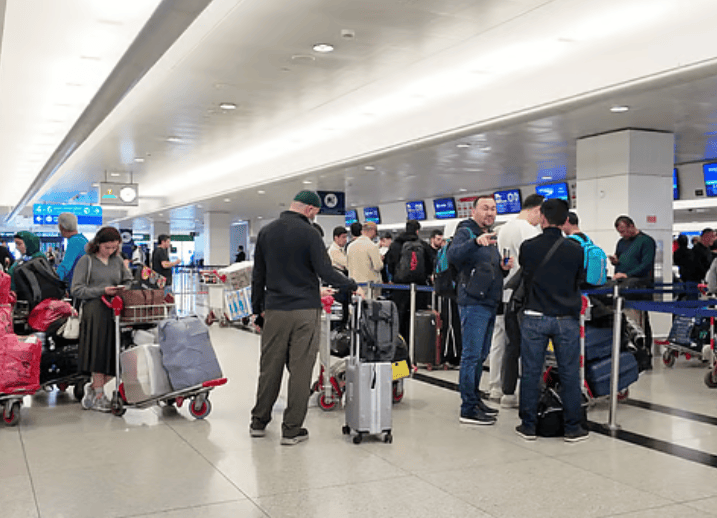
The project launches as Canada's busiest airport faces pressure from rising passenger numbers and aging infrastructure. Pearson served approximately 45 million passengers in 2023 and is currently nearing 50 million annual passengers. Airport forecasts suggest this number could climb to 65 million annually by the early 2030s. Existing airport facilities are nearing capacity, with increasing wide-body aircraft traffic and limited gate capacity, leading to some passengers being bused to aircraft because available gates are full.
Flint wrote in a recent commentary article outlining the necessity of the investment: "Our two main terminals, 20 and 30 years old respectively, are showing their age." She noted that while security screening has improved, many spaces remain congested, and the baggage system requires constant maintenance to keep running. International transfers can also be cumbersome, as passengers often need to retrieve and recheck their luggage between flights.
This article is compiled by Wedoany. All AI citations must indicate the source as "Wedoany". If there is any infringement or other issues, please notify us promptly, and we will modify or delete it accordingly. Email: news@wedoany.com
Related Products



CLW5180TXSD6 Dongfeng Tianjin Washing and Sweeping Truck
ChengLi Special Automobile Co., Ltd.
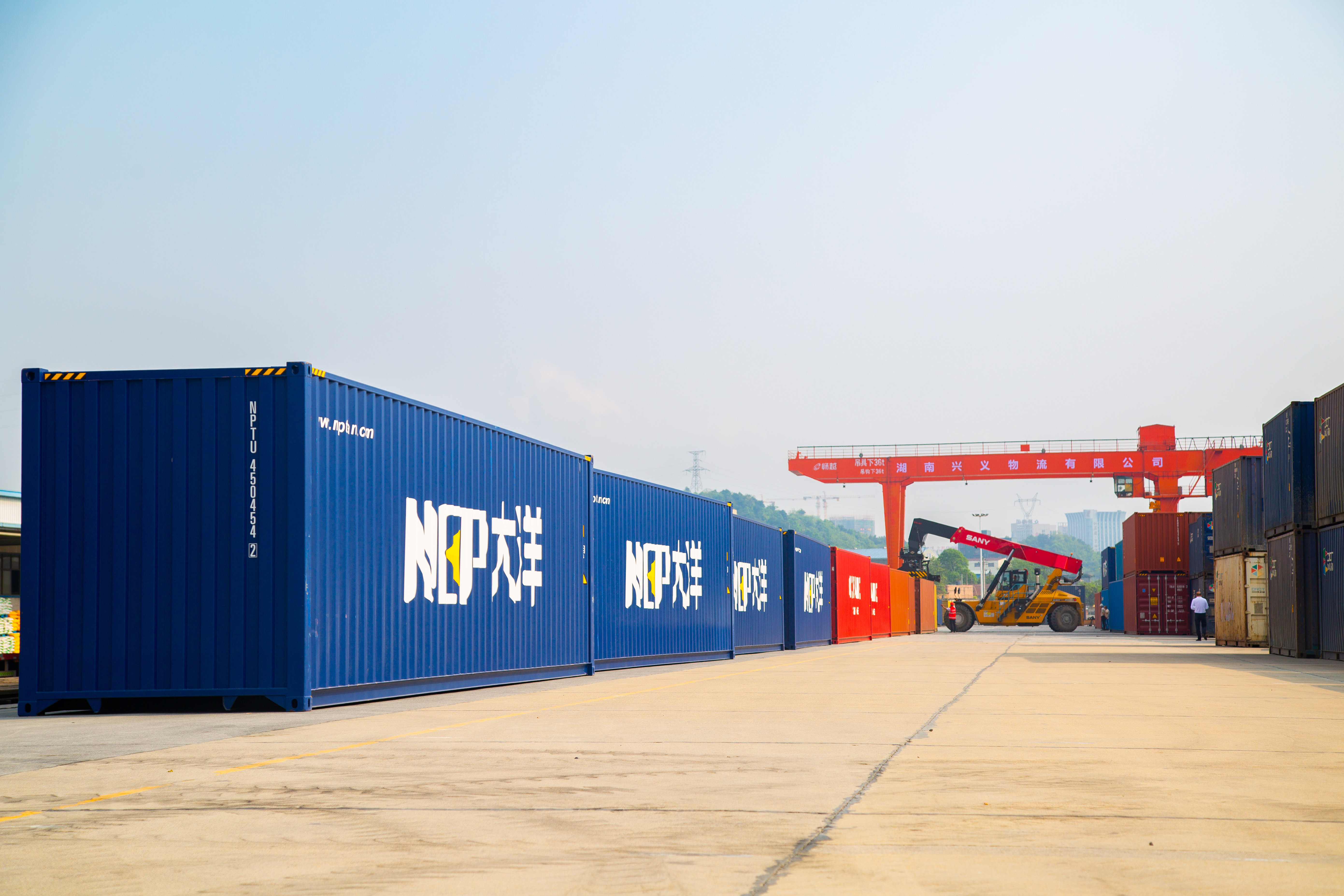
China - Alashankou/Khorgos - Europe Full Range Transportation (Mala/Hamburg/Duisburg/Budapest, etc.)
Shenzhen Neptune Logistics Co., Ltd.
Wheel and Track Technology Business
Beijing Research & Design Institute of Rubber Industry Co., Ltd.
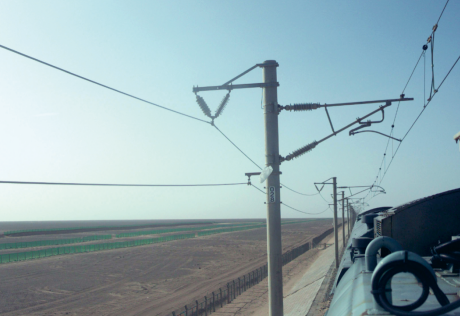
Pantograph-Catenary Comprehensive Detection Device (1C)
CHENGDU TANGYUAN ELECTRIC CO., LTD.
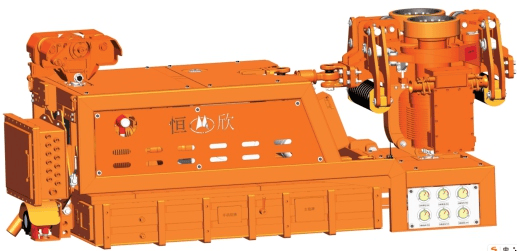
Explosion-proof lithium battery dispatching monorail crane locomotive (permanent magnet frequency conversion integrated machine)
Xiangtan Hengxin Industrial Co., Ltd.