Dutch LocalDutch Receives $40,000 Grant, Plans to Launch U.S. Dry Hydroponics Project
en.Wedoany.com Reported - Dutch horticulture company LocalDutch is merging greenhouses with retail stores to create a new food retail model. Based on the Dry Hydroponics growing system, this model integrates growers, distributors, warehouses, and retailers into a single, locally visible cycle, with plans to expand globally through franchising.
Industry publication The Packer reported in March 2026 that the company will launch its U.S. operations in Pennsylvania in 2026, targeting low-access communities with high demand for fresh food and strong municipal support. According to Good News Network, LocalDutch received a $40,000 grant from the Pennsylvania Agricultural Innovation Program in February 2025. Additionally, a 2022 funding proposal from Monroe County, New York, shows that a project to build a Dry Hydroponics system in partnership with LocalDutch has a total cost of $2.5 million, with a $1 million federal grant prioritized by Senator Charles Schumer. Political support is also advancing: from April 13 to 15, 2026, King Willem-Alexander and Queen Máxima of the Netherlands made a working visit to Pennsylvania, with agriculture and horticulture included on the economic agenda discussed with Governor Josh Shapiro.
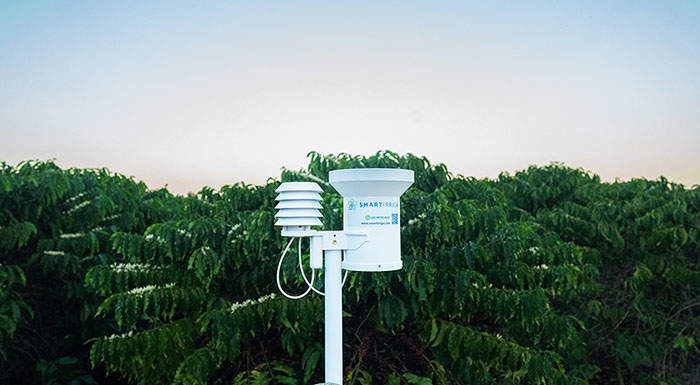
Headquartered in The Hague, the company's technological innovation lies in a proprietary climate control system called "Climate Autopilot." This system integrates external weather data, internal sensors, and growing programs, aiming to significantly reduce reliance on scarce specialized growers, thereby enabling replicable operations at the community scale. Co-founder Arne Spliet stated that the industry's shortage of greenhouse climate experts prompted the company to develop this automated system.
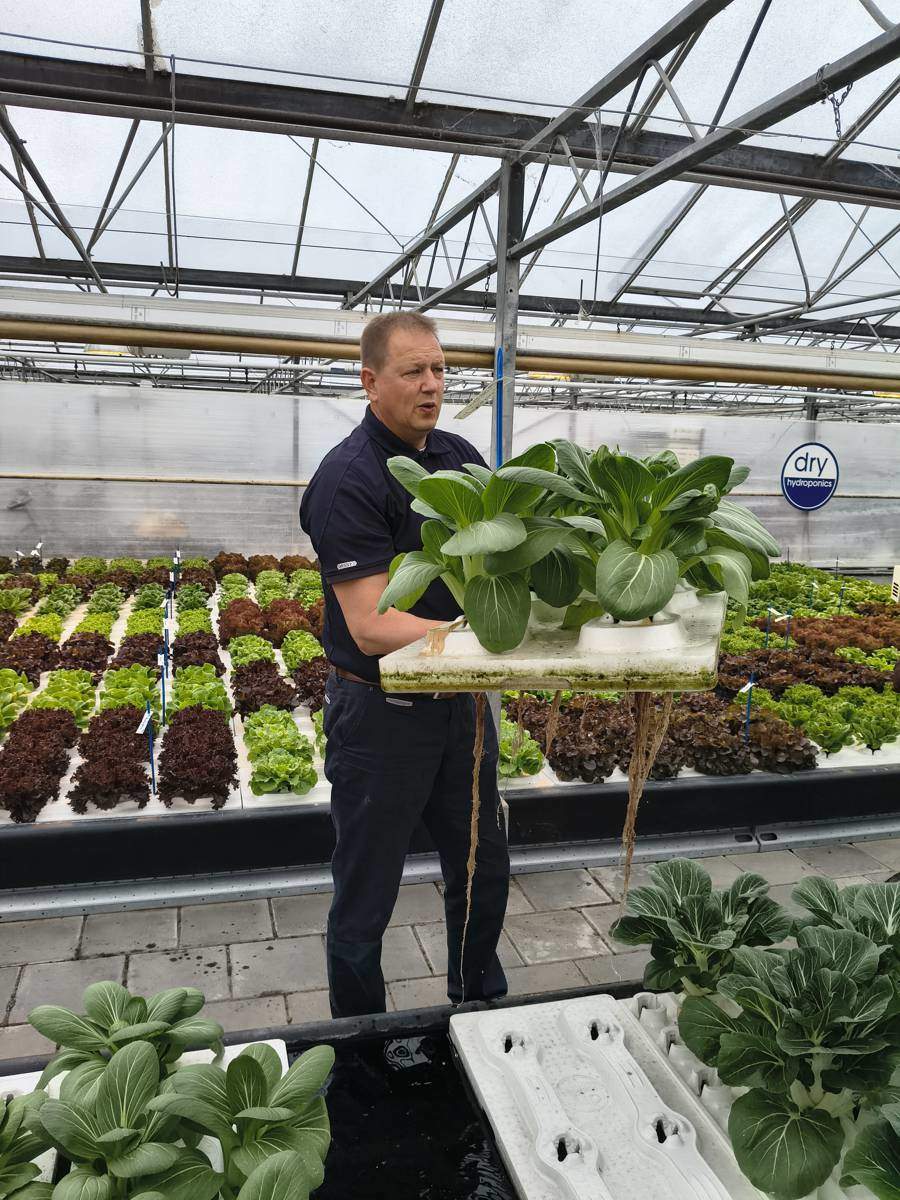
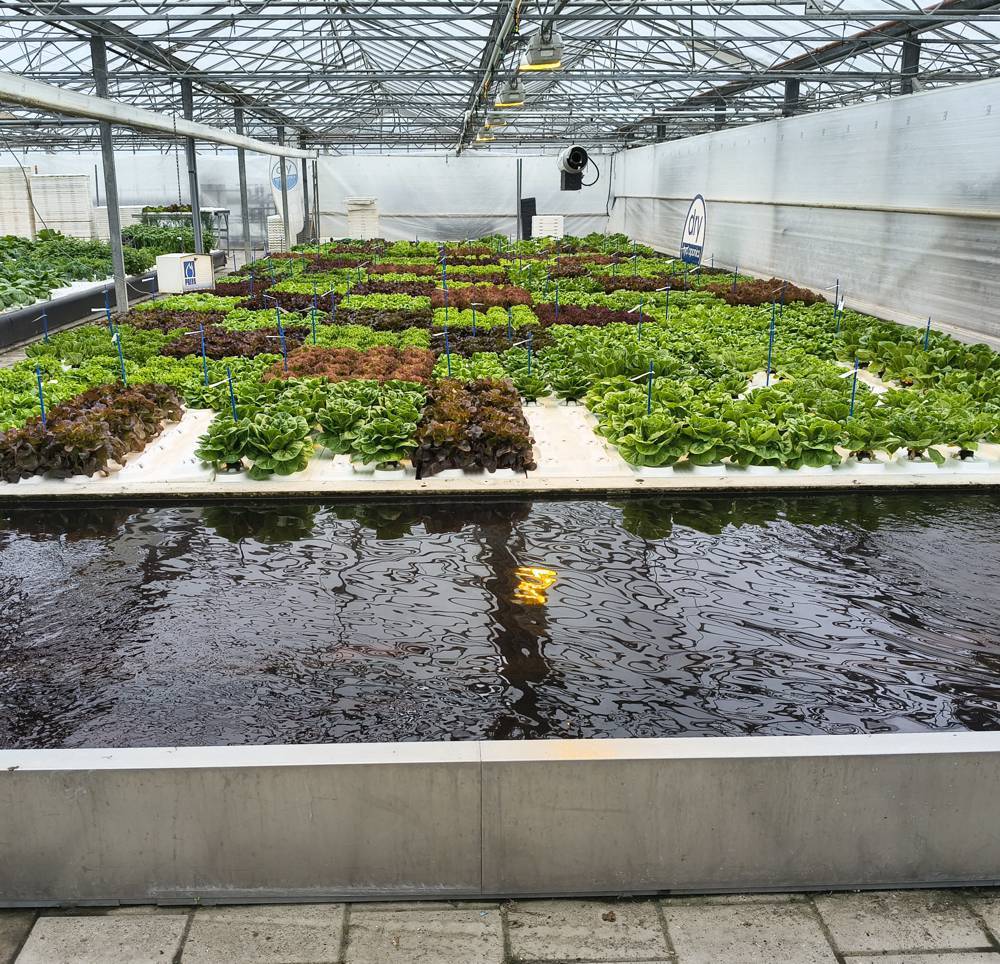
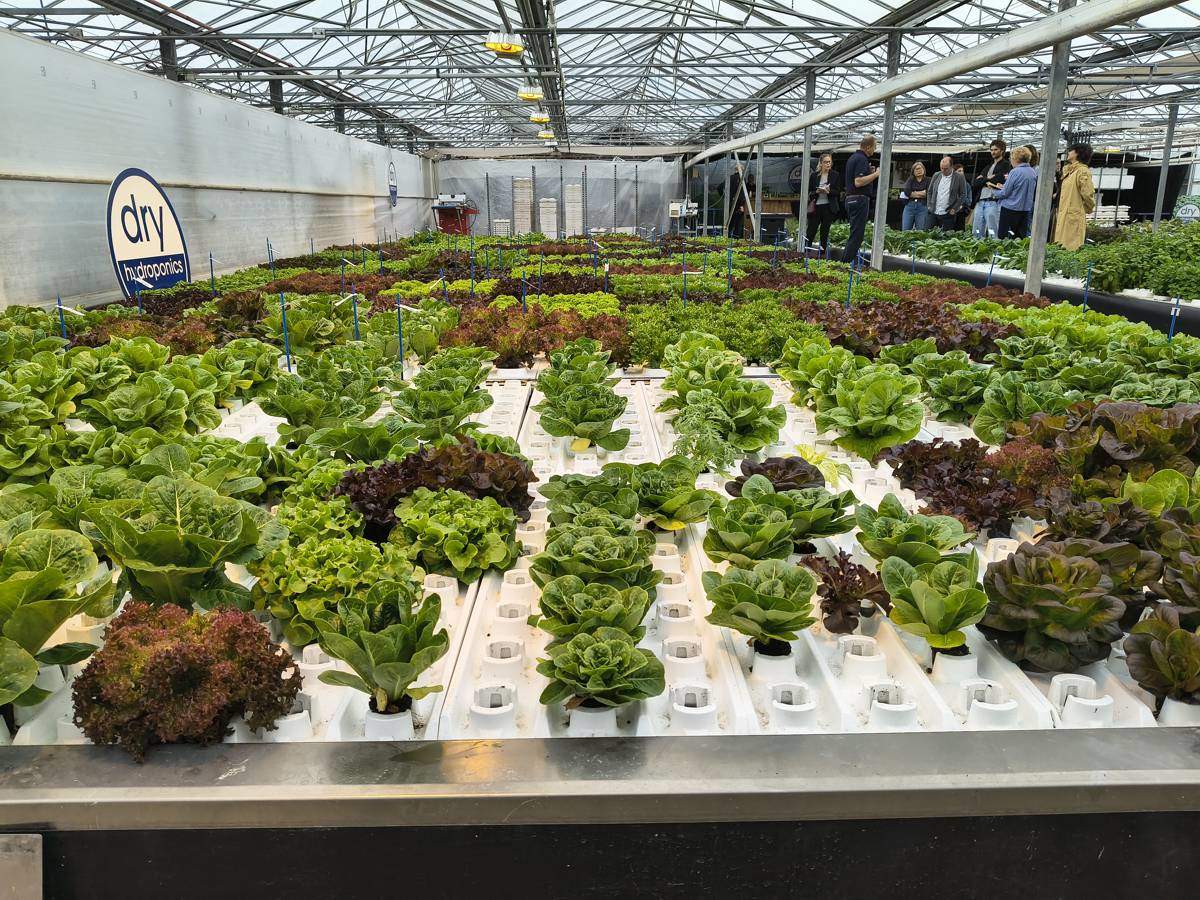
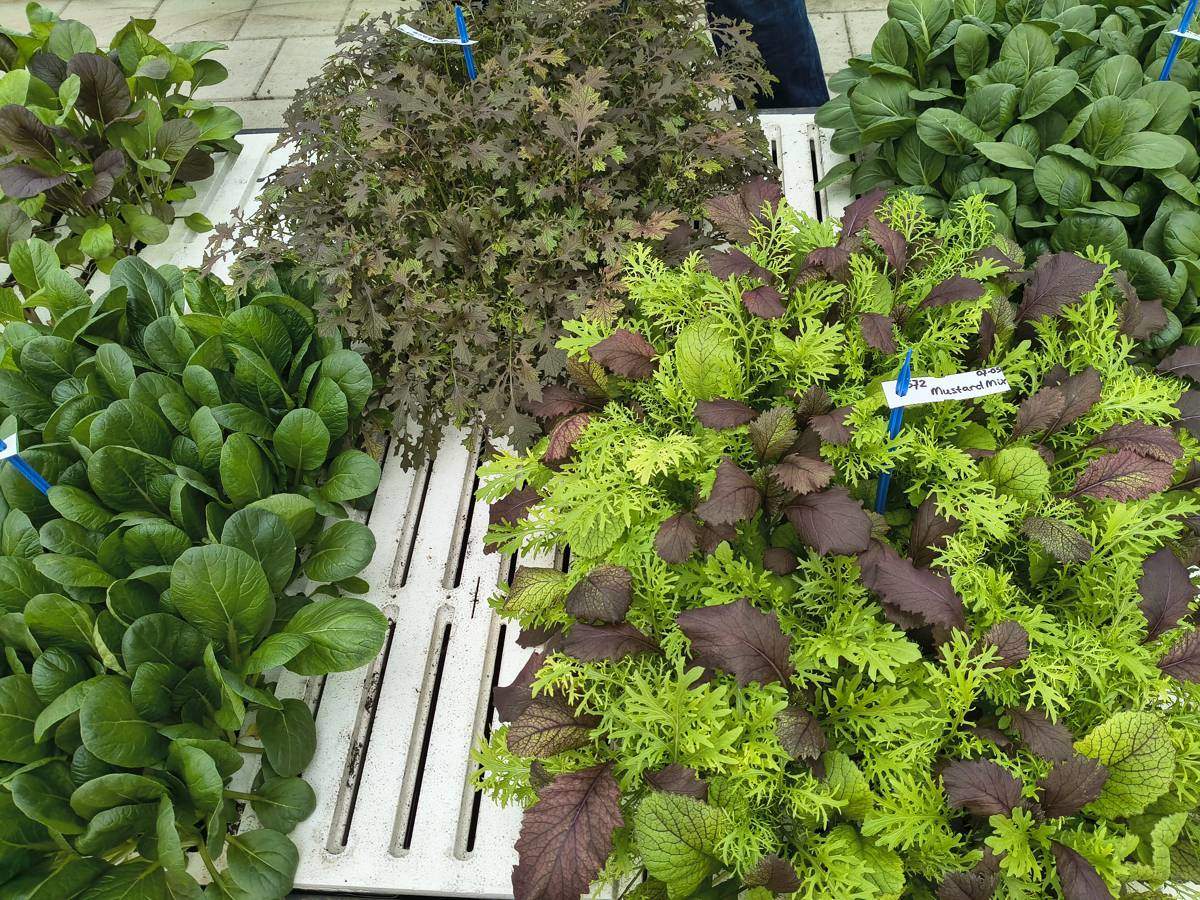
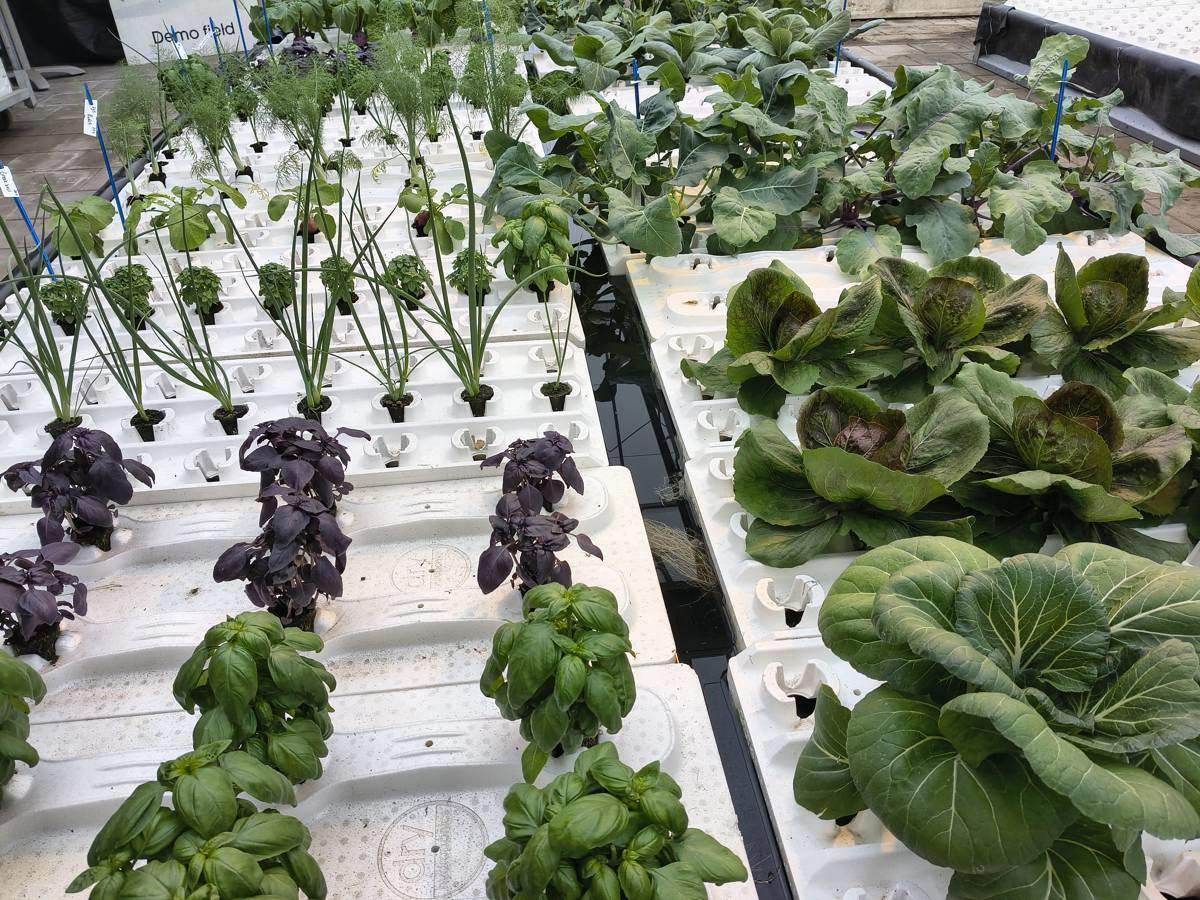
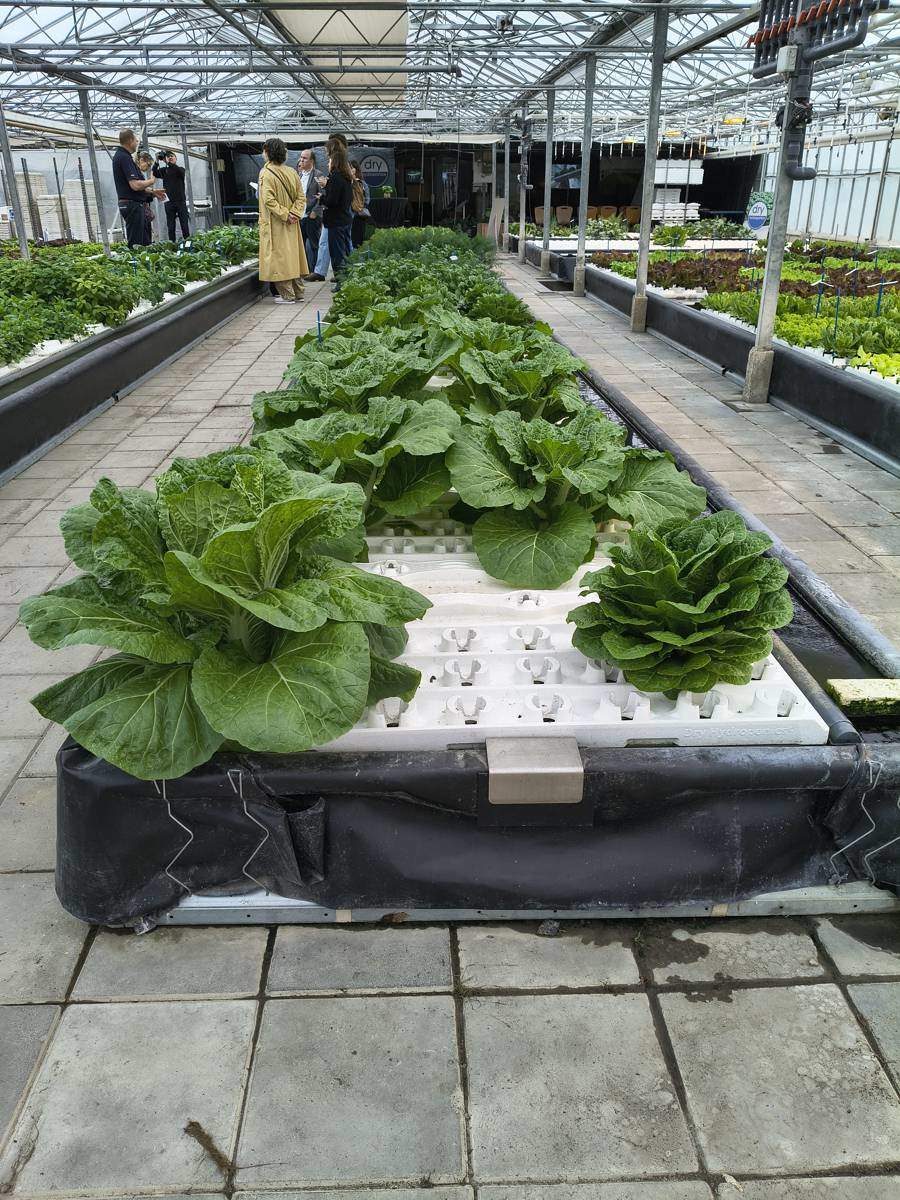
The model is simple to describe: a standardized prefabricated component unit occupies about half an acre, housing a Dry Hydroponics growing system and a store for direct produce sales. Developed in Schipluiden, Dry Hydroponics technology grows short-cycle crops like lettuce, herbs, and leafy greens on floating tray supports over nutrient water. Produce is harvested at the point of sale, with cycles measured in hours, rather than the days or weeks required by traditional supply chains. Catherine Wilsbach, a LocalDutch local influencer, told The Packer: "Our model is compact and standardized, so we choose locations based on demand and real estate fundamentals, not just labels."
A practical test for investors deciding whether such ventures can succeed is: can a single store sell enough produce at prices affordable to the community to cover its capital and energy costs? The company's website mentions ambitions to open 500 stores over ten or fifteen years, meaning each outlet must prove its economic viability. The open question is when the operational economics will converge as the model scales from demonstration sites to a larger footprint.
The same framework also points to island markets. Bonaire relies heavily on food imports; local production doesn't need to fully replace imports, but rather free the most vulnerable, perishable leafy greens and short-cycle vegetables from dependence on shipping. According to the European Islands Platform, the island's energy target aims for 80% clean electricity by 2030, with solar, wind, and storage at the core of the roadmap, aligning with a greenhouse model centered on sunlight management. There are precedents in the region: the Food and Agriculture Organization of the United Nations (FAO) has deployed solar-powered hydroponics, rainwater harvesting, and recirculation systems in Jamaica, specifically to enhance climate resilience and food security.
The dense industrial ecosystem of the Westland greenhouse district—including hundreds of specialized horticulture businesses, suppliers, and research institutions like Wageningen University and Research and the Netherlands Organization for Applied Scientific Research (TNO)—is a core asset for LocalDutch's packaged export. The model attempts to transform greenhouse cultivation from an expert craft into a standardized terminal operated by non-specialists, with the core being to reduce reliance on scarce specialized growers and solve scalability issues.
This article is compiled by Wedoany. All AI citations must indicate the source as "Wedoany". If there is any infringement or other issues, please notify us promptly, and we will modify or delete it accordingly. Email: news@wedoany.com
Related Products


Industrial and Commercial Point-Type Gas Detector
Jinan Benan Technology Development Co., Ltd.

714CD Series C-Band Weather Radar
Chengdu Zhongdian Jinjiang Information Industry Co., Ltd.
4HS-8 High-efficiency Peanut Inverted-laying Harvester
Hebei Yongfa Hongtian Agricultural Machinery Manufacturing Co., Ltd.