U.S. Bureau of Reclamation Proposes Requiring Three States to Cut Colorado River Water Use by 3 Million Acre-Feet Annually
en.Wedoany.com Reported - The U.S. Bureau of Reclamation on Friday released a proposal aimed at averting a crisis on the long-stressed Colorado River, requiring Arizona, California, and Nevada—the three lower-basin states—to reduce water withdrawals while temporarily exempting the other four states from mandatory cuts. The proposal is intended to provide flexibility, allowing for deeper cuts during drought periods and giving states more time to collectively negotiate how to manage the river's dwindling water supply.
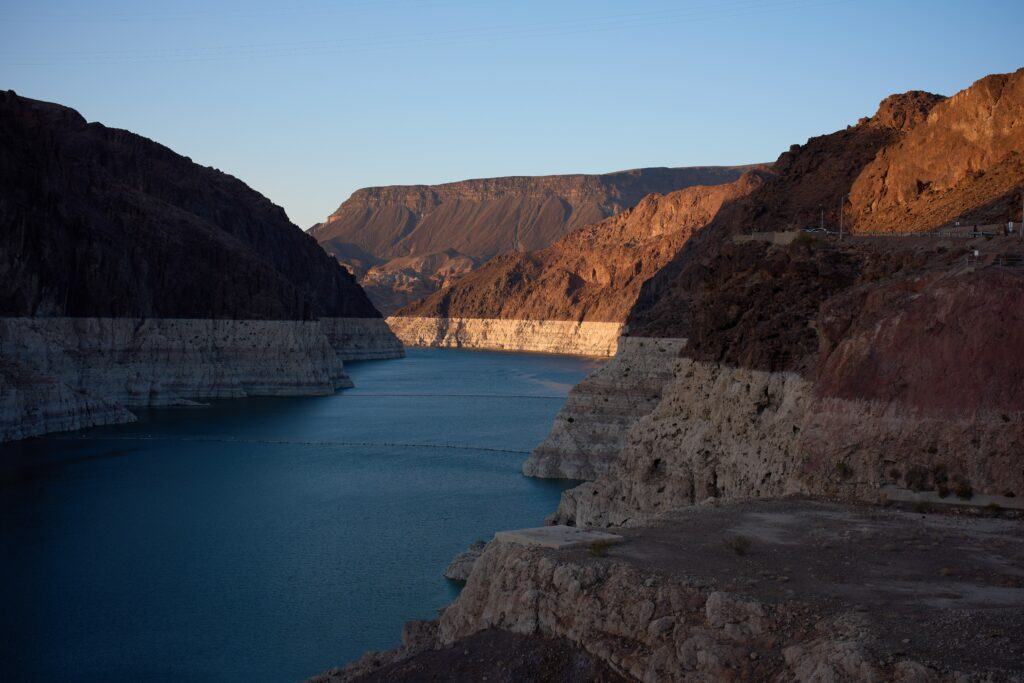
Under the proposal, the three lower-basin states could be forced to reduce water use by up to 3 million acre-feet (equivalent to 130 billion cubic feet) annually by 2036—roughly the amount of water allocated to Arizona and Nevada combined, enough to meet the annual needs of more than 25 million people. Actual cuts would be determined every two years based on conditions across the basin. California, Nevada, and Arizona would each shoulder half of the reductions under their respective existing plans, with the remainder determined by priority water-rights rules—a system that typically benefits California users more than those in other states.
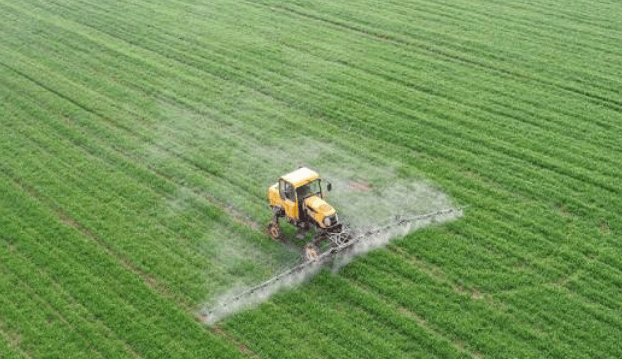
Arizona and Nevada have previously faced mandatory cuts, but the proposal outlines deeper reductions that could affect agriculture, cities, and tribes. Experts say this could lead to higher water prices, greater reliance on groundwater, and land being left fallow.
Interior Secretary Doug Burgum said in a statement that the department has a responsibility to ensure the Colorado River system remains reliable and resilient for the millions of Americans, communities, and industries that depend on it. The proposal comes after years of stalled negotiations among the states and amid threats of litigation if the proposal conflicts with the laws and guidelines that have long governed the river—some of which expire at the end of 2026. Record-dry winters have also driven the combined water levels of two key reservoirs on the Colorado River to historic lows. Federal officials are expected to finalize the proposal in the coming days.
The upper and lower basins had each previously put forward their own plans but failed to settle on a shared approach. States will have a say in how cuts are allocated, and the federal government is expected to issue recommendations in the coming days. Arizona, which holds the lowest priority in the lower basin, has seen its leaders call the federal proposal flawed. California leaders called it an important milestone but not the finish line. Nevada officials described the proposed cuts as unrealistic and devastating. Lower-basin states have been pushing for all seven states to share specific, measurable reductions. Colorado, New Mexico, Utah, and Wyoming in the upper basin have repeatedly countered that mandatory cuts to their water use would be illegal under the existing Colorado River Compact. Although the proposal mandates cuts in the lower basin, upper-basin states could implement voluntary reductions through agricultural users. The governors of the four states gave the document a preliminary positive assessment but said they are still reviewing it.
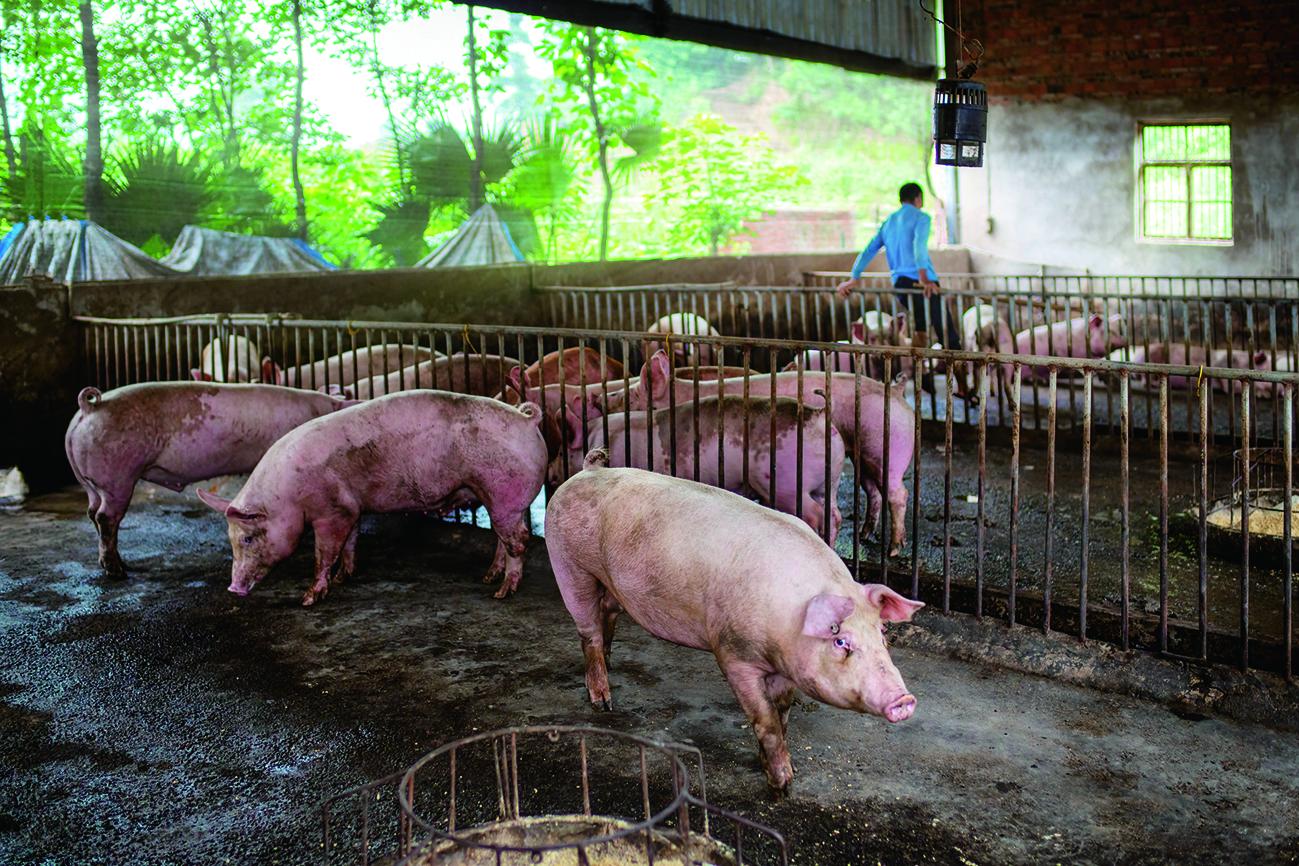
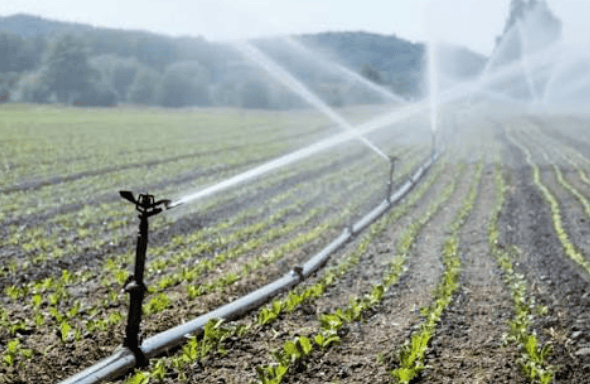
Arizona's Department of Water Resources said the proposed cuts would be devastating to its water users and economy. The Central Arizona Project, which manages most of the state's water deliveries, primarily supplying the Phoenix and Tucson metropolitan areas, said the proposal does not accurately reflect Arizona's rights. Tom Buschatzke, director of the Arizona Department of Water Resources, said the proposed cuts would be painful. Farmers in Southern California and Yuma, Arizona, produce most of North America's leafy greens during the winter. Buschatzke said, "These are many potentially devastating impacts, and there is also a lot of uncertainty for all of us."
Rhett Larson, a water law professor at Arizona State University, said cities in the Phoenix metropolitan area do not rely entirely on the Colorado River, and household water supplies may remain secure, but water prices in some areas will rise. For example, the city of Gilbert has increased residential water rates by 50% since April 2025. Larson said the region does not lack water—it lacks cheap water. Meanwhile, cities across the Colorado River basin are seeking new water sources, such as tapping groundwater, treating wastewater, and desalinating seawater, all of which are more costly than diverting water from the Colorado River.
More than 40 million people across seven U.S. states, numerous tribal nations, and Mexico depend on the river, which spans 1,450 miles (2,334 kilometers). Decades of overuse, compounded by rising temperatures, drought, and climate change, have left the river unable to deliver the water promised in 1922. Water released through dams generates hydroelectric power. The river's health is typically measured by the water levels of Lake Mead and Lake Powell, the two largest man-made reservoirs in the United States. According to a recent paper by Colorado River experts, the combined water levels of these two reservoirs are at their lowest since they began filling, approaching levels where hydroelectric generation would no longer be possible.
Related Products
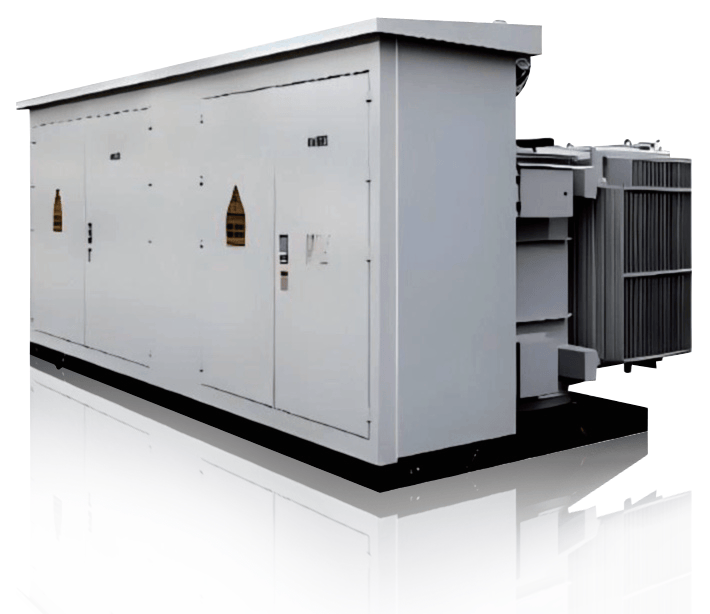

H-40.5/0.4~1.14kV New Energy Power Generation Dedicated High Voltage/Low Voltage Prefabricated Substation
XJ (Xiamen) Intelligent Power Equipment Co., Ltd.

Optional Accessory - Auxiliary Sampling Module
Beijing Soaring Electric Technology Co., Ltd.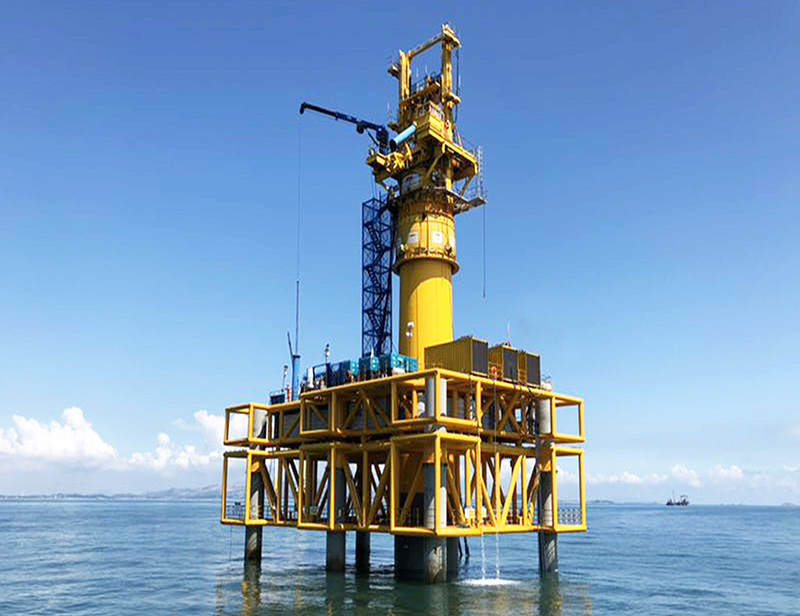
CITIC Heavy Industries Offshore Wind Power Equipment Hydraulic Pile Hammer
CITIC Heavy Industries Co., Ltd.
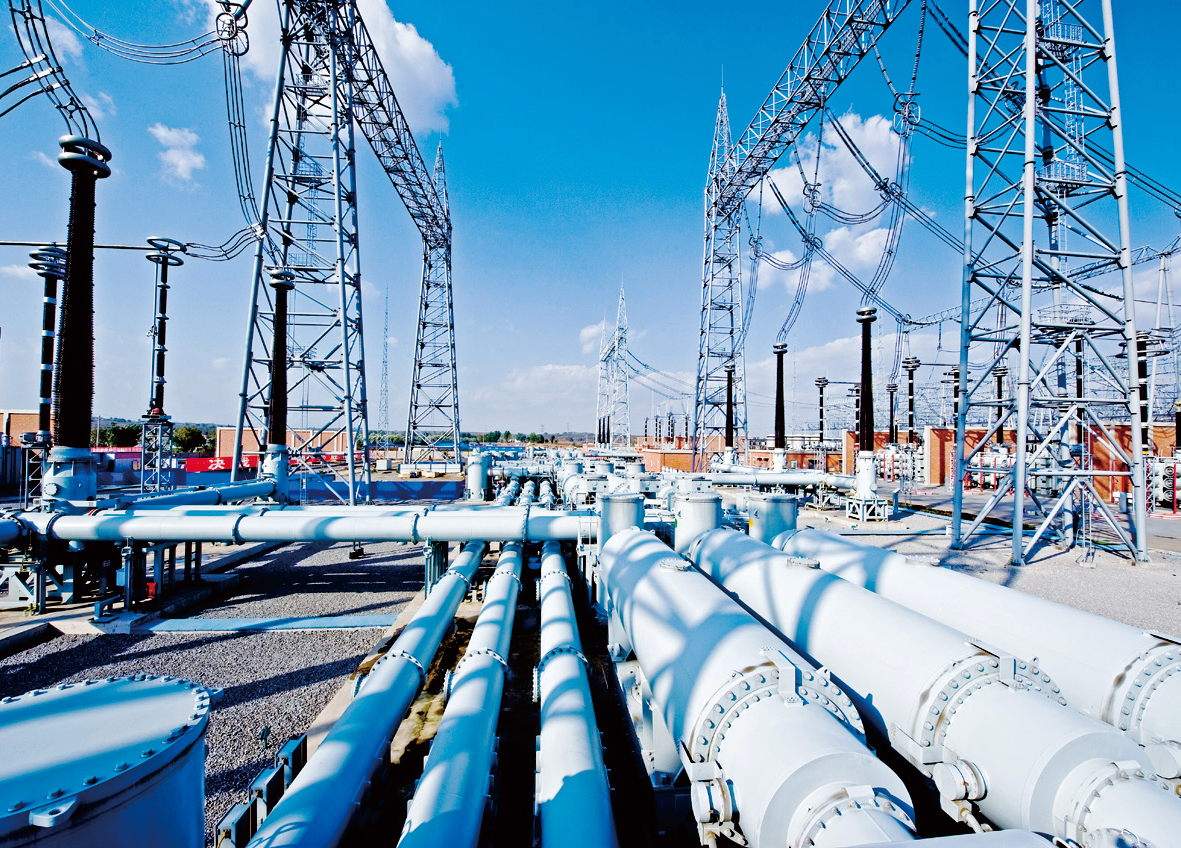
40.5kV-1100kV Gas Insulated Metal-Enclosed Switchgear (GIS)
Henan Pinggao Electric Co., Ltd.

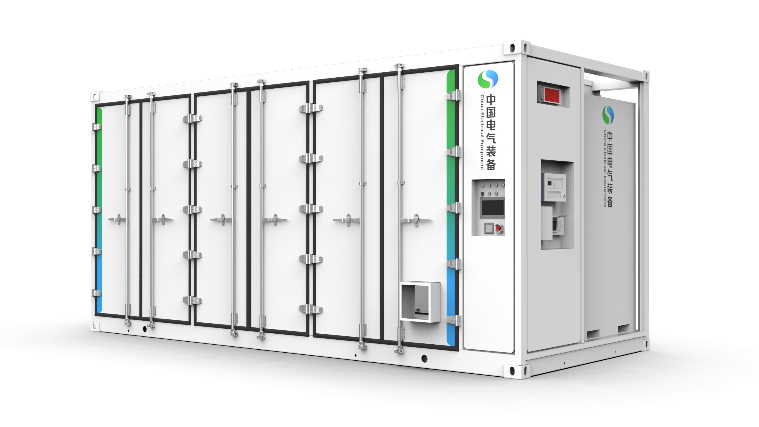
MESS8201-2507/5015-BN Prefabricated Liquid-cooled Energy Storage Battery Container
Xuchang Xuji Electric Science Energy Storage Technology Co., Ltd.
Quick-Change Single-Seat Control Valve / Quick-Change High-Pressure Single-Seat Control Valve
Beijing Consen Automation Technology Co., Ltd.