FAO: Shipping Disruption in the Strait of Hormuz Affects Global Food Production
en.Wedoany.com Reported - On September 15, Oleg Kobyakov, head of the FAO Liaison Office with the Russian Federation, said that continued disruption to shipping through the Strait of Hormuz could lead to reduced global food production and supply in the second half of 2026 and in 2027. According to FAO analysis, the impact is no longer limited to international food prices, but may also be transmitted through delays in fertilizer supply to subsequent agricultural production cycles, increasing supply pressure on some food-vulnerable countries and regions.
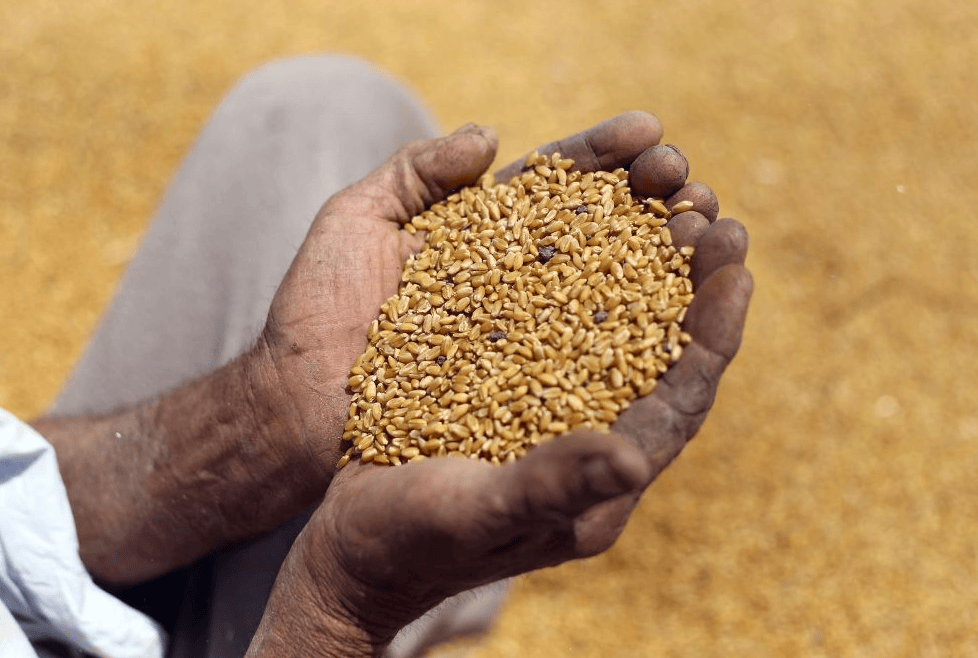
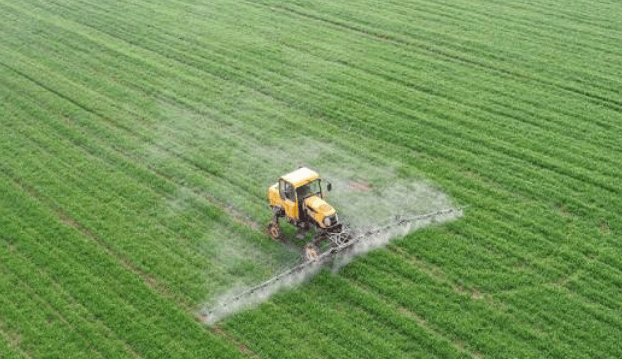
Kobyakov said that agricultural production is strictly seasonal, and even a delay of several weeks in fertilizer deliveries may cause farmers to miss critical fertilization windows, forcing them to reduce or even cancel fertilizer application, thereby lowering yields. For countries highly dependent on imported fertilizer, shipping delays, rising freight costs and changes in port arrival schedules may further amplify pressure on production costs.
The Strait of Hormuz not only handles important global oil and gas transportation, but is also a key channel for Middle Eastern fertilizer products such as urea to enter the international market. After navigation through the strait was disrupted, related fertilizer exports and transshipment were affected, and the agricultural input supply chains of some countries and regions began to come under pressure. On this basis, FAO judges that the supply shock may gradually be reflected in food output and market supply in the second half of 2026, and continue into the 2027 agricultural season.
The core of this round of risk lies in the continuous transmission along the "energy-fertilizer-food" chain. Restricted oil and gas transportation will affect natural gas and energy prices, and natural gas is also an important raw material for nitrogen fertilizer production; after fertilizer prices and transportation costs rise, they will further push up agricultural planting costs. For countries and regions already in long-term or severe food crises, rising food prices and declining output may occur simultaneously, thereby aggravating food security pressure.
Since February 28, the Middle East conflict has continued to affect navigation through the Strait of Hormuz. As the period of restricted transportation through the strait lengthens, the impact has extended from short-term energy market fluctuations to agricultural inputs and the global food supply chain. Going forward, the market will focus on the recovery of exports of fertilizer products such as Middle Eastern urea, inventory levels in major importing countries, and the pace of fertilizer arrivals during the sowing season from the second half of 2026 to 2027.
Related Products

714CD Series C-Band Weather Radar
Chengdu Zhongdian Jinjiang Information Industry Co., Ltd.
4HS-8 High-efficiency Peanut Inverted-laying Harvester
Hebei Yongfa Hongtian Agricultural Machinery Manufacturing Co., Ltd.


Industrial and Commercial Point-Type Gas Detector
Jinan Benan Technology Development Co., Ltd.