Brazil's 2026/27 Agricultural Harvest Plan Expands to R$ 525.1 Billion
en.Wedoany.com Reported - The 2026/27 Agricultural Harvest Plan (Plano Safra) announced by the Brazilian federal government expands financing volume and reduces interest rates for some investment modalities, drawing a positive reaction from the agricultural machinery industry, though concerns remain over the actual disbursement of credit. Industry insiders point out that financial institutions have become stricter in the lending process, limiting the extent to which resources actually reach rural producers.
This year's Agricultural Harvest Plan earmarks R$ 525.1 billion for agribusiness credit, an increase of R$ 9 billion over the previous cycle. Of this total, R$ 72.6 billion is directed at medium-sized producers eligible under Pronamp, while R$ 452.5 billion is allocated to other rural producers and cooperatives. In family farming, the "National Program for Strengthening Family Agriculture" (Pronaf) received R$ 85.2 billion in operational credit, serving as the main credit channel for small producers.
Felippe Vieira, Commercial Director of LS Tractor, a South Korean multinational operating in Brazil, stated that the new Agricultural Harvest Plan represents progress by increasing investment in family farming and offering more favorable conditions on key investment credit lines. However, he emphasized that the effectiveness of these measures depends on the sustained availability of credit throughout the entire harvest season. "In recent years, we have seen announced resources quickly exhausted, or operations no longer approved due to stricter reviews by financial institutions. Producers need to be confident that when they decide to invest in a tractor, they can find available credit and conditions to sign financing," he said.
According to Vieira, the rise in default rates in recent years has prompted banks and other financial institutions to tighten credit issuance standards. "Higher collateral requirements, stricter analysis, and a lower willingness to take on risk have reduced the number of approved operations. As long as there are no measures to help producers restructure their financial situations, a large portion of them will continue to be unable to access this credit."
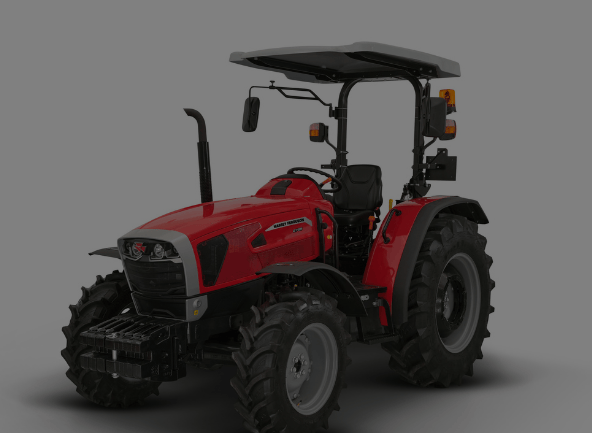
Against this backdrop, producers still need to maintain investment to sustain production continuity and farm competitiveness. For family farmers seeking mechanization, the main entry point remains Pronaf. This program allows financing for tractors with up to 80 horsepower, with a balanced annual interest rate of 5%, along with longer terms and grace periods. "We had expected a reduction in interest rates for tractor purchases, but unfortunately that did not happen. Even so, Pronaf remains an important tool for those purchasing their first piece of equipment or upgrading older machinery," Vieira said.
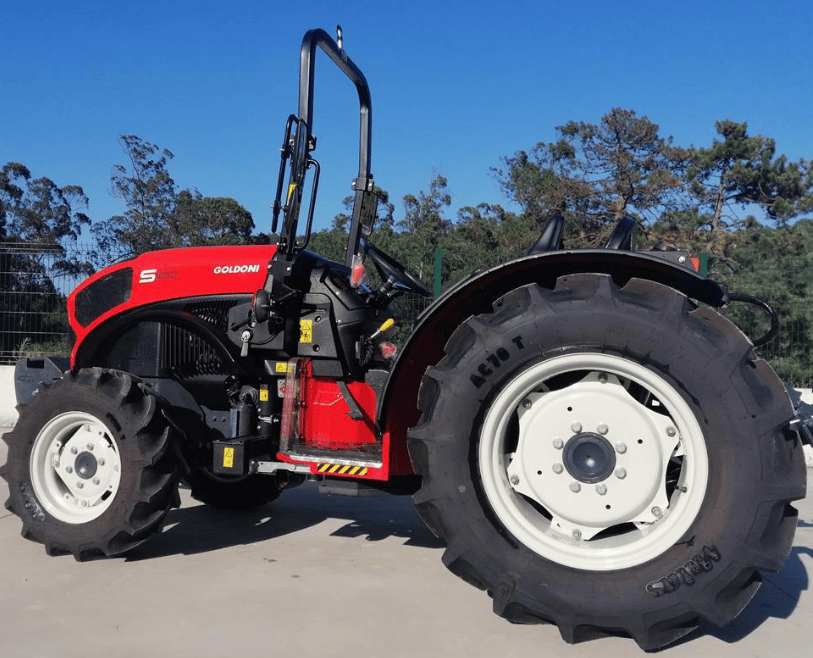
LS Tractor's product portfolio includes models such as the MT2, MT4, R50, R65, MT7, and the Plus series. "The MT4 is an extremely versatile tractor, suitable for activities such as coffee growing, fruit cultivation, horticulture, tobacco, and livestock farming. We often say it is the 'SUV' of the farm because it can handle different tasks," Vieira explained.
As an alternative to expanding access to mechanization, the brand is also strengthening its own financing solutions. The consortium purchase model has begun to gain strategic importance within the company, disbursing ten tractors per month since last year, offering producers who wish to invest in new equipment more options without relying entirely on traditional rural credit lines. Additionally, manufacturer banks and credit unions are also emerging as new channels beyond traditional financial institutions. "Credit unions usually have a better understanding of the producer's situation and can assess each case more closely. Operations that are often rejected by commercial banks end up being approved by these institutions," Vieira noted.
Despite the more challenging rural credit environment, LS Tractor maintains its expansion plans in the Brazilian market. Since 2024, the South Korean multinational has invested R$ 40 million in Brazil and recently announced an additional R$ 20 million in investments over the next two years. The funds will be used for portfolio modernization, factory infrastructure, information technology systems, and strengthening the after-sales service structure.
The company is also preparing to launch a new 80-horsepower tractor aimed at the entry-level market this year, expanding its portfolio with more affordable equipment. "Today we are known for offering high-quality products with high productivity, but we also want to expand our presence in the economy segment. The goal is to democratize access to mechanization, providing modern, efficient, and competitive equipment technology to producers of all sizes," Vieira concluded.
Related Products


714CD Series C-Band Weather Radar
Chengdu Zhongdian Jinjiang Information Industry Co., Ltd.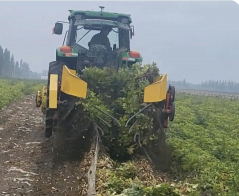
4HS-8 High-efficiency Peanut Inverted-laying Harvester
Hebei Yongfa Hongtian Agricultural Machinery Manufacturing Co., Ltd.


Industrial and Commercial Point-Type Gas Detector
Jinan Benan Technology Development Co., Ltd.